
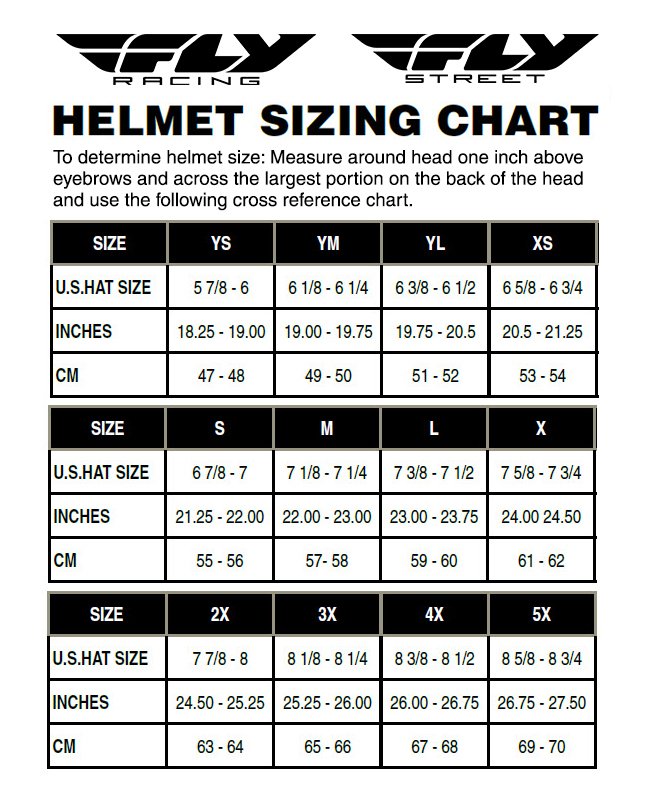
Finding the right bike helmet size is crucial for both safety and comfort. You might think it’s just about picking a helmet that looks cool or matches your bike, but the right fit can make all the difference.
Imagine the peace of mind that comes from knowing you’re protected on every ride, whether you’re cycling through busy city streets or enjoying a leisurely ride in the countryside. A helmet that’s too big won’t protect you in a crash, while one that’s too small can be uncomfortable and distracting.
You deserve a helmet that fits perfectly, enhancing your riding experience without worry. Dive into this guide on bike helmet sizing charts to discover how easy it is to find your perfect fit. Your safety and comfort await.
Importance Of Proper Helmet Fit
A helmet should fit well. This keeps your head safe. A loose helmet can fall off. A tight helmet can hurt you. Measure your head right. Use a tape measure. Wrap it around your forehead. Check the size chart. Choose the right size.
Helmets come in different sizes. Small, medium, large. Find one that fits you. Adjust the straps. They should be snug. Not too loose or too tight. The helmet should sit level. Not tilted back or forward.
Wearing a helmet is smart. It protects your head. Choose one that fits well. Safety is important. Always wear a helmet when biking. Enjoy your ride.
Measuring Your Head
Understanding how to measure your head is crucial for selecting the right bike helmet. A sizing chart helps you find a helmet that fits comfortably and securely. Ensure safety and comfort by choosing the correct size based on accurate measurements.
Tools You Need
You need a few simple tools. A soft measuring tape is best. A piece of string works too. Also, grab a mirror or ask for help. You need a notepad to write the size.
Steps To Measure
Wrap the tape around your head. It should sit above your eyebrows. Keep it level all the way around. It should be snug but not tight. Read the measurement in centimeters. Write it down on the notepad. Check the number twice to be sure. Now, you have your head size.
Understanding Helmet Sizes
Bike helmets come in different sizes. These sizes ensure a good fit. The main categories are small, medium, large, and extra-large. Each size fits a range of head sizes. Measuring your head is important. Use a tape measure. Wrap it around your head. Find the size that matches your measurement. This helps in choosing the right helmet.
Different brands have different sizing charts. A small helmet from one brand may differ from another. Always check the brand’s chart. Compare it with your head measurement. This ensures you buy the correct size. Some brands offer adjustable straps. This helps in fitting the helmet better. Look for brands that provide comfort and safety.
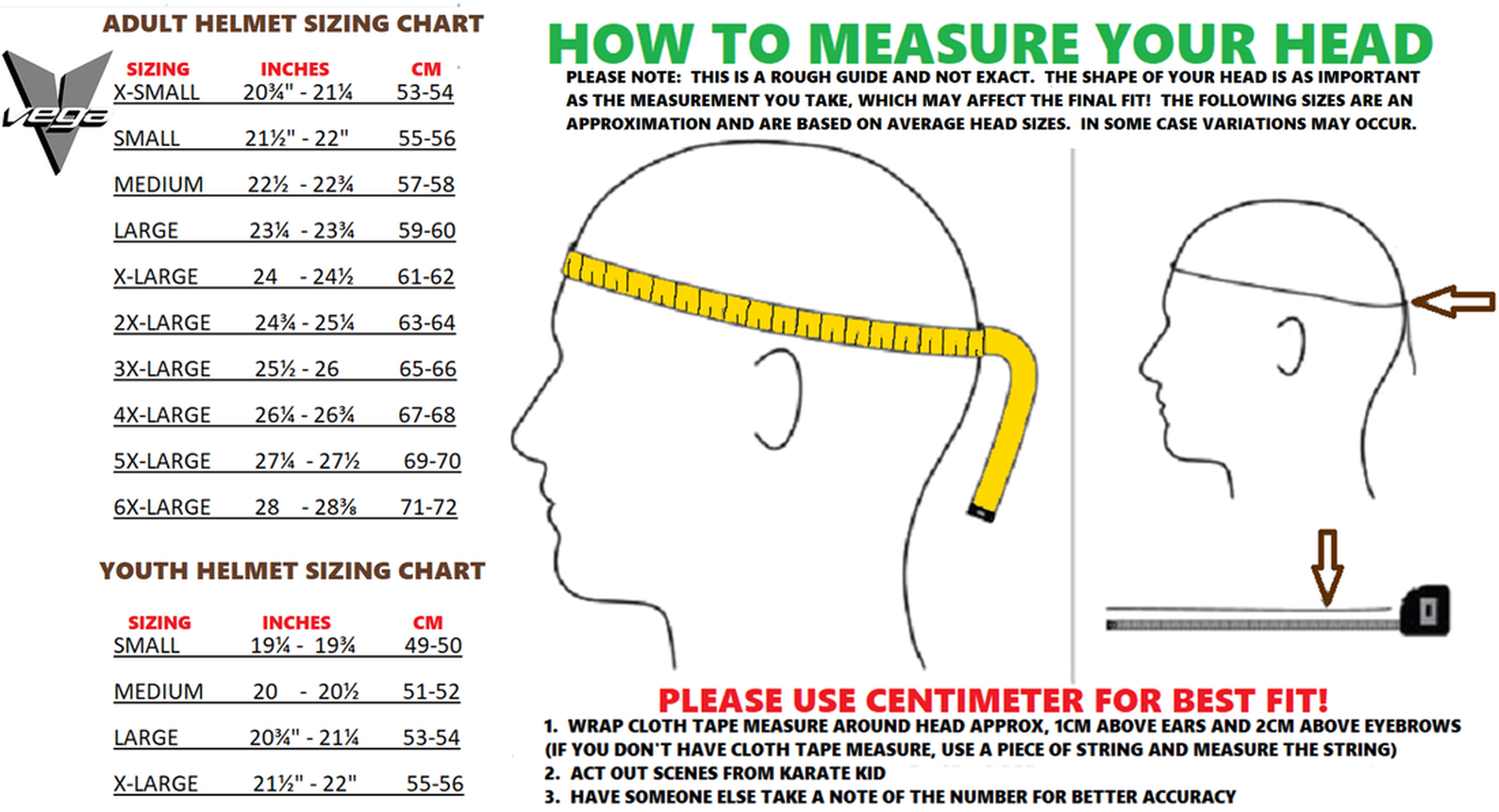
Credit: www.vegahelmet.com
Using A Helmet Sizing Chart
Bike helmet sizing charts help you choose the right size. Measure your head using a tape measure. Find your measurement in the chart. Match the measurement with the helmet size. Charts are easy to read. They show sizes in centimeters and inches. Look for the correct size for your head.
Many charts use the same terms. Small, medium, large, and extra-large are common sizes. Some charts use numerical sizes. These numbers help find the right fit. Circumference means the distance around your head. Diameter means the width across your head. Understanding these terms helps you choose the best helmet.
Adjusting Helmet Fit
Proper helmet fit ensures safety and comfort during bike rides. Consult the bike helmet sizing chart to find the perfect size. A snug helmet protects your head effectively.
Strap Adjustments
Make the straps snug. Not too tight. Not too loose. The strap should form a “Y” shape under each ear. Check the buckle. Is it fastened? The chin strap must be secure. You should fit only one finger under it. This keeps the helmet in place. Always check before a ride.
Padding Adjustments
Padding gives comfort. It also helps fit. Some helmets have removable pads. Try different sizes. Find what feels best. Adjust the padding to sit evenly. No gaps between the head and helmet. This ensures safety and comfort. Change the padding if it wears out.
Common Mistakes To Avoid
Straps should be snug but not too tight. Too tight straps can hurt. They might leave red marks on your skin. Comfort is key. You need to feel good wearing the helmet. Straps should form a “V” under your ears. This keeps the helmet stable. Make sure you can fit two fingers between the strap and your chin. This space helps you breathe easily.
A helmet should fit your head well. It should not wobble. If it wobbles, it is too big. Try different sizes to find the best fit. Comfort means you will wear it more often. A helmet that feels good is important. You should feel safe and relaxed. If a helmet is uncomfortable, you won’t want to wear it.
When To Replace Your Helmet
Helmets keep your head safe. But, they don’t last forever. Signs of wear show it’s time for a new one. Look for cracks or dents. Check the straps. Are they frayed or stretched? If yes, replace the helmet. The inside should be soft and firm. If it feels squishy or hard, it’s time to change it.
Helmets protect during falls. But after a big hit, they may not work well. Even if the helmet looks fine, it might be weak. Always get a new helmet after a crash. It’s better to be safe. Your head is important. Keep it safe with a strong helmet.

Credit: www.schwinnbikes.com

Credit: lazersport.us
Frequently Asked Questions
How Do I Know My Bike Helmet Size?
Measure your head circumference above your eyebrows using a tape measure. Match this measurement to the helmet sizing chart. Ensure a snug fit without pressure points for safety. Adjust straps and pads for comfort. Check fit regularly as sizes may vary between brands.
What Is The 2 2 2 Rule When Fitting A Helmet On Your Head?
The 2-2-2 rule for helmet fitting involves checking two fingers above the eyebrows, two straps forming a V under the ears, and two fingers fitting between the chin and strap. This ensures a snug and secure fit for maximum protection.
What Helmet Size Is 54cm?
A 54cm head circumference typically corresponds to a size small helmet. Always check the manufacturer’s size chart for accuracy.
How Do I Calculate My Helmet Size?
Measure your head’s circumference above your eyebrows using a soft tape measure. Match this measurement to the helmet size chart provided by the manufacturer. Ensure a snug fit for optimal safety and comfort.
Conclusion
Finding the right bike helmet size is crucial. It ensures safety and comfort. Use the sizing chart to measure accurately. A snug fit helps protect your head effectively. Don’t rush the selection process. Take your time. Measure twice if needed.
Safety comes first when cycling. An ill-fitting helmet could risk injury. Choose wisely and ride with confidence. Your helmet should fit like a second skin. Review the chart and make the right choice. Stay safe on your biking adventures. Remember, a well-fitted helmet is your best riding companion.
Enjoy the ride, and stay protected!



