
Are you confident that your bike helmet is providing the protection you need? Understanding bike helmet safety standards can be the key to ensuring your safety on the road.
Imagine cruising down a scenic trail or navigating through bustling city streets with peace of mind, knowing that your helmet is designed to shield you from harm. You’ll discover what these standards really mean and how they affect your helmet choice.
By the end, you’ll be equipped with the knowledge to make informed decisions and ride safely. Your safety is paramount, and this guide will help you take control of it. Dive in and learn how these standards impact your cycling experience.
Importance Of Bike Helmet Safety
Bike helmetsprotect your head from injuries. They are very important for safety. Wearing a helmet can save your life in an accident. Helmets are made to absorb impact. This keeps your head safe. They also help reduce the risk of serious injuries.
Helmets come in different sizes and styles. It’s important to choose the right one. A good fit ensures better protection. Helmets must meet safety standards. These standards are set by experts. They test helmets for strength and durability.
Always make sure your helmet is not damaged. Replace it if it has cracks or dents. Kids should always wear helmets when biking. It’s a simple way to stay safe. Remember, safety first on every ride!
Key Safety Standards
Understanding bike helmet safety standards ensures riders choose reliable protection. These standards test impact resistance, strap strength, and coverage. Ensuring helmets meet these standards can significantly reduce injury risk.
Overview Of Safety Certifications
Bike helmets must meet important safety standardsto protect riders. These standards ensure helmets can absorb impact and prevent head injuries. Various organizations set these safety rules. In the U.S., the Consumer Product Safety Commission (CPSC) is responsible. Europe follows the EN 1078standard. Each certification tests helmets in different ways. All aim to keep riders safe on the road.
Common Standards Worldwide
Several standards are recognized around the world. Here are a few:
- CPSC– Used in the United States.
- EN 1078– Common in Europe.
- AS/NZS 2063– Followed in Australia and New Zealand.
- Snell B90/B95– Known for high safety levels.
These standards ensure the helmet can handle impacts. Each standard has its own tests and requirements. Riders should choose a helmet with a recognized certification. Safety always comes first.
Testing Procedures
Bike helmet safety standards ensure protection during accidents. Testing procedures check impact resistance and strap strength. Helmets must pass rigorous tests to guarantee user safety.
Impact Testing
The helmet is dropped from a height. It hits a hard surface. This checks how well it protects the head. Special tools measure the force. They help see if the helmet can withstand strong impacts. If the helmet passes, it is safe. This test is very important for safety.
Retention System Testing
Straps and buckles are tested. They ensure the helmet stays on during a fall. Strong machines pull on the straps. They check if the helmet stays secure. If straps break, the helmet fails. A good helmet must pass this test. It keeps riders safe.
Environmental Testing
Helmets face extreme temperatures. They are tested in hot and cold conditions. This checks if they change shape or weaken. Helmets also face sunlight and rain. These tests ensure helmets stay strong. Weather should not affect their safety.
Credit: www.aliexpress.com
Materials And Construction
Understanding bike helmet safety standards is crucial for selecting the right protection. Helmets must meet specific guidelines to ensure safety. Proper materials and construction significantly enhance a helmet’s ability to protect during impacts.
Helmet Shell Materials
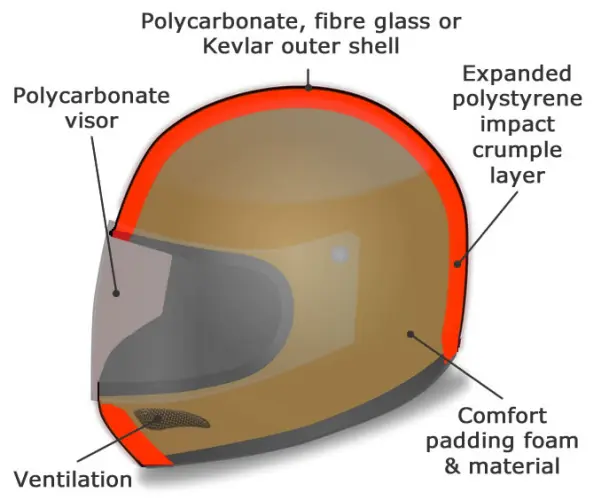
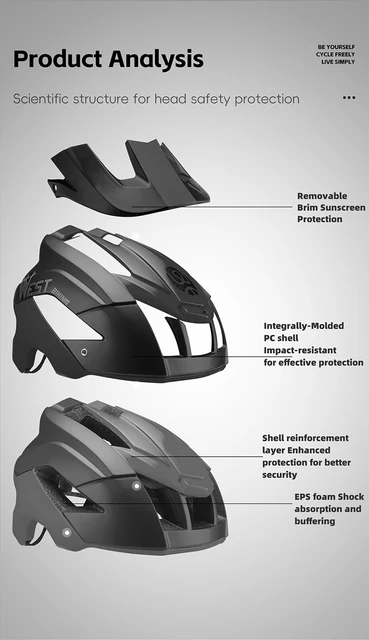
The shell is the helmet’s outer layer. It is often made of polycarbonate or fiberglass. Polycarbonate is lightweight and strong. Fiberglass offers good impact resistance. Both materials help protect your head. Shells are designed to be smooth. This helps reduce friction during impacts.
Impact Absorption Layers
Inside the helmet, there are layers for absorbing impact. Expanded Polystyrene (EPS) is commonly used. EPS is lightweight and crushable. It absorbs energy during a crash. Some helmets use EPP foam. EPP can handle multiple impacts. Padding inside provides comfort. It also adjusts the fit. Proper fit is crucial for safety.
Innovations In Helmet Safety
Innovations in helmet safety enhance bike helmet standards by integrating advanced materials and designs. These improvements ensure better protection and comfort for cyclists. Understanding these standards helps in choosing the right helmet for safety.
Advanced Safety Technologies
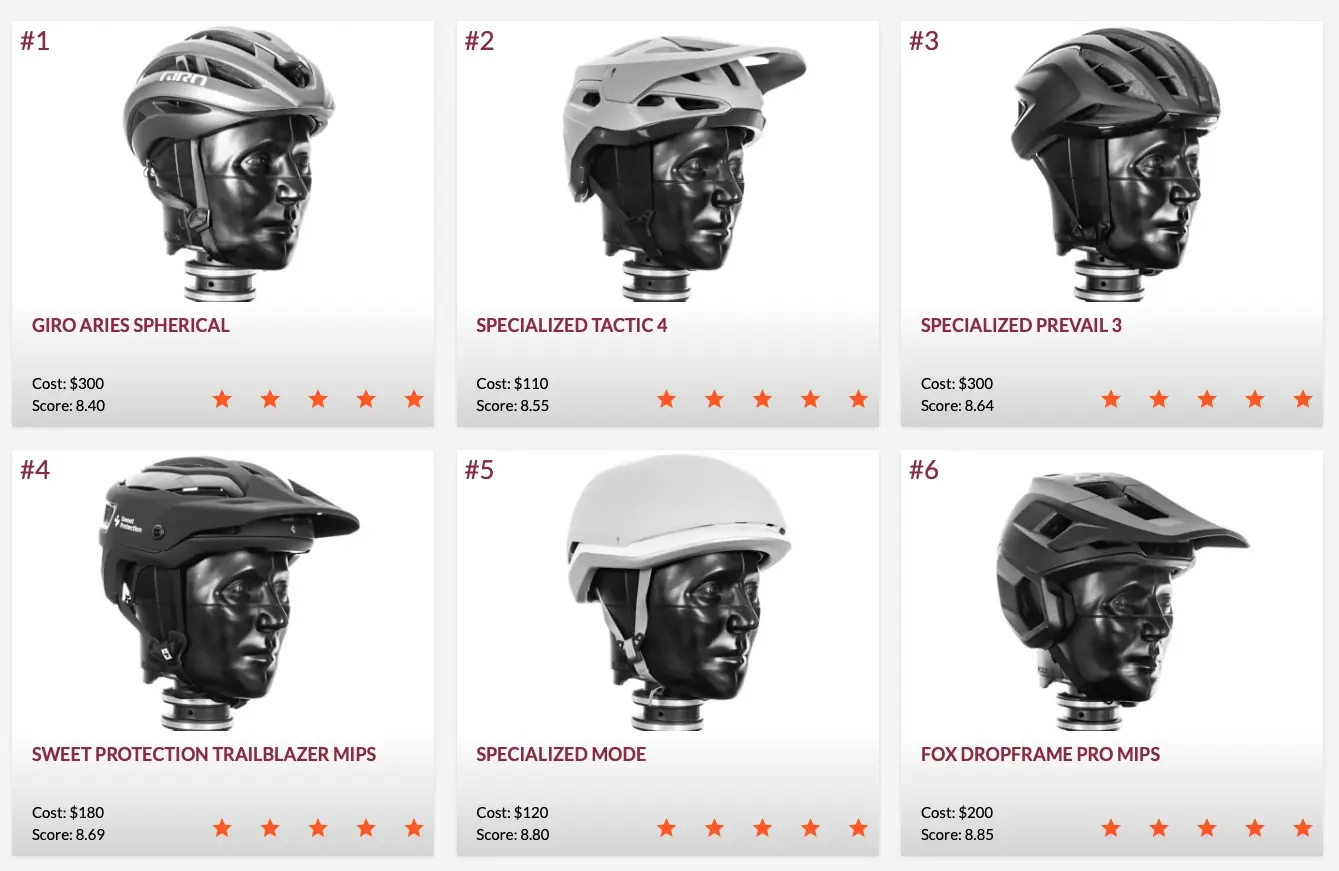
Bike helmets now use advanced safety technologies. These technologies provide extra protection. Multi-directional Impact Protection System (MIPS) is one of them. It reduces rotational forces during a crash. Another technology is WaveCel. It absorbs energy from impacts. This reduces the chance of head injury.
Koroyd is another new technology. It uses a honeycomb-like structure. This helps absorb impact energy efficiently. These technologies make helmets safer for riders. Choosing a helmet with these features is smart.
Smart Helmets
Smart helmets offer more than just protection. They have built-in Bluetooth speakers. Riders can listen to music safely. Some helmets have built-in lights. These make riders more visible at night.
GPS navigation is another feature. It helps riders find their way easily. Smart helmets also have crash sensors. They alert emergency contacts if a crash happens. These features make smart helmets a great choice for safety and convenience.
Credit: gearjunkie.com
Choosing The Right Helmet
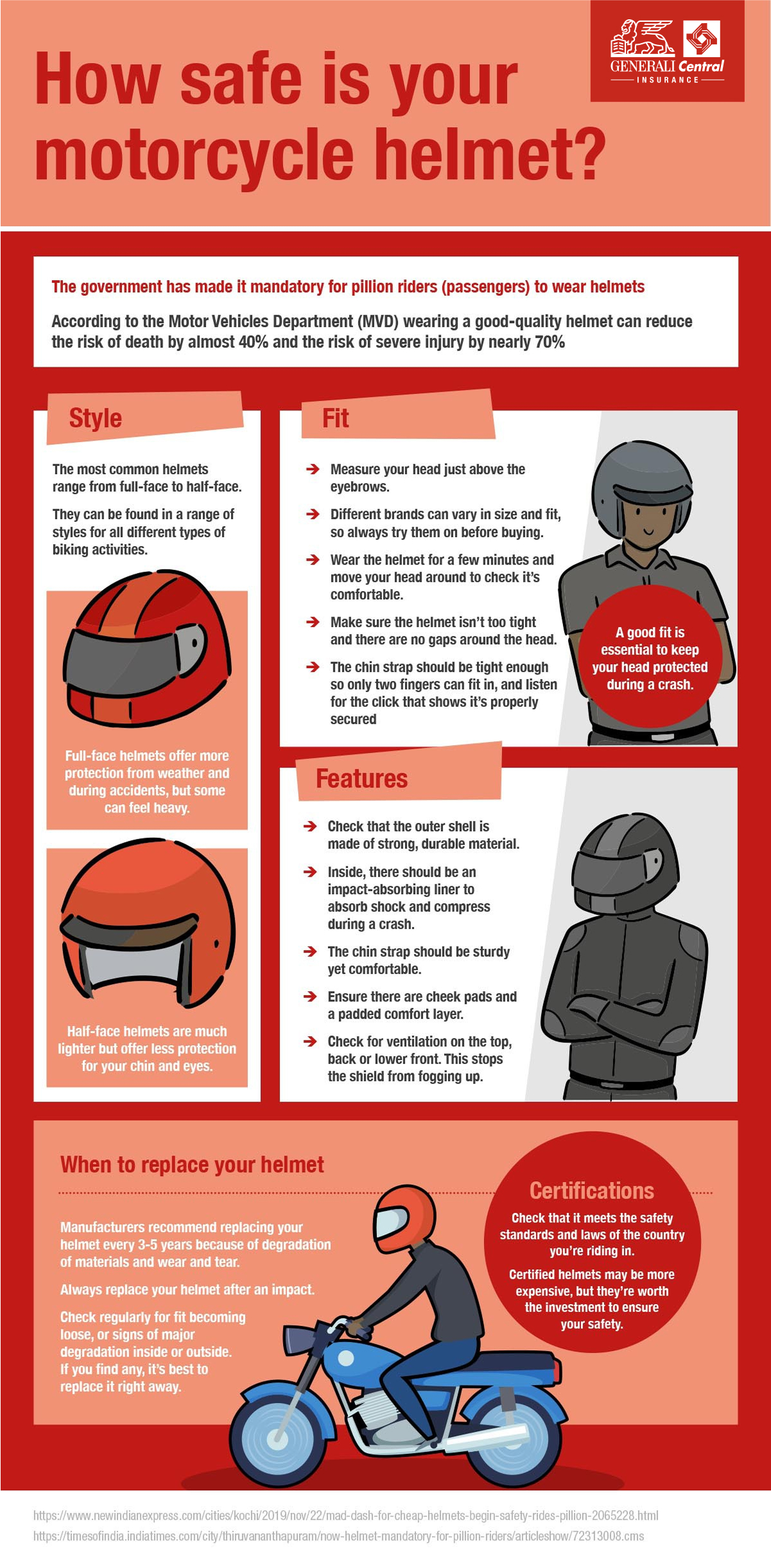
A good helmet must fit snugly. It should not wobble. Adjust straps for comfort. Helmets come in different sizes. Try several before buying. A comfortable helmet is worn more often. Padding helps in fitting well. Remember, comfort is key for safety.
Check for safety certifications. Look for labels like CPSC or ASTM. These labels show helmets meet safety standards. Certified helmets offer better protection. Always choose a helmet with a safety sticker. It means the helmet passed tests. Certification is crucial for trust.
Maintaining Helmet Safety
Understanding bike helmet safety standards is crucial for protection. These standards ensure helmets meet quality and durability requirements, enhancing rider safety. Always check for certifications before purchasing a helmet.
Regular Inspections
Check your helmet for damage often. Look for cracks and dents. Check the straps too. Make sure they are tight and secure. Inspect the padding inside the helmet. It should feel soft and firm. A helmet that is worn out is not safe. Replace damaged helmets quickly. Your safety depends on it.
Replacement Guidelines
- Replace helmets every five years.
- Replace after any crash.
- Always follow the manufacturer’s advice.
- Do not use helmets with broken parts.
Credit: www.generalicentralinsurance.com
Common Misconceptions
Understanding bike helmet safety standards helps debunk myths about protection levels. Many mistakenly believe one standard fits all helmets. Different standards cater to varying impact levels and usage scenarios, ensuring specific safety measures for different activities.
Myths About Helmet Effectiveness
Many believe helmets make them invincible. This is a big myth. Helmets help protect the head, but not completely. Another myth is that all helmets are the same. They are not. Different helmets have different safety ratings. Some people think a helmet is only for beginners. This is false. Everyone needs a helmet for safety. Some also believe old helmets are fine to use. Old helmets lose their strength over time. Always use a new helmet for best protection.
Clarifying Safety Standards
There are standards for helmet safety. These standards ensure helmets are strong. The CPSC standardis common in the U.S. It checks helmet strength and fit. Helmets must pass tests before selling. The EN 1078 standardis used in Europe. It is similar to CPSC. Some helmets have extra certifications. These show they are even safer. Always check for these standards when buying a helmet.
Frequently Asked Questions
What Are The Safety Standards For Bike Helmets?
Bike helmets must meet CPSC safety standards in the United States. They ensure protection against impact injuries. Helmets should fit snugly and cover the forehead. Look for certifications like ASTM or Snell. Regularly check for damages and replace if needed.
Proper ventilation and adjustable straps enhance safety and comfort.
What Is The Difference Between Ce And Cpsc?
CE ensures products meet EU safety, health, and environmental standards. CPSC enforces U. S. consumer product safety regulations.
What Is The 2 2 2 Rule When Fitting A Helmet On Your Head?
The 2 2 2 rule ensures a proper helmet fit: two fingers above the eyebrows, straps forming a V under the ears, and two fingers between the chin and strap. This method enhances safety and comfort. Always check helmet adjustments before riding.
What Is The Difference Between Cpsc And Mips Helmets?
CPSC helmets meet U. S. safety standards, ensuring basic protection. MIPS helmets incorporate a technology reducing rotational forces during impacts, offering enhanced safety. Both types are essential for different safety needs in cycling. Choose based on your preference for standard protection or advanced technology.
Conclusion
Understanding bike helmet safety standards is vital. These standards protect riders. Safe helmets save lives and prevent injuries. Always check for standard certifications. Ensure a proper fit for maximum protection. Regularly inspect your helmet for damage. Replace it after any impact.
This simple practice keeps you safer. Choose wisely and prioritize safety. Riding confidently starts with the right helmet. Stay informed and ride responsibly. Protect your head, safeguard your future. Investing in a quality helmet is crucial. Your life deserves the best protection.
Remember, safety comes first. Happy and safe riding!



