
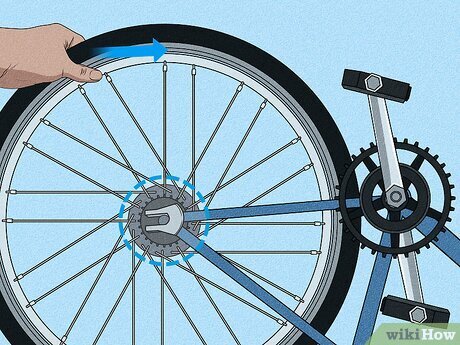
Picture this: you’re gearing up for a thrilling bike ride, the wind in your hair and the open road ahead. But suddenly, your bike chain starts acting up, threatening to derail your adventure.
Frustrating, isn’t it? You might feel like you need a degree in bike mechanics just to fix it. But don’t worry; you’re not alone, and this article is here to help. Bike chain issues can be a real headache, especially when you’re all set to go.
Whether it’s slipping gears, rust, or a mysterious clicking sound, these problems can disrupt your ride and dampen your spirits. But what if you could learn simple solutions to get your bike back on track without breaking a sweat? You deserve a smooth ride and the freedom to explore without mechanical hiccups. So, let’s dive into the world of bike chain troubleshooting, where you’ll discover easy fixes to keep your journey hassle-free. Ready to unlock the secrets to a seamless biking experience? Read on to find out how you can become your own bike chain whisperer!
Common Chain Issues
A slipping chaincan make biking tough. Check if the chain is too loose. A loose chain often slips off the gears. Adjust the tension so it’s not too tight or too loose. Look for wear and tearon the chain. Old chains might need replacing. Clean the chain regularly. Dirt and grime can cause slipping. Always keep your chain well oiled.
Skipping gearscan be frustrating. Inspect the derailleur alignment. A misaligned derailleur causes gear skips. Adjust it until gears shift smoothly. Check for bent gear teeth. Bent teeth affect gear shifting. Use a gear brush to clean them. Lubricate the chain and gears. Proper lubrication helps gear changes. Replace worn-out parts promptly. This prevents future skips.
Chain noisecan be annoying. Look for dirt and rust on the chain. Clean it with a brush and cleaner. Lubricate the chain after cleaning. Oil reduces noise and friction. Check the chain’s tension. A loose chain might be noisy. Tighten it if needed. Inspect for damaged links. Replace any damaged parts quickly.
Tools For Chain Repair
Tools like chain breakers, link pliers, and lubricant are essential for bike chain troubleshooting. These tools help fix chain issues, ensuring smooth rides. Proper use can extend the chain’s life and enhance biking performance.
Essential Tools
Every bike owner needs a few basic tools. A chain breakeris crucial. It helps remove or add chain links. A set of Allen wrenchesis also necessary. They fit most bike bolts. Don’t forget a lubricantto keep the chain smooth. A clean raghelps wipe off dirt. A multi-toolcan be a handy companion. It offers multiple functions in one tool.
Advanced Tools
For those who fix bikes often, advanced tools help a lot. A chain wear indicatorchecks if the chain is stretched. It’s a quick way to know when to replace the chain. A master link plierscan quickly open and close chain links. Having a torque wrenchensures bolts are tight enough. It prevents over-tightening. A bike standallows for easy repairs. It holds the bike steady while you work.
Chain Slipping Solutions
Chain slipping can disrupt your ride. Ensure your bike chain is properly tensioned and lubricated. Regular maintenance prevents wear and tear, keeping your ride smooth and enjoyable.
Checking For Wear
Chains wear out over time. Look closely at the chain links. Are they rusty or stretched? These signs mean the chain is old. Replace worn chains quickly. This solves many slipping problems.
Adjusting Tension
Chain tension is crucial. Too loose, and it slips. Too tight, and it may break. Use a wrench to adjust the tension. Check if the chain feels snug but not stiff. Proper tension reduces chain issues.
Realigning Derailleur
The derailleur moves the chain between gears. If misaligned, the chain will slip. Look at the derailleur closely. Ensure it’s directly under the chain. Adjust its position with a screwdriver. Proper alignment stops slipping.
Credit: www.bikeradar.com
Fixing Skipping Gears
Look closely at the cassette. Check for worn teeth or dirt. Worn teeth can make gears skip. Dirt can also cause problems. Clean the cassette carefully. Use a brush or cloth. Make sure it spins freely. If teeth are sharp or bent, replace the cassette.
Check the shifter cables. They should be tight and clean. Loose cables can cause skipping. Adjust the barrel adjuster. Turn it slowly. Test the gears as you adjust. Listen for smooth shifts. If gears still skip, check cable tension.
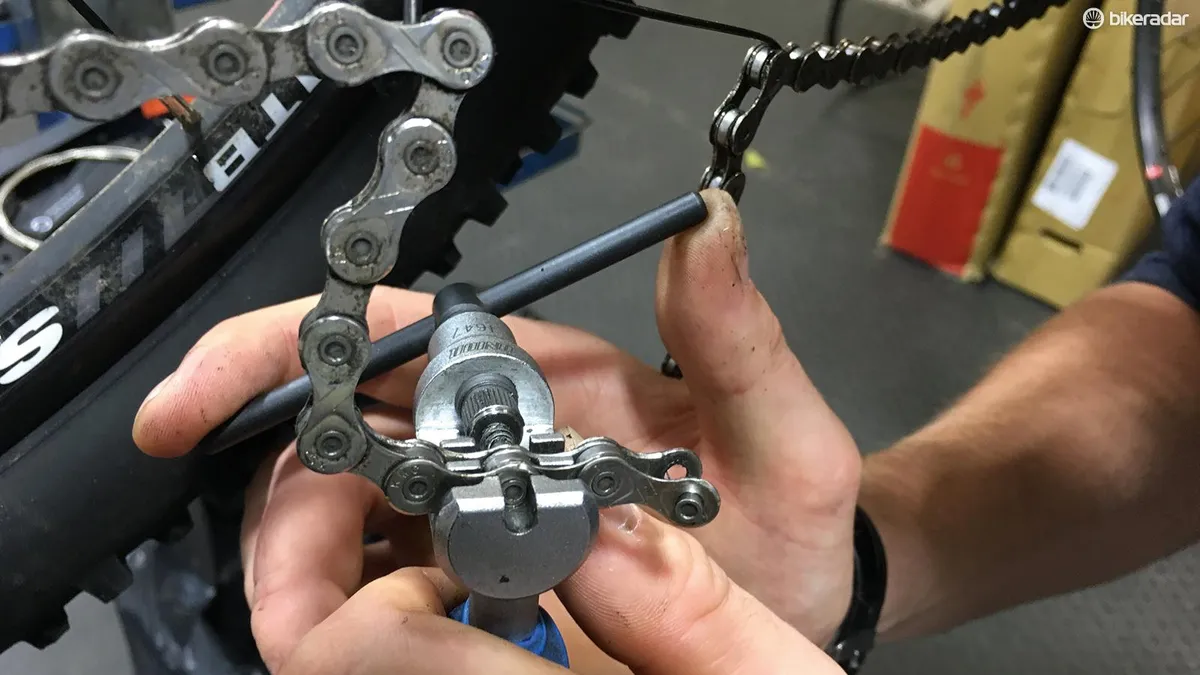
Check the chain for damaged links. A damaged link can cause skipping. Use a chain tool to remove bad links. Replace them with new links. Make sure the chain is the right length. Too long or too short can cause issues. Test the bike after replacing.
Reducing Chain Noise
Reducing chain noise involves checking for proper lubrication and cleaning. Ensure the chain is not too tight. Inspect for worn-out links or sprockets that might need replacement. Regular maintenance keeps the bike running smoothly and quietly, enhancing the riding experience.
Lubrication Tips
Keep your bike chain smooth with proper lubrication. Use a bike-specific oil. Avoid household oils. Apply a small amount on each link. Spin the pedals backward to spread the oil. Wipe off excess oil with a clean cloth. Oil keeps the chain quiet and running well.
Cleaning Techniques
Dirt and grime make chains noisy. Clean your chain regularly. Use a soft brush and warm, soapy water. Gently scrub the chain. Rinse with clean water. Dry it with a towel. A clean chain reduces noise and lasts longer.
Tightening Loose Parts
Check for loose parts if noise persists. Inspect bolts and nuts on your bike. Use a wrench to tighten them. Ensure the chain is not too loose or too tight. A well-adjusted chain runs smoothly and quietly.
Preventive Maintenance
Maintaining your bike chain prevents unexpected breakdowns. Regular cleaning reduces dirt buildup and enhances performance. Checking for wear and proper lubrication ensures smooth rides and extends chain life.
Regular Cleaning
Bike chains collect dirt and grime quickly. Clean them regularly. Use a brush and some degreaser. Wipe the chain with a clean cloth. A clean chain lasts longer. It helps your bike run smoothly.
Routine Inspections
Check your bike chain often. Look for rust or damage. Make sure the chain is not too loose. Tighten if needed. A well-inspected chain is safe. It helps avoid sudden breaks.
Proper Storage
Store your bike in a dry place. Wet areas cause rust. Keep the chain off the ground. Hang your bike if possible. A well-stored bike stays in good condition. It keeps the chain strong and ready to ride.
When To Seek Professional Help
Some bike chain issues are big. A chain might break or snap. This can be very dangerous. Chains that are too loose or too tight cause problems. Listen for strange sounds. Clicking or grinding means trouble. Rusty chains are a big problem too. They wear out fast. Always check your chain for these signs. If unsure, ask a bike expert.
Experts fix bike chains well. They know what to do. They have the right tools. This makes the bike safe to ride again. Expert repairs last longer. It saves money in the long run. They can spot other hidden problems too. A professional check-up is always smart. It keeps your bike running smoothly.

Credit: www.bikeradar.com

Credit: www.wikihow.com
Frequently Asked Questions
Why Is My Bike Chain Not Catching Properly?
Your bike chain may not catch properly due to worn-out gears, misalignment, or insufficient lubrication. Check for damage or dirt on the chain and gears. Adjust the derailleur and ensure proper tension. Regular maintenance can prevent these issues. Consult a professional if the problem persists.
Should I Spray Wd-40 On Bike Chain?
WD-40 is not ideal for bike chains as it lacks proper lubrication properties. It can clean the chain but won’t provide lasting lubrication. Use a dedicated bike chain lubricant for better performance and protection. Regular maintenance with the right products ensures a smooth and long-lasting ride.
Why Does My Chain Skip When I Pedal Hard?
Your chain may skip due to a worn-out chain, cassette, or chainring. Check for proper chain tension. Ensure derailleur alignment and adjust gears correctly. Clean and lubricate the drivetrain regularly to prevent skipping. If issues persist, consider consulting a bike mechanic for a thorough inspection.
What Is Wrong With My Bike Chain?
Your bike chain may be loose, rusty, or dirty, causing poor performance. Check for wear, broken links, or improper lubrication. Regular cleaning and maintenance can prevent issues and extend chain life. If problems persist, consider replacing the chain or consulting a professional.
Conclusion
Solving bike chain issues keeps your rides smooth and enjoyable. Regular checks prevent surprise breakdowns. A clean and lubed chain lasts longer. Adjust your derailleurs for precise gear shifts. Tighten loose links promptly to avoid damage. Use simple tools to fix common chain problems.
Practice helps you fix issues quickly. Keep your bike tools handy for emergencies. A healthy chain boosts biking performance. Enjoy stress-free rides with a well-maintained chain. Remember, a little care goes a long way. Happy cycling!



