
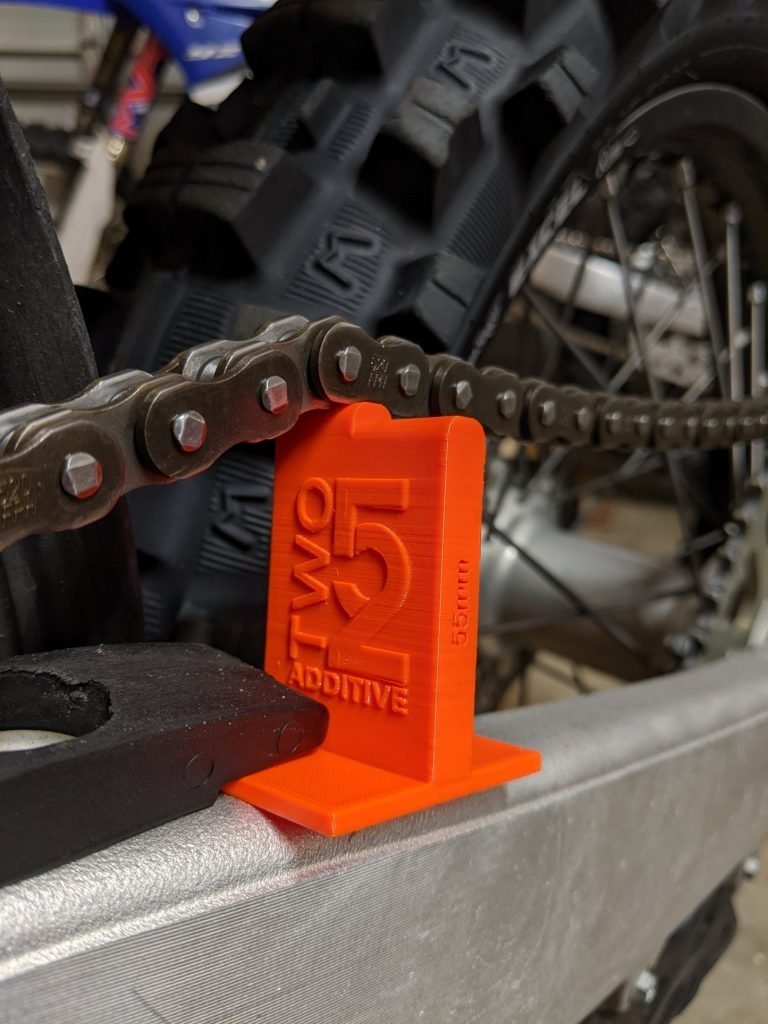
You know that satisfying feeling of a smooth bike ride? It all starts with the right chain tension.
If your bike chain is too loose, you might face annoying skips; too tight, and you’re looking at unnecessary wear and tear. But don’t worry—adjusting your bike chain tension doesn’t require a mechanic’s skills. In this guide, we’ll walk you through the simple steps to get your bike chain just right.
Imagine gliding effortlessly over roads and trails, knowing your bike is in perfect shape. With this guide, you’ll not only learn how to adjust your bike chain tension but also ensure your rides remain smooth and hassle-free. Ready to take your biking experience to the next level? Let’s dive in!

Credit: two52additive.myshopify.com
Why Chain Tension Matters
Bike chain tension is crucial for a smooth ride. Loose chains can slip off while cycling. This might lead to accidents. Tight chains wear down parts quickly. This increases repair costs. Correct tension ensures longer chain life. It prevents unnecessary strain on the bike. Riders face fewer breakdowns with proper tension. Chains need regular checks for safety. Proper tension improves pedaling efficiency. This makes cycling more enjoyable.
Signs Of Incorrect Chain Tension
Loose chains may slip off gears or make rattling noises. Over-tightened chains can lead to excessive wear, causing difficulty in pedaling. Proper tension ensures smooth rides and prolongs the life of the bike components.
Noisy Ride
A bike ride should be smooth and quiet. If your bike chain is too loose or too tight, it can make strange noises. These sounds can be squeaks or clanks. Riding can become unpleasant and annoying. A properly adjusted chain should not make noise.
Chain Slippage
Chain slippage happens when the chain moves off the gears. This can cause sudden stops while riding. The chain might slip on uphill climbs. This is dangerous and can lead to accidents. Proper tension keeps the chain in place.
Gear Shifting Issues
Shifting gears should be easy and smooth. Incorrect chain tension can make gear shifts difficult. You may hear grinding noises while shifting. The gears might not change as intended. Proper chain tension ensures smooth gear shifts.
Tools Needed For Adjustment
A chain checkeris essential. It helps you find the wear on your bike chain. With this tool, you can easily see if the chain needs tension adjustment. It’s a simple device but very important.
A set of wrencheswill help you loosen or tighten bolts. These bolts hold the chain in place. Make sure to have different sizes. Sometimes, you might need a small wrench for tight spots.
A good lubricantkeeps the chain smooth. It reduces friction and helps in easy movement. Apply it carefully to the chain. A well-lubricated chain lasts longer. It also makes the ride smoother.

Credit: two52additive.myshopify.com
Preparation Steps
Begin by ensuring your bike is on a stable surface. Gather necessary tools like a wrench and a cloth. Check the chain for any visible dirt or damage before adjusting tension.
Secure The Bike
Place the bike on a stable surface. Use a bike stand if possible. This keeps the bike from falling. Make sure it won’t move while you work. Safety first!
Clean The Chain
Use a clean rag to wipe the chain. Remove all dirt and old grease. A clean chain works better and lasts longer. You can use a special chain cleaner for this task. Don’t forget to dry it after cleaning.
Inspect For Wear
Check the chain for any visible damage. Look for rust, cracks, or bends. These can cause problems while riding. Replace the chain if it looks worn out. A good chain keeps your ride smooth and safe.
Adjusting Chain Tension On Single-speed Bikes
Proper chain tension ensures smooth riding and prevents wear. Loosen the rear axle, then adjust the wheel position for ideal tension. Secure the axle tightly to maintain the adjustment.
Loosen The Rear Wheel
Begin by loosening the nuts on both sides of the rear wheel. This allows the wheel to move freely in the dropout slots. Ensure the bike is stable while you work. Use a wrench to turn the nuts, but don’t remove them completely. The wheel should be able to slide back and forth easily.
Tighten Or Loosen The Chain
Move the wheel backward to tighten the chain. Slide it forward to loosen the chain. Check that the chain has a little slack, about half an inch. This prevents the chain from being too tight, which can damage the bike. Adjust until the tension feels right.
Recheck Alignment
Ensure the rear wheel is aligned with the frame. It should be straight and centered. Tighten the nuts securely once the alignment is perfect. Spin the wheel to check the chain’s movement. It should move smoothly without any jumps or skips.
Adjusting Chain Tension On Multi-speed Bikes
Bike chain tension adjustment is crucial for smooth rides. Proper tension prevents slipping and ensures efficient pedaling. Regular checks and adjustments keep the chain aligned and in optimal condition.
Use Barrel Adjusters
Barrel adjusters help tweak the bike’s chain tension. They are small knobs on the bike’s gear cables. Turning the barrel adjuster clockwise tightens the cable. This makes the chain tighter. Turning it counterclockwise loosens the cable. This makes the chain looser. It’s a simple way to keep the chain in good shape.
Check Derailleur Alignment
A properly aligned derailleur ensures smooth shifting. Stand behind your bike and look at the derailleur. It should line up with the chain. If it’s bent, adjust it carefully. This keeps the chain from slipping. A straight derailleur helps your bike ride smoothly.
Test Gear Shifting
After adjusting, test the gears. Shift through all the gears slowly. Listen for any noise. If you hear grinding, adjust the barrel again. The chain should move smoothly between gears. This means your tension is perfect. A smooth ride means a happy bike!
Common Mistakes To Avoid
Avoid overtightening the bike chain, as it can cause wear and reduce performance. Ensure the chain is not too loose, which may lead to slipping. Regular checks help maintain the correct tension and extend the chain’s life.
Over-tightening
Over-tightening a bike chain can cause problems. The chain may snap or break. This can damage your bike’s parts. A too-tight chain can also make pedaling hard. Always check the chain tension carefully. It should be just right, not too tight or loose.
Ignoring Chain Wear
Chains wear out over time. Ignoring this can lead to poor performance. A worn chain can slip off the gears. This makes riding unsafe. Always inspect your chain for wear. Replace it when necessary to keep your bike running smoothly.
Neglecting Lubrication
Lubrication keeps the chain working well. A dry chain can rust and wear faster. This reduces the life of the chain. Apply lubricant regularly to prevent rust. This keeps the chain smooth and lasting longer.

Credit: riiroo.com
Maintenance Tips For Longevity
Keep your bike chain clean for a smooth ride. Dirt and grime can harm the chain. Use a soft cloth to wipe it regularly. A clean chain works better and lasts longer. Avoid using water directly, as it can cause rust. Lubricate the chain after cleaning to keep it smooth.
Check your bike chain often. Look for any signs of wear or rust. Ensure the chain is not too loose or too tight. A well-inspected chain avoids unexpected problems. Listen for unusual noises while riding. If you hear any, inspect the chain immediately. Regular checks keep your bike safe.
Change the bike chain when it shows wear. A worn chain can damage other parts. Replace it to maintain bike health. A new chain keeps the bike moving smoothly. Check with a mechanic if unsure about the chain’s condition. Better to replace early than face bigger issues later.
Frequently Asked Questions
How To Properly Tension A Bike Chain?
To tension a bike chain, adjust the rear wheel’s position. Loosen the axle nuts and pull back the wheel. Ensure the chain has a slight slack, ideally 0. 5 inches. Tighten the nuts securely. Check chain tension by pedaling. Repeat if necessary for optimal performance.
How Tight Should My Bike Chain Be?
A properly tightened bike chain should have about half an inch of slack. Ensure the chain moves smoothly without binding. Regularly check tension to prevent wear and ensure optimal performance. Adjust as needed for safety and efficiency.
What Is The Ideal Chain Tension?
Ideal chain tension ensures smooth operation and longevity. Maintain 1-2% sag of the chain’s total length. Regularly check tension to prevent wear and maintain efficiency. Proper tension enhances performance and reduces risk of damage. Always follow the manufacturer’s guidelines for precise adjustments.
Is It Better To Have A Tight Or Loose Chain?
A properly tensioned chain is crucial for optimal performance. Ensure the chain is neither too tight nor too loose. Too tight can cause wear and damage, while too loose may lead to slipping and inefficiency. Regularly check and adjust for safe and smooth operation.
Conclusion
Adjusting bike chain tension is crucial for a smooth ride. It prevents wear and tear. Follow the steps for a safe journey. Regular checks keep your bike in top shape. Proper tension enhances performance. Remember, a well-maintained chain lasts longer.
Practice these tips regularly. Enjoy a safer, more comfortable biking experience. Your bike deserves the best care. Don’t ignore chain maintenance. Make it a habit. Happy cycling, and stay safe on the roads. Your efforts will pay off with a reliable ride every time.



