
Imagine the wind gently brushing against your face as you navigate through the serene beauty of nature. Trail riding offers an exhilarating escape from the hustle and bustle of everyday life.
But to truly enjoy this adventure, mastering the best trail riding techniques is crucial. Whether you’re a seasoned rider looking to sharpen your skills or a beginner eager to explore new paths, these techniques can transform your experience. Are you ready to feel more confident and secure on the trails?
Dive into this guide and discover how you can enhance your riding skills, ensuring each ride is not only safe but also unforgettable. Keep reading to unlock the secrets that will elevate your trail riding to new heights.
Trail Selection
Picking the best trail is key for a fun ride. Flat trails are great for beginners. Hilly paths offer more excitement. Rocky terrains challenge your skills. Look for trails that match your comfort level. Check maps for details. Ask locals for advice. They know the land well.
Trails have different levels of difficulty. Easy trails have smooth paths. Moderate trails have some ups and downs. Hard trails have steep climbs and tricky spots. Check signs at the trail start. They show the difficulty. Start with easy trails. Move to harder ones as you learn more. Always ride with a friend for safety. It makes the journey fun too.
Pre-ride Preparations
Always check your bike before a ride. Make sure the tires are inflated properly. Inspect the brakes to ensure they work well. Check the chain for rust or tightness. Lubricate if needed. Ensure gears shift smoothly. Look for any loose parts. Tighten them up. A well-maintained bike is safe. It makes your ride fun.
| Item | Purpose |
|---|---|
| Helmet | Protects your head |
| Gloves | Keeps hands safe |
| Water Bottle | Stay hydrated |
| First Aid Kit | For small injuries |
| Repair Kit | Fix minor bike issues |
Riding Posture
Balance is important in trail riding. Keep your body centered on the bike. This helps in maintaining control and stability. Bend your knees slightly. This absorbs shocks from rough paths. Hands should be relaxed on the handlebars. This avoids fatigue and keeps you in control.
Body positioning affects bike control. Lean forward when climbing hills. This stops the front wheel from lifting. Lean back while going downhill. This keeps the bike stable and prevents tipping over. Shift your weight to the side while turning. This helps the bike turn smoothly and safely. Adjust your position to match the trail’s demands.
Navigation Skills
Trail maps show paths and landmarks. Understanding symbols is important. A compass rose points north. Colors and lines show trails. Short lines show paths. Long lines show roads. Look for campsites and water sources. Always check the legend. It explains symbols. Maps help you find the best route.
GPS devices show your location. Turn on your device before starting. Set a waypoint at the start. Follow the arrow on the screen. Check your battery often. Zoom in to see details. Zoom out for a big view. GPS helps when maps are hard to read. Stay safe by knowing your location.
Handling Techniques
Mastering trail riding techniques enhances your outdoor experience. Balance and control are key to navigating rough terrains. Focus on steady pace and smooth transitions for a safer, more enjoyable ride.
Cornering Skills
Learn to lean your bike smoothly. Keep your body relaxed while turning. Shift your weight to the outside foot. Look ahead through the corner. Focus on the exit point. Use your knees and elbows to balance. Avoid sudden movements. Start slow and increase speed gradually. Practice on different terrains for better skill.
Braking Strategies
Use both brakes for control. Front brake stops faster. Rear brake helps balance. Brake before the turn. Release brakes as you enter. Don’t lock the wheels. Keep fingers ready on brake levers. Adjust speed early. Stay calm and steady. Practice often to improve skills.

Credit: www.bookhorseridingholidays.com
Overcoming Obstacles
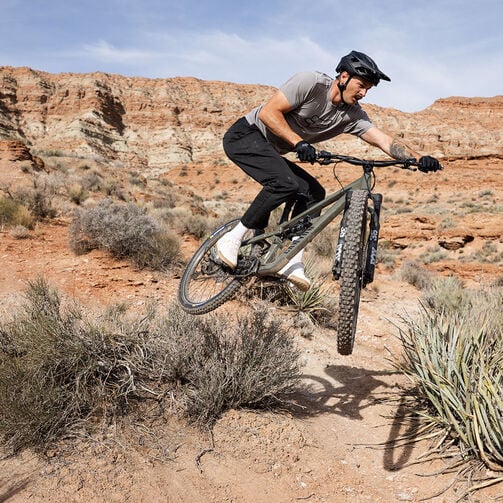
Rocks can be tricky on trails. Always keep your eyes ahead. Look for a path with fewer rocks. Keep your speed steady. Too fast or too slow can be bad. Balance is key. Stand up on your pedals. This helps with balance. Use your legs like shock absorbers. Let your bike move under you. Avoid sudden turns or stops. Rocks can cause slips. Practice makes you better at this.
Steep hills are a challenge. Lean forward as you climb. This keeps your front wheel down. Use a lower gear. It gives you more power. Pedal steadily. Keep a rhythm. Avoid stopping halfway. It’s hard to start again. Stay calm and focused. Look at the top of the hill. This helps you keep going. Practice makes it easier. The more you ride, the better you get.
Safety Measures
Wearing the right gear is very important. Helmets protect your head. Gloves keep your hands safe. Knee pads and elbow pads help avoid scrapes. Sturdy boots shield your feet. Each piece of gear has a job. Always check your gear before riding. Make sure everything fits well. Loose gear can be dangerous. Protective gear can save lives. Safety always comes first.
A first aid kit is a must-have. Keep it handy while riding. Band-aids help with small cuts. Antiseptic wipes clean wounds. Gauze and tape cover bigger injuries. Pain relievers ease discomfort. Tweezers remove splinters. Always know how to use your kit. Practice makes perfect. First aid can help in emergencies. Stay prepared and stay safe.
Credit: duderanch.org
Environmental Considerations
Wildlife is part of nature’s beauty. Riders should not disturb animals. Keep a safe distance from them. They need space to live and roam. Respect their home while enjoying trails.
Leave no trace is key to protecting nature. Stay on marked trails to avoid damage. Do not leave trash behind. Take all rubbish with you. Use reusable water bottles and containers. This helps reduce waste. Nature stays clean when everyone follows these rules.
Improving Skills
Riding on trails needs practice. Try simple drills at first. Balance on your bike is key. Ride slowly in a straight line. Avoid wobbles. Turning is also important. Practice making wide turns. Keep your eyes on where you want to go. Braking should be smooth. Use both brakes gently. Avoid sudden stops.
Experts know many tricks. Watch them ride. Notice their posture on the bike. They keep their bodies relaxed. Listen to their tips. They know how to handle tough trails. Ask them questions. Learn from their experiences. Join a riding group. Ride with others who know more. Improve your skills together.
Credit: www.canyon.com
Frequently Asked Questions
Is A 2 Stroke Or 4 Stroke Better For Trail Riding?
For trail riding, a 4-stroke engine offers smoother power delivery and better fuel efficiency. It provides easier handling for beginners. A 2-stroke engine delivers more power and lighter weight, ideal for experienced riders seeking agility. Choose based on your skill level and riding preference.
What Gear Is Best For Trail Riding?
For trail riding, use a sturdy mountain bike with wide tires for stability. Wear a helmet, gloves, and padded shorts for safety and comfort. Carry a hydration pack, multi-tool, and spare tubes for emergencies. Choose lightweight, breathable clothing suitable for changing weather conditions.
Prioritize quality gear for a better experience.
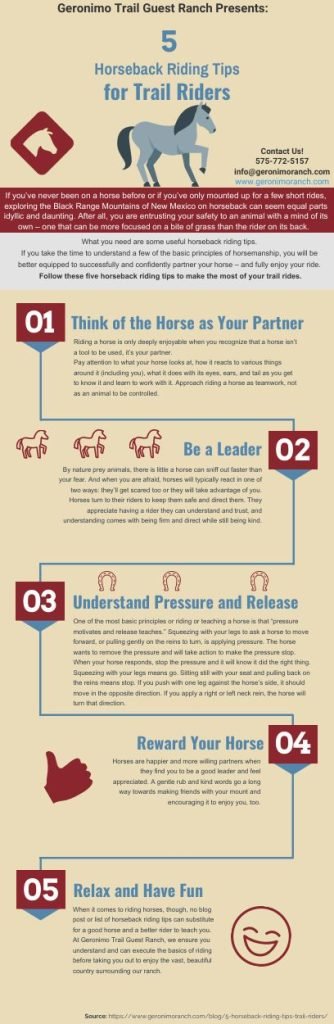
How To Get Your Horse Used To Trail Riding?
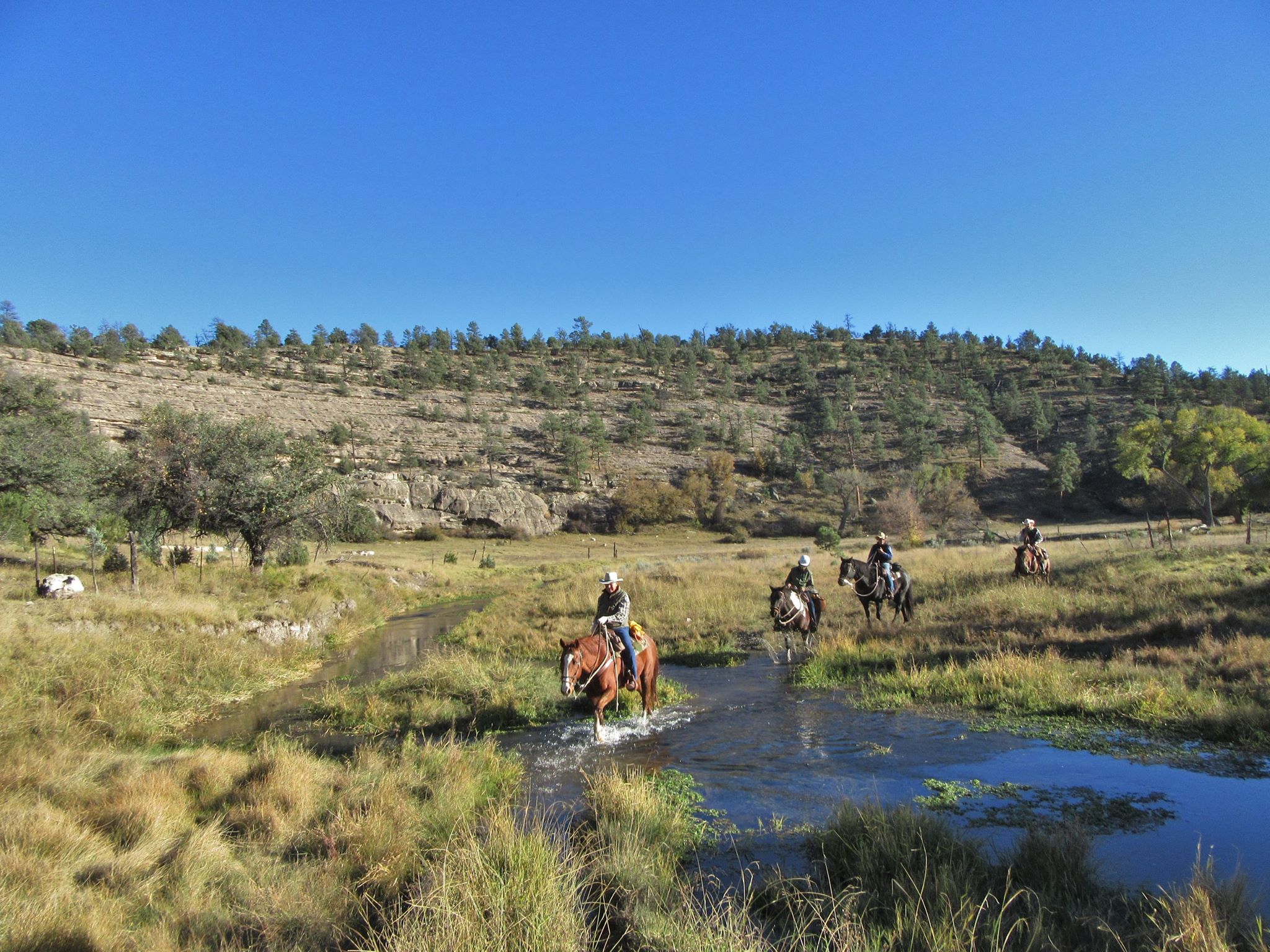
Start with short, familiar trails to build your horse’s confidence. Gradually increase distance and difficulty. Ride consistently and maintain a calm demeanor. Expose the horse to various environments and obstacles. Reward and reassure your horse to create positive experiences.
How To Ride A Dirt Bike Like A Pro?
Master dirt biking by practicing regularly. Focus on balance, throttle control, and body positioning. Learn to corner efficiently and brake smoothly. Start with basic maneuvers, gradually increasing difficulty. Watch expert tutorials for advanced techniques. Always wear safety gear and choose the right dirt bike for your skill level.
Conclusion
Trail riding offers adventure and connection with nature. Practice these techniques regularly. Build confidence as you explore scenic trails. Keep learning and improving your skills. Enjoy the journey, not just the destination. Ride safely and respect the environment. Share your passion with fellow riders.
Experience the thrill of discovering new paths. Feel the wind, hear the sounds of nature. Riding is more than a sport; it’s a way of life. Develop a deeper bond with your horse. Embrace every ride as a new adventure.
Happy trails await every eager rider.



