
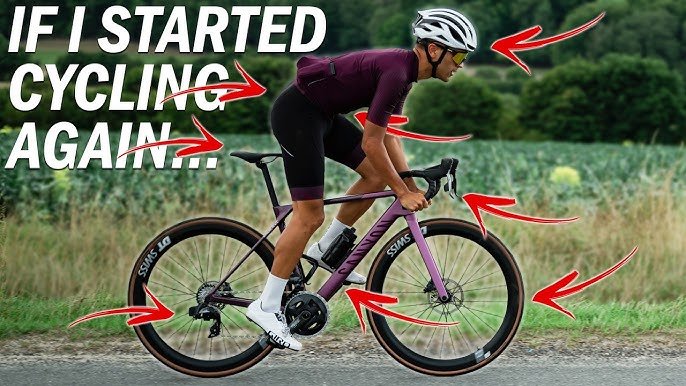
Imagine the thrill of speeding down a scenic road on your bicycle, feeling the rush of wind against your face. But after a while, discomfort creeps in.
Your back aches, your neck feels stiff, and your energy starts to dwindle. Sound familiar? You’re not alone. Many cyclists face these challenges, often without realizing the culprit: poor posture. Mastering the best posture for road cycling can transform your riding experience.
It not only boosts your comfort but also enhances your performance and keeps you injury-free. Curious to find out how a few adjustments can make a world of difference? Stay with us as we unravel the secrets to riding with ease and efficiency. Your next ride could be your best one yet.
Importance Of Cycling Posture
Good posture helps in riding faster. It reduces air resistance. Less resistance means more speed. Cyclists can ride longer. They use less energy. Energy saved is energy gained. Poor posture wastes energy. It makes cycling tiring. Tired cyclists go slower. They stop sooner.
Correct posture prevents pain. It keeps the back straight. Straight backs feel better. Bent backs hurt more. Long rides need comfort. Comfort keeps cyclists happy. Happy cyclists ride longer. Poor posture can cause injuries. Injuries stop cycling fun. Stay healthy, ride correctly.
Credit: www.gorewear.com
Components Of Ideal Cycling Posture
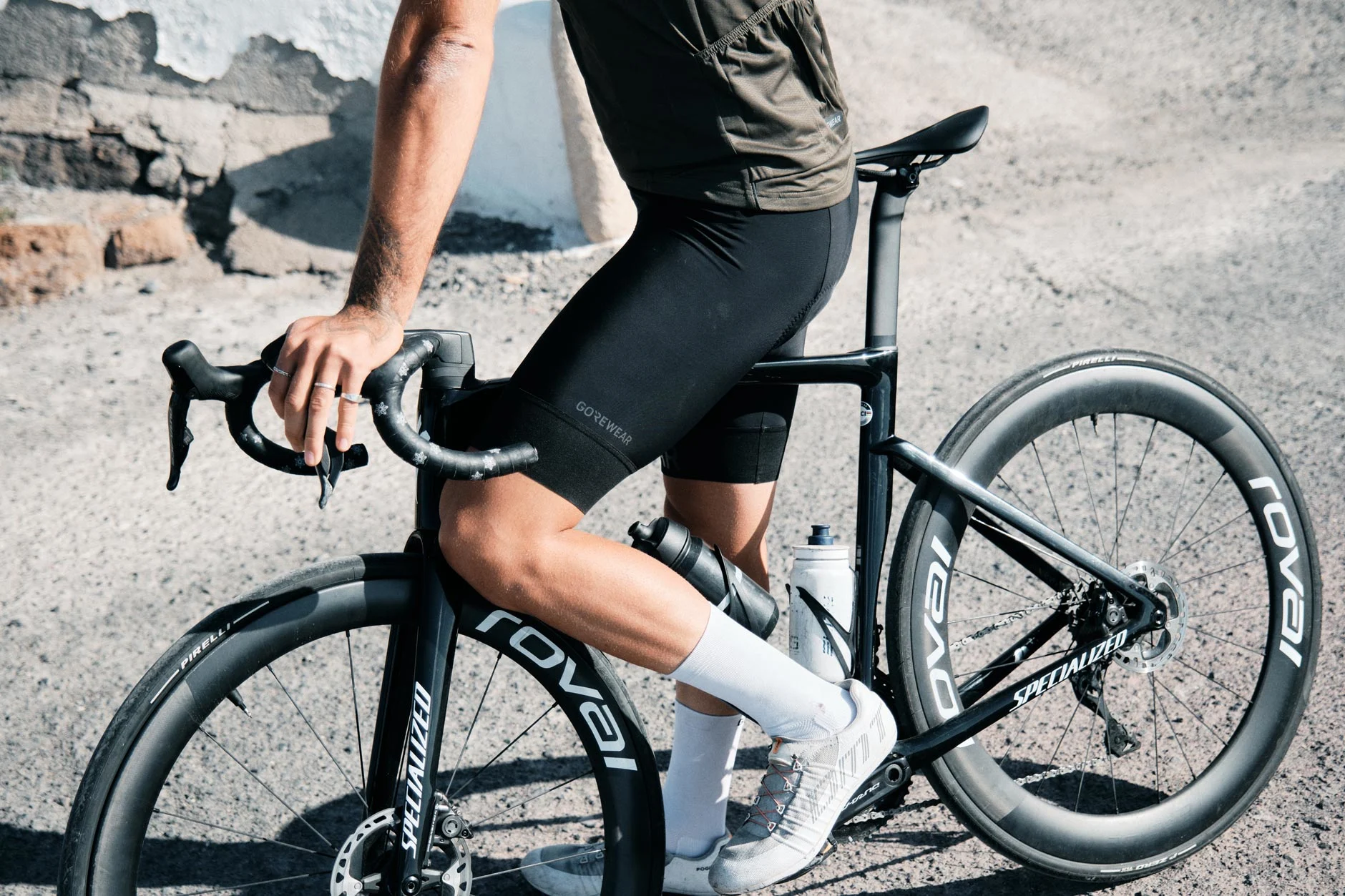
Proper cycling posture enhances comfort and speed. Align your back straight and relax shoulders. Keep elbows slightly bent and hands gently on the handlebars for optimal control.
Head And Neck Alignment
Keep your head straight. Look ahead with eyes. The neck should be relaxed. Avoid stiffness. This helps balance and focus.
Shoulder Positioning
Relax shoulders. Keep them down. Avoid hunching. This prevents tension and discomfort. It aids in smooth riding.
Back And Spine Curvature
Your spine should be neutral. Avoid bending too much. A slight curve is okay. This supports the body and reduces strain.
Hip And Pelvis Orientation
Hips should be level. Keep pelvis steady. This maintains balance. It promotes efficient pedaling. Avoid tilting.
Leg And Knee Placement
Position knees close to the bike frame. Keep them aligned. This boosts pedal power. It reduces injury risk.
Foot And Ankle Position
Place feet flat on pedals. Ankles should be flexible. This provides control. It helps in smooth pedal strokes.
Adjusting Bike Fit For Optimal Posture
Having the right saddle heightis crucial for comfort. Too high or too low can cause pain. Your knee should be slightly bent at the bottom of the pedal stroke. This helps in avoiding strain. The saddle position also matters. It should be level, not tilted. This keeps your body balanced.
Handlebars should be at the right height. Not too high, not too low. This ensures a comfortable reach. The distance from the saddle should suit your arm length. Your back should be slightly bent. This helps in reducing wind resistance. Keep your grip relaxed, not too tight.
Correct pedal positionhelps in power transfer. Align the ball of your foot over the pedal axle. Cleats should be positioned to match your natural foot angle. This prevents knee pain. Make sure cleats are secure, not loose. This ensures safety while cycling.

Credit: www.instagram.com
Common Posture Mistakes
Cyclists often arch their backs too much. This can lead to pain. A straight back is best. It helps you ride longer. Bending too much hurts the spine. Keep a neutral spine for comfort. Practice stretching before rides. This keeps your back flexible.
Many cyclists tense their shoulders. This causes stiffness. Relaxed shoulders help you ride better. Keep your arms loose. Avoid gripping the handlebars too tightly. Loose arms reduce fatigue. Check your shoulders often. Make sure they stay relaxed.
The saddle height affects your ride. If too high, it strains your legs. If too low, it hurts your knees. Adjust the saddle to your hip level. This helps with balance. A well-set saddle improves comfort. Test different heights if unsure.
Exercises To Improve Cycling Posture
Strengthening your core muscles can enhance road cycling posture. Stretching exercises like cat-cow and hip flexor stretches improve flexibility. Consistent practice helps maintain a comfortable and efficient riding position.
Core Strengthening
Building a strong coreis key for good cycling posture. Try planks and sit-ups. These exercises help keep your body stable on the bike. A strong core prevents back pain and improves balance. Do these exercises every day for best results.
Flexibility And Stretching
Stretching keeps muscles flexible and healthy. It helps avoid injuries while cycling. Focus on hamstrings and calves. These muscles work hard during a ride. Stretching makes them flexible and ready for action. Always stretch after a ride to relax your muscles.
Balance And Stability Drills
Balance is important for safe cycling. Practice standing on one foot. It improves your stability on the bike. Another good drill is the yoga tree pose. It helps with concentration and balance. These drills make you a more stable cyclist.
Benefits Of Correct Cycling Posture
Good posture helps you pedal faster and smoother. It reduces wind resistance, making you quicker. Your muscles work more efficiently with the right posture. You can ride longer without getting tired. Keep your back straight and your elbows slightly bent. This makes a big difference in speed and stamina.
Correct posture keeps your body safe from harm. It reduces strain on your neck and back. Your knees and hips move better with proper alignment. This helps to avoid painful injuries. Always adjust your bike to fit your body well. A good fit makes all the difference.
Proper posture means a more comfy ride. Your hands, wrists, and bottom feel less pressure. You can enjoy cycling for hours without aches. A comfortable ride makes cycling more fun. Good posture also lets you enjoy cycling for many years. Take care of your body and your bike.

Credit: www.gorewear.com
Frequently Asked Questions
What Is The Best Posture For Road Cycling?
Maintain a relaxed upper body with a slight bend in the elbows. Keep your back straight and core engaged. Align knees with pedals for efficient power transfer. Ensure a proper saddle height to prevent strain. Adjust handlebars to a comfortable reach to avoid neck and shoulder tension.
Is It Better To Sit Or Stand While Cycling?
Both sitting and standing have benefits while cycling. Sitting conserves energy on flat terrains. Standing provides power and control during climbs. Choose based on terrain and personal comfort for optimal performance. Mixing both can enhance your cycling experience and efficiency.
Should Arms Be Straight On A Road Bike?
Arms should be slightly bent on a road bike. This position absorbs shocks and improves control. Keeping arms straight can lead to discomfort and reduce maneuverability. Adjust your handlebars and seating for optimal comfort and performance. Proper posture enhances your cycling experience and reduces strain.
Should My Back Be Straight When Cycling?
Keep your back relaxed and slightly bent while cycling. This posture reduces strain and improves comfort. A straight back can cause discomfort and limit flexibility. Adjust bike settings for a natural posture, ensuring proper alignment. Prioritize comfort to enhance performance and prevent injuries during cycling.
Conclusion
Finding the best posture improves your cycling experience. Comfort and efficiency matter most. A correct posture reduces strain and boosts performance. Practice makes perfect, so keep adjusting and learning. Listen to your body’s signals during each ride. Small tweaks make a big difference over time.
Prioritize your well-being on the road. Stay safe and enjoy the ride ahead. Happy cycling!



