
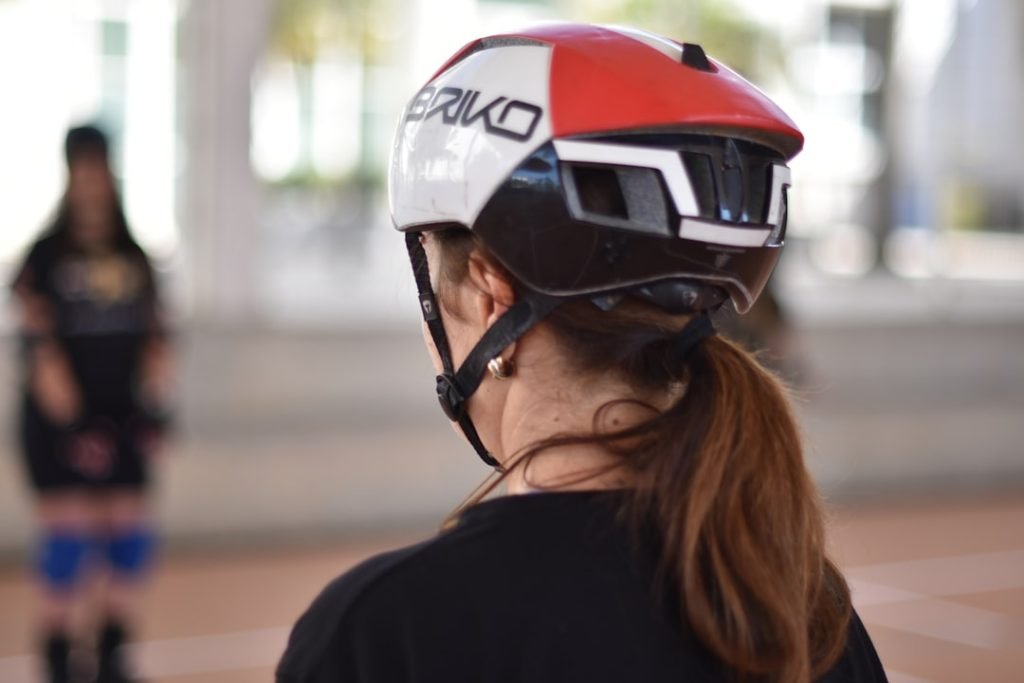
Imagine cruising down the road on your bike, the wind in your hair, and the thrill of freedom at your fingertips. But have you ever paused to consider the potential risks?
Wearing a helmet might not seem like the most exciting part of your ride, yet it could be the most crucial decision you make. Did you know that a simple helmet could be your best defense against serious injuries? You might be surprised at how much power this one piece of gear holds.
By choosing to wear a helmet, you’re not just protecting your head—you’re investing in your safety, confidence, and peace of mind. Stay with us as we delve into the compelling benefits of wearing a helmet, and discover how this small change can make a world of difference for you and your loved ones.
Importance Of Helmet Safety
Helmets protect your head from injuries. They help during accidents. A helmet can save your life. They are made of strong materials. This keeps your head safe. Kids and adults should wear them. Many people get hurt without a helmet. It is important to wear one every time. Safety should always come first.
Helmets come in many sizes and colors. Choose one that fits well. It should not be too tight or too loose. A good helmet feels comfortable. It should cover your forehead. Straps should always be fastened. This keeps the helmet in place. Riding bikes or skateboards needs helmets too.
Protection Against Head Injuries
Helmets provide a strong layer of protection for your head. This reduces the risk of injuries. Serious accidents can happen anytime. A helmet helps prevent head trauma. It acts like a shield. Safety first is always the best choice.
Traumatic brain injuries are serious. Helmets can lower this risk. They absorb the impact during accidents. This keeps your brain safer. Wearing a helmet is smart. It makes a big difference.
Skull fractures can be dangerous. Helmets help in preventing these fractures. They have a hard shell. This shell protects your skull from breaking. Always wear a helmet while riding. It can save your life.
Enhancing Visibility
Bright colors make helmets easy to see. They help drivers notice you. Yellow, orange, and red stand out the most. These colors catch the eye quickly. Choose colors that pop. It keeps you safe on the road. Bright helmets reduce accidents. They help everyone see you better. Visibility is key for safety. Bright colors make a big difference.
Reflective materials shine in the dark. They bounce back light from cars. This helps drivers spot you at night. Reflective strips are useful on helmets. They add extra safety. Night rides need special care. Reflective gear is important. It keeps you visible. It’s crucial to use reflective helmets. They ensure you stay seen. Safety is important in low light. Reflective materials are a smart choice.
Weather Protection
A helmet can be a shield. It protects from rain. Keeps your head dry. Sun can be harsh. Helmets block direct sunlight. This keeps your head cool. No sunburns on scalp.
Rain can make riding difficult. Wet hair and face are uncomfortable. Helmets keep rain away. Riding becomes more pleasant. You stay focused on the road. Safer rides.
Helmets help with temperature control. In cold weather, they provide warmth. Keeps head warm and cozy. In summer, helmets have vents. They allow air flow. Keeps head cool and fresh.
Temperature control is important. It helps in long rides. You stay comfortable. Less distraction means safer rides. Helmets make riding more enjoyable. They are a good investment.
Legal Requirements
Helmet laws keep everyone safe on the road. Each country has its own rules. Some places require helmets for all riders. Others only require them for children. Knowing the laws helps avoid trouble. Helmets save lives and prevent injuries. They are important for safety. Always check the local helmet rules. Being informed is smart and safe.
Not wearing a helmet can lead to fines. It also increases risk. In some places, you may lose points on your license. Safety is important. Helmets protect your head and brain. Penalties can be serious. Always wear a helmet to avoid problems. Riding safe is the best choice.

Credit: www.skypowersportslakeland.com
Choosing The Right Helmet
A helmet must fit snugly on the head. Loose helmets can slide around. This is not safe. Use a tape to measure your head. Measure it above your eyebrows. Always try helmets before buying them. Padding inside should touch your head all around. Straps should be tight but comfortable. You should always fasten the buckle. A well-fitting helmet protects better in accidents.
Different helmets suit different activities. Bike helmets are for cycling. Skating helmets cover more of the back of the head. Motorcycle helmets are heavier and cover the whole head. Choose a helmet that suits your activity. It should be certified for safety. Look for safety labels inside. A stylish helmet is nice, but safety comes first. Always pick the safest option.
Maintenance And Care
Wearing a helmet protects the head during accidents, reducing the risk of serious injuries. Helmets provide comfort and security, encouraging safer riding practices. Regular maintenance ensures longevity, keeping the helmet effective and reliable for every ride.
Regular Cleaning
Helmets protect our heads. To keep them working well, clean them often. Use a soft cloth and mild soap. Gently wipe the outside of the helmet. Keep it free from dust and dirt. Remove the padding inside. Wash it with cold water. Let it dry naturally. This helps it last longer.
Checking For Damage
Always check your helmet for cracks or dents. Small damage can make it unsafe. Feel for any loose parts. If straps are worn, replace them. Look at the foam inside. It should not be crushed. Make sure the helmet fits well. If it doesn’t, adjust it. Or get a new one. Safety is very important.
Helmet Innovations
Helmets today use advanced materialsfor better protection. These materials are light and strong. Carbon fiber and polycarbonate are popular choices. They help absorb impacts more effectively. This means more safetyfor your head. Advanced materials also make helmets more comfortable.
A light helmet doesn’t strain your neck. This makes wearing it easier for long rides. So, modern helmets are both safe and comfortable.
Smart helmets have cool tech features. They can connect to your phone. Some helmets have built-in speakers. This allows you to listen to music or calls. Other helmets may have sensors. These can detect falls and send alerts. A few helmets come with GPS systems.
You can track your routes easily. Smart helmets can also have LED lights. These lights help others see you in the dark. Safety and technology meet in these helmets.
Promoting Helmet Use
Community campaigns help people learn about helmet safety. These campaigns show how helmets protect the head. Local leaders can share stories to make people listen. Posters and banners remind everyone to wear helmets. Schools can give stickers with helmet messages. Radio ads can talk about helmet benefits. Street plays show how helmets save lives. These methods make people think about safety.
Schools can teach kids why helmets are important. Teachers show how helmets reduce head injuries. Kids learn by watching videos about helmet use. Class activities can make learning fun. Parents can join lessons too. This way, everyone knows helmets matter. Safety quizzes can test what students learn. Prizes for right answers encourage learning. These programs help kids understand safety.
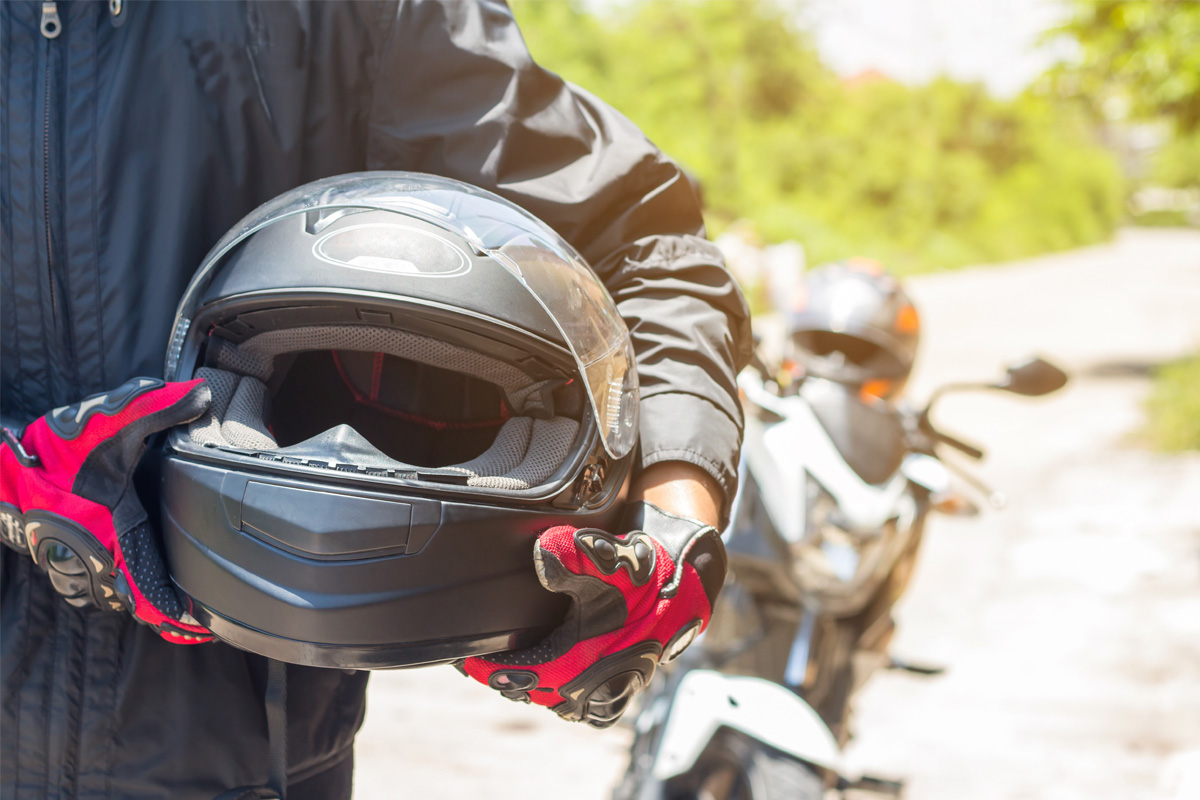
Credit: www.advantagehcs.com

Credit: www.facebook.com
Frequently Asked Questions
What Is The Advantage Of A Helmet?
A helmet offers crucial protection, reducing the risk of head injuries during accidents. It increases safety for bikers and cyclists. Helmets also provide comfort, shield against weather elements, and enhance visibility with reflective designs. Wearing one is a simple way to prioritize safety and ensure peace of mind.
Why Do Doctors Ask If You Wear A Helmet?
Doctors ask if you wear a helmet to assess head injury risk. Helmets protect against serious head trauma during accidents, helping in accurate diagnosis and treatment. Wearing a helmet can prevent severe injuries and complications, ensuring better health outcomes. Prioritizing safety by wearing helmets is crucial for your wellbeing.
How Does A Helmet Help You?
A helmet protects your head by absorbing impact during accidents. It reduces the risk of serious injuries and saves lives. Helmets shield against debris and harsh weather conditions, ensuring a safer ride. Always wear a certified helmet for maximum protection and safety.
Why Wear A Helmet Always Use Your Brain?
Wearing a helmet protects your head during accidents, reducing injury risk and saving lives. Prioritize safety always.
Conclusion
Wearing a helmet is essential for safety. It protects your head during accidents. Helmets reduce the risk of serious injuries. They provide peace of mind while riding. A good helmet fits well and is comfortable. It can save lives and prevent trauma.
Investing in a quality helmet is wise. Always choose a certified helmet for best protection. Encourage others to wear helmets too. Safety should always come first. Stay safe, wear a helmet, and enjoy the ride. Make helmet-wearing a habit for everyone.
Simple steps can make a big difference. Protect yourself and those you love.



