
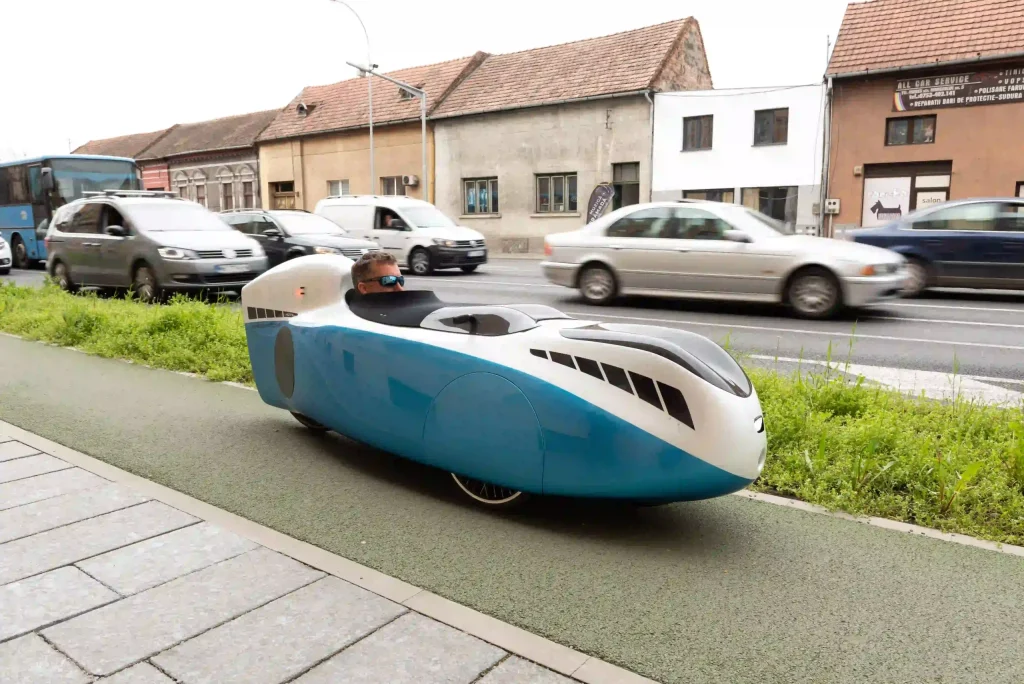
Have you ever wondered if velomobiles can keep you dry when the rain starts pouring? If you’re considering one for your daily rides, knowing whether your velomobile is waterproof is crucial.
Imagine cruising through a sudden downpour without worrying about getting soaked or your gear getting ruined. You’ll discover how velomobiles handle water, what to expect during wet weather, and simple tips to stay comfortable no matter the forecast. Keep reading to find out if your velomobile can truly protect you from the rain.

Credit: www.hammacher.com
Velomobile Design And Materials
Velomobiles are enclosed human-powered vehicles. Their design focuses on aerodynamics and protection. Materials and sealing affect how well they keep water out.
Understanding the materials and techniques used helps to know if a velomobile is waterproof. This guide covers common shell materials, sealing methods, and drainage systems.
Common Shell Materials
Velomobiles use strong and light materials for the shell. These materials resist water and damage. Common choices include:
- Fiberglass: A popular, lightweight material that is water-resistant.
- Carbon Fiber: Strong and light, but costlier than fiberglass.
- Plastic Composites: Durable and often molded to shape.
- Aluminum: Used in some frames, but less common for shells.
Sealing Techniques
Sealing prevents water from entering the velomobile. Good seals use rubber gaskets and tight fittings around openings. Common sealing methods include:
- Rubber Gaskets: Flexible strips that block water at doors and hatches.
- Adhesive Sealants: Applied in joints to fill gaps and cracks.
- Overlapping Panels: Design that lets water run off without entering.
- Waterproof Zippers: Used on fabric covers or vents.
Drainage Systems
Drainage systems remove water that gets inside. These systems stop water from pooling and causing damage or discomfort. Common drainage features include:
| Drainage Feature | Description |
| Drain Holes | Small openings at low points to let water escape. |
| Channels | Built-in paths that guide water away from the rider. |
| Water Traps | Areas designed to collect water and direct it out safely. |
| Removable Plugs | Plugs that close drains for dry riding and open them to drain water. |
Waterproof Features
Velomobiles are designed to protect riders from rain and wet conditions. Their waterproof features help keep the inside dry during wet weather. These features include seals, covers, and ventilation systems.
Understanding these waterproof features helps riders know what to expect and how to maintain their velomobile in rainy weather.
Weather Seals And Gaskets
Weather seals and gaskets are placed around doors and openings. They stop water from leaking inside the velomobile. These parts are made from rubber or similar materials that do not let water pass through.
Good seals keep the cabin dry even in heavy rain. They also help reduce wind and noise while riding.
Canopies And Covers
Canopies and covers protect the rider from rain and splashes. They are usually made from hard plastic or lightweight materials. These covers fit tightly to block rain from getting inside.
- Hard canopies provide strong protection
- Soft covers can be removed or opened easily
- Some covers have windows for visibility
Many velomobiles have canopies that lock in place to ensure no water enters during rides.
Ventilation And Moisture Control
Good ventilation prevents moisture build-up inside the velomobile. Moisture can come from the rider’s breath or wet clothes. Ventilation systems allow fresh air to flow and dry the cabin.
Some velomobiles use small vents with covers. These vents let air in but keep rain out. This balance helps keep riders comfortable and the interior dry.
Limitations And Vulnerabilities
Velomobiles offer protection from wind and light rain. Still, they have limits in wet conditions. Understanding these limits helps riders stay safe and dry.
This section explains where water can enter, how heavy rain affects them, and what wear and tear means for waterproofing.
Potential Leak Points
Velomobiles have parts that can let water inside. Seals around doors and windows may not be perfect. Small cracks or gaps in the frame also allow leaks.
- Door seals may weaken over time.
- Window edges can let water seep in.
- Frame joints might develop small cracks.
- Air vents are often not fully sealed.
- Attachment points for accessories can leak.
Effect Of Heavy Rain
Heavy rain tests the waterproofing of velomobiles. Water can pool on the surface and find weak spots. Intense rain may overwhelm drainage systems, leading to leaks inside.
| Rain Intensity | Impact on Velomobile |
| Light Rain | Usually no leaks, good protection |
| Moderate Rain | Possible minor leaks at seals |
| Heavy Rain | Risk of water pooling and leaks |
| Storms | High chance of water intrusion |
Wear And Tear Impact
Over time, materials wear out. This reduces waterproof ability. Riders should check parts often to keep the velomobile dry and safe.
Common wear and tear effects include:
- Cracked seals that let water in
- Faded or damaged paint that allows rust
- Loose fittings around doors and windows
- Worn drainage channels that clog easily

Credit: www.velomobileworld.com
Rider Preparation For Wet Conditions
Riding a velomobile in the rain needs some planning. Staying dry and safe helps you enjoy your ride.
Good preparation means choosing the right clothing, packing carefully, and knowing safety tips.
Clothing And Gear Tips
Wear waterproof clothes to keep dry and warm. Choose items that let air flow so you don’t get too hot.
- Use a waterproof jacket with a hood
- Wear waterproof pants or rain chaps
- Protect your hands with waterproof gloves
- Use waterproof shoes or shoe covers
- Wear a helmet with a clear visor for rain
- Consider bright or reflective gear for visibility
Packing Waterproof Storage
Keep your items dry by packing them in waterproof bags or containers. This protects your clothes, electronics, and food.
| Item | Storage Tip |
| Phone | Use a sealed waterproof pouch |
| Clothing | Pack in dry bags or plastic zip locks |
| Food | Store in waterproof containers or bags |
| Documents | Keep in a waterproof folder or case |
Safety Considerations
Wet roads can be slippery. Use extra caution to stay safe during wet rides.
- Check your brakes before riding
- Slow down on wet or slick surfaces
- Use lights and reflectors to be seen
- Avoid sudden turns or stops
- Watch for puddles and slippery leaves
Maintenance For Weatherproofing
Velomobiles are designed to protect riders from rain and wind. Keeping them weatherproof needs regular care. Proper maintenance stops water from getting inside.
Small problems like cracks or loose seals can cause leaks. Checking these parts often helps keep your velomobile dry and safe.
Inspecting Seals Regularly
Seals around doors and windows block water from entering. Look for cracks, tears, or areas where the seal comes loose. Check seals every few weeks, especially after bad weather.
- Run your fingers along all seals to feel for gaps
- Look for hard or brittle parts that may break
- Check where seals meet the frame for looseness
- Listen for wind noise while riding, which may mean leaks
Cleaning And Drying Procedures
Keeping your velomobile clean helps seals last longer. Dirt and grime can wear out weatherproof materials. Clean both the outside and inside carefully.
| Cleaning Step | Tools Needed | Tips |
| Rinse with water | Garden hose or bucket | Use gentle water pressure |
| Wipe seals | Soft cloth or sponge | Avoid harsh soaps or chemicals |
| Dry thoroughly | Dry towel or air dry | Remove all moisture to prevent mold |
Repairing Leaks
Small leaks can grow if not fixed quickly. Use weatherproof tape or sealant to cover cracks. Replace seals that are damaged beyond repair.
- Locate the exact spot of the leak by looking for water or dampness
- Clean the area before applying tape or sealant
- Press tape firmly and smooth out bubbles
- Allow sealant to dry as per instructions
- Test by spraying water gently to check for leaks
Comparing Velomobiles To Other Vehicles
Velomobiles are human-powered vehicles with a shell for protection. They offer some weather coverage that regular bikes do not have. Comparing them to other vehicles helps us see how well they handle rain and wet conditions.
This comparison looks at bicycles, electric bikes and scooters, cars, and motorcycles. Each vehicle type has different ways to deal with wet weather and water protection.
Bicycles In Wet Weather
Bicycles do not have any cover to protect the rider from rain. Riders wear rain jackets and use fenders to reduce water spray. Bikes can get slippery and harder to control when wet.
Wet roads increase the risk of accidents for cyclists. Water can damage bike parts if not cleaned and dried after rides. Bikes need more care after riding in rain.
Electric Bikes And Scooters
Electric bikes and scooters often have some water resistance but are not fully waterproof. Water can damage batteries and electrical parts if exposed too much. Riders should avoid deep puddles and heavy rain.
Some models come with sealed parts to protect electronics. Still, riders should take care to keep their electric vehicles as dry as possible.
Cars And Motorcycles
Cars are fully waterproof and keep passengers dry inside. They have sealed windows and doors that block rain completely. Cars can drive safely in heavy rain and puddles without damage.
Motorcycles do not have full protection like cars. Riders wear rain gear and use windshields for some cover. Motorcycles can get wet, and riders feel the rain more than in cars or velomobiles.
User Experiences And Reviews
Many riders want to know if velomobiles keep them dry. Riders share their stories about rainy rides. These experiences help others decide about velomobiles and water protection.
Velomobiles usually have good water resistance. Still, some riders face challenges with water leaks or dampness. Listening to real user reviews shows what to expect on wet days.
Common Rider Feedback
Many riders say velomobiles stop most rain from getting inside. The shell often acts like a shield. Some note water pools on the outside but stays out inside.
Some riders report small leaks near seals or windows after heavy rain. Others say condensation builds up inside during cold weather. These issues vary by model and maintenance.
- Most riders stay dry in light to moderate rain
- Heavy rain may cause minor leaks in some models
- Condensation inside is common in cold weather
- Regular maintenance reduces water problems
Tips From Experienced Riders
Experienced riders suggest checking seals regularly. They advise cleaning drains and vents often. Keeping parts tight helps keep water out during rides.
Some riders recommend using waterproof seat covers or liners. Others suggest wearing waterproof clothing as a backup. These tips add extra protection on wet days.
- Inspect and replace worn seals frequently
- Clean water drains and vents to avoid clogging
- Use waterproof seat covers for comfort
- Wear waterproof gear for added dryness
- Store velomobile in dry place when not in use
Weatherproofing Hacks
Some riders add extra weatherproofing with simple hacks. Applying silicone spray on seals improves water resistance. Adding rubber strips around doors helps seal gaps.
Using a waterproof cover when parked protects the velomobile. Some riders install small fans to reduce inside moisture. These hacks help keep the interior dry and comfortable.
- Apply silicone spray to rubber seals
- Attach rubber strips to door edges
- Use waterproof cover when parked outside
- Install small fans to reduce condensation
- Check for and fix small cracks or holes

Credit: www.hammacher.com
Frequently Asked Questions
Are Velomobiles Fully Waterproof In Heavy Rain?
Most velomobiles offer excellent water resistance but may not be fully waterproof in heavy rain. Seals and materials keep water out, but prolonged exposure can cause minor leaks, especially around seams and vents.
Can Water Enter A Velomobile’s Cockpit?
Water can enter the cockpit through ventilation openings or poorly sealed doors. However, most models have drainage systems to prevent water buildup inside, keeping riders relatively dry during wet conditions.
How Do Velomobiles Handle Water Drainage?
Velomobiles usually have built-in drainage holes to remove any water that enters. These help prevent water accumulation, ensuring comfort and safety by keeping the interior dry during and after rainfall.
Are Velomobiles Better Than Bicycles In Wet Weather?
Yes, velomobiles provide better protection from rain compared to standard bicycles. Their enclosed design shields riders from wind and rain, making wet weather rides more comfortable and less tiring.
Conclusion
Velomobiles offer impressive protection against rain and splashes. Their design features waterproof materials. Riders stay dry in moderate rain. But heavy downpours may challenge them. Maintenance is essential for optimal waterproofing. Regular checks ensure seals and joints remain intact. It’s wise to test your velomobile in varying conditions.
This prepares you for unexpected weather. Choose wisely based on your local climate. Comfort and functionality depend on it. Understanding your velomobile’s limits ensures a better riding experience. Stay informed, stay dry, and enjoy your journeys.



