

Have you ever wondered if a velomobile could be the perfect ride for your daily trips? These sleek, enclosed bikes promise speed, comfort, and protection from the weather.
But are they truly practical for your lifestyle? You’ll discover the real benefits and challenges of owning a velomobile. By the end, you’ll know if this unique vehicle fits your needs—and whether it’s worth making the switch. Keep reading to find out if a velomobile is the game-changer you’ve been searching for.
What Are Velomobiles
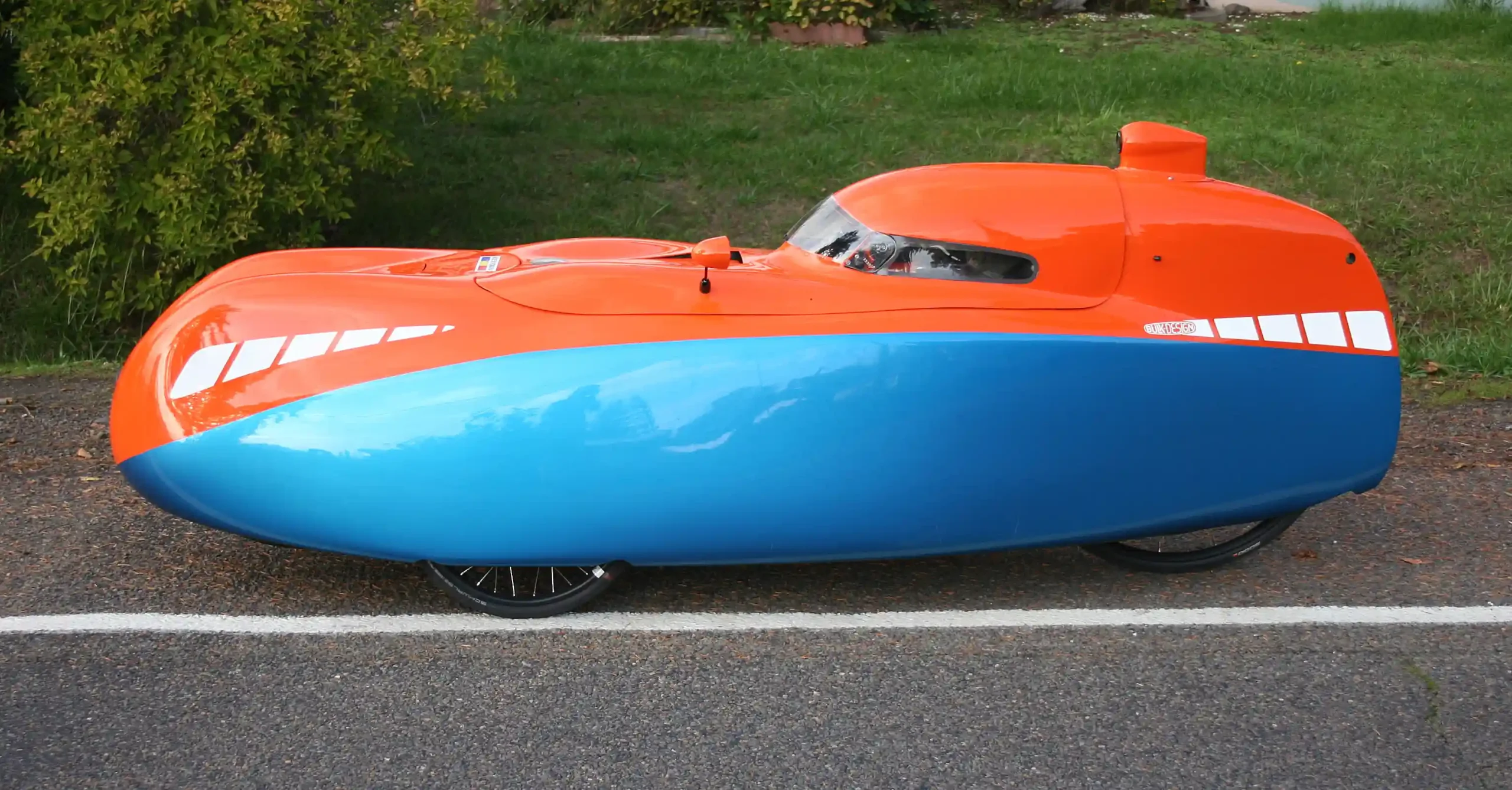
Velomobiles are human-powered vehicles with a shell. They look like bikes but have a full body cover.
This cover helps with speed and weather protection. Velomobiles combine cycling with some car features.
Design And Structure
Velomobiles have three or four wheels. The body is made from lightweight materials like fiberglass or carbon fiber.
The shape is aerodynamic to reduce air resistance. Inside, there is space for one or two riders.
- Enclosed shell for weather protection
- Pedals and chain drive like a bike
- Steering system similar to bicycles or trikes
- Usually low to the ground for stability
How Velomobiles Work
The rider pedals to move the vehicle forward. The shell cuts wind drag, making it easier to ride fast.
Many velomobiles have gears to help with hills and speed control. Some models include lights and mirrors.
| Feature | Purpose |
| Enclosed body | Protects from rain and wind |
| Three or four wheels | Improves balance and stability |
| Pedals | Power source from rider |
| Aerodynamic shape | Reduces air resistance |
Types Of Velomobiles
There are several types based on use and design. Some focus on speed, others on comfort or cargo space.
- Sport velomobiles with light frames and sleek designs
- Touring models with room for luggage
- Utility velomobiles for carrying goods or passengers
- Electric-assisted versions with motors for extra help
Credit: www.velomobileworld.com
Eco Benefits Of Velomobiles
Velomobiles are a type of human-powered vehicle that offers many eco-friendly benefits. They use less energy and create little pollution.
These vehicles are practical for short trips and commuting. They help reduce environmental impact while providing efficient transport.
Reduced Carbon Footprint
Velomobiles produce almost no carbon emissions when used. They rely on human power, which means no fossil fuels burn.
Using a velomobile lowers your personal carbon footprint. It reduces the pollution caused by cars and motorcycles.
Energy Efficiency
Velomobiles need far less energy to move than cars. Their aerodynamic design helps reduce air resistance.
This design means riders use less effort to travel the same distance. Velomobiles convert human energy into motion very efficiently.
Sustainability Compared To Cars
Velomobiles require fewer resources to build and maintain than cars. They use less metal, plastic, and energy in production.
They also need less space for parking and cause less road wear. This makes them a more sustainable choice for transport.
Performance And Speed
Velomobiles combine human power with streamlined shapes. This design helps them move fast with less effort.
Their speed and performance depend on how well they reduce air resistance and how they compare to other vehicles.
Aerodynamics And Design
Velomobiles have sleek, enclosed bodies that cut through the air. This lowers drag and helps riders go faster.
- Streamlined shape reduces wind resistance
- Lightweight materials improve speed
- Enclosed design protects riders from weather
- Low center of gravity increases stability
Speed Compared To Bicycles And Cars
Velomobiles are faster than regular bicycles on flat roads. They need less energy to maintain high speeds.
| Vehicle Type | Typical Speed (mph) | Energy Efficiency |
| Regular Bicycle | 12-18 | Moderate |
| Velomobile | 20-30+ | High |
| Car (City) | 25-35 | Low |
Comfort And Protection
Velomobiles offer a unique mix of comfort and protection for riders. Their design keeps you safe from many outdoor elements.
These vehicles provide a smooth ride and help you stay comfortable on longer trips. Let’s look at how they protect you and add comfort.
Weather Shielding
Velomobiles have a shell that covers the rider, protecting from rain, wind, and cold. This shield helps keep you dry and warm.
The hard outer body blocks strong winds and reduces chill. It also stops dirt and debris from hitting you while riding.
- Full body coverage against rain and snow
- Wind-resistant shell reduces cold exposure
- Protects from dust and small debris
- Improves visibility with built-in windows
Seating And Ergonomics
Velomobiles have seats designed to support your back and hips well. This design helps reduce pain on long rides.
The seating position is low and reclined, which lowers strain on your neck and shoulders. Controls are easy to reach.
- Ergonomic seat with good back support
- Reclined posture reduces muscle fatigue
- Adjustable seating for different body sizes
- Easy access to pedals and steering
Practicality In Daily Use
Velomobiles are human-powered vehicles with an aerodynamic shell. They combine the benefits of bicycles and cars. Their design affects how practical they are for everyday activities.
This article looks at velomobiles in daily life. It covers how they work for city travel, carrying goods, and parking.
Urban Commuting
Velomobiles are good for city rides. They protect riders from rain and wind. This helps keep you dry and warm.
They move faster than regular bikes because of their shape. This can shorten your trip time. Yet, they are still quiet and clean to use.
Cargo Capacity
Velomobiles usually have space inside for small cargo. This can include groceries, backpacks, or work tools. The enclosed body protects items from weather.
Some models have extra storage options like racks or bags. This makes it easier to carry more things without extra effort.
- Internal space for small bags
- Optional external racks for larger loads
- Weather protection for cargo
Parking And Storage
Velomobiles are bigger than normal bikes. This means they need more parking space. You may need to find special spots or store them indoors.
Folding options are rare but some models have removable parts. Keeping a velomobile safe from theft and weather is important.
Cost And Maintenance
Velomobiles are a unique type of vehicle that blends cycling with protection. Understanding their cost and upkeep helps you decide if they fit your needs.
This section looks at the initial cost to buy one and the work needed to keep it running well.
Initial Investment
Buying a velomobile costs more than a regular bike. Prices vary based on design and features.
Most velomobiles cost between $5,000 and $15,000. Custom models can be even pricier.
- Basic models start around $5,000
- Mid-range models cost $7,000 to $10,000
- High-end or custom velomobiles may exceed $15,000
Upkeep And Repairs
Maintaining a velomobile takes more effort than a bike. The body and parts need regular care.
Repairs can be costly if specialized parts are needed. Routine checks help avoid big problems.
- Check tires and brakes often
- Clean and lubricate moving parts regularly
- Inspect the shell for cracks or damage
- Expect higher repair costs than for regular bikes
Challenges And Limitations
Velomobiles offer a unique way to travel using human power. They combine speed and protection. Still, some challenges limit their practicality for many users.
Understanding these limits helps people decide if velomobiles fit their needs. Two major areas to consider are size and maneuverability, and availability and accessibility.
Size And Maneuverability
Velomobiles are larger and heavier than regular bicycles. Their size affects how easy they are to control and where they can go.
- They need more space to turn and park.
- Narrow city streets and bike lanes can be hard to navigate.
- They are less agile in traffic and crowded areas.
- Storing them at home or work can be difficult due to size.
- Some models may be too wide for bike racks or public transport.
Availability And Accessibility
Velomobiles are not as common as bikes, which affects how easy it is to buy and maintain them. Availability varies by region and price.
| Factor | Details |
| Purchase Locations | Few specialized stores or online sellers |
| Price Range | Often higher than regular bicycles |
| Maintenance | Limited repair shops with velomobile knowledge |
| Parts Availability | Special parts can be expensive and hard to find |
| Learning Curve | New users may need time to adapt to controls and balance |

Credit: www.velomobileworld.com
Future Of Velomobiles
Velomobiles offer an efficient way to travel using human power. They combine speed, comfort, and protection. The future holds new possibilities for these vehicles.
Many people wonder if velomobiles will become more common. Advances in technology and interest from users may shape their path ahead.
Technological Advances
New materials and designs make velomobiles lighter and stronger. Electric assist motors help riders go farther with less effort. Better aerodynamics reduce wind resistance.
- Use of carbon fiber and lightweight metals
- Integration of electric pedal assist systems
- Improved battery technology for longer range
- Smart sensors for safety and performance
- Modular designs for easier repairs and upgrades
Growing Popularity And Adoption
More people are choosing velomobiles for daily travel and recreation. Cities with bike-friendly policies see higher use. This trend may continue as awareness grows.
| Region | Velomobile Use Growth |
| Europe | High |
| North America | Moderate |
| Asia | Low but rising |
| Australia | Moderate |

Credit: www.reddit.com
Frequently Asked Questions
What Are Velomobiles And How Do They Work?
Velomobiles are enclosed human-powered vehicles, similar to bicycles with aerodynamic shells. They use pedals for propulsion, offering speed and weather protection.
Are Velomobiles Practical For Daily Commuting?
Yes, velomobiles are practical for daily commuting. They provide comfort, efficiency, and protection from rain and wind, reducing fatigue during rides.
How Do Velomobiles Compare To Regular Bicycles?
Velomobiles are faster and more aerodynamic than regular bikes. They offer better weather protection but can be heavier and less maneuverable.
Can Velomobiles Be Used In All Weather Conditions?
Velomobiles perform well in most weather conditions. Their enclosed design protects riders from rain and wind but may be less ideal in extreme heat.
Conclusion
Velomobiles offer a unique transportation option. They blend efficiency with eco-friendliness. For short commutes, they work well. Great for those who enjoy cycling. Plus, they provide good exercise. Weather protection is a bonus. But, they may not suit everyone. Limited storage can be a drawback.
Speed and comfort vary by model. In cities, they fit well. Rural areas, less so. Cost might deter some buyers. Consider your needs carefully. Research before purchasing. Velomobiles can be practical for the right user.



