
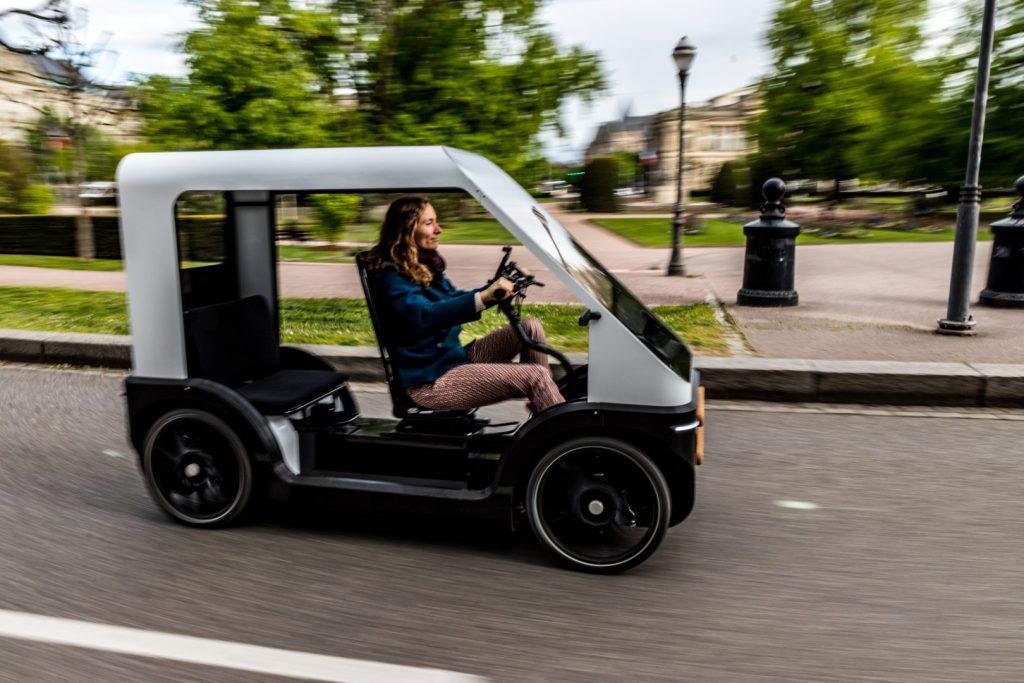
Are you curious if velomobiles are noisy? Maybe you’ve seen these sleek, enclosed bikes and wondered how loud they really are when you’re riding.
Noise can make a big difference in your comfort and enjoyment, whether you’re commuting or just cruising around. You’ll discover the truth about velomobile sounds, what causes noise, and how it compares to other types of bikes. By the end, you’ll know exactly what to expect and whether a velomobile fits your need for a quiet ride.
Keep reading to find out!
Velomobile Basics
Velomobiles are a type of human-powered vehicle. They look like bicycles but have a shell around them.
This shell helps with speed and protects the rider from weather. People use velomobiles for different reasons.
What Is A Velomobile
A velomobile is a three-wheeled vehicle powered by pedaling. It has a full or partial outer shell called a fairing.
The fairing makes the velomobile more aerodynamic and protects the rider from wind and rain.
- Usually made from lightweight materials like fiberglass or carbon fiber
- Designed for speed and efficiency
- Can be used on roads like a regular bike
Common Uses And Designs
People use velomobiles for commuting, exercise, and long-distance travel. The design depends on the use.
Some have full shells, while others have partial covers. The shape helps reduce noise and air drag.
- Full fairing for speed and weather protection
- Partial fairing for lighter weight and easier access
- Some have storage space for carrying items
- Designed to be quiet while riding
Sources Of Noise
Velomobiles are known for their speed and efficiency. Some people wonder if they make much noise while riding. Understanding where noise comes from helps riders know what to expect.
Noise from a velomobile can come from different parts. These include sounds from the machine itself, the air moving around it, and the road it travels on.
Mechanical Sounds
Mechanical sounds come from the moving parts of the velomobile. This includes the chain, gears, and bearings. If parts are worn or need oil, they may create more noise.
Regular maintenance can keep these sounds low. Tightening loose parts and cleaning can reduce rattles and squeaks during rides.
Aerodynamic Noise
Aerodynamic noise happens when air moves around the velomobile’s body. Faster speeds push more air, which can cause a whooshing or humming sound. The shape and design affect how much noise there is.
Smooth, rounded shapes tend to make less noise. Sharp edges or openings can increase wind noise as air flows past.
Road Interaction
Noise also comes from the wheels touching the road. Different surfaces create different sounds. Smooth pavement makes less noise than rough or gravel roads.
Tire type and pressure also affect sound. Hard tires on rough ground make more noise. Softer tires can help reduce road noise during rides.
Comparing Noise Levels
Noise levels affect how people feel about different vehicles. Some vehicles are very quiet. Others make a lot of sound while moving.
This article compares noise from velomobiles with bicycles and motor vehicles. It helps you understand what to expect on the road.
Velomobiles Vs Bicycles
Velomobiles have a shell that covers the rider and wheels. This shell can block wind noise. Bicycles have no shell, so they make more wind sound.
Both velomobiles and bicycles make noise from tires and chain. Velomobiles might be a bit louder due to extra parts. Still, the noise is low compared to motor vehicles.
- Velomobiles reduce wind noise with a shell
- Bicycles have more direct wind noise
- Both make similar sounds from tires and chain
- Velomobiles can be slightly louder but still quiet
Velomobiles Vs Motor Vehicles
Motor vehicles use engines that make loud noise. Velomobiles rely on human power, so they have no engine sound. This makes velomobiles much quieter.
Motor vehicles also have heavy tires and fast speeds. These add to noise from road contact. Velomobiles use lighter tires and move slower, reducing noise further.
- Motor vehicles produce engine and road noise
- Velomobiles have no engine noise
- Velomobiles use lighter tires for less road noise
- Velomobiles are much quieter than motor vehicles
Factors Affecting Sound
Velomobiles can make different sounds depending on several factors. These sounds come from the way they move and the materials used. Understanding these factors helps explain why some velomobiles are quieter than others.
We will look at how speed and terrain, materials and construction, and maintenance impact the noise levels of velomobiles.
Speed And Terrain
Speed affects the noise a velomobile makes because faster movement causes more air and road noise. Terrain also changes the sound. Rough or uneven surfaces make more noise than smooth roads.
- Higher speeds increase wind noise around the shell.
- Rough terrain causes more vibration and tire noise.
- Gravel or dirt roads produce crunching sounds.
- Smooth asphalt reduces rolling noise significantly.
Materials And Construction
The materials used in the frame and shell affect how sound travels. Light materials may vibrate more. Strong, dense materials can block noise better. The way parts fit together also matters.
| Material | Sound Effect |
| Carbon Fiber | Light and may vibrate, causing noise |
| Aluminum | Stiffer, less vibration but can rattle |
| Fiberglass | Good sound dampening, quieter ride |
| Plastic Shell | Blocks wind noise well if sealed tightly |
Maintenance Impact
Regular maintenance keeps velomobiles quiet. Loose parts or worn tires increase noise. Proper lubrication reduces friction sounds. Checking seals helps stop wind noise.
- Tighten all bolts and screws regularly.
- Lubricate chains and moving parts often.
- Replace worn or damaged tires promptly.
- Inspect seals and fix any gaps or cracks.
Reducing Velomobile Noise
Velomobiles are known for their speed and efficiency. Some riders wonder if they make a lot of noise. Noise can come from different parts of the velomobile.
Reducing noise makes riding more pleasant. It also helps avoid disturbing others. Here are ways to cut down on velomobile noise.
Design Improvements
Good design lowers noise by fixing how parts fit and move. Smooth shapes reduce wind noise. Tight seals stop air from whistling inside.
- Use rounded edges to cut wind sound
- Seal gaps between panels to block air leaks
- Choose quieter tires with less tread noise
- Mount parts firmly to stop rattling
- Use bearings that roll smoothly
Sound Dampening Techniques
Adding materials that absorb sound can lower noise inside the velomobile. Soft pads and foams stop vibrations. They also reduce road and wind noise.
| Material | Use |
| Foam padding | Line interior walls |
| Rubber strips | Seal door edges |
| Felt mats | Place under seats |
| Sound insulation sheets | Cover wheel wells |
Rider Tips
Riders can take simple steps to keep noise low. Regular checks and care make a big difference. Quiet riding also helps.
- Check for loose screws and tighten them
- Keep tires properly inflated for smooth rolling
- Clean and lubricate moving parts often
- Avoid riding over rough surfaces too fast
- Close all openings and vents properly

Credit: www.auntiehelen.co.uk
Real User Experiences
Many people wonder if velomobiles make a lot of noise. Real users share their experiences to help answer this question. Their feedback shows a range of noise levels depending on the model and conditions.
This article explores the noise reports from riders and what they commonly complain about or praise.
Reported Noise Levels
Most users say that velomobiles are quieter than motorcycles but louder than regular bicycles. Noise depends on speed, road type, and wind. On smooth roads, noise can be very low.
- At low speeds, noise is minimal.
- Higher speeds can cause wind noise around the shell.
- Rough roads increase noise from tires and suspension.
- Some models have better sound insulation than others.
Common Complaints And Praise
| Complaints | Praise |
|---|---|
| Wind noise can be loud at high speed. | Very quiet on smooth surfaces. |
| Tire noise on rough roads is noticeable. | Engine noise is absent since velomobiles are pedal-powered. |
| Some users mention rattles from loose parts. | Enclosed design reduces external noise from traffic. |
| Visibility of sound to others can cause safety concerns. | Comfortable and peaceful riding experience overall. |
Future Of Velomobile Noise
Velomobiles are known for being quieter than motorcycles or cars. Still, some noise comes from tires, wind, and the chain. People wonder if future models will be even quieter.
As technology improves, designers focus more on reducing noise. This helps make velomobiles more comfortable and better for urban use.
Innovations In Quieting
New materials help absorb sound inside the velomobile body. Soft liners and foam padding reduce rattles and vibrations.
Electric assist motors are getting quieter too. They use better bearings and improved electronics to lower noise levels.
- Sound-absorbing body panels
- Improved chain and gear covers
- Silent electric motor designs
- Noise-reducing wheel and tire choices
Trends In Design
Velomobile shapes are changing to cut wind noise. Smoother curves and tighter seals help keep air from making loud sounds.
Designers also focus on reducing gaps and loose parts. This lowers rattle noises on rough roads.
- Rounded, aerodynamic shells
- Tighter fitting body parts
- Integrated noise barriers
- Focus on lightweight but stiff materials

Credit: www.reddit.com

Credit: www.reddit.com
Frequently Asked Questions
Are Velomobiles Louder Than Traditional Bicycles?
Velomobiles are generally quieter than traditional bikes due to their aerodynamic shells. However, noise can come from tires and chains. Proper maintenance reduces noise significantly. Overall, velomobiles offer a smoother and quieter ride experience compared to regular bicycles.
What Causes Noise In Velomobiles?
Noise in velomobiles mainly comes from the chain, tires, and road surface. Wind noise is minimal because of their aerodynamic design. Regular lubrication and tire checks help reduce mechanical noise. Properly maintained velomobiles produce very little sound during rides.
Can Velomobile Noise Disturb Others?
Velomobiles create minimal noise, often less than cars or motorcycles. Their quiet operation means they rarely disturb pedestrians or neighbors. Noise levels depend on speed and road type, but they remain a peaceful transportation option. Overall, velomobiles are low-noise vehicles.
How To Reduce Noise From A Velomobile?
To reduce noise, keep the chain lubricated and tires properly inflated. Use smooth, quiet tires designed for velomobiles. Regularly check for loose parts that may rattle. Maintaining these components ensures a quieter and more enjoyable ride.
Conclusion
Velomobiles can be noisy, but it often depends on the model. Some designs focus on reducing sound for a quieter ride. Riders usually adapt to the noise levels quickly. Customizations can also help lower the sound further. Consider your environment and personal preference when choosing.
Test rides might offer a better understanding. Noise levels vary greatly. Overall, velomobiles offer a unique and eco-friendly experience. They remain a popular choice for many cycling enthusiasts. Enjoy the ride while being mindful of sound.



