
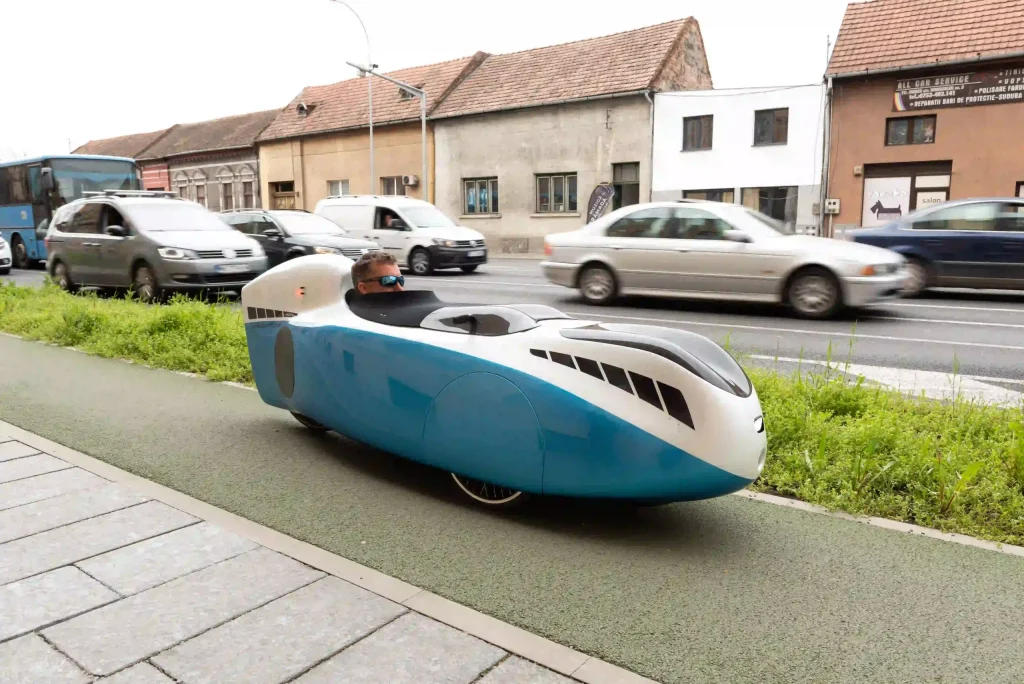
Are you tired of the daily commute stress? Imagine gliding through traffic with ease, staying dry on rainy days, and getting a good workout without breaking a sweat.
Velomobiles might just be the solution you’ve been looking for. But are velomobiles really good for commuting? You’ll discover how these sleek, enclosed bikes can transform your daily ride, save you money, and even turn heads along the way. Keep reading to find out if a velomobile fits your commute and lifestyle perfectly.
Velomobiles And Commuting
Velomobiles offer a unique way to travel to work or school. They combine the ease of cycling with extra protection and comfort.
Many people wonder if velomobiles are good for daily trips. This depends on the type and your route.
What Is A Velomobile
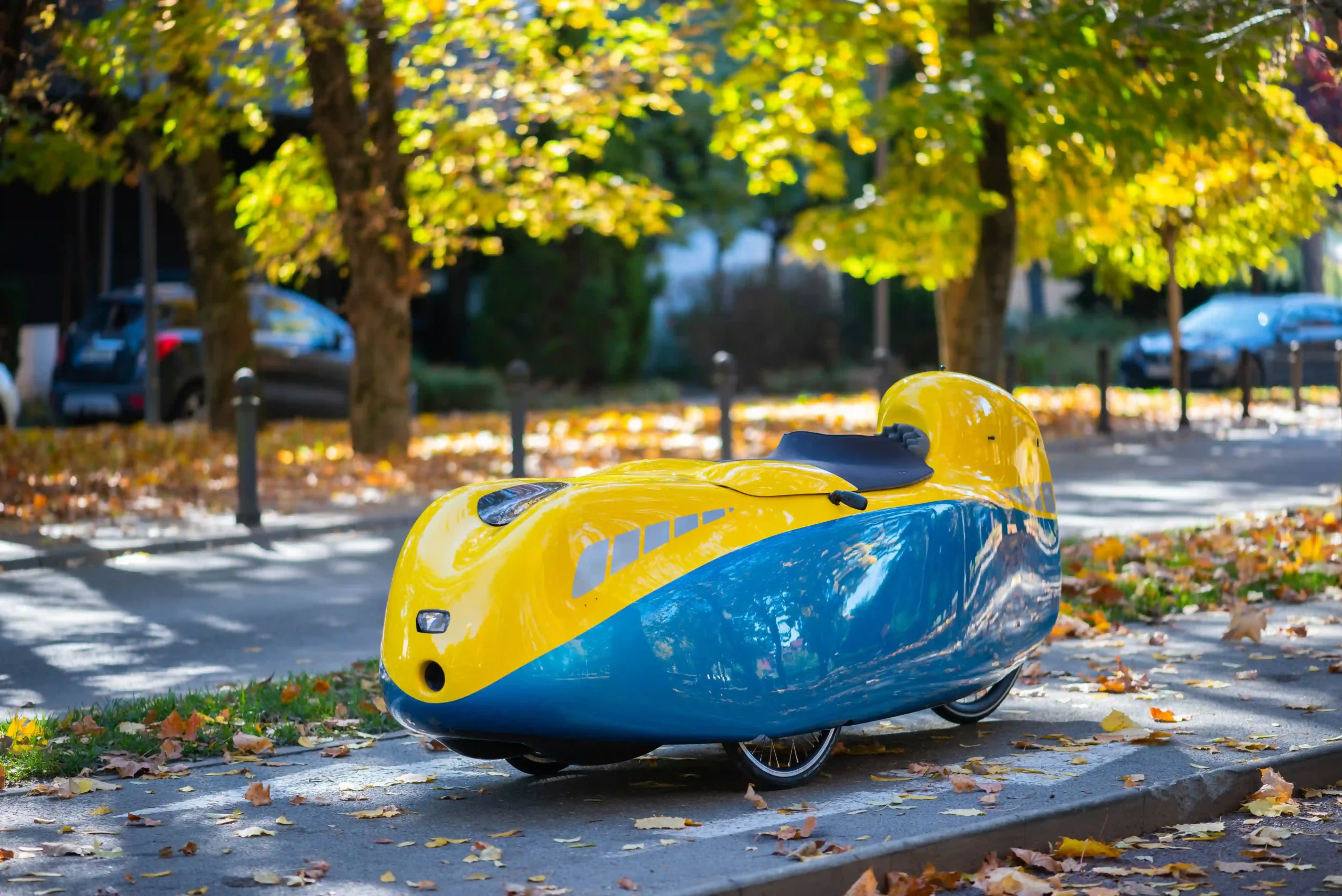
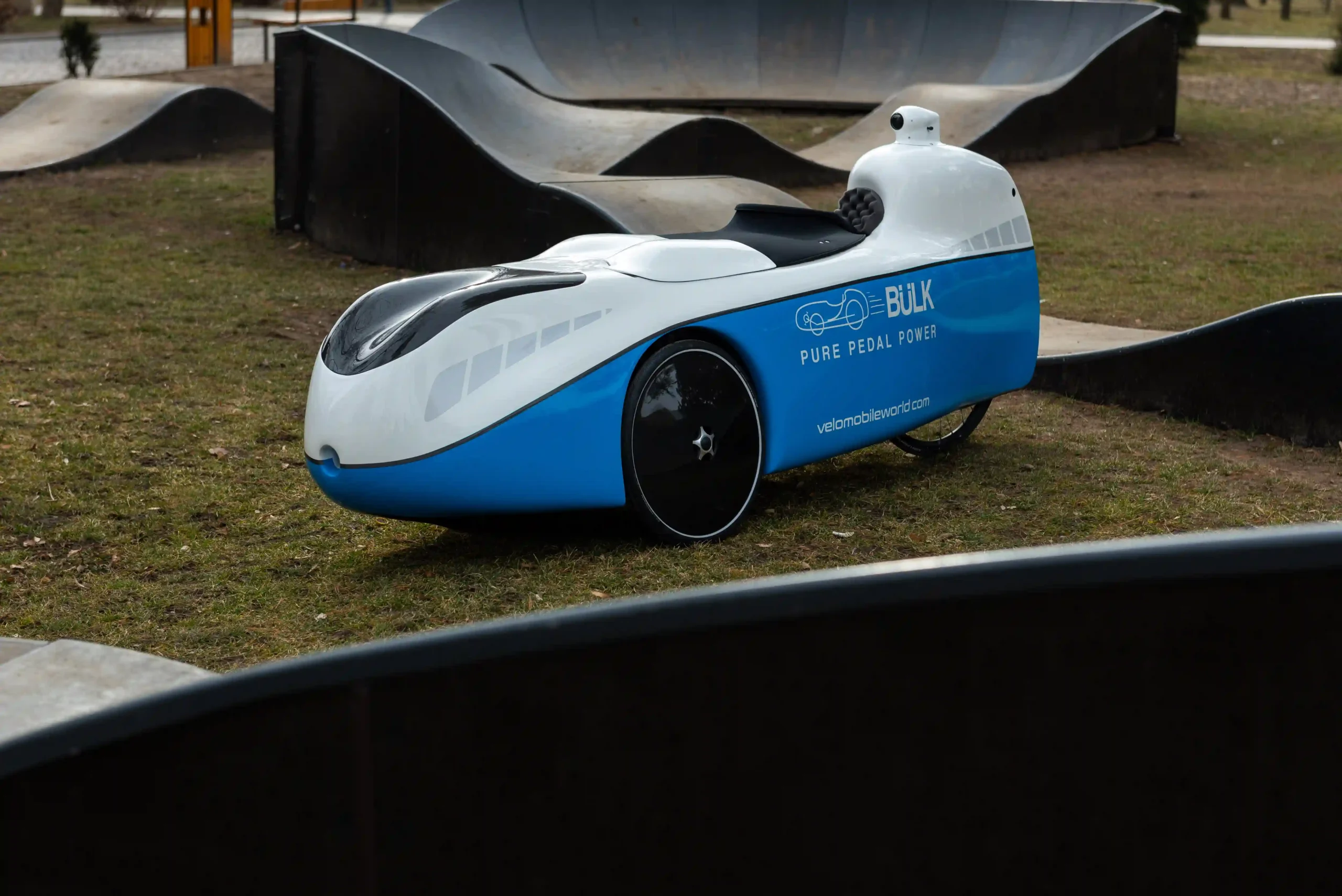
A velomobile is a human-powered vehicle. It looks like a bike but has a full or partial shell around it. This shell helps with speed and weather protection.
Velomobiles usually have three wheels. They are faster than normal bikes on flat roads. The shell also keeps the rider dry and safe from wind.
Types Of Velomobiles
- Recumbent Velomobiles: These have a reclining seat for comfort and speed.
- Fully Enclosed Velomobiles: These offer full coverage to protect against rain and cold.
- Open or Semi-Enclosed Velomobiles: These provide some protection but are lighter and more ventilated.
| Type | Protection | Weight | Best Use |
| Recumbent | Minimal | Light | Speed and comfort |
| Fully Enclosed | High | Heavy | All-weather commuting |
| Open/Semi-Enclosed | Medium | Medium | Fair weather and ventilation |
Advantages Of Using Velomobiles
Velomobiles are a unique type of vehicle that combines cycling with protection and speed. They offer many benefits for daily commuting.
Using a velomobile can make your trip safer, faster, and more comfortable than regular bikes.
Enhanced Aerodynamics
Velomobiles have a sleek shape that cuts through the air easily. This design reduces wind resistance and lets you ride faster with less effort.
Because of their shape, velomobiles can save energy and make commuting quicker, even on longer routes.
Weather Protection
Velomobiles have an enclosed body that shields you from rain, wind, and cold. This means you stay dry and warm during bad weather.
The cover also protects you from sun and dust, making your ride more pleasant all year round.
Energy Efficiency
Because velomobiles are aerodynamic and lightweight, you use less energy to pedal. This helps you go farther without getting too tired.
You can also use electric assist with velomobiles, which makes energy use even more efficient.
Comfort And Ergonomics
Velomobiles are built for comfort. You sit in a reclined position that supports your back and neck.
This seating style reduces strain and lets you ride longer without discomfort.
Cargo Capacity
Velomobiles offer more space to carry your belongings than regular bikes. Many models have built-in storage compartments.
This extra cargo room lets you bring groceries, work items, or personal gear easily on your commute.
Challenges To Consider
Velomobiles offer a unique way to commute. They combine speed and protection. Still, they come with some challenges to think about.
Understanding these issues helps you decide if a velomobile fits your daily travel needs.
Cost And Availability
Velomobiles tend to cost more than regular bikes. They require special parts and designs. This can make them expensive to buy.
Finding a velomobile to buy or rent can be hard. Not many stores carry them. Shipping costs might add up if you order online.
Storage And Parking
Velomobiles are bigger than normal bikes. They take up more space in storage areas. This can be a problem at home or work.
Parking a velomobile on the street can be tricky. They need larger spaces. Security is also important because they are valuable and hard to replace.
Maneuverability In Traffic
Velomobiles are wider and heavier than bikes. This makes them harder to weave through tight traffic. They need more space on the road.
Turning quickly or avoiding obstacles can be challenging. Riders must be cautious and plan their moves early to stay safe.
Maintenance And Repairs
Velomobiles have special parts that may need expert care. Finding a mechanic who knows them can take time. Repairs can also cost more.
Regular maintenance is important to keep them running well. This includes checking tires, brakes, and the body for damage.

Credit: newatlas.com
Comparing Velomobiles To Other Commute Options
Velomobiles are a unique way to travel to work or school. They combine elements of bikes and small vehicles. Comparing them to other commute methods helps understand their benefits and limits.
This guide looks at how velomobiles stack up against traditional bicycles, electric bikes, cars, and public transit. Each option suits different needs and situations.
Versus Traditional Bicycles
Traditional bicycles are simple and light. Velomobiles add a shell around the rider that offers protection from weather and wind. This shell makes velomobiles faster on flat roads and safer in rain.
- Velomobiles shield from rain and cold better than bikes.
- They are heavier and less easy to carry or store.
- Velomobiles often cost more than traditional bikes.
- Riding a velomobile requires more space on the road.
- Both offer good exercise but velomobiles need less effort on long trips.
Versus Electric Bikes
Electric bikes have motors that assist pedaling. They are lighter and more compact than velomobiles. Velomobiles offer better weather protection and can be faster over long distances.
| Feature | Velomobile | Electric Bike |
| Weight | Heavy | Light |
| Weather Protection | Good | Limited |
| Speed | High (with effort) | Moderate (motor assisted) |
| Cost | Higher | Moderate |
| Storage | Needs space | Compact |
Versus Cars And Public Transit
Cars are fast and comfortable but costly and polluting. Public transit saves fuel and reduces pollution but depends on schedules. Velomobiles use no fuel and cause no pollution. They give freedom like cars but need physical effort.
- Velomobiles cost much less than cars.
- They do not emit pollution or noise.
- They can avoid traffic jams like bikes.
- Public transit can be crowded and slow.
- Velomobiles require physical fitness to ride daily.
Best Routes And Conditions For Velomobile Use
Velomobiles are a special type of bike with a shell around them. They give good speed and protection from wind and rain. Choosing the right routes and conditions makes commuting easier and safer.
This guide explains the best terrain, how urban and suburban rides differ, and important safety points for velomobile users.
Ideal Terrain
Velomobiles work best on smooth, paved roads. They are low to the ground, so rough surfaces can be a problem. Flat or gently rolling hills suit them well. Steep hills can be tough without electric assist.
Good drainage on the road helps avoid puddles. Avoid dirt trails or gravel paths because they can slow you down and cause damage.
- Choose asphalt or concrete roads
- Look for flat or slightly hilly routes
- Avoid gravel, dirt, and very uneven surfaces
- Check for good road drainage
Urban Vs Suburban Commuting
In cities, traffic is busy and space is tight. Velomobiles can be wide, so narrow bike lanes may not fit them. Urban riders need to watch for cars and pedestrians closely.
Suburban areas often have quieter roads and wider bike paths. This makes it easier to ride a velomobile safely and comfortably. Parking space is also less of a problem in suburbs.
- Urban: Use wider bike lanes or shared paths
- Urban: Watch for traffic and pedestrians
- Suburban: Use quieter roads and wide bike paths
- Suburban: Easier parking options
Safety Considerations
Velomobiles have good visibility because of their size, but they sit low on the road. Bright colors and lights help others see you. Use front and rear lights at all times, day or night.
Wear a helmet and use mirrors to check behind you. Be careful when turning or changing lanes. Follow all traffic rules to stay safe on the road.
- Use bright colors and reflective gear
- Always have front and rear lights
- Wear a helmet for protection
- Use mirrors to watch traffic behind
- Follow traffic laws carefully
Credit: www.velomobileworld.com
Tips For Getting Started
Velomobiles offer a unique way to commute. They combine speed, comfort, and protection from weather. Starting to use one can seem tricky at first.
Knowing what to expect and how to prepare helps you enjoy your rides more. Here are some tips for choosing, gearing up, and training.
Choosing The Right Model
Pick a velomobile that fits your commute distance and route. Some models are faster but less stable. Others offer more comfort but are heavier.
| Model Type | Best For | Key Feature |
| Sport | Long, flat routes | High speed |
| Touring | Mixed terrain | Comfort and storage |
| Urban | City commuting | Compact size |
Essential Accessories
Accessories improve safety and convenience. Lights and mirrors make you visible and aware. Weather gear keeps you dry and warm.
- Front and rear lights for low light
- Rearview mirrors for better traffic awareness
- Waterproof covers or clothing
- Comfortable seat cushions
- Lock to secure your velomobile
Training And Practice
Practice riding in a safe area before commuting. Learn how to handle turns, stops, and starts. Get used to the size and controls.
- Start in a quiet parking lot or park
- Practice slow-speed maneuvers
- Work on quick stops and emergency braking
- Ride on different surfaces like pavement and bike paths
- Gradually increase your ride distance
Credit: www.velomobileworld.com
Frequently Asked Questions
Are Velomobiles Faster Than Regular Bikes?
Yes, velomobiles are generally faster due to their aerodynamic design. They reduce wind resistance, enabling higher speeds with less effort. This makes them ideal for longer commutes and quicker travel times compared to traditional bicycles.
How Comfortable Are Velomobiles For Daily Commuting?
Velomobiles offer excellent comfort with enclosed seating and weather protection. They reduce rider fatigue by providing ergonomic support and shelter from elements. This makes daily commuting more enjoyable and less physically demanding.
Can Velomobiles Be Used In All Weather Conditions?
Velomobiles perform well in most weather due to their enclosed design. They protect riders from rain, wind, and cold, but may require extra caution on icy or snowy roads. Overall, they are suitable for year-round commuting with proper care.
Are Velomobiles Cost-effective For Commuting?
While velomobiles have a higher upfront cost, they save money on fuel and parking. They require less maintenance than cars and offer long-term savings. For regular commuters, this makes them a cost-effective transportation option.
Conclusion
Velomobiles offer a unique commuting experience. They blend cycling benefits with added speed. Weather protection is a great plus. Cost and storage can be concerns. Yet, they remain eco-friendly and efficient. A great choice for short to medium distances. Perfect for those seeking exercise and sustainability.
Not ideal for everyone, but worth considering. They transform daily commutes into healthier routines. Explore if it fits your lifestyle and needs.



