
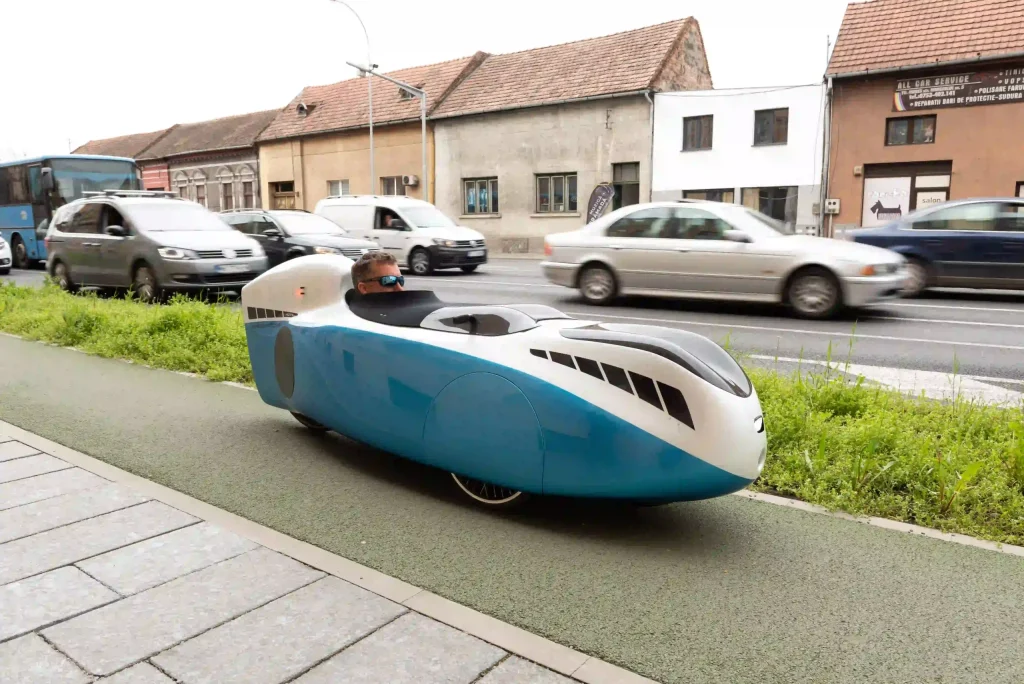
Have you ever wondered if a velomobile could zoom past your regular bike on the road? If speed matters to you, this question might be on your mind every time you hop on your bike.
Velomobiles look sleek and futuristic, but are they truly faster? You’ll discover how these unique vehicles compare to traditional bikes when it comes to speed, efficiency, and performance. By the end, you’ll know exactly which ride can give you that thrilling edge you’re searching for.
Keep reading—you might be surprised by what you find!

Credit: newatlas.com
Velomobile Basics
Velomobiles are special bikes with a shell around them. They look different from normal bicycles.
They are made to be fast and protect the rider from wind and rain. Let’s learn about what they are and how they work.
What Is A Velomobile?
A velomobile is a bike with a full or partial cover. This cover is called a fairing. It helps the rider move faster by cutting wind resistance.
It usually has three wheels for better balance. Velomobiles are used for commuting, racing, and fun rides.
Types Of Velomobiles
- Recumbent trikes with a full shell
- Two-wheeled bikes with partial covers
- Electric-assisted velomobiles
- Lightweight racing models
- Heavy-duty cargo velomobiles
Each type serves a different purpose. Some focus on speed, others on comfort or carrying things.
How Velomobiles Work
| Feature | Purpose |
| Fairing | Reduces air drag for higher speed |
| Recumbent Position | Keeps rider comfortable and low to the ground |
| Three Wheels | Improves balance and stability |
| Pedals | Power the vehicle by the rider’s legs |
| Electric Motor (optional) | Helps with pedaling on hills or long rides |
The shell helps block wind and rain. The rider pedals like on a bike. Some have motors to help on tough rides.
Bike Speed Factors
Understanding what affects bike speed helps riders improve performance.
Speed depends on many things like bike type, rider effort, and terrain.
Bike Types And Performance
Different bikes have unique designs that affect how fast they go.
| Bike Type | Speed Potential | Key Feature |
| Standard Bike | Moderate | Open design |
| Velomobile | High | Enclosed aerodynamic shell |
| Road Bike | High | Lightweight frame |
| Mountain Bike | Lower | Heavy frame, wide tires |
Rider Influence On Speed
The rider’s strength, skill, and body position impact how fast they ride.
- Stronger riders can pedal harder and go faster.
- Good posture reduces wind resistance.
- Experienced riders shift gears smoothly for better speed.
Terrain And Environmental Effects
Road type, hills, and wind affect bike speed significantly.
Factors that slow down or speed up a bike include:
- Surface:Smooth pavement helps speed, rough roads slow down.
- Elevation:Uphill rides are slower; downhill rides are faster.
- Wind:Headwinds reduce speed; tailwinds increase it.
- Weather:Rain and cold can reduce rider energy and speed.
Velomobile Speed Advantages
Velomobiles are a special kind of bike with a full shell. This shell helps them go faster than regular bikes. They have many benefits that add to their speed.
We will look at how velomobiles use design, weather protection, and energy to move faster and easier.
Aerodynamics And Design
Velomobiles have a smooth, enclosed shape that cuts through the air. This design lowers wind resistance. Bikes have more parts open to the air, which slows them down.
The streamlined body of a velomobile helps it keep high speeds with less effort. Its shape lets air flow smoothly around it, reducing drag.
- Enclosed body reduces air drag
- Streamlined shape helps cut wind resistance
- Design keeps rider protected inside shell
Weather Protection Benefits
Velomobiles shield riders from rain, wind, and cold. This protection keeps riders comfortable and focused. Bikes expose riders to weather, which can slow them down.
With less wind hitting the rider, velomobiles keep better speed. The shell stops weather from affecting the rider’s energy and performance.
- Protects from rain and wind
- Keeps rider warm in cold weather
- Improves rider comfort and stamina
Energy Efficiency
Velomobiles use less energy to move at the same speed as bikes. Their shape and wheels reduce friction and drag. This means riders can go farther with the same effort.
Energy savings help riders keep a steady pace without getting tired quickly. Velomobiles make riding easier on hills and long trips.
- Lower air resistance saves energy
- Efficient wheels reduce rolling friction
- Riders use less strength to maintain speed

Credit: www.reddit.com
Limitations Of Velomobiles
Velomobiles are often faster than regular bikes on flat roads. They have a streamlined shape that cuts air resistance. Still, they have some limits that affect their speed and use.
These limits include their weight, cost, and how easy they are to handle in traffic. Understanding these helps you decide if a velomobile fits your needs.
Weight And Maneuverability
Velomobiles are heavier than regular bikes. The extra weight comes from their body shell and extra parts. This weight can slow down quick starts and stops.
Their size makes them harder to turn sharply. Maneuvering in tight spaces or on narrow paths is more difficult. This can be a problem in crowded places.
- Heavier than normal bikes
- Slower to accelerate and stop
- Harder to turn in small spaces
Cost And Accessibility
Velomobiles usually cost more than regular bikes. The materials and design raise the price. This makes them less accessible to many people.
Finding parts and repairs can be harder. Fewer shops work on velomobiles. This can add to the overall cost and hassle of ownership.
- Higher purchase price
- Limited repair shops
- Parts can be expensive or rare
Handling In Traffic
Velomobiles take up more space on the road than bikes. This can make riding in busy traffic harder. Drivers may not see velomobiles as easily.
The low seating position reduces visibility for the rider. It is also harder to react quickly to sudden traffic changes. This affects safety in busy areas.
- Larger size needs more road space
- Lower visibility for rider
- Slower reaction to traffic changes
Comparing Real-world Speeds
Velomobiles and bikes offer different speed experiences in real life. People wonder which one goes faster in daily use. This article looks at speeds from races, commutes, and long trips.
Understanding how each performs helps riders choose the best option for their needs. We explore actual results, not just theory or lab tests.
Race And Test Results
Races and controlled tests show clear speed differences between velomobiles and bikes. Velomobiles usually have better aerodynamics, making them faster on flat courses.
| Vehicle Type | Average Speed (km/h) | Race Type |
| Velomobile | 45 | Flat Road Time Trial |
| Road Bike | 38 | Flat Road Time Trial |
| Velomobile | 40 | Mixed Terrain Race |
| Road Bike | 37 | Mixed Terrain Race |
Average Commuting Speeds
Daily commuting shows smaller speed gaps. Traffic, stops, and road types affect both vehicles differently. Velomobiles keep a steady pace but can be less agile.
- Velomobile average: 30 km/h
- Road bike average: 27 km/h
- Urban bike average: 22 km/h
Long-distance Performance
Long rides test comfort and endurance as well as speed. Velomobiles protect riders from wind and weather, which helps keep speeds up over time.
| Distance (km) | Velomobile Speed (km/h) | Bike Speed (km/h) |
|---|---|---|
| 50 | 38 | 34 |
| 100 | 36 | 32 |
| 150 | 35 | 30 |
Speeds tend to drop less for velomobiles on long distances due to rider comfort and less wind resistance.

Credit: www.velomobileworld.com
Choosing Between Velomobile And Bike
Velomobiles and bikes both offer ways to travel on two wheels. Choosing the right one depends on your needs and preferences.
This guide looks at purpose, comfort, safety, maintenance, and storage to help you decide.
Purpose And Usage
Bikes are great for short trips, exercise, and easy storage. Velomobiles work well for longer rides and faster travel.
- Bikes suit city commuting and casual rides.
- Velomobiles offer better speed and weather protection.
- Choose based on your daily travel distance and terrain.
- Consider how often you will use it.
Comfort And Safety
Velomobiles have a shell that protects from wind and rain. Bikes offer more freedom but less protection.
| Aspect | Velomobile | Bike |
| Weather Protection | Good | Poor |
| Visibility | Lower | Higher |
| Comfort | High | Medium |
| Safety in Traffic | Moderate | High |
Maintenance And Storage
Bikes are easier to maintain and take less space. Velomobiles need more care and a bigger storage area.
- Bikes require regular tire checks and chain oiling.
- Velomobiles need shell cleaning and more complex repairs.
- Store velomobiles in a garage or large shed.
- Bikes can fit in smaller spaces like balconies or closets.
Frequently Asked Questions
Are Velomobiles Generally Faster Than Traditional Bikes?
Velomobiles are often faster due to their aerodynamic design and enclosed structure. They reduce wind resistance, allowing higher speeds with less effort compared to traditional bikes.
How Does Aerodynamics Affect Velomobile Speed?
Aerodynamics plays a crucial role in velomobile speed. The streamlined shape minimizes drag, enabling smoother and faster rides, especially on flat terrain and at higher speeds.
Can Velomobiles Maintain Speed On Hills Better Than Bikes?
Velomobiles are heavier but their aerodynamic advantage helps maintain speed downhill. However, on steep climbs, traditional bikes may be faster due to lighter weight.
Are Velomobiles Suitable For Daily Commuting?
Yes, velomobiles offer speed, weather protection, and comfort, making them excellent for daily commuting. Their enclosed design also increases safety and reduces fatigue.
Conclusion
Velomobiles offer a unique speed advantage over traditional bikes. Their aerodynamic design helps them glide smoothly. Riders can benefit from improved efficiency and less wind resistance. But the choice depends on personal needs. For city commutes or long rides, velomobiles might excel.
Bikes, on the other hand, offer simplicity and flexibility. Both have their strengths and weaknesses. Consider the terrain and your specific requirements. Whether you choose a bike or a velomobile, the journey promises excitement. Enjoy the ride, whichever path you take!



