
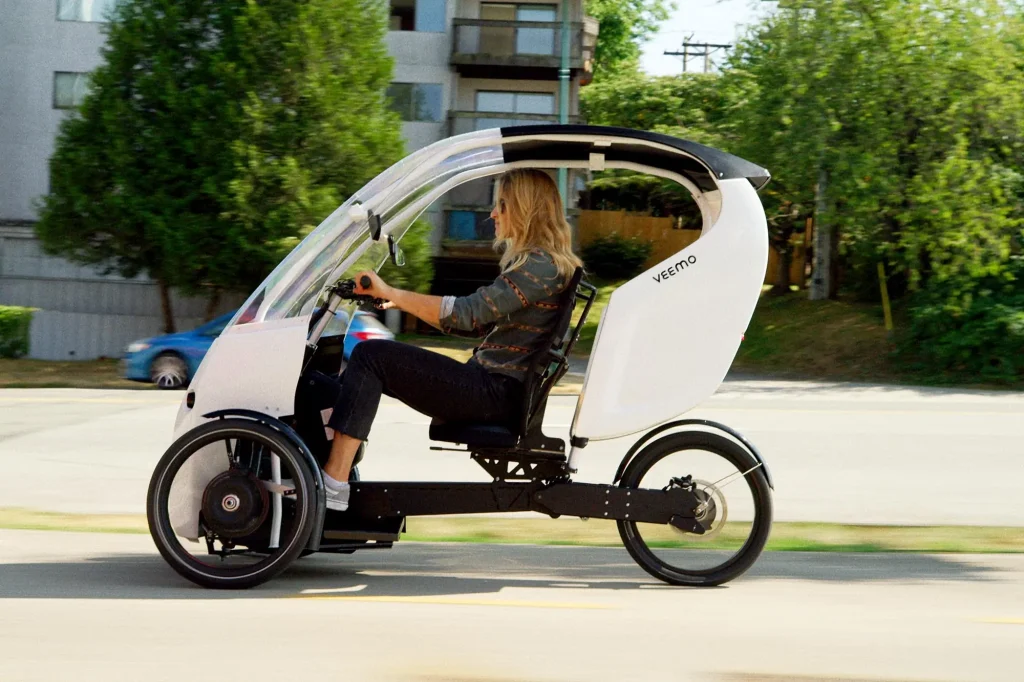
Have you ever wondered if velomobiles are electric? You’re not alone.
Many people see these sleek, futuristic vehicles and ask the same question. Understanding whether velomobiles use electric power can change how you think about your next ride. If you’re curious about how they work and what makes them different from bikes or electric scooters, keep reading.
This article will clear up the mystery and help you decide if a velomobile fits your lifestyle.
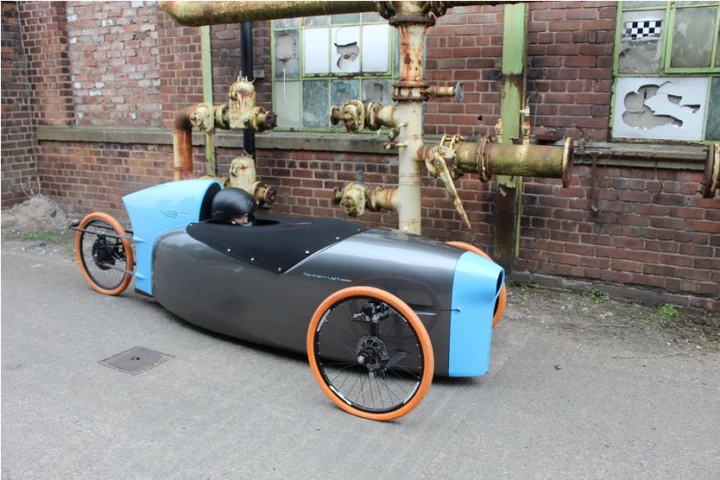
Credit: newatlas.com
Velomobile Basics
Velomobiles are human-powered vehicles with a full body shell. They look like bikes but have more protection.
Some people wonder if velomobiles are electric. Most are pedal-powered, but some have electric help.
Design And Structure
Velomobiles have a lightweight frame covered by a shell. This shell helps with speed and weather protection.
The design usually includes three or four wheels. The shape is aerodynamic to reduce air resistance.
- Light materials like fiberglass or carbon fiber
- Enclosed shell for safety and comfort
- Low seating position for better balance
- Pedals inside the shell for easy riding
Types Of Velomobiles
There are different types of velomobiles. Some focus on speed, others on comfort or cargo space.
Some models come with electric motors to help riders on hills or long trips. These are called electric-assist velomobiles.
- Sport velomobiles for fast riding
- Touring velomobiles for long distances
- Cargo velomobiles for carrying goods
- Electric-assist velomobiles with motors

Credit: www.hammacher.com
Electric Vs. Human-powered
Velomobiles come in two main types: pedal-only and electric-assisted. Both have their own strengths and uses. Understanding the differences helps you pick the right one.
One type relies only on human power. The other adds electric help to make riding easier. Let’s explore these types in detail.
Pedal-only Models
Pedal-only velomobiles use the rider’s leg power for movement. They need more effort but offer full exercise benefits. These models are simple and light.
- No battery or motor needed
- Lower weight means better speed on flat roads
- Maintenance is easier and cheaper
- Good for fitness and long rides
- Silent operation without noise
Electric-assisted Variants
Electric-assisted velomobiles combine pedals with a motor and battery. The electric help reduces effort, especially uphill and in headwinds. Riders can choose how much power to use.
| Feature | Electric-Assisted | Pedal-Only |
|---|---|---|
| Effort Required | Lower with motor support | Higher, full human power |
| Speed Control | Adjustable motor assist | Speed depends on rider effort |
| Weight | Heavier due to battery and motor | Lighter with no extra parts |
| Range | Longer with less fatigue | Limited by rider stamina |
| Maintenance | Requires motor and battery care | Simple and low cost |
Benefits Of Electric Velomobiles
Electric velomobiles are a new way to travel. They combine pedals with electric motors for power.
These vehicles offer many benefits that help riders and the environment. They are easy to use and save energy.
Environmental Impact
Electric velomobiles produce no air pollution while driving. They use clean energy and reduce carbon footprints.
They need less energy than cars and do not rely on fossil fuels. This helps lower greenhouse gas emissions.
- Zero tailpipe emissions
- Lower energy use than cars
- Less noise pollution
- Reduces traffic congestion
Efficiency And Speed
Electric motors help velomobiles reach higher speeds with less effort. Riders can travel longer distances easily.
They use energy efficiently, making each ride cost less. The electric boost helps climb hills and avoid fatigue.
- Faster travel than regular bikes
- Energy-saving electric assist
- Better for hilly areas
- Longer ride range
User Convenience
Electric velomobiles offer comfort and protection from weather. Their enclosed design keeps riders dry and safe.
The electric motor reduces physical strain. Riders can enjoy a smooth ride without getting tired quickly.
- Protection from rain and wind
- Less physical effort needed
- Easy to start and stop
- Good for all fitness levels
Challenges Facing Electric Models
Velomobiles are a type of human-powered vehicle with aerodynamic shells. Some models include electric assistance. Electric velomobiles face unique challenges.
These challenges affect their performance, cost, and user experience. Understanding these issues helps buyers make better choices.
Battery Life And Charging
Electric velomobiles rely on batteries to assist pedaling. Battery life can be limited, reducing travel range. Charging takes time and access to power.
Users must plan trips carefully to avoid running out of battery power. Charging options are not always available on long routes.
- Short battery life limits long-distance travel
- Charging stations are rare for velomobiles
- Long charging times slow down use
Cost And Accessibility
Electric velomobiles cost more than regular models. The battery and motor add to the price. This makes them less affordable for many people.
Repairs and maintenance are also more expensive. Finding parts and service can be difficult in some areas.
- Higher price limits buyer options
- Maintenance costs increase over time
- Parts may be hard to find locally
Weight And Design Limitations
Electric components add extra weight to velomobiles. This can affect speed and handling. Designers must balance weight with battery size.
The shape and size of velomobiles limit space for batteries. This restricts how powerful the electric system can be. Designers face tough choices.
- Added weight reduces agility
- Battery size is limited by design
- Trade-offs between power and weight
Current Market Trends
Velomobiles are becoming more popular as electric versions grow. People like their speed and eco-friendly use.
Electric velomobiles combine pedal power with a motor. This helps riders go farther and faster.
Popular Electric Velomobile Brands
Several brands lead the electric velomobile market. They offer models that suit different needs and budgets.
- Velomobiel.nl – Known for sleek, lightweight designs
- Alleweder – Offers strong, durable electric models
- QuattroVelo – Focuses on comfort and electric assist
- InterCityBike – Specializes in speed and efficiency
- WAW – Combines aerodynamics with electric power
Emerging Technologies
New tech makes electric velomobiles better and easier to use. Battery life and motor power improve constantly.
Smart features like app control and GPS are also growing. These help riders track routes and battery status.
- Longer-lasting lithium batteries
- Lightweight electric motors
- Regenerative braking systems
- Connectivity through mobile apps
- Improved aerodynamics for speed

Credit: www.hammacher.com
Future Prospects
Velomobiles blend human power with technology to help travel. Their future looks bright with new ideas and uses.
As cities grow, velomobiles could change how people move. They offer a clean way to travel short distances.
Innovations In Eco Transport
Electric motors are joining velomobiles to make rides easier. Batteries are getting lighter and last longer.
New materials help build strong but light velomobiles. This means less energy is needed to move them.
- Improved battery life for longer trips
- Better electric assist for hills and wind
- Use of recycled and eco-friendly materials
- Advanced designs to reduce air resistance
Integration With Urban Mobility
Velomobiles can fit well with city transport systems. They can be combined with buses and trains for smooth travel.
Parking and charging stations for velomobiles are starting in cities. This helps riders use them easily every day.
- Shared velomobile programs in busy areas
- Safe lanes and paths made for velomobiles
- Charging points linked to public transport
- Urban plans that include small electric vehicles
Frequently Asked Questions
Are Velomobiles Powered By Electric Motors?
Velomobiles are usually human-powered but can include electric motors for assistance. This electric boost helps riders tackle hills and longer distances with less effort.
How Do Electric-assist Velomobiles Work?
Electric-assist velomobiles combine pedaling with a small electric motor. The motor activates when pedaling, making rides easier and more efficient without replacing human power.
Are All Velomobiles Electric Or Pedal-only?
Not all velomobiles are electric; many rely solely on pedaling. Electric versions are popular for added speed and comfort but remain optional, depending on rider preference.
What Are The Benefits Of Electric Velomobiles?
Electric velomobiles offer easier hill climbing, longer range, and reduced rider fatigue. They blend exercise benefits with motorized convenience, appealing to a wide range of cyclists.
Conclusion
Velomobiles offer a unique blend of cycling and electric power. They provide an eco-friendly transportation option. These vehicles are efficient and fun. Some velomobiles come with electric assistance. This makes pedaling easier on long trips. Others rely solely on human power.
Choosing between electric or non-electric depends on your needs. Consider terrain and distance. Velomobiles are a great choice for many. They combine exercise and convenience. Whether powered by you or a battery, they promise an exciting ride. Explore your options and enjoy the journey.



