

Have you ever wondered if your daily commute could help protect the planet? Velomobiles might be the answer you’re looking for.
These sleek, human-powered vehicles combine speed, style, and sustainability in a way that could change how you think about eco-friendly travel. But are velomobiles truly kind to the environment? Keep reading to discover how they work, their impact on the planet, and whether they could fit into your green lifestyle.
Your next ride might just be the key to making a real difference.
Velomobiles And Sustainability
Velomobiles are human-powered vehicles with a shell for aerodynamics and weather protection. They offer an eco-friendly alternative to cars for short to medium trips.
This article explores how velomobiles contribute to sustainability. We look at materials, energy use, and their overall environmental impact.
Materials And Manufacturing
Most velomobiles use lightweight materials like fiberglass or carbon fiber. These materials reduce weight and increase efficiency but need energy to produce.
- Fiberglass is common and cheaper to make.
- Carbon fiber is stronger but uses more energy in manufacturing.
- Some models use recycled plastics or metals to lower impact.
- Parts like wheels and brakes come from standard bike components.
Energy Efficiency Compared To Cars
Velomobiles use human power, so they do not burn fossil fuels. Their shape reduces wind resistance, saving energy for the rider.
| Vehicle Type | Energy Use (MJ/km) | CO₂ Emissions (g/km) |
| Velomobile | 0.1 | 0 |
| Electric Car | 1.5 | 100 |
| Gasoline Car | 3.0 | 200 |
Lifecycle Environmental Impact
The total impact of a velomobile includes making, using, and disposing of it. They have a smaller footprint than cars over their lifetime.
- Manufacturing uses fewer raw materials than cars.
- Operation produces no direct emissions.
- Maintenance is simpler and uses less energy.
- End-of-life recycling is easier due to fewer parts.
Benefits For Urban Mobility
Velomobiles are efficient and eco-friendly transport options. They offer unique benefits for city travelers.
These pedal-powered vehicles help cities become greener and more sustainable. Let’s explore their advantages.
Reducing Traffic Congestion
Velomobiles take up less space on roads compared to cars. This helps reduce traffic jams and makes traveling quicker for everyone.
- Small size allows easy maneuvering through tight spaces
- Encourages more people to opt for cycling
- Less road wear and tear due to lighter vehicles
Lowering Air Pollution
Velomobiles do not emit harmful gases. They help improve air quality in cities by reducing reliance on fossil-fueled vehicles.
| Vehicle Type | Emissions |
| Velomobile | Zero |
| Car | High |
| Bus | Moderate |
Noise Reduction
Velomobiles are quiet. They help reduce noise pollution in busy urban areas, creating a more pleasant environment.
Comparing Velomobiles To Other Green Transport
Velomobiles are a unique type of eco-friendly transport. They combine human power with aerodynamic design.
This article compares velomobiles with other green transport options. We look at electric bikes, public transport, and walking or cycling.
Electric Bikes Vs Velomobiles
Electric bikes are popular for short trips and city travel. They use a battery to help riders pedal.
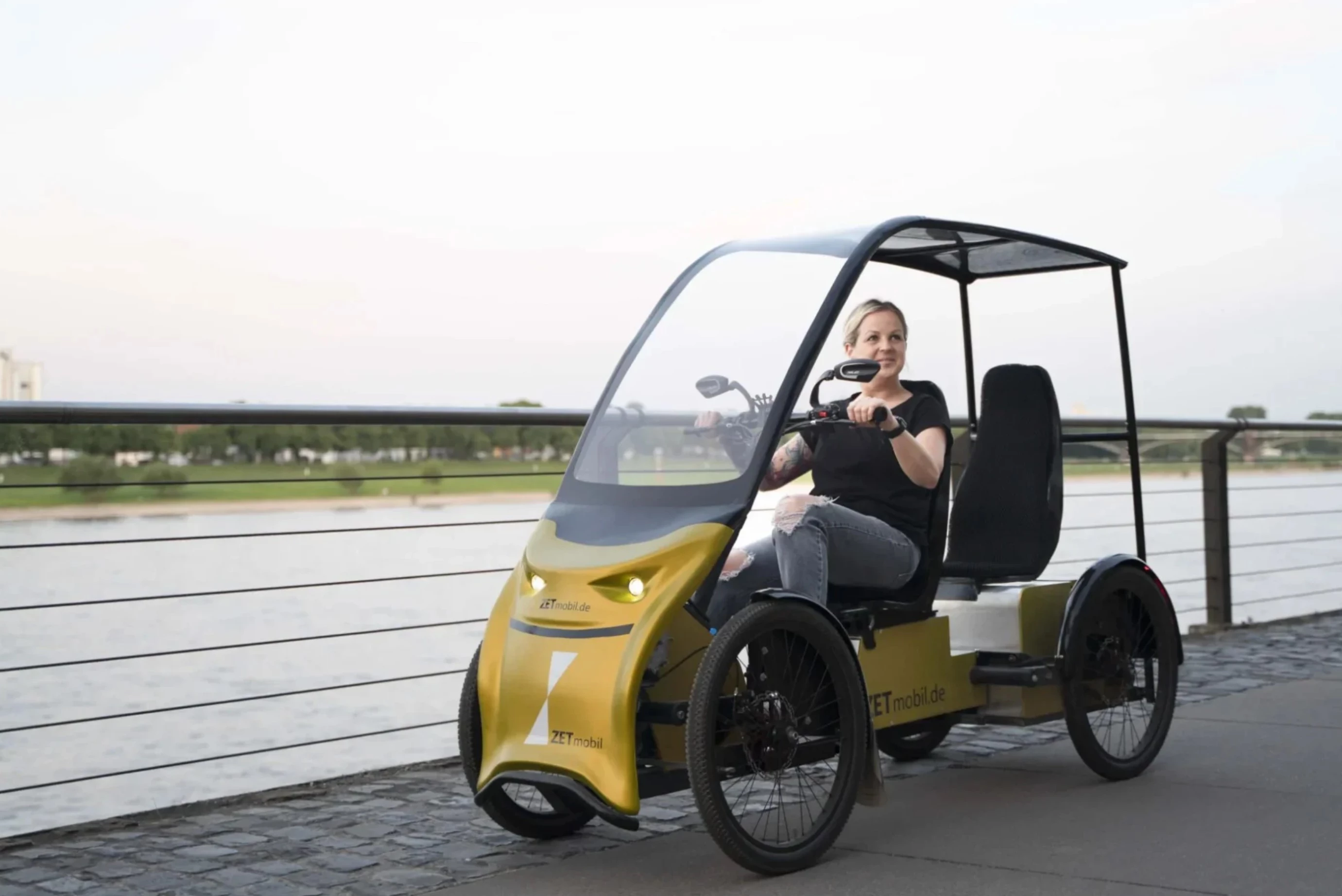
Velomobiles are fully enclosed and offer better weather protection. They need more effort to pedal but save more energy from wind resistance.
| Feature | Electric Bikes | Velomobiles |
| Weather Protection | Low | High |
| Energy Use | Moderate | Low |
| Speed | Medium | High |
| Storage Space | Limited | More |
Public Transport And Velomobile Integration
Public transport helps reduce car use and pollution. It works best for long trips or crowded cities.
- Velomobiles can be used to reach bus or train stops.
- They are easier to park and store than cars.
- Some public systems allow velomobiles on board.
- This mix lowers carbon emissions and traffic.
Walking, Cycling, And Velomobile Synergies
Walking and cycling are the simplest green transport methods. Velomobiles add speed and comfort to cycling.
Velomobiles still need bike lanes and safe paths. They encourage active travel with less sweat and more distance.
- Velomobiles protect riders from rain and wind.
- They reduce fatigue on long rides.
- Encourage more people to cycle regularly.
- Help connect walking and cycling routes smoothly.
Credit: newatlas.com
Challenges And Limitations
Velomobiles offer a green way to travel but face some challenges. These issues can limit their use in daily life.
Understanding these challenges helps users decide if a velomobile fits their needs.
Weather And Terrain Constraints
Velomobiles work best in mild weather and smooth roads. Rain, snow, and strong winds can make riding difficult. Hilly or rough terrain also limits their use.
- Heavy rain reduces visibility and safety.
- Snow and ice make roads slippery for velomobiles.
- Strong winds can push velomobiles off balance.
- Steep hills require more effort to pedal.
- Uneven or rocky roads can damage the vehicle.
Cost And Accessibility
Velomobiles cost more than regular bikes. This price can stop many people from buying one. Also, few stores sell or repair velomobiles, making access hard.
| Factor | Details |
| Initial Cost | Higher than traditional bicycles |
| Maintenance | Special parts and skilled mechanics needed |
| Availability | Limited dealers and service centers |
| Insurance | May be costly or unavailable |
Storage And Parking Issues
Velomobiles are larger than normal bikes. Finding a place to park or store them can be hard. Some homes and workplaces lack space for these vehicles.
- Need more room in garages or bike racks.
- Hard to fit in standard bike lockers.
- Parking spots may not accommodate their size.
- Storage indoors is often necessary to avoid theft.
Future Of Velomobiles In Green Transport
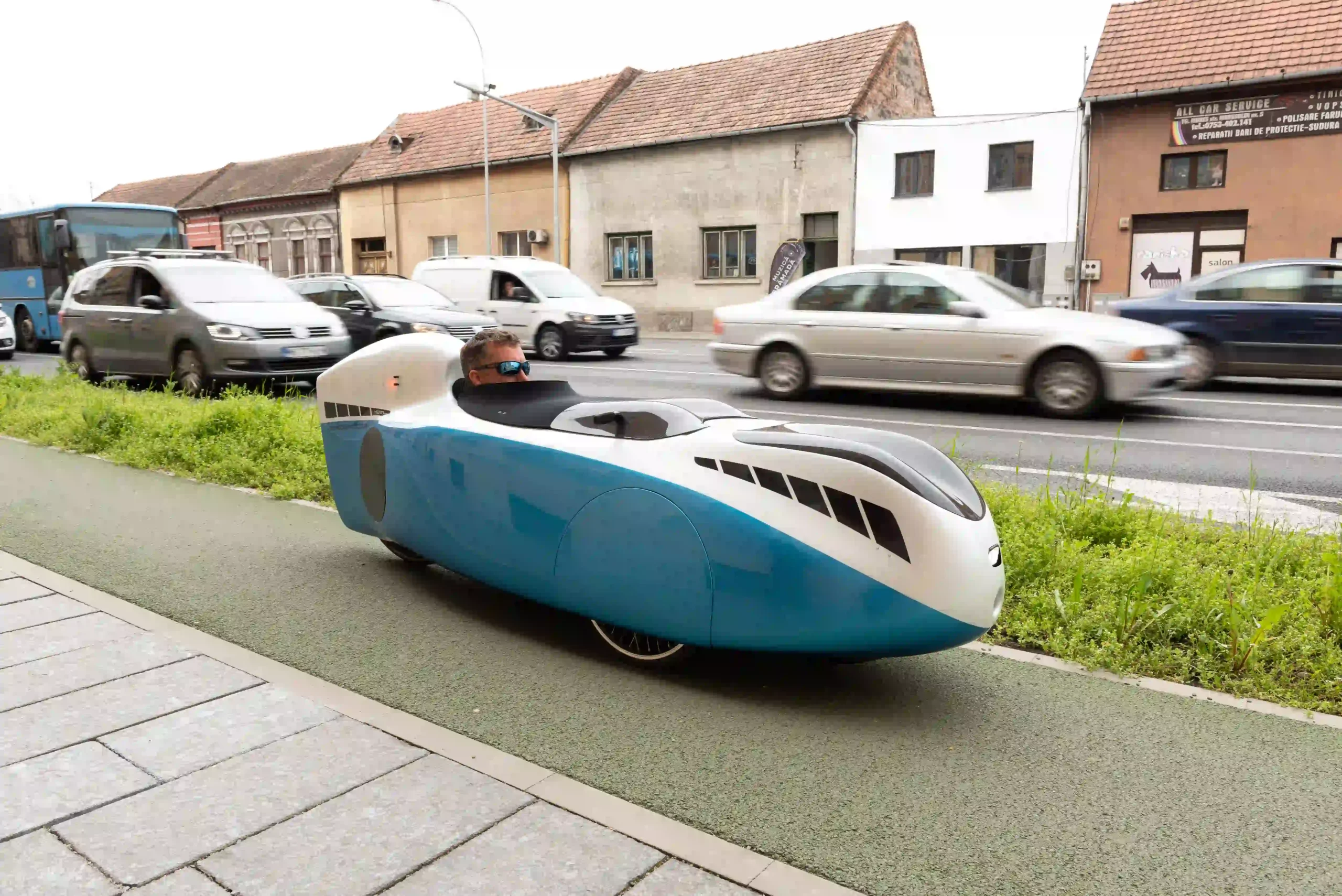
Velomobiles are human-powered vehicles with a shell that protects riders. They use less energy than cars and produce no pollution. These features make them a strong option for green transport in the future.
As cities look for cleaner transport solutions, velomobiles can help reduce traffic and emissions. Their design and efficiency can support more sustainable travel options for many people.
Innovations In Design And Technology
Velomobile designs are improving with better materials and shapes. These changes make them lighter and faster. New technology also helps riders with electric assistance and safety features.
Battery-powered motors in some models help riders travel longer distances. Advanced aerodynamics reduce air resistance. These improvements make velomobiles more practical for daily use.
Policy Support And Infrastructure Development
Governments can encourage velomobile use by creating supportive policies. They can offer incentives and include velomobiles in transport plans. Building safe lanes and parking spots is also important.
Good infrastructure helps velomobile riders travel safely and comfortably. Cities that invest in bike paths and charging stations create better conditions for green transport options.
- Create more protected bike lanes
- Provide parking areas for velomobiles
- Offer subsidies for buying velomobiles
- Include velomobiles in traffic rules
Potential For Mass Adoption
Velomobiles can become popular if they meet people’s needs. Comfort, speed, and safety are key factors. Affordable prices and easy access also help more people choose them.
Workplaces and schools can support velomobile use by offering facilities. Public awareness about benefits encourages more riders. Mass adoption can lead to cleaner air and less traffic congestion.
Credit: www.velomobileworld.com

Credit: www.msn.com
Frequently Asked Questions
Are Velomobiles Better For The Environment Than Cars?
Yes, velomobiles produce zero emissions during use. They rely on human power, reducing fossil fuel consumption. This makes them significantly more eco-friendly than traditional cars.
How Do Velomobiles Reduce Carbon Footprints?
Velomobiles lower carbon footprints by replacing motorized transport. They use less energy and materials to manufacture. Their lightweight design promotes energy efficiency, cutting overall environmental impact.
Can Velomobiles Help Reduce Urban Pollution?
Absolutely. Velomobiles emit no exhaust gases, reducing air pollution in cities. They also decrease noise pollution due to their quiet operation. This supports cleaner, healthier urban environments.
What Materials Are Used In Eco-friendly Velomobiles?
Many velomobiles use recyclable materials like aluminum and fiberglass. Some models incorporate sustainable composites and eco-friendly paints. These materials minimize environmental harm during production and disposal.
Conclusion
Velomobiles offer a greener way to travel short distances. They use less energy than cars and produce no pollution while riding. Their design helps save energy by cutting wind resistance. Using velomobiles can reduce traffic and noise in cities. Maintenance and production have some impact, but much lower than cars.
Choosing velomobiles supports cleaner air and healthier communities. A small change that helps the planet. A smart step toward eco-friendly transportation.



