

Are you tired of high car costs eating up your budget? What if there was a way to get around that saves you money, keeps you healthy, and helps the environment?
Velomobiles might be the surprising answer you’re looking for. But are velomobiles really cheaper than cars? You’ll discover the true costs behind both options and find out if switching to a velomobile could be the smartest choice for your wallet and lifestyle.
Keep reading—you might be closer to saving big than you think.
Cost Comparison Basics
Velomobiles and cars serve similar purposes but differ a lot in costs. Understanding these costs helps you choose what fits your budget.
This section breaks down the main expenses to consider when comparing velomobiles and cars.
Initial Purchase Prices
Velomobiles are usually cheaper to buy than cars. They are smaller and use fewer materials. Cars need engines and complex parts, which cost more.
Basic velomobiles can cost a few thousand dollars. New cars often start at tens of thousands of dollars. This makes velomobiles a low-cost option upfront.
- Velomobile price range: $3,000 to $10,000
- New car price range: $20,000 to $40,000+
- Used cars vary but usually cost more than velomobiles
Financing And Insurance Costs
Cars often require loans to buy because of their high prices. This adds interest and monthly payments. Velomobiles usually do not need financing due to lower prices.
Insurance for cars is often mandatory and costly. Velomobiles may not need insurance or have lower insurance costs. This reduces ongoing expenses.
- Car loans add interest and monthly costs
- Velomobiles often paid in full upfront
- Car insurance can be expensive and required by law
- Velomobile insurance is cheaper or optional in many areas
Operating Expenses
Operating expenses are important when comparing velomobiles and cars. These costs include fuel or energy, maintenance, and repairs. Understanding these can help you see which option is cheaper to run.
Velomobiles often cost less to operate than cars. This is mainly due to their lower energy needs and simpler maintenance. Let’s look at the details.
Fuel And Energy Consumption
Cars use gasoline or diesel, which can be expensive. They also need more fuel because of their weight and engine size. Velomobiles use human power and sometimes electric assist. This makes their energy use much lower.
Charging an electric assist velomobile costs less than filling a car’s gas tank. Pedaling uses no fuel at all. This means velomobiles have very low fuel or energy costs.
- Cars need regular fuel refills, which can be costly.
- Velomobiles mostly run on human power, costing nothing.
- Electric assist on velomobiles uses little electricity.
- Energy cost for velomobiles is much lower than for cars.
Maintenance And Repairs
Cars have many parts that need regular care. This includes oil changes, brake checks, and tire replacements. Repairs can be expensive due to complex engines and systems.
Velomobiles have simpler mechanics. They need less frequent maintenance and cheaper parts. Many repairs can be done by the owner, saving money.
- Car maintenance includes engine and transmission care.
- Velomobile maintenance is mainly for tires, brakes, and chains.
- Repairs for cars are often costly and require professionals.
- Velomobile repairs are simpler and less expensive.
Parking And Storage Costs
Parking and storage are important costs to consider when choosing between velomobiles and cars. These costs can add up over time and affect your budget.
Velomobiles are smaller and lighter than cars, which changes how and where you can park or store them. Understanding these differences helps you save money.
Parking Space Requirements
Velomobiles need much less space than cars. You can park a velomobile in places where a car would not fit. This means you can often find free or cheaper parking.
- Velomobiles fit in bike racks or small storage spots.
- Cars need wider and longer parking spaces.
- Parking fees for cars are usually higher because of space size.
- Velomobile parking may be free in many areas.
Garage And Storage Costs
Storing a velomobile at home or in a garage costs less than storing a car. Velomobiles take up less room and do not require large garage spaces.
| Type | Velomobile | Car |
| Garage Size Needed | Small (fits like a large bike) | Large (fits full vehicle) |
| Monthly Storage Cost | Low or none | Medium to high |
| Outdoor Storage | Often possible with cover | Less ideal, may cause damage |
Impact On Overall Cost
Lower parking and storage costs can make velomobiles cheaper to own than cars. These savings add up over time and reduce monthly expenses.
- Less money spent on parking fees.
- Smaller or no garage rental costs.
- Lower risk of parking fines due to size and flexibility.
- Easy to store indoors or in small spaces.

Credit: www.reddit.com
Depreciation And Resale Value
Velomobiles and cars differ greatly in how they lose value over time. Understanding depreciation helps buyers choose wisely.
This section compares how quickly velomobiles and cars lose value and what affects their resale price.
Depreciation Rates
Cars typically lose 15-20% of their value each year in the first five years. Velomobiles have a slower depreciation rate due to lower demand and simpler mechanics.
- Cars lose value fast because of wear, mileage, and new models.
- Velomobiles keep value better as they have less moving parts.
- Limited production of velomobiles keeps resale prices stable.
Factors Affecting Resale Value
Several factors influence how much you can sell a vehicle for after use. These factors differ between cars and velomobiles.
| Factor | Effect on Cars | Effect on Velomobiles |
| Mileage | High mileage lowers value | Mileage less critical |
| Condition | Scratches and dents reduce price | Condition important but easier to maintain |
| Model Popularity | Popular models keep value | Rare models may fetch higher prices |
| Technology | New tech lowers old car value | Less tech means slower value loss |
Resale Market Availability
The resale market for cars is large and well established. Velomobiles have a smaller but growing resale market.
Key resale market points:
- Cars sell easily through many channels like dealers and online.
- Velomobiles require specialized buyers and may take longer to sell.
- Careful maintenance improves resale chances for both.
Environmental Impact Savings
Choosing how you travel affects the environment a lot. Velomobiles use less energy than cars. This means they can save the planet from pollution.
Understanding these savings helps you see why velomobiles are a good choice for many people.
Lower Carbon Emissions
Velomobiles do not burn fuel like cars. They run mostly on human power or small electric motors. This causes much less carbon dioxide to enter the air.
Cars release a large amount of greenhouse gases every day. Velomobiles help reduce this problem by producing near zero emissions.
Less Energy Consumption
Cars need a lot of energy to move. Velomobiles need far less energy because they are lighter and more efficient. This saves natural resources.
- Velomobiles use human muscle power mainly
- Electric assist uses less battery power than cars
- Lower energy use means less pollution overall
Reduced Resource Use
Building a car uses many metals, plastics, and energy. Velomobiles need fewer materials because they are smaller and simpler. This reduces waste and saves resources.
Less resource use means fewer mining and manufacturing impacts on nature.
Less Noise Pollution
Velomobiles make little to no noise. Cars create loud sounds that disturb people and animals. Using velomobiles helps keep neighborhoods quiet and calm.
Quieter travel also improves the quality of life in busy cities and towns.
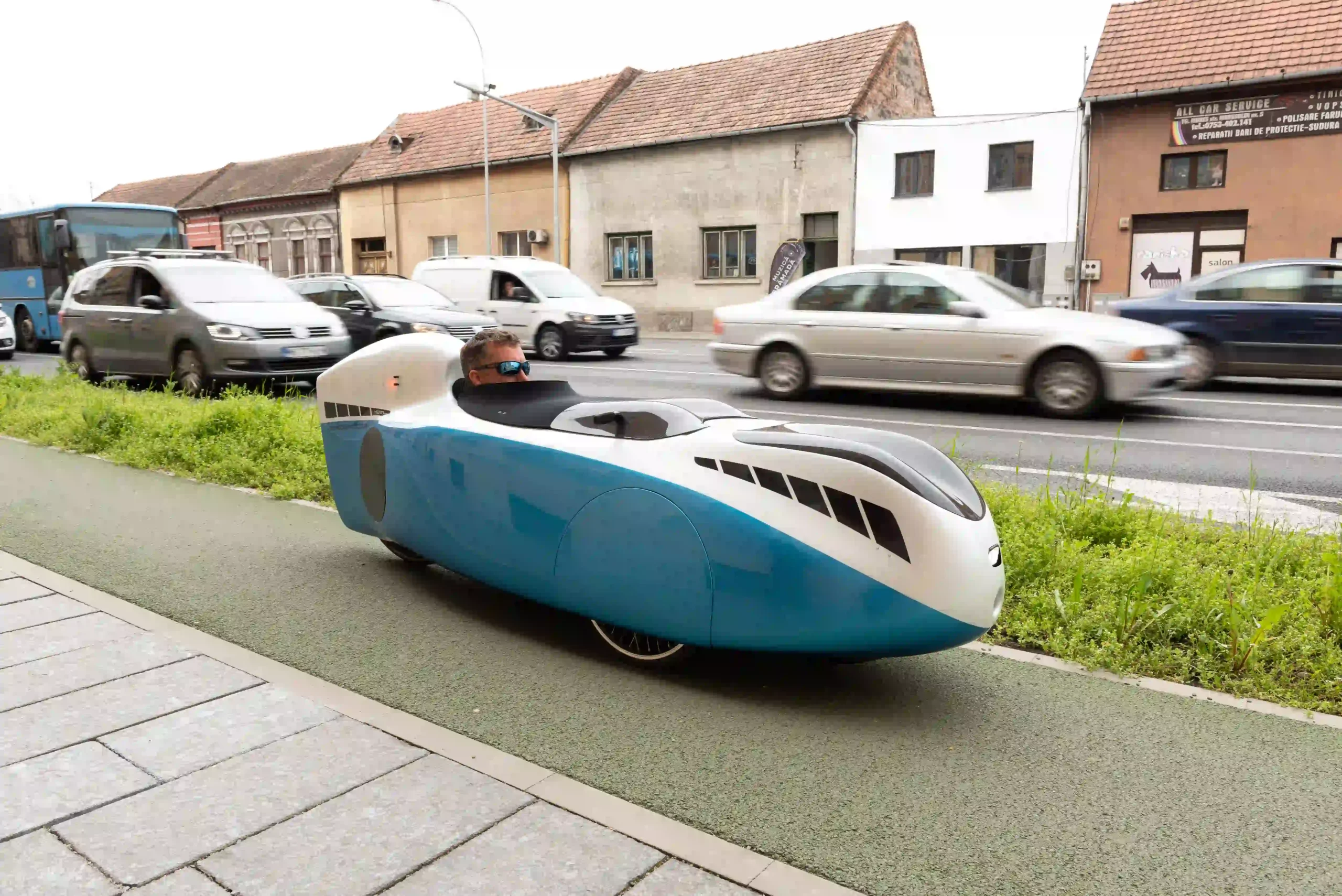
Credit: www.velomobileworld.com
Health And Lifestyle Benefits
Choosing a velomobile over a car can improve your health. It offers an active way to travel every day.
Velomobiles also support a lifestyle that is good for the environment and your well-being.
Physical Exercise
Riding a velomobile gives you regular exercise. It helps strengthen your heart and muscles.
You can burn calories and improve fitness while commuting to work or running errands.
Mental Health Benefits
Being active outdoors reduces stress and boosts mood. Velomobile riders often feel happier and calmer.
Fresh air and sunlight help improve sleep and increase energy levels throughout the day.
Better Lifestyle Habits
Using a velomobile encourages healthy daily routines. You spend less time sitting and more time moving.
- Regular cycling helps maintain a healthy weight
- Active travel reduces the risk of chronic diseases
- Less time in traffic means more free time
Reduced Environmental Impact
Velomobiles produce no pollution. They help reduce air and noise pollution in cities.
Choosing them supports cleaner air and a healthier community for everyone.
When Velomobiles Are Most Cost-effective
Velomobiles are small, enclosed bikes powered by pedals. They use less money than cars in many ways. Knowing when velomobiles save the most money helps you choose the right transport.
This guide shows when velomobiles cost less than cars. It focuses on daily use, fuel costs, parking, and maintenance.
Short Distance And City Travel
Velomobiles are best for short trips in cities. They do not need fuel and avoid traffic jams. This saves money and time.
Cars cost more for short trips due to fuel and parking. Velomobiles use your energy and cost almost nothing to run.
- Trips under 10 miles
- Busy city areas
- Places with high parking fees
Low Fuel And Energy Expenses
Velomobiles do not need gas or electricity like cars. They only need your pedaling energy. This means no fuel bills.
Cars use fuel that costs money every week. Velomobiles only need occasional battery power if they have electric assist.
- No gas or diesel needed
- Only small electric use if assisted
- Lower monthly energy costs
Low Maintenance And Repair Costs
Velomobiles have fewer parts than cars. They need less oil, brake pads, and other car parts. Repairs are often cheaper too.
Cars need regular servicing and expensive parts. Velomobiles can be fixed at home or by bike shops, cutting costs.
- Simple bike-like parts
- Less oil and fluid changes
- Lower repair costs
Reduced Parking And Storage Fees
Velomobiles are smaller and fit in bike racks or small spaces. This saves money on parking fees. Some places charge a lot for car parking.
You can often park velomobiles for free near work or home. Cars need bigger spots and usually pay higher fees.
- Fits in bike parking
- Free or low-cost storage
- Less risk of parking fines
When Environmental Costs Matter
Velomobiles produce no pollution while moving. This reduces environmental costs. This is important in cities with pollution rules.
Cars create pollution and may face fees or restrictions. Using velomobiles can avoid extra costs linked to pollution.
- No fuel emissions
- Less wear on roads
- Avoid pollution fees

Credit: newatlas.com
Frequently Asked Questions
Are Velomobiles More Affordable Than Cars?
Velomobiles typically cost less upfront and have lower maintenance expenses. They use no fuel, reducing daily costs significantly. Over time, they prove more economical compared to traditional cars.
How Much Can Velomobiles Save On Fuel Costs?
Velomobiles require no gasoline or diesel, saving 100% on fuel. This makes them ideal for cost-conscious commuters and eco-friendly travelers who want to reduce expenses.
What Are The Maintenance Costs Of Velomobiles Versus Cars?
Velomobile maintenance is simpler and cheaper, involving bike-like repairs. Cars need frequent, costly services like oil changes and engine repairs, making velomobiles more budget-friendly.
Can Velomobiles Replace Cars For Daily Commuting?
For short to medium distances, velomobiles are practical and cost-effective. However, they may not suit long trips or harsh weather, limiting car replacement in some cases.
Conclusion
Velomobiles offer a cost-effective alternative to cars. They save on fuel and maintenance. Many people find them eco-friendly and practical for short trips. Velomobiles have lower upfront costs compared to cars. Insurance and taxes are often less, too. They fit well in busy urban areas.
Velomobiles can be a great choice for daily commutes. While not for everyone, they suit many lifestyles. Consider your needs and preferences. Evaluate both options carefully. Whether for savings or environment, the choice is yours. Velomobiles or cars, each has unique benefits.
Choose what best suits your life and budget.



