
Are you wondering whether velomobiles or e-bikes are the better choice for your daily rides? You’re not alone.
Both offer exciting ways to travel faster and with less effort, but they come with different benefits and challenges. Imagine cutting through traffic smoothly, staying dry on rainy days, or enjoying a workout without exhausting yourself. Which one fits your lifestyle best?
Keep reading, and you’ll discover the key differences that can help you make the right decision for your rides, your comfort, and your budget.
Credit: gearjunkie.com
Velomobiles Basics
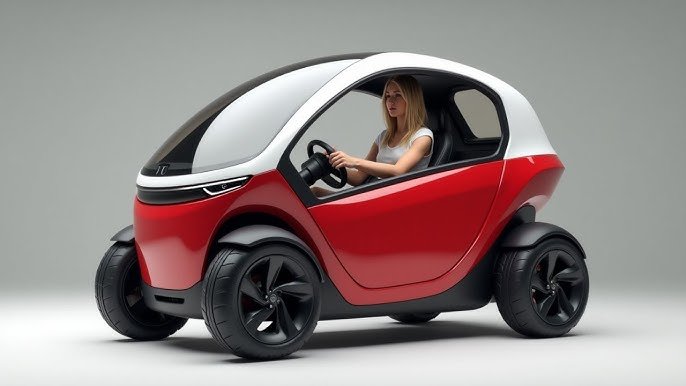
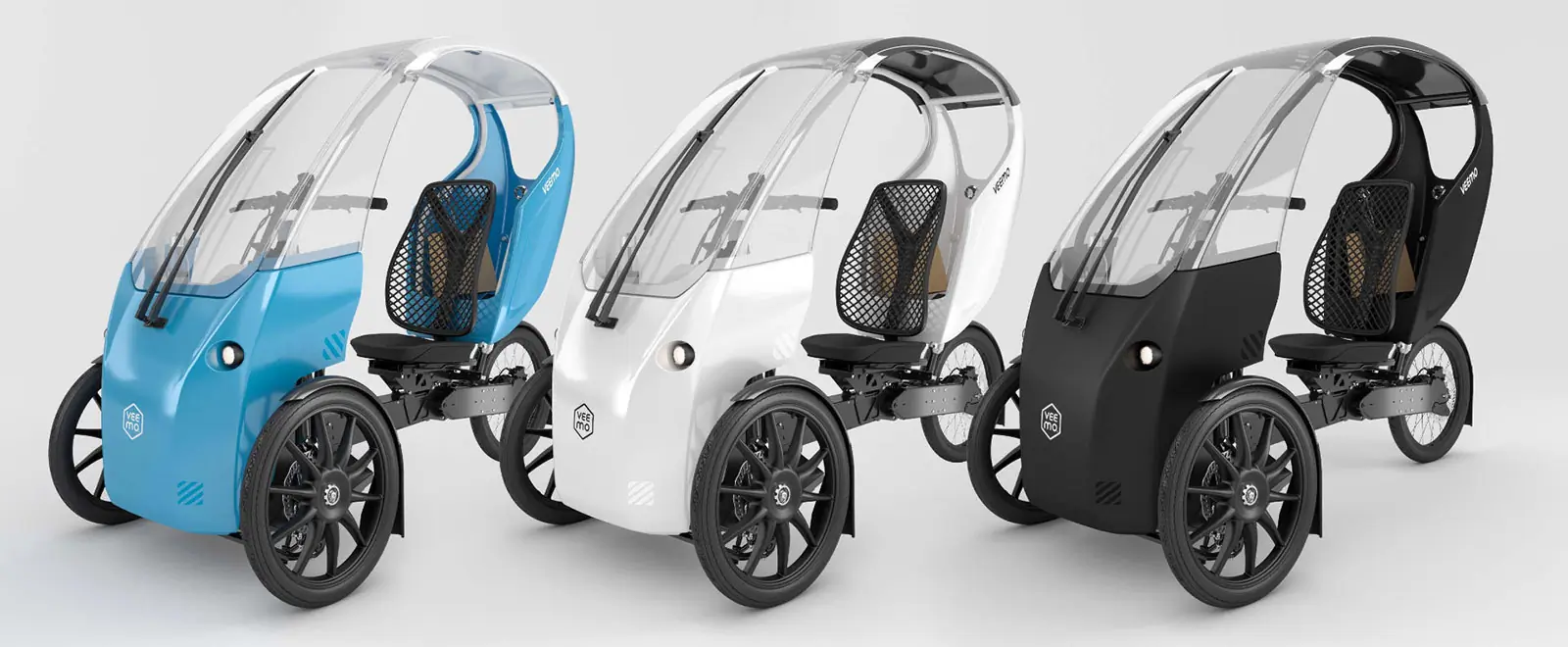
Velomobiles are human-powered vehicles with a shell for weather protection. They look like enclosed bicycles or trikes.
People use velomobiles for commuting, exercise, and long rides. They offer a mix of speed, comfort, and safety.
Design And Structure
Velomobiles have a strong frame covered by a lightweight shell. The shell reduces air drag and shields riders.
Most velomobiles have three wheels, which help with balance and stability. Riders sit low inside the vehicle.
- Enclosed aerodynamic body
- Three wheels for balance
- Recumbent seating position
- Lightweight but sturdy materials
Performance Features
Velomobiles are faster than regular bikes because of their shape. The shell cuts wind resistance significantly.
They often include gears and efficient drivetrains. Some have electric assist motors for extra help on hills.
- Low air resistance improves speed
- Good gear systems for varied terrain
- Optional electric assist motors
- Comfortable for long rides
Typical Uses
People use velomobiles mainly for daily travel and fitness rides. They work well in cities and on country roads.
They are also popular for long-distance cycling. Their design keeps riders dry and safe in different weather.
- Daily commuting in all weather
- Exercise and fitness rides
- Long-distance and touring
- Safe travel with weather protection

Credit: www.youtube.com
Ebike Essentials
E-bikes are bicycles with electric motors. They help riders pedal with less effort. Many people choose e-bikes for daily travel and fun rides.
Understanding e-bike basics helps you decide if they fit your needs. This guide covers types, power, range, and common uses.
Types And Models
E-bikes come in many shapes and styles. Each type suits different riding needs and terrains.
- City e-bikes: Designed for smooth roads and short trips.
- Mountain e-bikes: Built for rough trails and hills.
- Folding e-bikes: Compact and easy to store or carry.
- Speed e-bikes: Can go faster, often used for longer rides.
Power And Range
E-bike power comes from a motor measured in watts. Common motors range from 250W to 750W. More power helps climb hills easier.
Battery size affects how far you can ride. Most e-bikes travel between 20 and 60 miles on one charge. Range depends on speed, terrain, and rider weight.
- 250W motor: Good for flat areas and light assistance.
- 500W motor: Offers stronger help on hills.
- 750W motor: Suited for steep climbs and heavy loads.
- Range varies from 20 to 60 miles per charge.
Common Applications
People use e-bikes for many purposes. They make commuting faster and easier. E-bikes also help riders enjoy longer trips without getting tired.
- Daily commuting to work or school
- Running errands around town
- Exploring trails and parks
- Recreational rides with friends or family
Speed And Efficiency
Velomobiles and ebikes both offer fast travel options. They differ in how they use speed and energy.
Understanding their speed and efficiency helps decide which fits your needs.
Acceleration And Top Speed
Velomobiles have a streamlined shape that reduces air drag. This helps them reach higher speeds quickly.
Ebikes rely on motor power for quick starts but often have lower top speeds than velomobiles.
- Velomobiles accelerate smoothly due to low wind resistance
- Ebikes can boost speed instantly with electric motor
- Velomobiles often have higher top speeds on flat roads
- Ebikes top speed depends on motor limits and bike design
Energy Consumption
Velomobiles use less energy because of their aerodynamic design. They need less effort to maintain speed.
Ebikes consume battery power, which varies by motor size and riding style. They use more energy on hills.
- Velomobiles save energy by cutting wind resistance
- Ebikes use battery power to assist pedaling
- Velomobiles require some physical effort but less than regular bikes
- Ebikes need frequent charging depending on use
Terrain Handling
Velomobiles work best on smooth, flat surfaces. Their low ground clearance limits rough terrain use.
Ebikes handle varied terrains better. They are lighter and more agile on hills and rough roads.
- Velomobiles excel on paved roads and bike paths
- Ebikes perform well on hills, dirt, and uneven ground
- Velomobiles can struggle with sharp turns due to size
- Ebikes offer easier control in traffic and tight spaces

Credit: www.youtube.com
Comfort And Safety
Choosing between a velomobile and an ebike depends on comfort and safety. Both offer unique benefits for riders.
This guide compares riding position, weather protection, and visibility to help understand which is better for comfort and safety.
Riding Position
Velomobiles have a reclined riding position that supports the back. This reduces strain on the neck and wrists during long rides.
Ebikes usually have an upright position, which is familiar and easy to balance. This position allows quick stops and better control in traffic.
Weather Protection
Velomobiles provide full or partial enclosure. This protects riders from rain, wind, and cold temperatures better than ebikes.
- Velomobiles keep riders dry in rain.
- They block wind and reduce chill.
- Some models have built-in ventilation.
- Ebikes expose riders to weather elements.
- Riders need extra gear like jackets and gloves.
Visibility And Stability
| Velomobiles | Ebikes | |
| Visibility to others | Lower profile, may be harder to see | Higher profile, easier to notice |
| Stability | Three or four wheels offer strong stability | Two wheels require balance and skill |
| Safety in traffic | Enclosed body adds protection in minor crashes | Less physical protection, relies on rider gear |
Cost And Maintenance
Choosing between velomobiles and ebikes often depends on cost and upkeep. Both have different expenses upfront and over time.
Understanding these differences helps you decide which one fits your budget and lifestyle better.
Initial Investment
Velomobiles usually cost more to buy than ebikes. They have a larger frame and more materials.
Ebikes are simpler and often cheaper to start with. You can find many models at lower prices.
- Velomobiles cost between $5,000 and $15,000
- Ebikes range from $1,000 to $4,000
- Velomobiles need special parts, raising costs
- Ebikes have more common parts and batteries
Upkeep And Repairs
Velomobiles need more maintenance because of their size and parts. Repairs can be harder to find.
Ebikes require regular battery care and motor checks. Their parts are easier to replace and fix.
- Velomobile repairs may need specialist mechanics
- Ebike parts are widely available
- Regular tire and brake checks are needed for both
- Batteries in ebikes may need replacement every few years
Longevity
Velomobiles often last longer if well maintained. Their frames are strong and built to last.
Ebikes can have shorter life spans because of battery wear. The motor and electronics may also need updates.
- Velomobile frames can last 10+ years
- Ebike batteries usually last 3-5 years
- Proper care extends life for both types
- Electronic parts in ebikes may need replacing sooner
Environmental Impact
Choosing between velomobiles and ebikes affects the environment differently. Both offer greener transport options than cars.
Understanding their environmental impact helps decide which is better for sustainability.
Sustainability Factors
Velomobiles rely mostly on human power with small electric help. This lowers energy use over time.
Ebikes use more electricity but still save energy compared to gas vehicles. Battery life and recycling matter here.
Emissions Comparison
Velomobiles produce almost no emissions during use. They depend mainly on pedaling, which is clean energy.
Ebikes emit some carbon when charging batteries. The source of electricity affects total emissions.
- Velomobiles: Near zero emissions while riding
- Ebikes: Emissions depend on electric grid
- Both reduce emissions compared to cars
Material Usage
Velomobiles use more materials for their shells and frames. These materials can include plastics and metals.
Ebikes generally use less material but need batteries and motors. Battery production has a bigger impact.
- Velomobiles: More frame and body materials
- Ebikes: Battery materials affect environment
- Recycling parts helps reduce waste
Practicality And Storage
Velomobiles and ebikes offer different benefits for daily use. Understanding their practicality and storage needs helps you decide which fits your lifestyle.
We will look at parking, portability, and storage options for both types of vehicles.
Parking And Space Needs
Velomobiles are larger than ebikes and need more space for parking. They are wider and longer, so parking spots must be bigger.
Ebikes are smaller and can fit in tight spaces. They often park like regular bicycles, which need less room.
- Velomobiles require a large, flat area for parking
- Ebikes fit in standard bike racks or small spaces
- Velomobiles may not fit in some bike parking zones
- Ebikes can be parked indoors more easily
Portability
Velomobiles are heavy and bulky, making them hard to move without riding. They cannot be carried easily.
Ebikes are lighter and some models fold. This makes them easier to carry or store in small places.
- Velomobiles require space to roll or ride for movement
- Most ebikes can be lifted or folded for transport
- Ebikes are better for mixed travel with public transport
- Velomobiles need special trailers or racks for transport
Storage Options
Storing velomobiles needs a large indoor or outdoor space. They do not fit in small garages or apartments easily.
Ebikes store well in small areas. Folding models save even more room, fitting under desks or in closets.
- Velomobiles need dedicated, spacious storage areas
- Ebikes can be stored in bike racks, closets, or small rooms
- Folding ebikes suit apartments and offices
- Velomobiles require weather protection when stored outside
User Experience
Velomobiles and ebikes offer different riding experiences. Both have unique benefits and challenges for users.
Understanding these differences helps you decide which fits your needs and lifestyle better.
Learning Curve
Velomobiles take more time to learn because of their shape and controls. Riders must get used to sitting low and steering differently.
Ebikes feel closer to traditional bikes. Most people can ride them with little practice.
- Velomobiles need balance and body control skills
- Ebikes are easier to handle for beginners
- Velomobiles may require training for safe use
- Ebikes offer a familiar riding feel
Daily Use Scenarios
Velomobiles work well for longer trips and bad weather. They protect riders from rain and wind.
Ebikes are good for quick errands and city rides. They are easy to park and store.
- Velomobiles offer weather protection and comfort
- Ebikes are lighter and easier to carry
- Velomobiles need more space to park
- Ebikes fit better in tight urban areas
Community And Support
The ebike community is large and growing fast. Many shops and online groups offer advice and help.
Velomobiles have smaller communities. Support is more limited but often very dedicated.
- Ebikes have many service centers and parts available
- Velomobile owners share tips in niche groups
- Ebikes offer many user forums and local clubs
- Velomobile support may need online research
Choosing The Right Option
Velomobiles and ebikes both offer unique ways to travel. Choosing the right one depends on your needs and preferences.
Consider your daily activities, budget, and what the future may bring before making a decision.
Lifestyle Considerations
Think about where and how you will use your vehicle. Velomobiles are enclosed and protect you from weather.
Ebikes are lighter and easier to store or carry inside. Choose based on your travel distance and comfort needs.
- Velomobiles suit longer rides in all weather
- Ebikes work well for short trips and city use
- Velomobiles offer more storage space
- Ebikes are easier to maneuver and park
Budget Constraints
Velomobiles usually cost more than ebikes. Consider upfront price and maintenance costs.
Ebikes tend to be cheaper and widely available. Factor in battery life and repair expenses.
- Velomobiles have higher initial cost
- Ebikes have more affordable models
- Both need battery replacements over time
- Maintenance varies by model and usage
Future Trends
Electric transportation is growing fast. New technologies improve batteries and designs for both velomobiles and ebikes.
Look for updates in safety features and smart controls that may affect your choice.
- Better batteries increase range and speed
- More lightweight materials reduce weight
- Smart tech adds convenience and safety
- Infrastructure changes may favor one option
Frequently Asked Questions
What Are The Main Differences Between Velomobiles And Ebikes?
Velomobiles have a full aerodynamic shell, offering weather protection and higher speed. Ebikes are simpler, lightweight, and easier to maneuver, suitable for varied terrains. Velomobiles excel in efficiency and comfort, while ebikes provide versatility and affordability.
Are Velomobiles More Expensive Than Ebikes?
Yes, velomobiles generally cost more due to their complex design and materials. Ebikes are widely available at various price points, making them more accessible for most riders. Maintenance costs for velomobiles can also be higher.
Which Is Better For Commuting: Velomobile Or Ebike?
Velomobiles offer better protection from weather and more speed, ideal for long commutes. Ebikes are more compact and easier to park, perfect for urban environments. Your choice depends on distance, weather, and parking needs.
Do Velomobiles Offer Better Battery Range Than Ebikes?
Velomobiles are more aerodynamic, which can extend battery range compared to standard ebikes. However, weight and battery size also affect performance. Generally, velomobiles provide longer rides on a single charge under similar conditions.
Conclusion
Velomobiles offer great protection and speed. Ebikes are simpler and lighter to use. Both have pros and cons for daily rides. Your choice depends on your needs and budget. Think about comfort, distance, and storage space. Each option can make travel easier and fun.
Try both if you can before deciding. Enjoy your ride, whatever you choose!



