
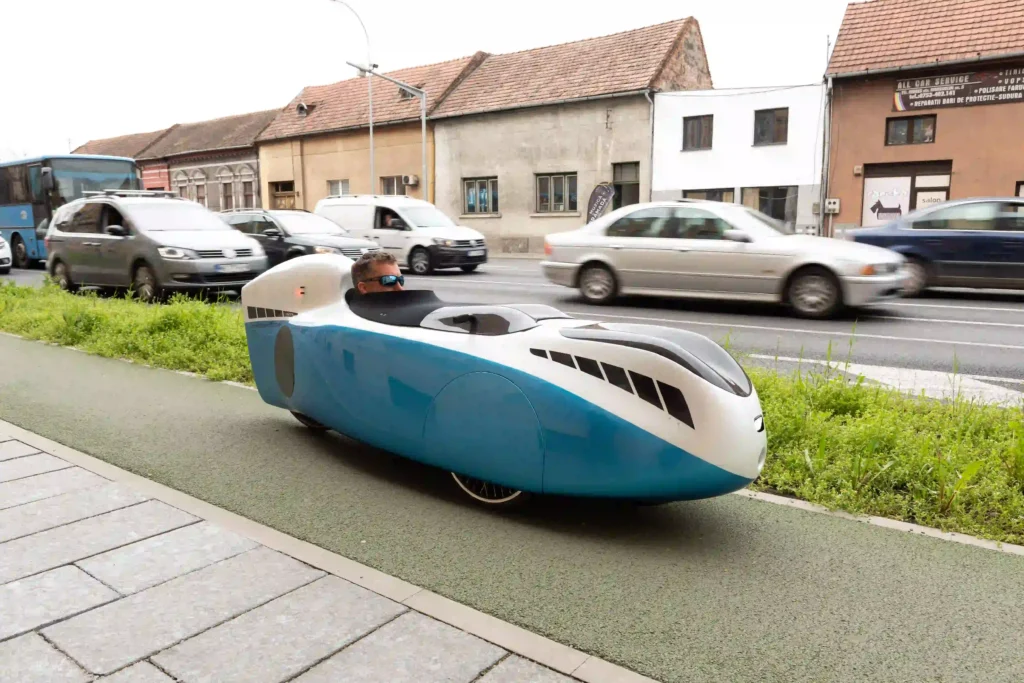
Have you ever wondered if velomobiles really cut through the air as smoothly as they look? If you’re curious about whether these sleek, three-wheeled bikes can boost your speed and efficiency, you’re in the right place.
Understanding how aerodynamic velomobiles are can change the way you think about cycling and even your next ride. Keep reading to discover the surprising facts that might just make you want to try one yourself.
Credit: www.velomobileworld.com
Velomobile Design Basics
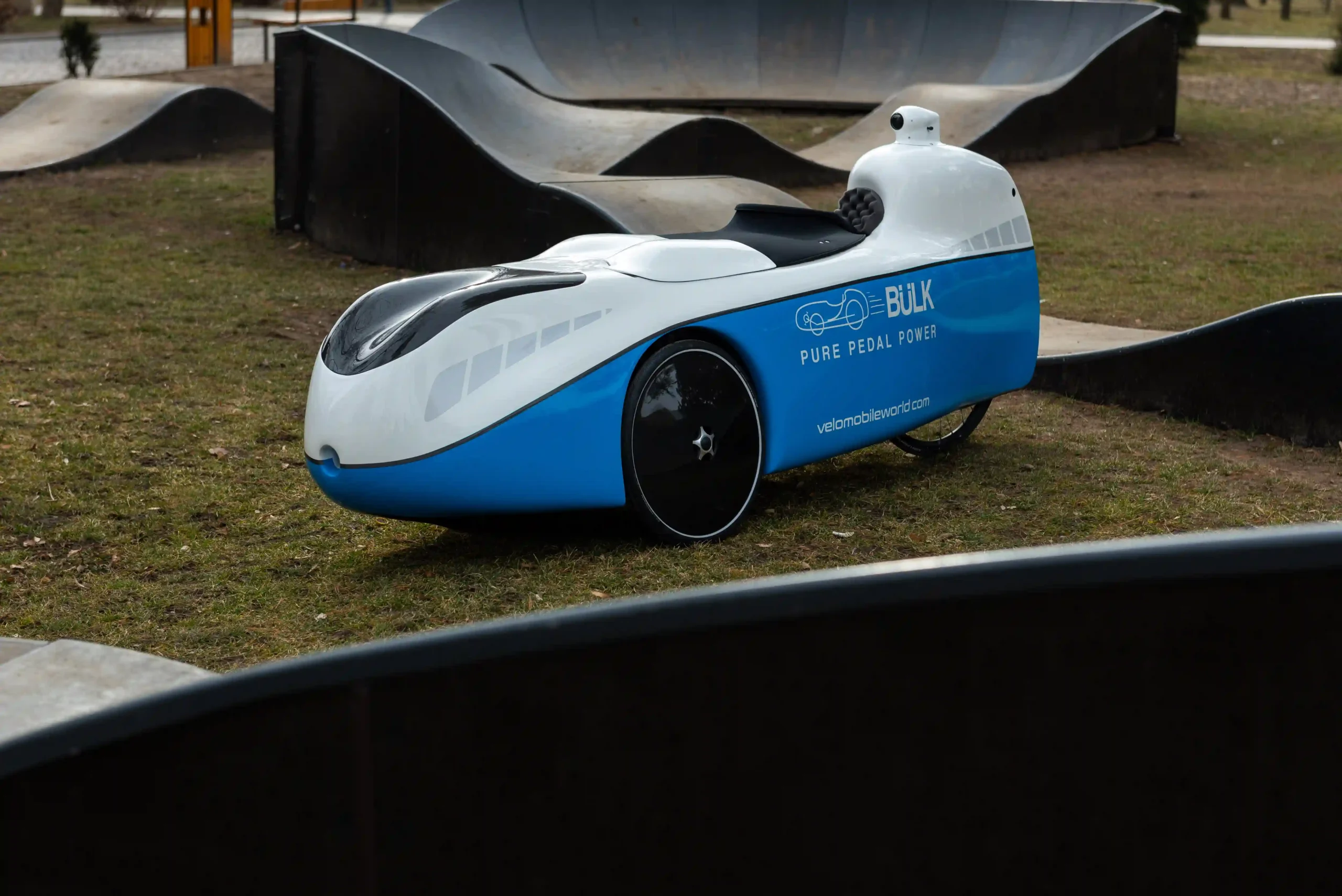
Velomobiles are special bikes with a shell around them. They help riders go faster by cutting air resistance. This design makes velomobiles very aerodynamic.
Understanding the design helps to see why they move efficiently. Key parts include the shape, materials, and how they compare to regular bikes.
Shape And Structure
The shape of a velomobile is smooth and rounded. It covers the rider and wheels fully or partly. This reduces drag from wind.
- Teardrop shapes are common for better airflow
- Low height helps reduce air resistance
- Enclosed wheels lower turbulence
- Streamlined front and rear ends improve speed
Materials Used
Velomobiles use light and strong materials. This helps keep the vehicle light for easy pedaling. The shell must also be stiff for safety.
| Material | Benefit |
| Fiberglass | Lightweight and affordable |
| Carbon fiber | Very strong and light |
| Aluminum | Durable and rust-resistant |
| Plastic composites | Flexible and easy to shape |
Comparison With Traditional Bikes
Velomobiles are different from regular bikes in design and performance. They focus on speed and comfort.
| Feature | Velomobile | Traditional Bike |
|---|---|---|
| Aerodynamics | High due to enclosed shape | Low, open frame |
| Weather Protection | Good, shell covers rider | Poor, rider exposed |
| Weight | Higher due to shell | Lower, simple frame |
| Speed | Faster on flat roads | Slower due to drag |
Aerodynamics Explained
Aerodynamics is about how air moves around objects. It is important for vehicles like velomobiles.
Good aerodynamics helps velomobiles move faster with less effort. It reduces air resistance.
Drag And Its Effects
Drag is the force that slows down moving objects in air. It acts opposite to the motion.
High drag means the rider must pedal harder. Low drag helps save energy and increase speed.
Role Of Streamlining
Streamlining shapes the velomobile to cut through air smoothly. It lowers drag by reducing air turbulence.
Rounded edges and smooth surfaces help air flow better. This design makes riding easier and faster.
- Reduces air resistance
- Improves speed
- Increases rider comfort
Wind Tunnel Testing
Wind tunnels test how air flows around velomobiles. They show where drag is highest and how to fix it.
Designers use wind tunnels to improve shapes before building real models. This saves time and money.
Speed Advantages
Velomobiles are designed to move fast. Their shape helps them cut through the air easily.
This design gives riders a clear speed advantage compared to regular bikes.
Reduced Air Resistance
Velomobiles have smooth, enclosed shapes. This lowers air resistance as they move.
Less air pushing back means riders use less effort to keep speed.
- Streamlined body reduces drag
- Enclosed design limits wind impact
- Better airflow around the vehicle
Acceleration And Top Speed
With lower air resistance, velomobiles accelerate faster. They reach higher top speeds too.
Riders can maintain high speeds for longer without extra effort.
- Quick start with less energy
- Higher maximum speed than regular bikes
- Efficient power use during rides
Real-world Performance
In real life, velomobiles show strong speed benefits. They handle well on flat roads and gentle hills.
Riders report smoother rides and faster trips compared to standard bicycles.
- Better speed on long rides
- Improved energy efficiency
- Comfortable for fast travel
Efficiency Gains
Velomobiles are bikes with shells around them. These shells help them cut through the air better. This makes riding easier and faster.
The shape of velomobiles reduces air drag. Less drag means riders use less energy to move forward.
Energy Conservation
Velomobiles save energy by lowering wind resistance. Riders do not need to pedal as hard as on regular bikes.
This means riders can go farther without getting tired quickly. The smooth design helps keep speed with less effort.
Long-distance Riding Benefits
Velomobiles are great for long rides. They keep riders safe from wind and weather.
The aerodynamic shape helps maintain steady speeds. Riders can cover more miles without slowing down.
- Less energy used over long distances
- Protection from wind and rain
- Better speed control on flat roads
Impact On Rider Fatigue
Riders feel less tired in velomobiles. The lower air resistance means less effort is needed.
With less energy spent fighting wind, muscles stay fresher. This helps riders enjoy longer trips without pain.
Challenges And Trade-offs
Velomobiles are designed to be aerodynamic to reduce air resistance. This helps riders go faster with less effort. Still, making a velomobile aerodynamic brings some challenges.
Designers must balance speed with other factors. These include weight, handling, and cost. Each choice affects how well the velomobile performs and feels to ride.
Weight Considerations
Adding aerodynamic shells often increases the weight of velomobiles. Heavier vehicles need more energy to pedal. This can tire riders faster, especially on hills.
Light materials like carbon fiber reduce weight but cost more. Designers must find a balance between lightness and durability.
Maneuverability Issues
Streamlined shapes can limit how easily a velomobile turns. Wider or longer bodies reduce agility on narrow or crowded paths. This makes riding in traffic or tight spaces harder.
Some velomobiles use special steering designs to improve control. These can add complexity and may need more maintenance.
Cost And Maintenance
Aerodynamic designs often require custom parts and materials. This raises the initial cost of the velomobile. Repairs can also be more expensive and harder to find.
Keeping the aerodynamic shell clean and intact takes effort. Small dents or cracks reduce performance. Riders must check their velomobile regularly to keep it efficient.
Credit: www.pixelandtimber.com
Future Of Velomobile Aerodynamics
Velomobiles are human-powered vehicles with a streamlined shape. Their aerodynamic design helps reduce air resistance. This makes riding faster and easier.
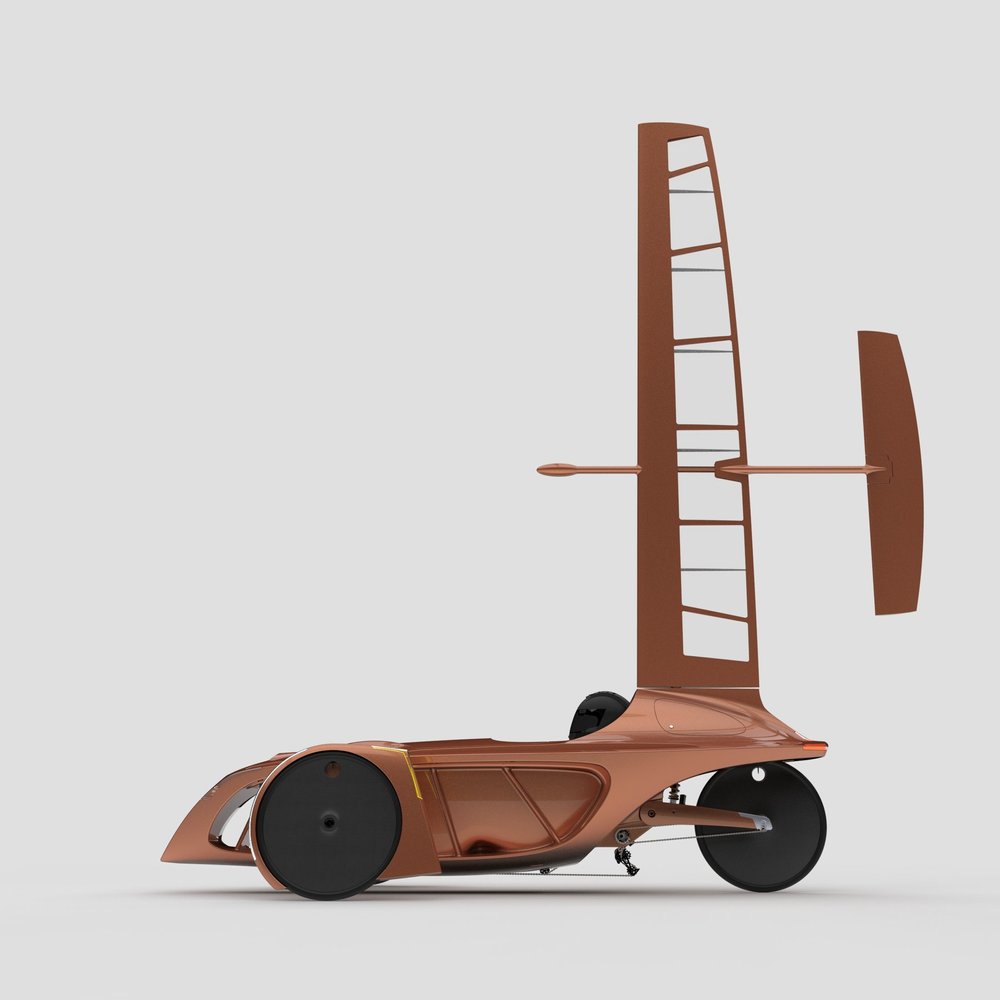
The future of velomobile aerodynamics looks promising. New ideas and technology will improve their speed and comfort.
Innovations In Design
Designers are making velomobiles lighter and sleeker. They use wind tunnel testing to find the best shapes. These designs help cut drag and save energy.
Materials like carbon fiber make velomobiles strong but light. Designers also focus on rider comfort and safety while keeping the shape smooth.
- Use of wind tunnel tests
- Lighter materials like carbon fiber
- Sleek, smooth body shapes
- Focus on rider comfort
Integration Of Technology
New technology helps velomobiles become smarter. Sensors can track speed, wind, and rider effort. This data helps improve riding experience and design.
Electric assist motors are added to help riders on hills. Advanced materials and 3D printing allow custom parts to fit each rider perfectly.
- Sensors for performance tracking
- Electric motors for assistance
- 3D printing for custom parts
- Data-driven design improvements
Potential For Mass Adoption
Velomobiles can become popular for commuting and recreation. They offer a fast, eco-friendly way to travel. More people may choose them as roads improve and prices drop.
Urban planning that supports bike lanes and safe parking will help velomobiles grow. Mass adoption depends on ease of use and affordability.
- Eco-friendly travel option
- Improved bike lanes and infrastructure
- Lower prices with mass production
- Increased comfort and safety features

Credit: www.velomobileworld.com
Frequently Asked Questions
What Makes Velomobiles Aerodynamic Compared To Bikes?
Velomobiles have streamlined shells that reduce air resistance. Their enclosed design minimizes drag, making them more aerodynamic than regular bikes.
How Does Aerodynamics Improve Velomobile Performance?
Better aerodynamics reduce wind drag, allowing higher speeds with less effort. This efficiency enhances endurance and overall riding comfort.
Are All Velomobiles Equally Aerodynamic?
No, designs vary. Some models focus more on aerodynamics, while others prioritize comfort or cargo space. Shape and materials impact airflow.
Can Aerodynamics Save Energy When Riding Velomobiles?
Yes, streamlined shapes cut wind resistance, reducing energy needed. Riders can travel longer distances with less fatigue.
Conclusion
Velomobiles offer impressive aerodynamic benefits. Their sleek design reduces air resistance. Riders enjoy increased speed with less effort. These vehicles combine efficiency with environmental benefits. Perfect for those seeking sustainable transport options. While they may not replace cars, they offer a unique alternative.
The reduced carbon footprint is a bonus. Many appreciate the blend of cycling and comfort. Velomobiles present a fascinating choice for eco-conscious individuals. As interest grows, they might become more popular. A step towards greener transportation solutions.



