
Sur Ron electric bikes are popular for off-road fun, but their street legality varies by location. This guide breaks down what you need to know to ride your Sur Ron legally on public roads, including registration, equipment, and state-specific laws.
Key Takeaways
- Sur Ron bikes are not street legal by default: They come as off-road only and require modifications to meet road standards.
- State laws differ significantly: Some states allow electric bikes on roads with minimal changes, while others require full motorcycle registration.
- Required equipment includes lights, mirrors, and turn signals: These are essential for visibility and safety when riding on public streets.
- You may need a license, registration, and insurance: Especially if your modified Sur Ron is classified as a motorcycle.
- Check local DMV and DOT rules: Always verify requirements with your state’s Department of Motor Vehicles before riding.
- Consider a VIN and title: Some states require a Vehicle Identification Number and official title for registration.
- Ride responsibly and stay updated: Laws change frequently—stay informed to avoid fines or penalties.
Are Sur Ron Bikes Street Legal? A Complete Guide
If you’re a fan of electric dirt bikes, chances are you’ve heard of Sur Ron. Known for their powerful motors, lightweight frames, and off-road performance, Sur Ron bikes like the Light Bee and Ultra Bee are favorites among trail riders and urban adventurers alike. But one question keeps popping up: Are Sur Ron bikes street legal?
The short answer? Not out of the box. Sur Ron bikes are designed and sold as off-road vehicles, meaning they aren’t automatically legal to ride on public roads. However, with the right modifications and paperwork, you can make them street legal in many states. This guide will walk you through everything you need to know—from required equipment to registration steps—so you can ride your Sur Ron safely and legally.
Why Aren’t Sur Ron Bikes Street Legal by Default?
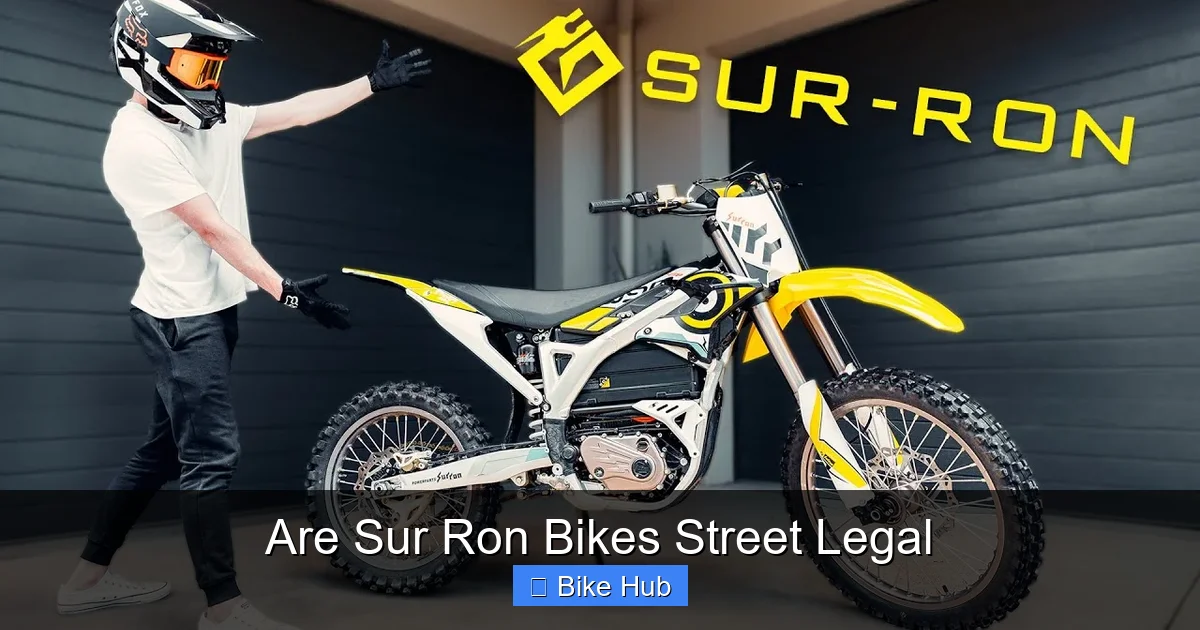
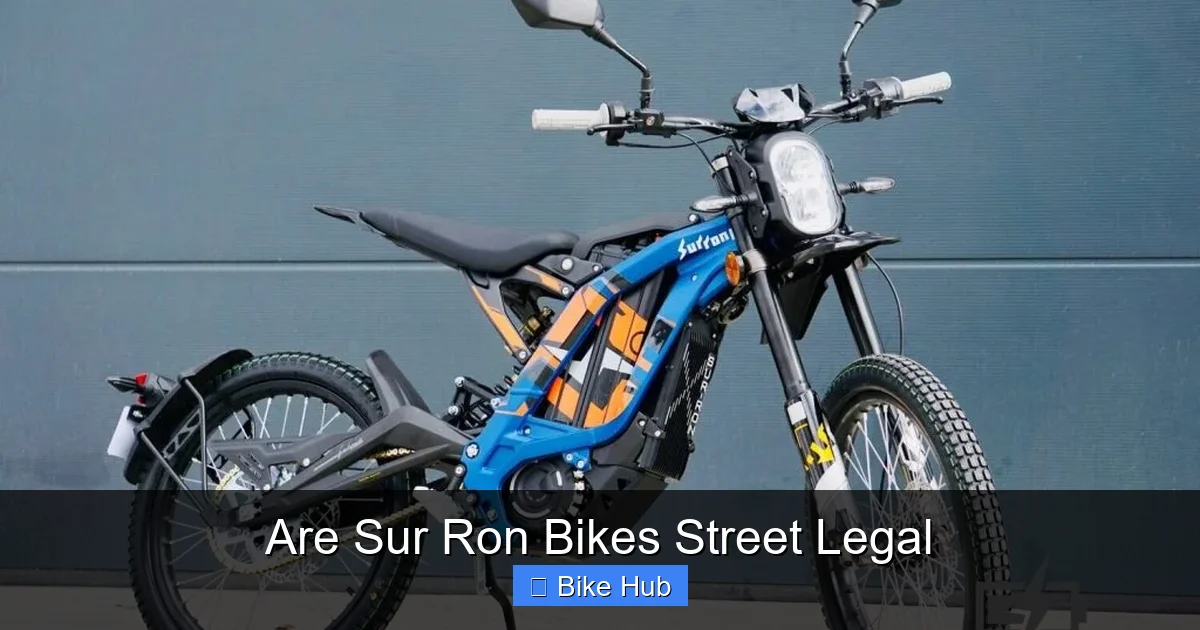
Sur Ron bikes are built for dirt trails, not city streets. They lack several features required by federal and state road safety standards. For example, they don’t come with headlights, brake lights, turn signals, mirrors, or a speedometer—all of which are typically required for street-legal vehicles.
Additionally, Sur Ron bikes often exceed the speed and power limits for standard electric bicycles (e-bikes). In the U.S., e-bikes are classified into three categories based on speed and motor power. Most Sur Ron models go well beyond the 20 mph limit for Class 1 and 2 e-bikes, and their 6 kW+ motors far exceed the 750-watt limit. This pushes them into motorcycle territory in the eyes of the law.
How to Make Your Sur Ron Street Legal
Making your Sur Ron street legal involves two main steps: equipping it with required safety features and registering it with your state’s DMV. Let’s break it down.
Step 1: Add Required Safety Equipment
To meet road safety standards, your Sur Ron needs several key components:
- Headlight: Must be bright enough to illuminate the road at night and be visible from a distance.
- Tail light and brake light: Should activate when you press the brakes.
- Turn signals: Front and rear signals are required in most states.
- Side mirrors: At least one mirror (usually the left side) is needed for visibility.
- Horn: A working horn is essential for alerting other drivers.
- Speedometer: Required to monitor your speed and comply with traffic laws.
- License plate mount and light: You’ll need a place to display your license plate, illuminated at night.
- Reflectors: White front, red rear, and amber side reflectors improve visibility.
Many riders install aftermarket lighting kits designed specifically for Sur Ron bikes. These kits often include plug-and-play wiring harnesses and DOT-approved lights. Always choose components that meet Department of Transportation (DOT) standards.
Step 2: Register Your Sur Ron with the DMV
Once your bike is equipped, the next step is registration. This process varies by state, but here’s what you can generally expect:
- Visit your local DMV: Bring your bike, proof of ownership, and any required documentation.
- Provide a Vehicle Identification Number (VIN): Sur Ron bikes don’t come with a VIN, so you may need to apply for one through your state’s DMV. Some states allow you to get a state-assigned VIN.
- Pass a safety inspection: Many states require a visual inspection to confirm your bike meets road standards.
- Pay registration and title fees: Costs vary, but expect to pay between $50 and $200 depending on your state.
- Obtain license plates: Once registered, you’ll receive plates to display on your bike.
In some states, your modified Sur Ron may be classified as a motorcycle, which means you’ll also need a motorcycle endorsement on your driver’s license and motorcycle insurance. Check with your DMV to confirm the classification.
State-by-State Street Legality Overview
Laws vary widely across the U.S. Here’s a quick look at how different states handle electric dirt bikes like the Sur Ron:
- California: Allows off-road electric bikes on streets if they meet CVC requirements. You’ll need lights, mirrors, and a VIN. Registration as a motorcycle may be required.
- Texas: Permits electric motorcycles on roads with proper registration, insurance, and a motorcycle license.
- Florida: Requires full motorcycle registration, including VIN, title, and insurance.
- New York: Strict laws—electric dirt bikes are generally not allowed on public roads unless fully registered as motorcycles.
- Oregon: Allows electric motorcycles with proper equipment and registration.
- Colorado: Permits electric bikes on roads if they meet e-bike classifications. Sur Ron bikes often exceed these, so motorcycle registration may apply.
Always check your state’s DMV website or contact them directly for the most accurate and up-to-date information.
Do You Need Insurance and a License?
Yes—depending on how your Sur Ron is classified.
If your bike is registered as a motorcycle, you’ll need:
- A valid driver’s license with a motorcycle endorsement
- Liability insurance (minimum coverage varies by state)
- Possibly comprehensive and collision coverage
Even if your state doesn’t require insurance for low-speed electric bikes, it’s a smart idea to get coverage. Accidents can happen, and medical bills add up fast.
Troubleshooting Common Issues
Problem: My state won’t assign a VIN
Some states don’t issue VINs for homemade or imported vehicles. In this case, you may need to work with a licensed dealer or seek a special exemption. Contact your DMV for guidance.
Visual guide about Are Sur Ron Bikes Street Legal
Image source: img.youtube.com
Visual guide about Are Sur Ron Bikes Street Legal
Image source: raceshop94.com
Problem: Lights aren’t DOT-approved
Using non-compliant lights can fail inspection. Always buy DOT or SAE-certified components. Look for markings like “DOT” or “SAE” on the packaging.
Problem: Registration keeps getting denied
Double-check your paperwork. Missing documents, incorrect forms, or incomplete modifications are common reasons for denial. Ask for a checklist from your DMV.
Problem: Insurance is too expensive
Shop around. Some insurers specialize in electric motorcycles and off-road vehicles. You might also consider adding your Sur Ron to an existing auto policy as a scheduled vehicle.
Tips for Safe and Legal Riding
Once your Sur Ron is street legal, keep these tips in mind:
- Wear a helmet: Even if not required, it’s essential for safety.
- Follow traffic laws: Obey speed limits, stop signs, and traffic signals.
- Use bike lanes when available: In some cities, electric bikes can use protected lanes.
- Stay visible: Wear bright clothing and use lights during the day.
- Maintain your bike: Regularly check brakes, tires, and electrical systems.
For added peace of mind, consider reading our guide on how to choose a lock for e-bikes to protect your investment from theft.
Conclusion
So, are Sur Ron bikes street legal? Not right out of the box—but with the right modifications and paperwork, you can legally ride one on public roads in many states. The key is understanding your local laws, equipping your bike with the necessary safety features, and completing the registration process.
While it takes some effort, the reward is a versatile electric bike that can handle both trails and streets. Whether you’re commuting to work or exploring backroads, a street-legal Sur Ron opens up new possibilities.
Just remember: laws change, and what’s allowed today might not be tomorrow. Stay informed, ride responsibly, and enjoy the ride.
For more tips on electric bike maintenance, check out our guide on how to choose a pump for e-bikes to keep your tires in top shape.
And if you’re considering other electric options for city riding, explore our list of the best electric bikes for city commuting to compare features and find the right fit.



