
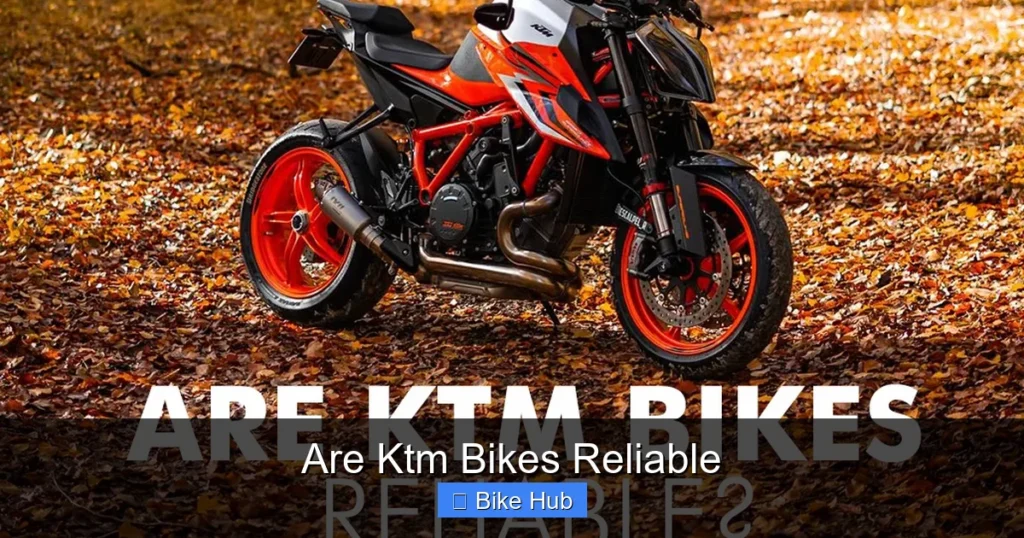
KTM bikes are known for high performance and off-road excellence, but reliability depends on proper maintenance and usage. This guide breaks down what makes KTM motorcycles dependable—and how to keep yours running strong for years.
Key Takeaways
- KTM builds race-bred motorcycles: Designed for competition, KTM bikes prioritize performance and lightweight engineering, which can mean higher maintenance needs.
- Reliability improves with regular maintenance: Following the service schedule and using quality parts greatly increases long-term dependability.
- Off-road models are built tough: KTM’s dirt bikes and enduro models are engineered for harsh conditions and generally hold up well under stress.
- Street models require more attention: Road-focused KTMs like the Duke or RC series may need more frequent checks due to higher-revving engines.
- Owner habits impact longevity: How you ride, store, and maintain your KTM plays a bigger role in reliability than brand alone.
- Warranty and dealer support matter: Choosing an authorized dealer ensures access to genuine parts and expert servicing.
- Common issues are fixable: Electrical glitches or clutch wear are known quirks—but not dealbreakers with timely care.
Are KTM Bikes Reliable? A Complete Guide to Durability, Maintenance, and Performance
If you’re considering buying a KTM motorcycle—or already own one—you’ve probably asked: *Are KTM bikes reliable?* It’s a fair question. KTM has built a reputation for building fast, aggressive, and competition-ready machines. But does that mean they’re fragile? Do they break down often? Can you trust one for daily commuting or long adventures?
The short answer: **Yes, KTM bikes can be very reliable—if you treat them right.** Like any high-performance machine, they demand attention, care, and respect. In this guide, we’ll walk you through everything you need to know about KTM reliability, from engine design to maintenance tips, common issues, and how to maximize your bike’s lifespan.
Whether you’re eyeing a KTM 390 Duke, a 450 EXC enduro, or an RC 200 track bike, this guide will help you understand what to expect—and how to keep your KTM running smooth for years.
Step 1: Understand KTM’s Engineering Philosophy
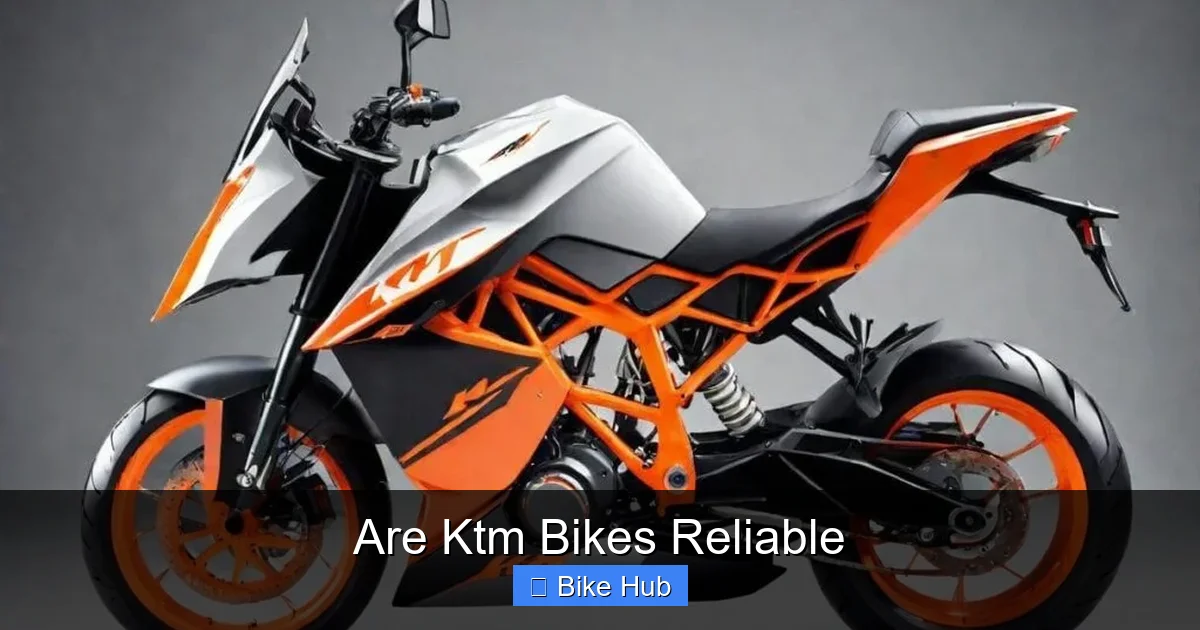
Visual guide about Are Ktm Bikes Reliable
Image source: chicebike.com
KTM stands for *Kronreif & Trunkenpolz Mattighofen*, an Austrian company that started making motorcycles in the 1930s. Today, KTM is best known for its dominance in off-road racing—especially in motocross and enduro. That racing DNA shapes every bike they build.
Performance Over Comfort
KTM bikes are engineered for speed, agility, and responsiveness. This means lightweight frames, high-revving engines, and stiff suspensions. While this makes them thrilling to ride, it also means they’re not as forgiving as more comfort-oriented brands.
Race-Bred Components
Many KTM models use components tested in World Championship racing. That’s great for performance, but it also means parts may wear faster under everyday use. For example, KTM engines often run tighter tolerances and higher compression ratios—great for power, but they need clean fuel and fresh oil.
Lightweight = Less Margin for Error
KTM uses materials like chromoly steel and aluminum to keep weight down. This improves handling but can make frames more sensitive to crashes or poor maintenance.
Step 2: Know the Difference Between Off-Road and Street Models
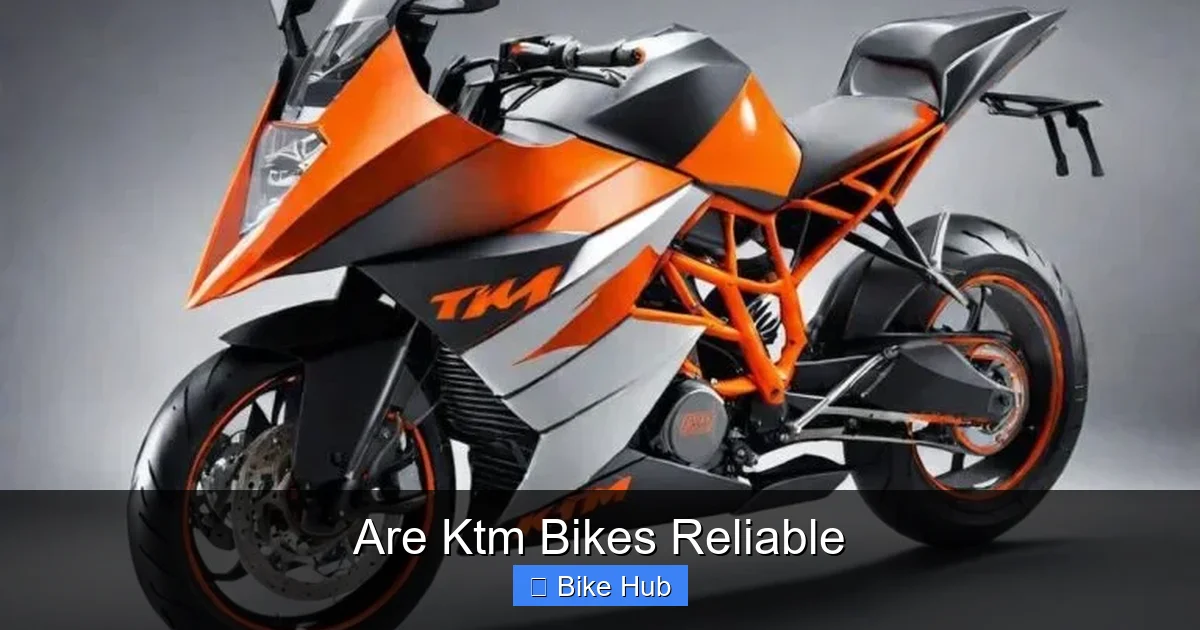
Visual guide about Are Ktm Bikes Reliable
Image source: chicebike.com
Not all KTM bikes are created equal when it comes to reliability. Your experience will vary greatly depending on whether you ride off-road or on pavement.
Off-Road KTM Bikes: Built for Abuse
Models like the KTM 250 SX, 450 EXC, and 300 TPI are designed to handle jumps, mud, rocks, and long trail days. These bikes are built tough—with reinforced frames, long-travel suspension, and durable engines.
– **Pros:** Excellent durability in rough conditions, easy to maintain, widely supported by aftermarket parts.
– **Cons:** Not ideal for daily commuting; require frequent oil changes and air filter cleaning.
If you’re into trail riding or racing, an off-road KTM is one of the most reliable choices in its class. Just remember to clean the air filter after every ride and change the oil regularly.
Street KTM Bikes: High Performance, Higher Demands
Street models like the KTM 390 Duke, 790 Duke, and RC 390 are made for city streets and highways. They’re fun, nimble, and stylish—but they come with higher maintenance needs.
– **Pros:** Great handling, modern electronics, fuel-efficient.
– **Cons:** Higher-revving engines may wear faster; electronics can be sensitive.
For example, the 390 Duke’s single-cylinder engine loves to rev. That’s fun, but it means you need to change the oil every 3,000–5,000 miles and check the valve clearances regularly.
Step 3: Follow the Maintenance Schedule—Religiously
This is where most KTM owners go wrong. Skipping maintenance is the #1 reason KTMs develop reliability issues.
Oil Changes Are Critical
KTM engines run hot and fast. Use only high-quality synthetic oil (like Motul or Shell Advance) and change it every 3,000–5,000 miles—or more often if you ride hard.
Valve Clearance Checks
KTM recommends checking valve clearances every 10,000–15,000 miles. Ignoring this can lead to poor performance, hard starting, or even engine damage.
Air Filter Care
On off-road bikes, clean the air filter after every ride. On street bikes, inspect it every 3,000 miles. A dirty filter reduces power and increases engine wear.
Chain and Sprocket Maintenance
Keep the chain clean, lubricated, and properly tensioned. A loose or dry chain can wear out sprockets quickly and even cause accidents.
Brake and Coolant Checks
Check brake fluid annually and replace it every two years. Also, inspect coolant levels and condition—especially on liquid-cooled models.
Step 4: Watch for Common KTM Issues (and How to Fix Them)
No bike is perfect. KTM has a few known quirks, but most are manageable with awareness.
Electrical Glitches
Some KTM owners report issues with sensors, ECU communication, or wiring harnesses—especially in older models. These can cause erratic idling or check engine lights.
– **Fix:** Use a diagnostic tool (like KTM’s own KDS system) to read error codes. Most issues are fixable with a software update or sensor replacement.
Clutch Wear
KTM clutches can wear faster if ridden aggressively or not maintained. Slipping clutches are common in high-mileage bikes.
– **Fix:** Replace clutch plates and springs every 15,000–20,000 miles if you ride hard. Use OEM or high-quality aftermarket parts.
Throttle Body Issues
On fuel-injected models, throttle bodies can get dirty or misaligned, causing rough idling.
– **Fix:** Clean throttle bodies with carb cleaner and reset the ECU. Some riders do this every 10,000 miles.
Starter Motor Problems
A few KTM models (especially older 690 Enduros) have had starter motor failures.
– **Fix:** Upgrade to a reinforced starter or carry a backup if you ride remote trails.
Step 5: Choose the Right Model for Your Needs
Not every KTM is right for every rider. Picking the wrong bike can lead to frustration—and perceived unreliability.
For Beginners: Start Small
If you’re new to riding, consider a KTM 200 Duke or 250 EXC. These are lighter, easier to handle, and cheaper to maintain than larger models.
For Commuting: Consider a Duke or Adventure Model
The KTM 390 Duke or 790 Adventure are great for city riding. Just be ready for more frequent maintenance.
For Off-Road Fun: Go Full KTM
If you love trails, the 450 EXC or 300 TPI are legendary for durability and performance. Pair it with proper gear and a good maintenance routine, and you’ll have a bike that lasts for years.
Step 6: Use Genuine Parts and Authorized Service
One of the best ways to ensure reliability is to stick with KTM-approved parts and service.
Why OEM Matters
Genuine KTM parts are designed to exact specifications. Aftermarket parts can save money, but they may not last as long or perform as well.
Find a Good Dealer
Choose a KTM-authorized dealer with certified technicians. They’ll have the right tools, software, and training to service your bike correctly.
Keep Records
Maintain a log of all services, repairs, and part replacements. This helps with resale value and ensures you don’t miss critical maintenance.
Troubleshooting Common Reliability Concerns
Even with great care, issues can pop up. Here’s how to handle them:
Bike Won’t Start
– Check battery voltage (should be 12.6V or higher).
– Inspect fuses and relays.
– Look for loose connections or corroded terminals.
Poor Fuel Economy
– Clean or replace the air filter.
– Check for clogged fuel injectors.
– Ensure tires are properly inflated.
Vibrations or Strange Noises
– Inspect engine mounts and frame bolts.
– Check chain tension and sprocket wear.
– Listen for loose exhaust components.
Overheating
– Check coolant level and condition.
– Inspect radiator for blockages.
– Ensure the fan is working.
Conclusion: Are KTM Bikes Reliable?
So, are KTM bikes reliable? The answer is **yes—but with conditions**. KTM motorcycles are built for performance, not convenience. They reward careful owners with thrilling rides and long-term dependability. But if you neglect maintenance or expect them to be as bulletproof as a Honda, you’ll be disappointed.
The key is understanding what you’re buying: a high-performance machine that needs attention. Follow the service schedule, use quality parts, and ride smart. Do that, and your KTM will be one of the most reliable and exciting bikes you’ve ever owned.
Whether you’re hitting the trails or carving up backroads, a well-maintained KTM is a trusty companion. Just remember: **reliability isn’t just about the brand—it’s about how you treat your bike.**



