
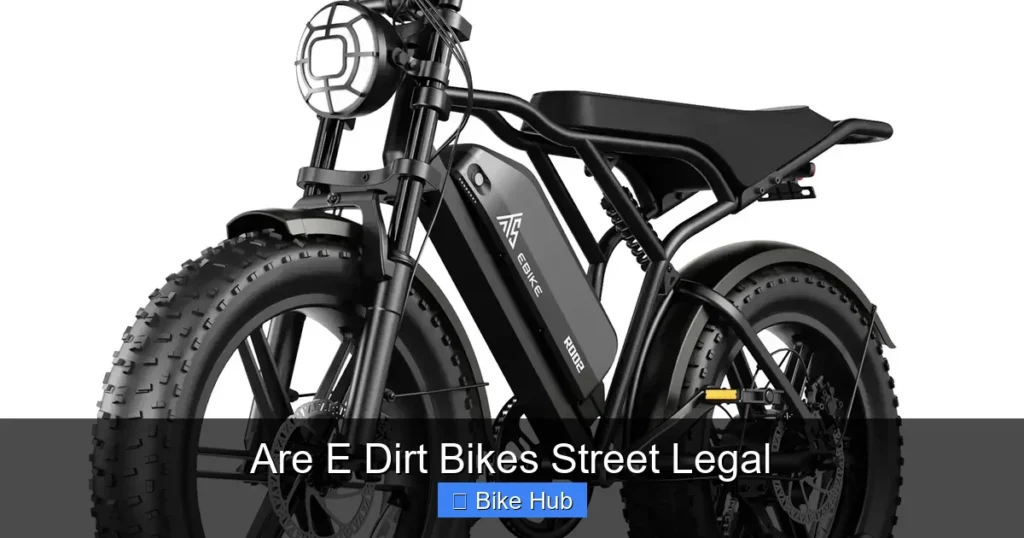
E dirt bikes are not automatically street legal—they must meet specific state and local regulations. This guide explains how to check legality, required modifications, and steps to register your electric dirt bike for road use.
Key Takeaways
- Street legality varies by location: Each state or country has different rules for electric dirt bikes on public roads.
- Factory models often aren’t road-ready: Most e dirt bikes are built for off-road use and lack required equipment like headlights and turn signals.
- Modifications are usually needed: Adding mirrors, horns, brake lights, and speedometers can help meet legal standards.
- Registration and licensing may be required: Even with modifications, you might need a license, registration, and insurance to ride legally.
- Check local DMV or transport authority: Always verify requirements with your local department of motor vehicles or equivalent agency.
- Some models come pre-certified: A few electric dirt bikes are sold as “street legal” out of the box—research before buying.
- Safety gear is still essential: Even if your bike is legal, wearing a helmet and protective clothing is strongly recommended.
Are E Dirt Bikes Street Legal? A Complete How-To Guide
If you’ve ever dreamed of zipping through city streets on your electric dirt bike, you’re not alone. E dirt bikes are quiet, eco-friendly, and fun—but before you hit the pavement, there’s one big question: Are e dirt bikes street legal?
The short answer? Not usually—unless they’re specifically modified or certified for road use. Most electric dirt bikes are designed for trails, motocross tracks, or private property. But with the right knowledge and upgrades, you can make yours street-legal in many areas.
In this guide, we’ll walk you through everything you need to know: from understanding local laws to making necessary modifications, registering your bike, and staying safe on the road.
Step 1: Understand What Makes a Bike Street Legal
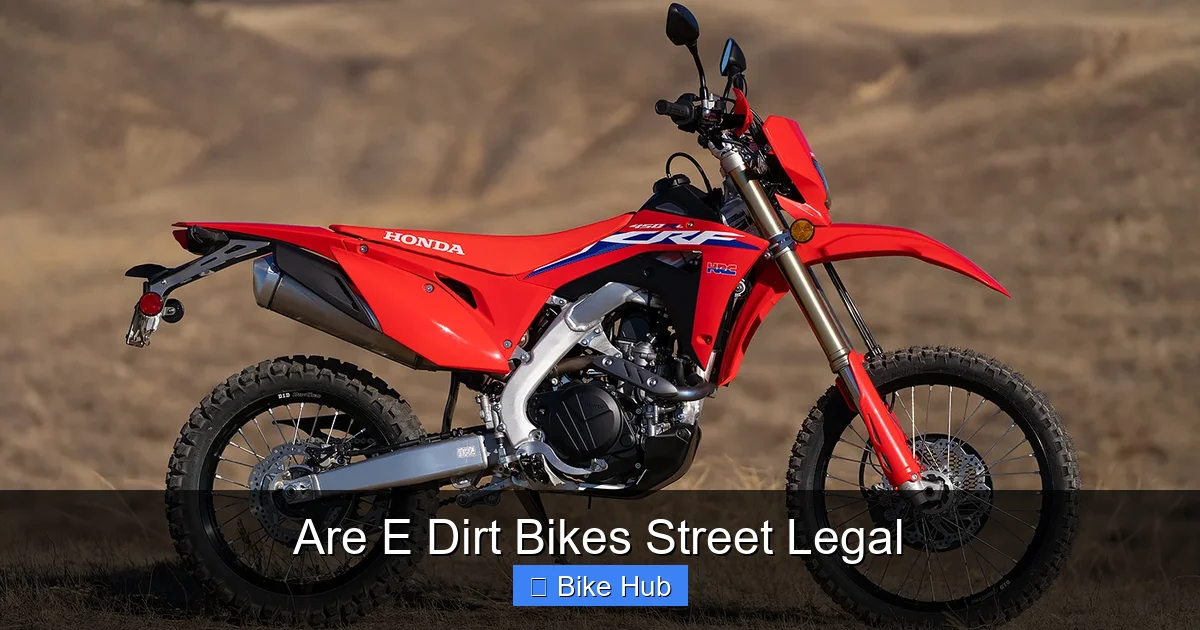
Visual guide about Are E Dirt Bikes Street Legal
Image source: images.bikeexif.com
Before modifying or riding your e dirt bike, it’s important to know what “street legal” actually means. In general, street-legal vehicles must meet federal, state, and sometimes municipal safety and equipment standards.
For motorcycles and motor-driven cycles—including electric ones—these typically include:
- Headlight (high and low beam)
- Tail light and brake light
- Turn signals (front and rear)
- Mirrors (at least one, usually two)
- Horn
- Speedometer
- License plate mount and illumination
- EPA-compliant emissions (less critical for electric bikes, but still part of certification)
- Fenders to prevent debris spray
Most standard e dirt bikes do not come equipped with these features. That’s why even if your bike is powerful and fast, it’s likely classified as an off-road vehicle only.
> 💡 Pro Tip: Some manufacturers now sell “dual-sport” or “street-ready” electric dirt bikes. Models like the Best E Dirt Bike options often include many of these features out of the box—check the specs carefully.
Step 2: Check Your Local Laws and Regulations
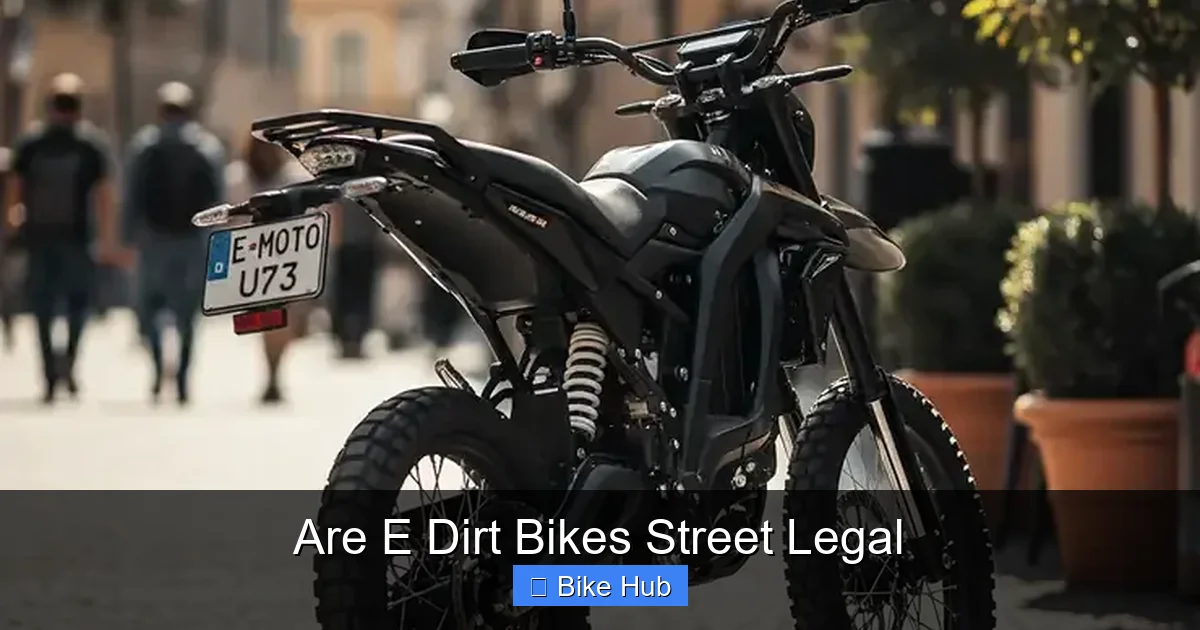
Visual guide about Are E Dirt Bikes Street Legal
Image source: electricride360.com
Laws vary widely by state, province, or country. What’s legal in California might be illegal in Texas—or require extra steps.
Here’s how to find out:
Visit Your Local DMV Website
Start by searching “[Your State] DMV motorcycle regulations” or “electric motorcycle laws.” Look for sections on “motor-driven cycles,” “off-highway vehicles (OHVs),” or “electric-powered vehicles.”
Look for Classification Rules
Many states classify vehicles based on engine size (or motor power) and top speed. For example:
– Bikes under 50cc (or ~3 kW for electric) may be treated like mopeds.
– Bikes over that threshold may need full motorcycle registration.
Electric bikes are often measured in watts. A typical e dirt bike ranges from 3,000W to 10,000W—well above moped limits in most places.
Ask About “Kit” or “Conversion” Options
Some states allow you to convert an off-road bike to street legal by adding required equipment and passing an inspection. Others require the bike to be originally manufactured for road use.
> 🚩 Warning: Riding an unregistered off-road bike on public roads—even for a short distance—can result in fines, impoundment, or points on your license.
Step 3: Modify Your E Dirt Bike for Street Use
If your local laws allow conversions, you’ll likely need to install several components. Here’s a breakdown:
Add Lighting and Signals
Install DOT-approved LED headlights, brake lights, and amber turn signals. Make sure wiring is secure and waterproof. Many riders use universal motorcycle lighting kits available online.
Install Mirrors and a Horn
Mount at least one rearview mirror (two is better). Use a standard 12V automotive horn—easy to wire into your bike’s electrical system.
Mount a Speedometer
Even if your bike has a digital display, it may not count as a legal speedometer. Install a standalone unit that shows mph/kmh clearly.
Add Fenders and a License Plate Bracket
Most off-road bikes have minimal fenders. You’ll need full-coverage front and rear fenders to comply with road safety standards. Also, install a bracket for a license plate and a light to illuminate it at night.
Consider Tire Upgrades
Knobby off-road tires aren’t ideal for pavement—they wear quickly and offer less grip. Switch to dual-sport or street-legal tires with smoother tread patterns. Check out our guide on Best Bike Tires for Hardpack Dirt for hybrid options that work on both dirt and asphalt.
> 🔧 DIY vs. Professional Installation: If you’re not confident with electrical work, hire a qualified mechanic. Improper wiring can cause fires or malfunctions.
Step 4: Get Your Bike Inspected and Registered
Once modified, your bike may need a safety inspection before registration. Requirements differ, but common steps include:
Schedule a VIN or Identification Check
Some states assign a VIN (Vehicle Identification Number) to converted bikes. Others accept the manufacturer’s serial number.
Pass a Safety Inspection
An inspector will verify lights, brakes, mirrors, tires, and overall roadworthiness. Bring all documentation, including proof of purchase and modification receipts.
Register and Title Your Bike
Visit your DMV with:
– Completed application form
– Proof of ownership
– Inspection certificate
– Payment for fees (varies by state)
You’ll receive a license plate and registration card—keep both with you when riding.
Obtain Insurance (If Required)
Many states require liability insurance for registered motorcycles. Shop around for policies that cover electric motorcycles—some insurers specialize in e-bikes and e-motorcycles.
> 📌 Note: If your bike is classified as a “low-speed electric vehicle” (under 20 mph), rules may be more relaxed. But most e dirt bikes exceed this speed easily.
Step 5: Ride Responsibly and Stay Legal
Even after going through all the steps, remember: being street legal doesn’t mean you’re exempt from traffic laws.
– Obey speed limits and traffic signals.
– Use hand signals if your turn signals fail.
– Never ride on sidewalks (unless explicitly allowed).
– Wear a DOT-approved helmet—even if not required, it’s smart.
– Consider taking a motorcycle safety course. Many states offer discounts on insurance for certified riders.
Also, keep your bike maintained. Check brakes, lights, and battery regularly. For tips on upkeep, see our article on Best Brakes For E Bikes—critical for safe stopping on pavement.
Troubleshooting Common Issues
“My state doesn’t allow off-road bike conversions.”
In that case, your best bet is to buy a factory-made street-legal model. Check out reviews like the RM7 Electric Dirt Bike Review to find compliant options.
“I can’t find a mechanic who works on electric bikes.”
Look for EV specialists or motorcycle shops with experience in electric conversions. Online forums and local e-bike communities can also recommend trusted technicians.
“My bike isn’t fast enough for highways—but too fast for bike lanes.”
This is a common dilemma. Stick to local roads with lower speed limits. Avoid highways unless your bike is rated for high-speed travel and you’re licensed accordingly.
Conclusion
So, are e dirt bikes street legal? Only if they meet your local road safety standards—and that usually means modifications, registration, and sometimes a change in mindset.
While the process can seem daunting, many riders successfully convert their e dirt bikes for dual use. Just remember: safety, legality, and responsibility come first. Do your research, follow the rules, and enjoy the freedom of riding both on and off the road.
Whether you’re commuting, exploring backroads, or just having fun, a street-legal e dirt bike can be a thrilling and sustainable way to get around—as long as you do it the right way.



