

Have you ever wondered if your adaptive trike can handle rain, wind, or even a sudden splash of mud? You want to enjoy your ride without worrying about the weather ruining your fun or damaging your equipment.
But how weather resistant are adaptive trikes really? You’ll discover what makes these special trikes tough against the elements—and what you need to do to keep yours in top shape no matter the forecast. Keep reading to find out how to protect your ride and enjoy every adventure, rain or shine.
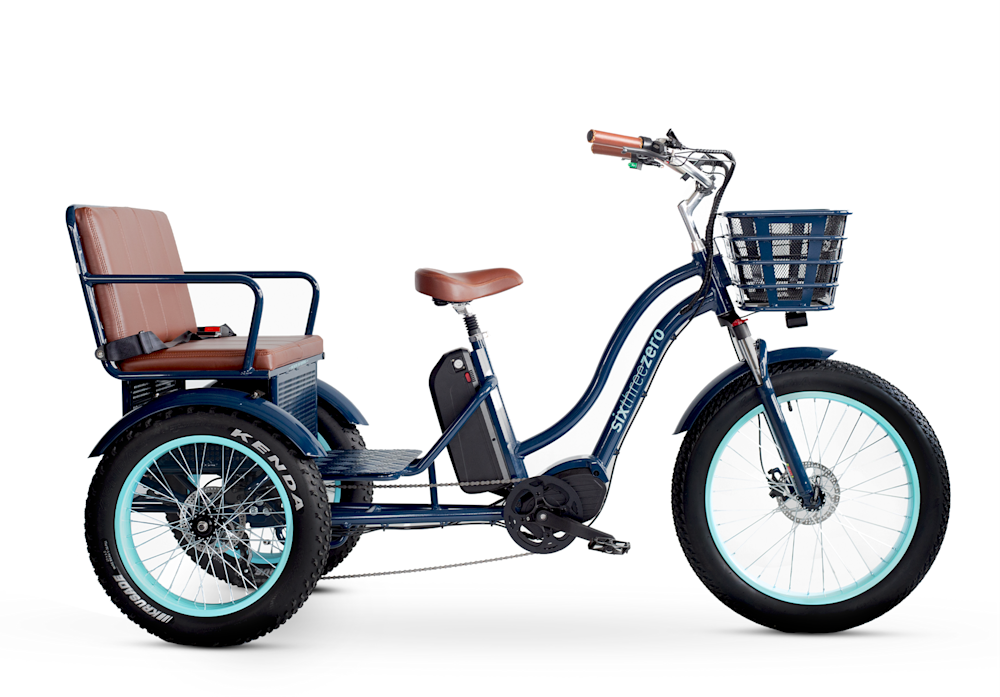
Credit: www.sixthreezero.com
Adaptive Trikes Basics
Adaptive trikes provide mobility and support for people with different needs. They come in many styles and designs. These trikes help users enjoy riding outdoors safely.
Understanding the types and materials helps choose the right adaptive trike. Weather resistance is a key factor for long-term use and durability.
Types Of Adaptive Trikes
There are several types of adaptive trikes. Each type suits different physical abilities and uses. Knowing the types helps in finding the best match.
- Recumbent Trikes: Rider sits back in a reclining position for comfort and stability.
- Upright Trikes: Similar to regular bikes but with three wheels for balance.
- Tilt Trikes: Can tilt side to side to help with turning and balance.
- Hand Trikes: Powered by hand pedals, ideal for people with leg impairments.
- Electric Trikes: Equipped with motors to assist pedaling, good for longer rides.
Common Materials Used
Adaptive trikes use various materials to balance weight, strength, and weather resistance. Some materials handle outdoor conditions better than others.
| Material | Advantages | Weather Resistance |
| Aluminum | Lightweight, strong, rust-resistant | High |
| Steel | Very strong, affordable | Moderate (needs coating) |
| Carbon Fiber | Very light, strong | High (needs care) |
| Plastic Components | Light, weatherproof | High |
Weather Challenges For Trikes
Adaptive trikes face many weather challenges that can affect their use and durability. Riders must understand how weather impacts these vehicles.
Different weather conditions like rain, sun, and cold can cause wear or affect the trike’s performance. Knowing these effects helps in better care.
Effects Of Rain And Moisture
Rain and moisture can cause rust and damage to metal parts of trikes. Water can also affect the brakes and chains, leading to reduced safety.
- Water can cause metal parts to rust quickly.
- Wet brakes may not work as well, increasing risk.
- Leather or fabric seats may get soaked and damaged.
- Moisture can lead to mold or mildew on some materials.
Impact Of Sun And Heat
Sunlight and heat can fade paint and weaken plastic parts. Extended exposure may cause rubber tires or grips to crack or dry out.
| Part | Effect of Sun and Heat |
| Paint | Fades and loses shine |
| Plastic Components | Can become brittle |
| Rubber Tires and Grips | Dry and crack over time |
| Seat Material | May fade or weaken |
Cold Weather Considerations
Cold weather can make materials stiff and brittle. It also affects battery life in electric trikes and makes tires harder, reducing traction.
- Store trikes indoors to avoid freezing.
- Check tire pressure often; cold air lowers it.
- Keep batteries charged and warm.
- Inspect parts for cracks caused by cold.
Weather Resistance Features
Adaptive trikes are built to handle different weather conditions. Their design keeps riders safe and comfortable in rain, sun, and wind.
These trikes use special materials and parts that resist damage from water, rust, and sunlight. This helps them last longer outdoors.
Waterproof Components
Many adaptive trikes have waterproof parts to keep water out. This stops damage and keeps the trike working well after wet rides.
Waterproof seals and covers protect the electrical parts and bearings from rain and splashes. This adds safety and durability.
Rust And Corrosion Protection
Trikes often use rust-resistant metals or special coatings. These stop rust from forming on the frame and metal parts.
- Powder-coated frames resist rust and scratches
- Stainless steel bolts and screws prevent corrosion
- Regular maintenance helps keep parts clean and dry
Uv Resistant Materials
UV resistant materials stop sun damage like fading or cracking. This protects seats, handles, and plastic parts.
These materials keep the trike looking good and working well even after long sun exposure.
Credit: www.rifton.com
Maintenance Tips For Longevity
Adaptive trikes are designed to handle different weather conditions. Regular care helps keep them working well for years. Taking a few simple steps can protect your trike from damage caused by rain, sun, and dirt.
Proper maintenance extends the life of your trike. It also ensures safety and comfort each time you ride. Follow these tips to keep your adaptive trike in great shape.
Cleaning After Exposure
Cleaning your adaptive trike after use in wet or muddy conditions is important. Dirt and moisture can cause rust and wear over time. Use gentle cleaning methods to avoid damage.
Rinse off mud and grime with water. Use a soft cloth or brush to clean hard-to-reach areas. Avoid harsh chemicals that can harm paint and parts.
- Wash with mild soap and water
- Dry thoroughly after cleaning
- Lubricate moving parts if wet
- Remove debris from tires and brakes
Storage Recommendations
Store your adaptive trike in a dry, sheltered place. Protect it from rain, snow, and direct sunlight. Extreme weather can cause fading, rust, and material breakdown.
Cover your trike with a breathable cover if stored outside. Keep it off the ground to avoid moisture damage. Proper storage helps maintain the frame and components.
- Use a garage or shed if possible
- Apply a cover made for outdoor use
- Keep away from sharp objects and chemicals
- Store with tires inflated to recommended pressure
Routine Inspections
Check your adaptive trike regularly for signs of wear or damage. Early detection helps avoid bigger problems. Inspect key parts before each ride to ensure safety.
Look for loose bolts, tire wear, and brake function. Test steering and pedals to confirm smooth operation. Tighten or replace parts as needed to keep your trike reliable.
- Inspect frame for cracks or rust
- Check tire pressure and tread depth
- Test brakes for proper stopping power
- Lubricate chain and moving parts regularly
User Experiences And Reviews
Many users share their thoughts on how adaptive trikes handle different weather conditions. These experiences help others understand the trikes’ durability and comfort.
Reviews highlight how these trikes perform outdoors, especially in rain, wind, and sun. Riders often mention the trikes’ build and materials in their feedback.
Real-world Weather Performance
Users say adaptive trikes stand up well to light rain and wind. The sturdy frames and rust-resistant parts keep the trikes working smoothly. Many riders feel safe riding in cool or sunny weather.
- Frame materials resist rust and wear
- Seats dry quickly after rain
- Good traction on wet roads
- Can handle wind without tipping
- Sun does not fade colors easily
Common Issues Reported
Some users report problems when using trikes in harsh weather. These issues include water getting into parts and slippery pedals in rain. Cold weather can make plastic parts stiff.
| Issue | Description |
| Water Build-up | Water collects near joints causing rust risk |
| Slippery Pedals | Pedals lose grip during rain, causing slips |
| Cold Weather | Plastic parts become brittle and stiff |
| Seat Comfort | Seats may feel cold or wet without covers |

Credit: www.rifton.com
Choosing Weather-resistant Models
Adaptive trikes are great for outdoor use. Choosing a model that handles different weather is smart.
Weather resistance helps protect the trike from rain, sun, and wind. This keeps it safe and lasts longer.
Key Features To Look For
Check the materials used on the frame and seat. Look for rust-proof metals and water-resistant fabrics.
Good tires help in wet and slippery conditions. Also, covers for seats and storage keep things dry.
- Rust-resistant metal frame like aluminum or coated steel
- Waterproof or water-resistant seat covers
- Durable tires with good grip for wet roads
- Sealed bearings to keep water out
- Protective fenders to block splashes
Recommended Brands
Some brands focus on making weather-resistant adaptive trikes. They use strong materials and good designs.
These brands offer models that work well in rain and sun. Their products last longer with less damage.
- Sun Bicycles – Known for durable frames and weather-ready parts
- Catrike – Offers corrosion-resistant materials and covers
- HP Velotechnik – Uses waterproof fabrics and sealed components
- Trident Trikes – Focuses on rust-proof design and strong tires
Frequently Asked Questions
Are Adaptive Trikes Built To Resist Rain And Moisture?
Yes, many adaptive trikes feature weather-resistant materials like rust-proof metals and water-repellent fabrics. This design helps protect components from rain and moisture damage, ensuring durability during wet conditions.
Can Adaptive Trikes Handle Extreme Weather Conditions?
Adaptive trikes are designed for moderate weather but may not perform well in extreme heat, cold, or heavy snow. Users should check specific model specifications for weather tolerance before use.
How Should I Maintain An Adaptive Trike For Weather Resistance?
Regular cleaning, lubricating moving parts, and storing the trike indoors during bad weather can extend its lifespan. Weatherproof covers also provide extra protection against rain and sun damage.
Do Adaptive Trikes Have Protective Coatings Against Rust?
Most adaptive trikes come with anti-corrosion coatings on metal parts. These coatings prevent rust formation, especially in humid or rainy environments, enhancing trike longevity and performance.
Conclusion
Adaptive trikes stand strong against many weather conditions. Rain or shine, their design offers decent protection. Riders enjoy stability and comfort outdoors. Some models include features to keep water and wind out. Still, using extra gear can help in harsh weather.
Regular maintenance keeps your trike ready for any day. Choose an adaptive trike that suits your local climate. This way, you stay active and safe all year round. Weather resistance adds value but does not mean worry-free rides. Stay prepared, and enjoy your adaptive trike wherever you go.



