

Have you ever wondered if adaptive trikes are easy to balance? If you’re thinking about trying one or helping someone find the right ride, this question is probably on your mind.
Balancing can feel tricky on two wheels, but adaptive trikes are designed differently. Understanding how they work can make all the difference in your comfort and confidence. Keep reading to discover why adaptive trikes might be easier to balance than you expect—and how they can open up a world of freedom for you.
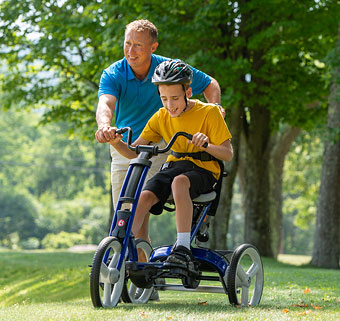
Credit: www.rifton.com
Adaptive Trikes Basics
Adaptive trikes are three-wheeled bikes designed to help people with balance issues. They offer extra support and make riding safer.
These trikes are easy to ride and give more stability than regular bikes. They help users enjoy outdoor activities without worry.
Types Of Adaptive Trikes
There are several types of adaptive trikes. Each type fits different needs and abilities.
Some trikes have two wheels at the back, others have two wheels in front. They come in different styles for comfort and use.
- Recumbent Trikes: Rider sits back for better comfort and balance.
- Upright Trikes: Rider sits like a normal bike but with extra stability.
- Tadpole Trikes: Two wheels in front, one in back for good steering.
- Delta Trikes: Two wheels in back, one in front for easy mounting.
Key Features For Stability
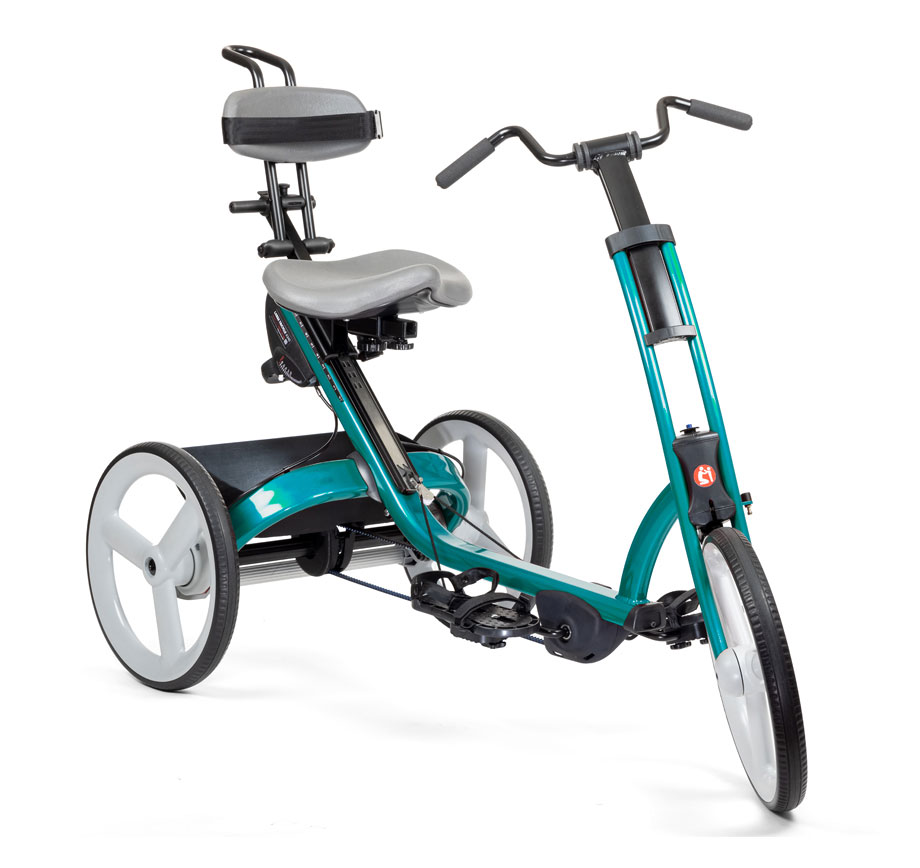
Adaptive trikes have special features to keep riders steady. These parts help prevent falls and improve control.
- Wide wheelbase to lower the center of gravity
- Low seating position for better balance
- Three wheels provide a stable platform
- Adjustable seats and handlebars for comfort
- Anti-tip bars or wheels for extra safety
- Easy-to-use brakes for quick stopping
Credit: www.rifton.com
Factors Affecting Balance
Adaptive trikes offer a stable ride, but balance depends on many factors. Understanding these can help riders feel secure.
Three main elements affect how easy it is to balance an adaptive trike. These are weight distribution, wheel configuration, and rider posture.
Weight Distribution
Even weight spread across the trike helps keep it steady. Uneven weight can cause tipping or wobbling during turns.
- Make sure heavy items are low and centered.
- Avoid placing too much weight on one side.
- Check that the rider’s weight is balanced between the front and rear.
Wheel Configuration
The number and position of wheels impact balance. Trikes can have two wheels in front or two in back, affecting stability.
| Configuration | Stability | Turning Ease |
| Two wheels front, one rear | High | Moderate |
| One wheel front, two rear | Moderate | Easy |
Rider Posture
How the rider sits affects balance a lot. Good posture helps keep the center of gravity low and steady.
- Keep your back straight but relaxed.
- Place feet firmly on the pedals or footrests.
- Look ahead, not down, to maintain stability.
Common Balance Challenges
Adaptive trikes help many people enjoy cycling safely. Even so, some balance challenges remain. Understanding these issues can help riders feel more confident.
Balance problems may happen during different parts of riding. Starting, stopping, turning, and riding on rough ground can all be tricky.
Starting And Stopping
Starting to pedal and stopping smoothly can be hard for some riders. It takes control to keep the trike steady without tipping.
When starting, pushing off too fast may cause imbalance. Stopping suddenly can also throw off balance and make the rider wobble.
- Push off gently to stay steady
- Use brakes slowly for smooth stops
- Practice starting and stopping in open spaces
Turning And Maneuvering
Turning sharp corners or maneuvering in tight spots can challenge balance. Adaptive trikes have three wheels, but leaning too much can cause tipping.
Riders must slow down before turns and steer carefully. Sudden moves or fast turns increase the risk of losing balance.
- Slow down before turning
- Keep your body centered over the trike
- Look ahead to plan your path
Uneven Terrain
Riding on uneven ground causes balance challenges. Small bumps or slopes can make the trike shake or tilt.
Riders need to adjust their speed and position when crossing rough patches. Careful handling prevents sudden tilts or falls.
- Reduce speed on rough surfaces
- Keep a firm grip on the handlebars
- Shift weight slightly to stay stable

Credit: www.rifton.com
Expert Tips For Stability
Adaptive trikes offer great balance support for riders. Learning how to keep them stable helps you ride safely.
Try simple techniques to improve your control and comfort on the trike. These tips help you stay steady every ride.
Proper Seating Adjustments
Adjust your seat to fit your body well. A good seat position keeps your center of gravity low.
Make sure your feet reach the pedals easily. Your back should be straight but relaxed.
- Set seat height so knees bend slightly at the bottom of pedal stroke
- Slide seat forward or backward to reach pedals comfortably
- Use seat back support for extra stability
Speed Control Techniques
Control your speed to keep balance. Slow down before turns and rough surfaces.
Use smooth, steady pedaling to avoid sudden movements. Brake gently to prevent tipping.
- Maintain a moderate speed on flat roads
- Reduce speed before sharp corners
- Apply brakes evenly on both sides
Using Supportive Accessories
Use accessories that add stability and comfort. They help you ride with more confidence.
Items like armrests, cushions, or harnesses keep you steady on the seat.
- Armrests provide side support and prevent sliding
- Cushions improve comfort and reduce pressure points
- Safety harnesses keep your torso stable
Training And Practice
Learning to balance on an adaptive trike takes time and effort. Practice helps you gain confidence and control.
With steady training, balancing becomes easier. You can enjoy riding safely and comfortably.
Balance Exercises
Simple exercises improve your balance and coordination. Start slow and focus on small movements.
Try standing on one foot or walking heel to toe. These activities build strength and stability.
- Stand on one foot for 10 seconds
- Walk in a straight line, heel to toe
- Practice gentle turns on flat ground
- Use a balance board if available
Safe Riding Environments
Choose calm and flat areas for practice. Avoid busy streets or rough surfaces at first.
Safe spaces help you focus on balance without distractions. Gradually try different places as you improve.
- Practice in empty parking lots or parks
- Avoid steep hills or gravel paths
- Wear a helmet and safety gear
- Have a friend nearby for support
Maintenance For Better Balance
Adaptive trikes need regular care to keep balance steady. Good maintenance helps you ride safely and smoothly.
Checking parts often stops small problems from getting big. It makes balancing easier and your trike lasts longer.
Tire Pressure And Alignment
Correct tire pressure keeps the trike stable on roads. Too low or too high pressure makes balancing hard.
Alignment means the wheels point straight and line up. Bad alignment causes wobbling and uneven tire wear.
- Check tire pressure before each ride
- Use the pressure numbers on the tire sidewall
- Inspect wheel alignment every few weeks
- Fix any misalignment at a bike shop
Brake And Steering Checks
Brakes and steering parts affect how well you control the trike. Loose brakes or stiff steering hurt balance.
Regular checks keep these parts working right. Adjust or replace parts that feel weak or worn out.
- Test brakes before every ride
- Listen for unusual sounds when steering
- Tighten loose bolts on steering and brakes
- Replace brake pads if they are thin
Frequently Asked Questions
Are Adaptive Trikes Easier To Balance Than Bicycles?
Adaptive trikes offer better stability due to their three-wheel design. This makes balancing easier for beginners and those with mobility challenges. Unlike bicycles, trikes don’t require constant balancing, reducing the risk of falls and providing a more secure riding experience.
What Factors Affect Balancing On Adaptive Trikes?
Balance depends on factors like rider skill, trike design, and terrain. Wider wheelbase and low center of gravity improve stability. Proper seat adjustment and practice also help riders maintain balance more easily on adaptive trikes.
Can Beginners Quickly Learn To Balance On Adaptive Trikes?
Yes, beginners usually learn to balance quickly on adaptive trikes. The three-wheel setup provides inherent stability, reducing the learning curve. With minimal practice, new riders gain confidence and control, making adaptive trikes suitable for all ages and abilities.
Do Adaptive Trikes Require Less Effort To Balance?
Adaptive trikes require less effort to balance compared to two-wheel bikes. Riders don’t need to constantly adjust their posture to stay upright. This makes trikes ideal for people with balance issues or limited physical strength.
Conclusion
Adaptive trikes offer better stability than traditional bicycles. Their unique design helps users balance easily. Many find them accessible and user-friendly. Perfect for those with balance concerns. They provide a safe and enjoyable ride. Ideal for all ages, including seniors.
Choosing the right trike depends on personal needs. Consider factors like terrain and usage. Test different models to find the best fit. Adaptive trikes bring joy and independence to many. They enhance mobility and confidence. Embrace the freedom they offer.
Enjoy the ride, worry-free!



