

Are you thinking about trying an adaptive handcycle but worried about safety? You’re not alone.
When it comes to choosing the right equipment for your mobility and fitness, safety is often the biggest concern. What if you could enjoy the freedom of cycling without risking injury? This article will help you understand how adaptive handcycles work, the safety features they offer, and what you can do to stay safe while riding.
Keep reading to discover everything you need to know before taking that first ride.

Credit: roamadaptive.com
Adaptive Handcycles Basics
Adaptive handcycles help people with limited leg use enjoy cycling. These hand-powered bikes provide freedom and exercise. They come in different styles to match riders’ needs.
Knowing the types and features of handcycles helps choose the right one. Safety is a key concern, and design plays a big role in that.
Types Of Handcycles
Handcycles vary by design and use. Choosing the correct type depends on the rider’s ability and where they want to ride.
- Recumbent Handcycles:The rider lies back with legs extended. This type offers stability and comfort.
- Upright Handcycles:The rider sits like on a regular bike. It is more compact and good for urban use.
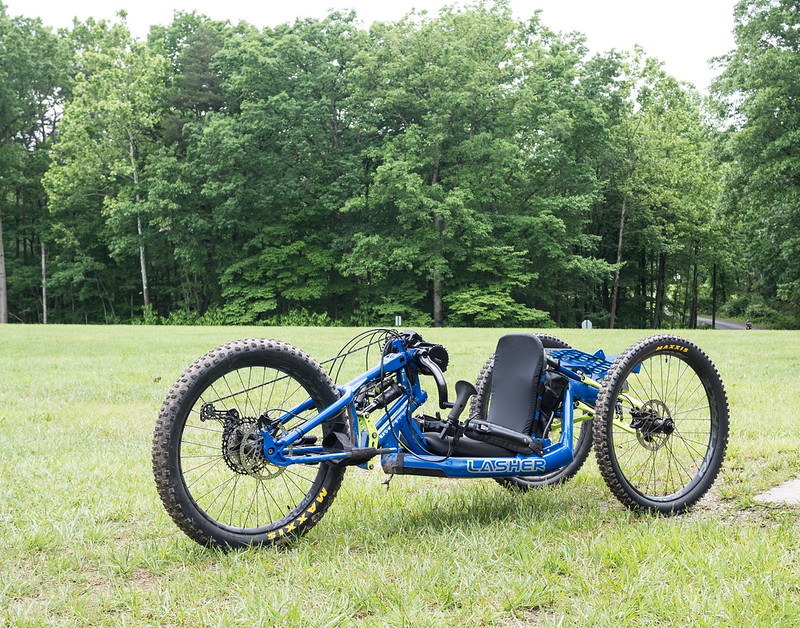
- Off-road Handcycles:Built for rough terrain. These have strong frames and large tires.
- Folding Handcycles:Easy to transport and store. They fold into a small size.
Key Features And Design
Handcycles include parts that improve safety and comfort. The design focuses on control, strength, and ease of use.
| Feature | Benefit | Safety Impact |
| Adjustable Seating | Fits different body sizes | Helps maintain balance and posture |
| Hand Brakes | Easy to reach and use | Allows quick stopping to avoid accidents |
| Durable Frame | Supports weight and rough use | Prevents breakage during rides |
| Low Center of Gravity | Improves stability | Reduces risk of tipping over |
| Safety Flags and Reflectors | Makes rider visible | Protects against collisions |
Safety Concerns
Adaptive handcycles offer mobility to many users. Safety is an important factor for all riders. Understanding risks helps prevent accidents.
This guide looks at common risks and injury causes. It helps users make safer choices with their handcycles.
Common Risks And Hazards
Handcycles face risks from road conditions and user control. Uneven surfaces can cause loss of balance. Weather changes may reduce grip and visibility.
- Loose gravel or debris on paths
- Wet or icy roads
- Poor lighting during rides
- Sharp turns or steep slopes
- Mechanical failures of the handcycle
Potential Injury Causes
Injuries often result from falls, collisions, or strain. Lack of proper fit and adjustment can increase risks. Fatigue may reduce reaction time.
| Cause | Description | Prevention |
| Falls | Loss of balance or control | Use safety gear and maintain speed |
| Collisions | Hitting obstacles or other users | Stay alert and follow traffic rules |
| Strain | Overuse of muscles or joints | Proper adjustment and take breaks |
| Mechanical issues | Failure of brakes or chains | Regular maintenance and inspections |
Expert Safety Insights
Adaptive handcycles offer a new way to enjoy cycling for people with limited mobility. Safety remains a key concern for users and professionals alike. Understanding expert advice helps users make informed choices.
This guide shares expert views on the safety of adaptive handcycles. It covers professional tips and real user experiences to give a balanced perspective.
Professional Recommendations
Experts stress the importance of proper fitting and regular maintenance. A well-adjusted handcycle reduces the risk of accidents and injuries.
- Wear a helmet and protective gear at all times
- Check brakes and tires before every ride
- Use handcycles on suitable terrain only
- Attend professional training sessions if available
- Consult healthcare providers before starting handcycling
User Experience And Feedback
Users report feeling safe when following safety guidelines. Many mention the comfort of custom seats and stable frames as key safety factors.
| User Feedback | Safety Aspect |
| Custom seat fitting | Reduces pressure points and improves control |
| Sturdy frame design | Prevents tipping on uneven paths |
| Regular maintenance | Keeps brakes and gears reliable |
| Use of safety gear | Protects in case of falls or collisions |
Credit: montgomeryparks.org
Essential Safety Tips
Adaptive handcycles offer great freedom and exercise for many riders. Staying safe while using them is very important. Following simple safety tips can help avoid accidents and injuries.
This guide shares key safety tips on maintenance, gear, and riding techniques. These tips keep your handcycle in good shape and protect you on the road.
Proper Maintenance Practices
Regular maintenance keeps your handcycle safe and reliable. Check all parts before each ride to catch problems early. Clean the handcycle after use to prevent rust and wear.
Inspect tires for damage or low air. Tighten loose bolts and test brakes for strong stopping power. Replace worn or broken parts quickly to avoid accidents.
- Check tire pressure and condition
- Test brakes before every ride
- Tighten bolts and nuts regularly
- Lubricate moving parts to reduce wear
- Clean the handcycle to prevent rust
Protective Gear Choices
Wearing the right gear protects your body in case of falls or collisions. A helmet is the most important gear for head protection. Make sure it fits well and meets safety standards.
Gloves protect your hands and improve grip on the hand pedals. Wear bright or reflective clothing to increase your visibility to others. Knee and elbow pads add extra protection on rough terrain.
- Use a well-fitting helmet
- Wear padded gloves for grip and protection
- Choose bright or reflective clothing
- Consider knee and elbow pads
- Use sunglasses to protect eyes from debris
Safe Riding Techniques
Ride at a speed that feels comfortable and safe. Watch out for uneven surfaces, wet roads, and obstacles. Use hand signals to show turns and stops to other riders or drivers.
Keep both hands on the pedals and maintain good posture. Avoid riding in poor weather or low light unless you have proper lights and reflectors. Always follow traffic rules and be aware of your surroundings.
- Ride at a safe and steady speed
- Watch for road hazards and obstacles
- Use hand signals for turns and stops
- Keep good posture and both hands on pedals
- Follow traffic laws and signals
Choosing The Right Handcycle
Adaptive handcycles help people with limited leg movement enjoy cycling. Picking the right handcycle is important for comfort and safety.
Different handcycles fit different needs. Knowing what to look for makes it easier to find the best match.
Matching Handcycles To User Needs
Choose a handcycle based on your strength, balance, and cycling goals. Some handcycles are made for speed, others for comfort or rough terrain.
- Consider your arm and upper body strength.
- Think about the terrain you will ride on most.
- Check if you need a reclining or upright position.
- Look for adjustable parts to fit your body size.
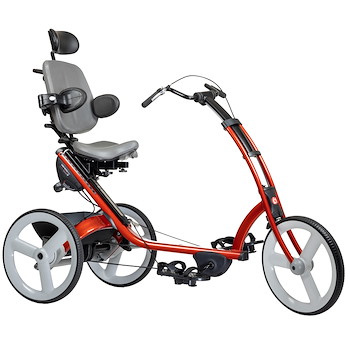
- Decide if you want a three-wheeled or four-wheeled model.
Evaluating Safety Features
Safety features reduce the risk of accidents and injury. Look for strong brakes and good stability in the handcycle.
| Safety Feature | Why It Matters |
| Reliable Brakes | Stop quickly and safely |
| Sturdy Frame | Supports your weight and rough rides |
| Low Center of Gravity | Improves balance and prevents tipping |
| Reflectors or Lights | Increase visibility in low light |
| Adjustable Seat Belts | Keep you secure during movement |
Training And Preparation
Using adaptive handcycles safely needs proper training and preparation. Riders must build skills and plan for emergencies.
Training helps avoid accidents and keeps riders confident on different terrains.
Skill Development
Building skills is key to safe handcycle use. Practice balance, steering, and braking in a safe area first.
- Learn to start and stop smoothly
- Practice turning at slow speeds
- Get comfortable with different surfaces
- Train on inclines and declines
- Wear protective gear during practice
Emergency Response Planning
Plan ahead for emergencies. Know what to do if you fall or face mechanical issues.
| Emergency | Recommended Action |
| Fall or Injury | Call for help, stay calm, use first aid kit |
| Mechanical Failure | Stop safely, check the problem, use tools or call support |
| Bad Weather | Seek shelter quickly, avoid risky areas |
| Lost or Disoriented | Use GPS or phone to find location, stay put if needed |
Credit: www.spinlife.com
Frequently Asked Questions
Are Adaptive Handcycles Safe For Beginners?
Yes, adaptive handcycles are safe for beginners. They feature stable designs and adjustable controls. Proper training and helmet use improve safety. Always start in controlled environments to build confidence and skills gradually.
What Safety Features Do Adaptive Handcycles Have?
Adaptive handcycles include safety features like sturdy frames, reliable brakes, and secure seating. Many models offer adjustable components for comfort. Reflectors and lights enhance visibility. These features collectively ensure a safer riding experience.
Can Adaptive Handcycles Prevent Injuries?
Adaptive handcycles reduce injury risk through ergonomic design and stability. They promote proper posture, reducing strain. Using safety gear like helmets and pads further minimizes injuries. Regular maintenance keeps the handcycle in safe working condition.
Is It Safe To Use Adaptive Handcycles Outdoors?
Yes, it is safe to use adaptive handcycles outdoors with precautions. Choose smooth, even surfaces and avoid heavy traffic. Wear protective gear and follow local traffic rules. This ensures a safe and enjoyable outdoor ride.
Conclusion
Adaptive handcycles offer a safe and enjoyable riding experience. They provide stability and control on various terrains. Many users find them easy to handle. Proper maintenance and checks ensure better safety. Riders should always use protective gear. Helmets and pads can prevent injuries.
Practicing in safe areas boosts confidence. Different models cater to diverse needs. Choosing the right handcycle enhances comfort and safety. Consult experts for personalized advice. Enjoy the freedom and excitement of adaptive cycling. Safety first, always.



