

Are you looking to upgrade your gym equipment and wondering if adaptive cycles are the right choice? Adaptive cycles can transform workouts, making exercise more accessible and effective for everyone.
But are they truly suitable for gyms like yours? You’ll discover how adaptive cycles work, the benefits they bring, and whether they fit your gym’s unique needs. Keep reading to find out if this innovative gear can help boost your members’ experience and take your fitness space to the next level.
Adaptive Cycles Explained
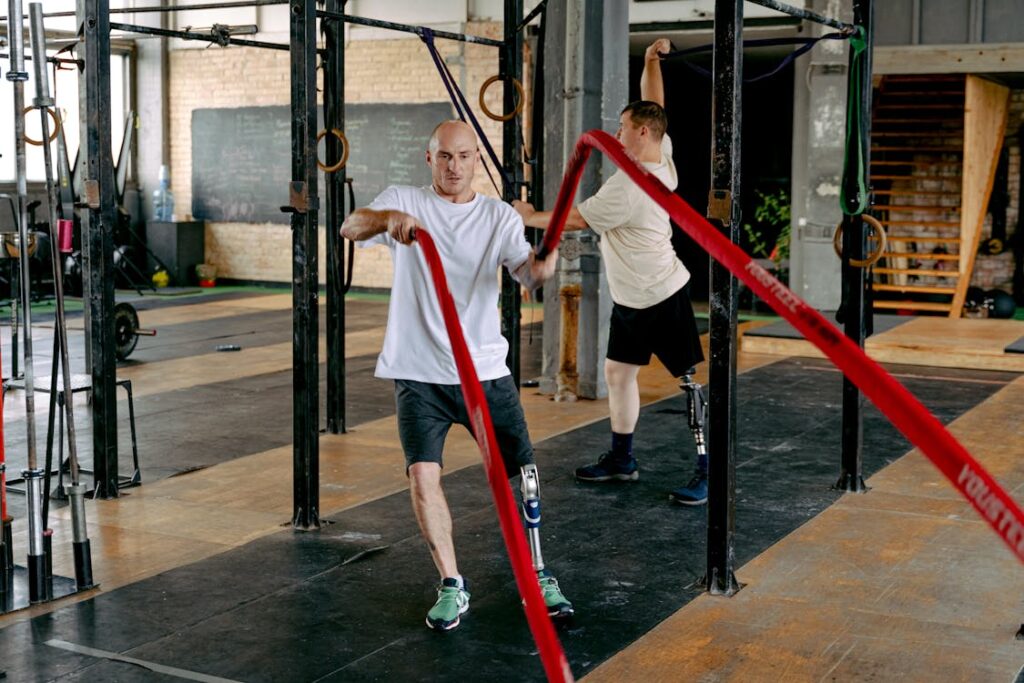
Adaptive cycles are special exercise bikes designed for people with physical challenges. They help users stay active and improve fitness safely.
These cycles offer support and comfort while allowing various body movements. Gyms can use them to serve members with diverse needs.
What Are Adaptive Cycles
Adaptive cycles differ from regular bikes by adding extra features. They have seats, straps, and handles to support different body types.
- Designed for people with limited mobility
- Offers adjustable settings for comfort
- Supports both upper and lower body workouts
- Easy to mount and dismount safely
Key Features And Benefits
| Feature | Benefit |
| Adjustable seat and pedals | Fits different body sizes |
| Supportive straps and handles | Improves stability and safety |
| Low-impact workout | Reduces joint stress |
| Quiet operation | Good for shared gym spaces |
| Easy controls | Accessible for all users |
Credit: www.robobionics.in
Advantages For Gym Users
Adaptive cycles offer many benefits for people using gyms. They provide a safe and effective way to exercise.
These cycles help improve fitness without putting too much stress on the body.
Improved Cardiovascular Health
Using adaptive cycles regularly strengthens the heart and lungs. It helps increase blood flow and oxygen delivery.
This type of exercise lowers the risk of heart disease and high blood pressure. It also boosts overall stamina.
Low-impact Workout Option
Adaptive cycles provide a low-impact way to exercise. They reduce stress on joints compared to running or jumping.
This makes cycling a good choice for people with arthritis or joint pain. It allows longer workout sessions without discomfort.
- Protects knees and hips
- Reduces risk of injury
- Allows smooth, gentle movements
Accessibility For All Fitness Levels
Adaptive cycles are easy to use for beginners and advanced gym users. They can adjust resistance to match fitness level.
People with disabilities or limited mobility can also benefit. The design supports safe and comfortable exercise for everyone.
- Adjustable seat and pedals
- Simple controls for resistance
- Supportive design for stability
Integration Into Gym Settings
Adaptive cycles can fit well in many gyms. They offer a low-impact workout option for users.
Gyms need to consider space and equipment needs before adding these cycles.
Space And Equipment Requirements
Adaptive cycles usually take up less space than treadmills or rowing machines. They can fit in small workout areas.
Gyms must ensure there is enough room for safe use and easy access. Proper ventilation and flooring are important.
- Measure cycle dimensions before purchase
- Allow space for user movement around the cycle
- Place on a flat, stable surface
- Keep near power outlets if needed
Complementing Existing Workout Routines
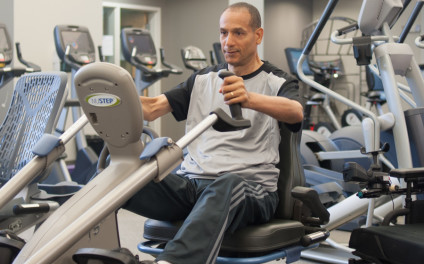
Adaptive cycles add variety to gym workouts. They work well with strength and cardio training.
These cycles help users improve endurance and muscle tone without stressing joints. They suit many fitness levels.
- Use adaptive cycles for warm-ups or cool-downs
- Combine with weight training for balanced workouts
- Offer to users needing low-impact exercise
- Include in rehab or recovery programs
Credit: www.ymcametronorth.org
Comparing Adaptive Cycles To Traditional Equipment
Gyms offer many types of workout machines. Two common options are adaptive cycles and traditional gym equipment. Both help with fitness but differ in how they work.
This article compares adaptive cycles to traditional machines, focusing on fat burning and muscle use. This helps you see which fits your workout needs.
Effectiveness In Fat Burning
Adaptive cycles and traditional equipment both burn calories. But they do so in different ways. The type of exercise and intensity affect fat loss results.
- Adaptive cycles provide low-impact cardio exercise. This suits people with joint issues.
- Traditional equipment like treadmills can offer higher intensity workouts.
- Fat burning depends on how long and hard you exercise.
- Adaptive cycles may allow longer sessions due to comfort.
- Traditional machines often target quick, intense calorie burn.
Muscle Engagement Differences
Adaptive cycles mainly work leg muscles and improve endurance. Traditional gym machines target various muscle groups depending on the type.
| Equipment Type | Main Muscles Used | Additional Benefits |
| Adaptive Cycle | Quadriceps, hamstrings, calves | Low joint stress, easy to use |
| Treadmill | Legs, core | Improves balance and coordination |
| Elliptical | Legs, arms, core | Full-body workout, low impact |
| Weight Machines | Specific muscle groups | Builds strength and muscle size |
User Experience And Feedback
Adaptive cycles are becoming popular in gyms. They offer flexible workouts for many users. Feedback from gym-goers shows mixed but mostly positive experiences.
These cycles adjust to different fitness levels and needs. Many users find them easy to use and comfortable. Some gyms report higher engagement with adaptive cycles.
Motivation And Consistency
Adaptive cycles help users stay motivated by allowing easy changes. Users can set goals and track progress. This keeps workouts interesting and less tiring.
Consistent use improves fitness over time. Many users say adaptive cycles fit their schedules well. This makes them more likely to return regularly.
- Easy adjustments encourage daily use
- Progress tracking boosts motivation
- Comfortable design reduces workout breaks
- Varied intensity keeps users engaged
Adaptation For Special Needs
Adaptive cycles suit people with special needs well. They offer features like adjustable seats and controls. This helps users with limited mobility or injury.
Gyms can customize settings for different abilities. Many users feel safer and more confident on these cycles. This encourages more inclusive workouts for all.
- Adjustable seats and pedals for comfort
- Easy-to-reach controls for limited movement
- Supportive design for injury recovery
- Quiet operation reduces stress
Potential Drawbacks And Limitations
Adaptive cycles offer many benefits for gym users. Still, they have some drawbacks gyms should consider before adding them.
Understanding these limitations helps gyms make better decisions about fitness equipment investments.
Cost Considerations
Adaptive cycles often cost more than standard exercise bikes. This higher price may not fit every gym budget.
Gyms need to think about the initial purchase price and any extra costs like software updates or accessories.
- Higher upfront cost than regular bikes
- Possible fees for software or app use
- Extra accessories may add to total cost
- Replacement parts can be expensive
Maintenance And Durability
Adaptive cycles have complex parts that need regular care. This can increase maintenance time and costs.
Wear and tear may happen faster if many users operate the cycles daily. Some parts might break more easily.
- More parts to check and fix regularly
- Technical issues may require expert repairs
- Durability may be lower than simpler bikes
- Frequent use can cause faster wear
Tips For Maximizing Fitness Gains
Adaptive cycles can help gym workouts by changing speed and resistance. This keeps your body guessing and improves fitness.
Using adaptive cycles well needs good planning and smart workout choices. This helps you get stronger and fitter.
Optimal Workout Plans
Create workout plans that mix cycling with rest and effort times. This helps your body build endurance and burn fat.
Change your cycling speed and resistance often. This stops your muscles from getting used to the same work.
- Start with warm-up at low resistance for 5 minutes
- Cycle fast for 30 seconds, then slow for 90 seconds
- Repeat intervals for 15 to 20 minutes
- End with cool down at low resistance for 5 minutes
Combining With Strength Training
Use adaptive cycling with strength training to improve overall fitness. Cycling boosts heart health and stamina.
Strength training builds muscles that help your cycling power. Doing both leads to better results.
- Cycle 2-3 times a week for cardio
- Do strength training 2-3 times a week
- Focus on legs, core, and back muscles
- Rest at least one day between workouts

Credit: www.yanrefitness.com
Frequently Asked Questions
What Are Adaptive Cycles In Gym Equipment?
Adaptive cycles are stationary bikes that adjust resistance automatically. They tailor workouts to users’ fitness levels and goals, enhancing exercise efficiency and engagement.
Are Adaptive Cycles Good For All Fitness Levels?
Yes, adaptive cycles suit beginners to advanced users. They modify difficulty based on performance, making workouts safe and effective for everyone.
How Do Adaptive Cycles Benefit Gym Members?
Adaptive cycles improve cardiovascular health, burn calories, and build leg strength. They provide personalized workouts, increasing motivation and consistency in gym routines.
Can Gyms Increase Membership Using Adaptive Cycles?
Installing adaptive cycles attracts tech-savvy and fitness-focused members. Their innovative features offer a unique workout experience, boosting gym appeal and member retention.
Conclusion
Adaptive cycles can be a great fit for gyms. They offer flexibility and cater to diverse fitness needs. Users get personalized workouts, enhancing their gym experience. Staff can easily adjust plans based on individual progress. This adaptability can lead to higher member satisfaction.
Gyms can attract more fitness enthusiasts. Adaptive cycles also help maintain member engagement. They keep workouts fresh and interesting. Investing in adaptive cycles may be a smart choice for gyms. A step towards meeting modern fitness demands. Suitable for all fitness levels.
Adaptive cycles could be the future of gym workouts.



