
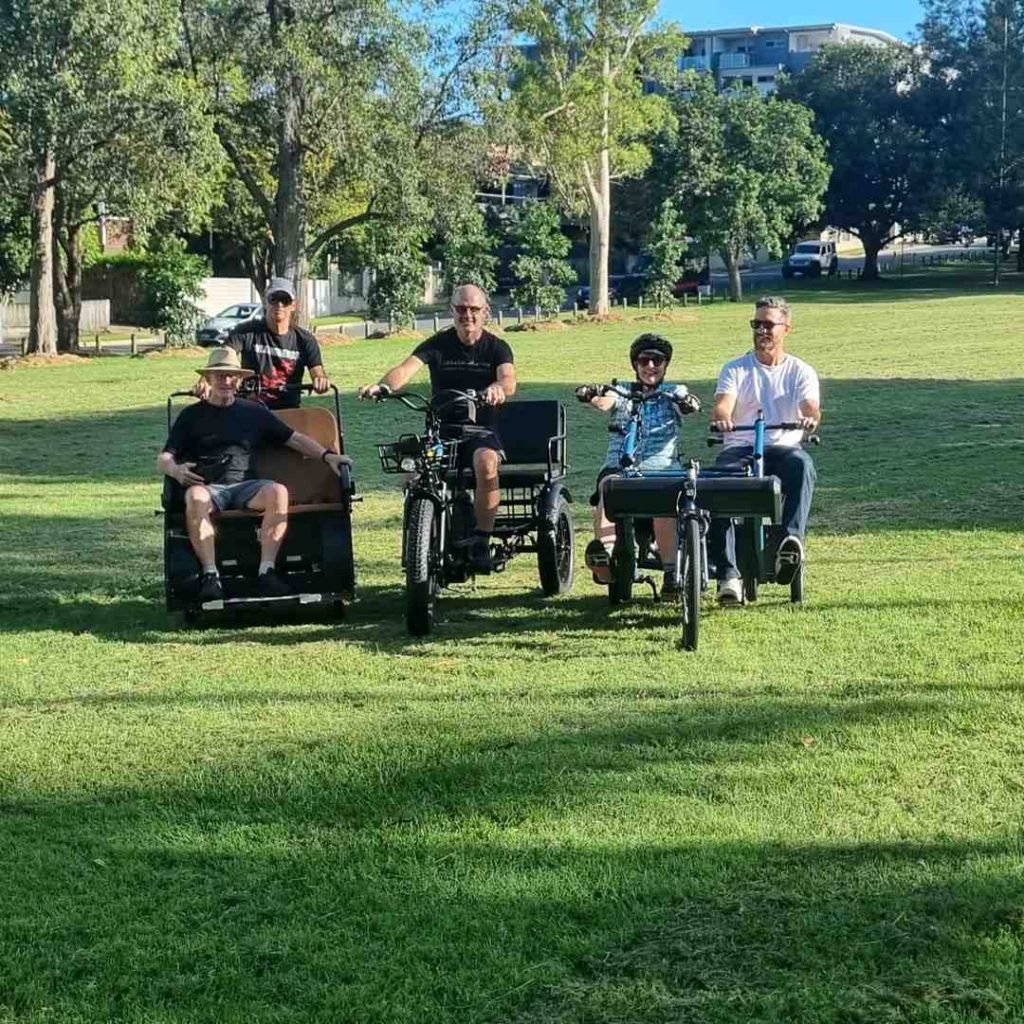
Have you ever wondered if adaptive bikes are hard to ride? If you’re thinking about trying one or helping someone who needs one, you might feel unsure.
The idea of riding a bike that’s different from a regular one can seem tricky at first. But what if riding an adaptive bike is easier than you expect? You’ll discover the truth behind how these bikes work and what it really takes to ride them.
Keep reading—you might be surprised by how accessible and enjoyable adaptive biking can be for you or your loved ones.
Credit: www.mhw-bike.com
Adaptive Bikes Basics
Adaptive bikes help people with different needs enjoy riding. They change to fit riders with balance or strength challenges.
These bikes are designed for comfort and safety. They make riding easier for people with disabilities.
Types Of Adaptive Bikes
There are many types of adaptive bikes. Each type supports different abilities and needs.
- Tricycles with three wheels for extra balance
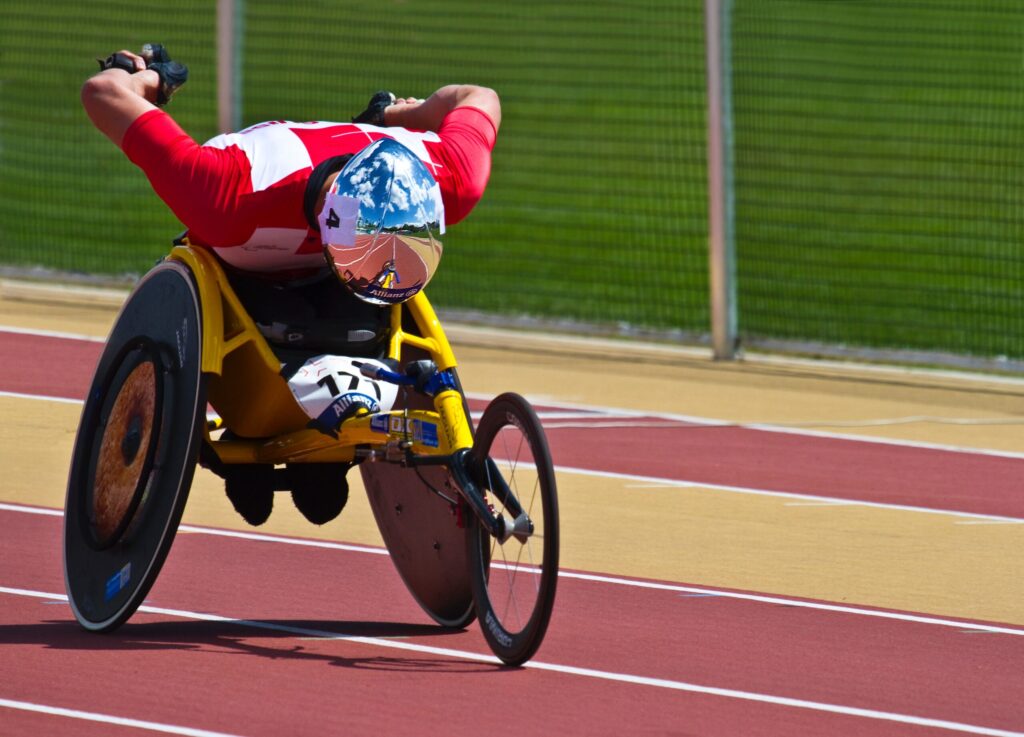
- Handcycles powered by hands instead of feet
- Tandem bikes where a helper pedals with the rider
- Recumbent bikes that let riders sit back comfortably
- Electric adaptive bikes that assist with pedaling
Key Features That Aid Riding
Adaptive bikes have special features to help riders. These features improve control, comfort, and safety.
- Wide seats and backrests for better support
- Adjustable pedals and handlebars for fit
- Stable three or four wheels for balance
- Easy-to-use brakes and gears
- Straps or harnesses to keep feet and hands secure
- Lower frames for easier mounting and dismounting

Credit: www.singletracks.com
Common Challenges Riders Face
Adaptive bikes help many people enjoy riding despite their difficulties. Riders often face some common challenges using these bikes.
Understanding these challenges can help riders and helpers improve the riding experience.
Balance And Stability Issues
Keeping balance on an adaptive bike can be hard for many riders. These bikes may feel different from regular bikes.
Riders might feel unstable, especially on uneven ground or when starting and stopping.
- Some adaptive bikes have extra wheels for support
- Balance problems may require practice and patience
- Using safety gear helps prevent falls and injuries
Handling And Maneuverability
Adaptive bikes can be harder to steer because of their design. They may have wider frames or added parts.
Turning and controlling speed might need more effort and skill than normal bikes.
- Some bikes use hand controls instead of pedals
- Practice helps improve handling over time
- Choosing the right bike size improves control
Physical Limitations Impact
Riders may have limited strength or movement that affects riding. Some find it hard to pedal or hold the handlebars.
Fatigue can occur quickly, reducing riding time and comfort.
- Adaptive bikes often have special seats and supports
- Adjustments can help fit the bike to the rider’s needs
- Regular breaks help manage tiredness and pain
Expert Tips For Smooth Riding
Adaptive bikes help many people enjoy riding safely and comfortably. Learning how to ride well takes some practice and good advice.
This guide shares expert tips to make your riding experience smooth and fun.
Starting With Proper Bike Fit
Getting the right bike fit is key to riding well. A bike that fits your body helps you stay balanced and reduces strain.
- Adjust the seat height so your feet reach the pedals comfortably.
- Check that handlebars are at a good height to avoid leaning too far forward.
- Make sure the bike frame suits your size and weight.
- Test the fit by riding slowly and making small adjustments.
Adjusting To Different Terrains
Adaptive bikes handle many surfaces. Knowing how to adjust your riding helps on roads, gravel, or grass.
| Terrain | Tip |
| Asphalt | Maintain steady speed and keep your tires properly inflated. |
| Gravel | Use wider tires and slow down to avoid slipping. |
| Grass | Keep your weight centered and pedal smoothly for control. |
| Hills | Shift gears early and use your body to help balance. |
Using Supportive Accessories
Accessories can improve comfort and safety. Choose items that fit your needs and bike type.
- Install padded seat covers to reduce pressure during long rides.
- Use handlebar grips designed to reduce hand fatigue.
- Consider mirrors or lights for better visibility and safety.
- Wear a properly fitted helmet for protection.
Training Techniques For Confidence
Riding adaptive bikes can be a new experience. Training helps build confidence and skills.
This guide covers key techniques to make riding easier and safer.
Building Strength And Endurance
Strong muscles help control the bike better. Endurance lets you ride longer without getting tired.
- Start with short rides to avoid fatigue.
- Do leg and core exercises daily.
- Increase ride time slowly each week.
- Rest well to allow muscles to recover.
- Use resistance bands to improve strength.
Practicing Controlled Movements
Controlled movements help keep balance and avoid falls. Practice smooth starts and stops.
Tips for Controlled Movements:
- Keep your eyes focused ahead.
- Use gentle pedal pressure.
- Practice steering in open spaces.
- Learn to brake slowly and evenly.
Safety Measures To Follow
Safety is important. Wear gear and check your bike before riding.
| Safety Measure | Reason |
| Wear a helmet | Protects your head from injury |
| Check brakes | Ensures you can stop safely |
| Use reflective clothing | Makes you visible in low light |
| Ride in safe areas | Reduces risk of accidents |
Maintenance For Easy Cycling
Keeping an adaptive bike in good shape makes riding easier and safer.
Regular maintenance helps avoid problems and keeps your bike comfortable.
Regular Bike Checks
Check the tires for air and wear before every ride. Look over the brakes and gears. Make sure all bolts are tight.
- Inspect tire pressure and tread
- Test brakes for strong stopping power
- Check chain and gears for smooth shifting
- Tighten loose screws and bolts
Adjustments For Comfort
Adjust the seat and handlebars to fit your body. Proper fit reduces strain and helps control the bike.
| Part | Adjustment Tip |
| Seat | Set height so feet touch the ground lightly |
| Handlebars | Position within easy reach without stretching |
| Pedals | Check they spin freely and match your shoe size |
Troubleshooting Common Issues
Fix small problems early to keep your bike running smoothly. Listen for noises and feel for changes when riding.
- Noise from chain? Clean and lubricate it.
- Brakes feel weak? Adjust the brake pads or cables.
- Seat slipping? Tighten the seat post clamp.
- Handlebar wobbles? Check and tighten stem bolts.
Credit: www.rifton.com
Resources For Adaptive Cyclists
Adaptive cycling offers a way for people with different abilities to enjoy riding. It can feel hard at first, but many resources help cyclists get started and improve.
Finding the right support and tools can make riding easier and more fun. Below are key resources to help adaptive cyclists.
Community Support Groups
Joining a community group connects you with others who share similar experiences. These groups offer advice, encouragement, and chances to meet up for rides.
- Local adaptive cycling clubs
- Online forums and social media groups
- Nonprofit organizations for disabled athletes
- Meetup events focused on adaptive sports
Professional Coaching Options
Coaches trained in adaptive cycling can help improve your skills safely. They tailor training to your needs and abilities.
| Type of Coach | Focus | Benefits |
| Physical Therapist | Movement and strength | Reduce injury risk |
| Adaptive Cycling Coach | Technique and endurance | Boost confidence |
| Sports Psychologist | Mental focus | Improve motivation |
Adaptive Bike Rental And Trials
Trying different bikes before buying helps find the right fit. Many places offer rentals or trial programs for adaptive bikes.
Common types of adaptive bikes for trial include:
- Handcycles for arm-powered riding
- Tricycles for better balance
- Tandem bikes to ride with a partner
- Recumbent bikes for comfort and support
Check with local bike shops or adaptive sports centers for rental options.
Frequently Asked Questions
Are Adaptive Bikes Suitable For Beginners?
Yes, adaptive bikes are suitable for beginners. They are designed to accommodate various abilities, making them accessible. The adjustable features offer stability and comfort, which can help new riders gain confidence. With proper guidance, beginners can enjoy a smooth and enjoyable ride on adaptive bikes.
Do Adaptive Bikes Require Special Skills To Ride?
No, adaptive bikes do not require special skills. They are engineered to cater to diverse needs, ensuring ease of use. Many adaptive bikes come with supportive features like extra balance and control options. This makes them accessible for riders with different skill levels and abilities.
How Do Adaptive Bikes Improve Riding Experience?
Adaptive bikes enhance the riding experience by offering personalized adjustments. These bikes are tailored to meet individual needs, providing comfort and stability. With features like adjustable seating and handlebars, riders can enjoy a more comfortable ride. This customization enhances both safety and enjoyment for diverse users.
Are Adaptive Bikes More Expensive Than Regular Bikes?
Yes, adaptive bikes can be more expensive than regular bikes. Their specialized design and custom features contribute to the higher cost. However, the benefits they provide, including tailored adjustments for individual needs, can justify the investment. Various models and price ranges are available to suit different budgets.
Conclusion
Adaptive bikes can feel different at first but are not hard to ride. Practice helps build confidence and control quickly. These bikes offer stability and support for many riders. Choosing the right adaptive bike makes a big difference. Most people find riding easier with time and patience.
Enjoy the freedom and fun that adaptive biking brings. Keep trying, and you will improve every ride. Adaptive bikes open new ways to stay active and happy.



