
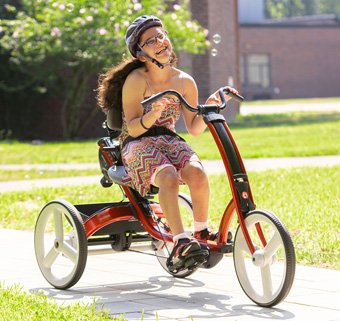
Are you looking for a fun and effective way to boost your fitness? Adaptive bikes might be just what you need.
These specially designed bikes make exercise accessible and enjoyable, no matter your ability. But are adaptive bikes really good for your workout goals? Keep reading to discover how they can help you build strength, improve balance, and stay active—all while having a great time.
You might be surprised at how much difference the right bike can make for your exercise routine.

Credit: www.rifton.com
Benefits Of Adaptive Bikes
Adaptive bikes help people with different abilities enjoy cycling. They provide a safe and supportive way to exercise. Using these bikes can improve health in many ways.
People who use adaptive bikes often see positive changes in their body and mind. These benefits make adaptive bikes a good choice for exercise.
Improving Cardiovascular Health
Riding an adaptive bike raises your heart rate. This helps strengthen the heart and lungs. Regular exercise on these bikes can lower blood pressure and reduce the risk of heart disease.
Enhancing Muscle Strength
Adaptive bikes work many muscles at once. They help build leg, arm, and core strength. Stronger muscles improve balance and mobility for daily activities.
- Leg muscles get stronger from pedaling
- Arm muscles work with hand pedals or steering
- Core muscles stay active to keep balance
- Muscle tone improves with regular use
Boosting Mental Well-being
Riding an adaptive bike can lift your mood. Exercise releases chemicals that reduce stress and anxiety. It also helps improve focus and sleep quality.
| Benefit | Effect |
| Stress Reduction | Lower cortisol levels |
| Improved Mood | More serotonin and dopamine |
| Better Sleep | Deeper and longer rest |
| Increased Focus | Sharper mental clarity |
Adaptive Bikes And Mobility
Adaptive bikes are designed to help people with different mobility needs. These bikes support exercise and movement for many users.
Using adaptive bikes can improve physical health and help users move more easily. They are important tools for staying active.
Increasing Range Of Motion
Adaptive bikes encourage gentle movement of joints and muscles. This helps increase the range of motion over time.
Regular use can reduce stiffness and improve flexibility. Moving limbs helps keep muscles strong and joints healthy.
Supporting Balance And Coordination
Adaptive bikes help users practice balance in a safe way. This builds coordination between the body and brain.
Improved balance lowers the risk of falls. Coordination skills get stronger as users pedal and steer the bike.
- Enhances body awareness
- Improves muscle control
- Supports safe movement
Promoting Independence
Adaptive bikes let users move on their own. This helps them feel confident and independent in daily life.
Riding an adaptive bike can increase freedom. It allows users to explore and enjoy outdoor activities more easily.
Types Of Adaptive Bikes
Adaptive bikes help people with different needs enjoy exercise. They come in many styles to fit various abilities.
These bikes offer support and make pedaling easier. Here are some common types of adaptive bikes used for exercise.
Recumbent Bikes
Recumbent bikes have a seat that supports your back. You sit in a reclined position while pedaling.
This design reduces strain on joints. It works well for people with balance or back problems.
Handcycles
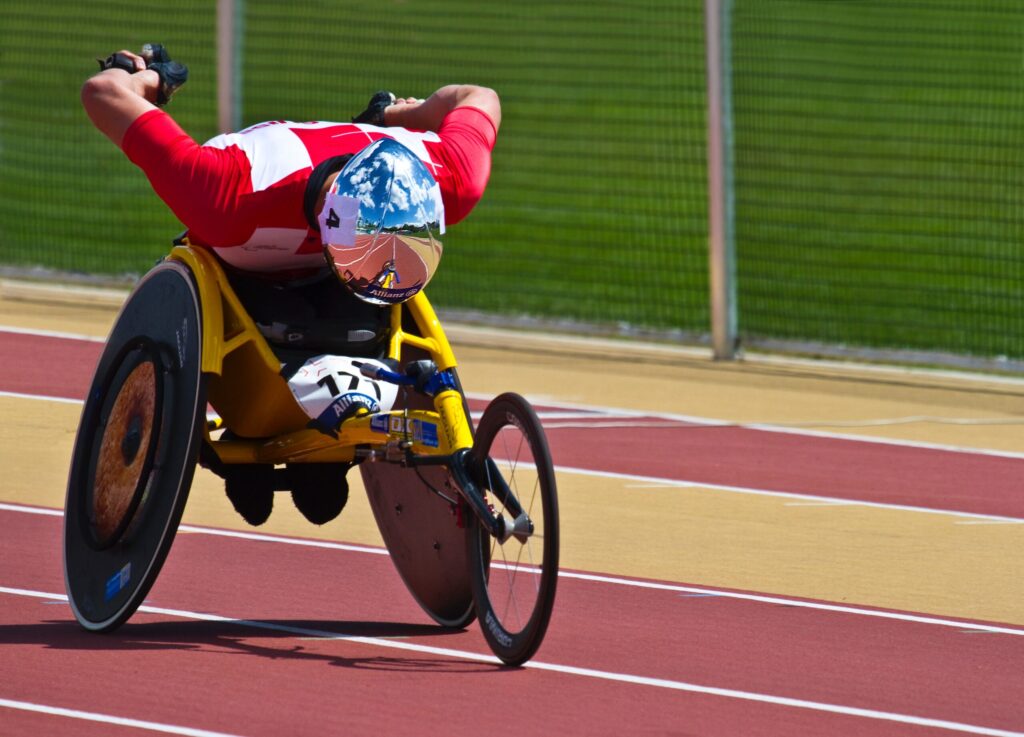
Handcycles use your arms to pedal instead of your legs. They are great for people with lower body disabilities.
Handcycles help improve upper body strength and cardiovascular health. They come in different styles for various needs.
Tricycles
Tricycles have three wheels for extra stability. They help riders who have trouble balancing on two wheels.
These bikes can be used indoors or outdoors. They allow people to enjoy cycling safely and comfortably.
Choosing The Right Adaptive Bike
Adaptive bikes help people with different needs enjoy exercise. Picking the right bike makes workouts safer and more effective.
Consider your fitness goals, physical limits, and comfort to find the best bike for you.
Assessing Fitness Goals
Know what you want to achieve with your bike. Do you want to build strength, improve balance, or increase endurance?
Choose a bike that fits your goals to stay motivated and see progress.
- For strength, pick a bike with adjustable resistance
- For balance, choose a stable model with extra support
- For endurance, select a bike made for longer rides
Considering Physical Limitations
Think about your body’s needs and limits. Some bikes work better for people with certain disabilities or injuries.
Check if the bike offers features like hand pedals, easy step-through frames, or extra safety straps.
- Choose bikes that support your posture
- Look for adjustable seats and handlebars
- Consider models with easy-to-use controls
Fitting And Comfort
A good fit prevents pain and improves riding experience. Make sure the seat and pedals feel right for your body.
Comfort features can include padded seats, adjustable parts, and smooth ride quality.
- Adjust the seat height for proper leg extension
- Check if handlebars are easy to reach
- Test for good back and neck support
Exercise Tips With Adaptive Bikes
Adaptive bikes help many people enjoy exercise safely. They support different needs and abilities.
Using adaptive bikes the right way can improve fitness and build strength. Here are some tips.
Starting Slow And Steady
Begin with short rides to avoid fatigue or injury. Listen to your body and take breaks.
Increase your time and effort gradually. This helps your muscles get stronger safely.
Incorporating Interval Training
Try alternating between easy and harder pedaling. This boosts endurance and burns more calories.
- Pedal slowly for 2 minutes
- Pedal faster for 1 minute
- Repeat this cycle 5 to 10 times
Adjust speed and time based on your comfort and fitness level.
Tracking Progress
Keep a simple log of your rides. Note distance, time, and how you feel each day.
Watching your progress helps you stay motivated and make small improvements over time.
- Record minutes spent riding
- Track distance covered
- Write down how hard the ride felt
- Set small goals for each week
Credit: www.mhw-bike.com
Common Challenges And Solutions
Adaptive bikes help many people stay active. They offer special features for different needs. Using these bikes can come with some challenges.
Understanding these challenges and how to solve them helps users enjoy exercise and stay safe. This guide covers common issues and practical tips.
Dealing With Fatigue
Fatigue can make exercise difficult for adaptive bike users. It is important to listen to your body and rest when needed. Short breaks during rides can help maintain energy.
- Start with short sessions and increase time gradually
- Drink water to stay hydrated
- Use pacing techniques to avoid overexertion
- Include warm-up and cool-down exercises
Handling Equipment Adjustments
Adaptive bikes often need fine-tuning for comfort and safety. Adjusting seats, handlebars, and pedals correctly reduces strain and improves control. Users should check settings regularly.
| Equipment Part | Adjustment Tip |
| Seat Height | Set so feet reach pedals comfortably |
| Handlebars | Adjust to avoid reaching too far forward |
| Pedals | Secure straps to keep feet stable |
| Brakes | Test and adjust sensitivity for quick stops |
Finding Support And Resources
Support is key for adaptive bike users. Joining groups and using available resources helps improve skills and confidence. Many communities offer specialized programs.
Here are ways to find help and resources:
- Contact local adaptive sports organizations
- Visit online forums for tips and advice
- Ask bike shops about maintenance services
- Look for community exercise classes tailored to your needs

Credit: www.youtube.com
Frequently Asked Questions
Are Adaptive Bikes Effective For Full-body Exercise?
Adaptive bikes engage multiple muscle groups, providing a comprehensive workout. They improve cardiovascular health, strength, and coordination, making them effective for full-body exercise.
Can Adaptive Bikes Improve Mobility And Flexibility?
Yes, adaptive bikes enhance mobility and flexibility by encouraging regular movement. They help maintain joint health and reduce stiffness, benefiting overall physical function.
Are Adaptive Bikes Suitable For All Fitness Levels?
Adaptive bikes are designed for all fitness levels. They offer adjustable resistance and support, allowing users to customize workouts to their ability and progress safely.
How Do Adaptive Bikes Support Rehabilitation Exercises?
Adaptive bikes aid rehabilitation by enabling low-impact, controlled movements. They promote muscle recovery, improve endurance, and support safe physical therapy routines.
Conclusion
Adaptive bikes offer a great way to exercise. They cater to diverse needs, making fitness accessible to many. With their unique design, they provide comfort and stability. Ideal for people with different abilities. These bikes encourage regular physical activity. A great option for improving health and well-being.
They make outdoor adventures enjoyable and inclusive. Consider them for a fun, engaging workout. Boost your fitness journey with adaptive bikes. Enjoy the benefits of cycling while meeting personal needs. An excellent choice for a healthier lifestyle.



