

Are you or a loved one in need of an adaptive bike but unsure if Medicaid will help cover the cost? Finding the right support for mobility equipment can feel overwhelming.
You want to improve your quality of life without breaking the bank. Understanding whether adaptive bikes are covered by Medicaid can make a big difference in your decision. You’ll discover what Medicaid covers, how to apply, and tips to increase your chances of approval.
Keep reading to get the clear answers you need and take a confident step toward greater independence.
Credit: www.rifton.com
Medicaid And Adaptive Bikes
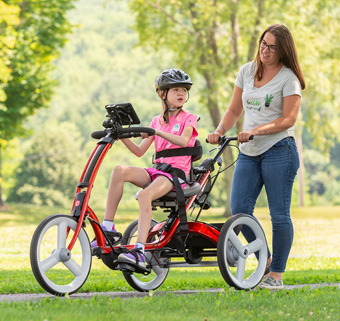
Adaptive bikes help people with disabilities enjoy riding safely. These bikes have special features for different needs.
Medicaid sometimes covers adaptive bikes for those who qualify. This support helps improve mobility and health.
Medicaid Basics
Medicaid is a government program that helps pay for health care. It covers people with low income and disabilities.
Each state runs its own Medicaid program. Coverage and rules can change from one state to another.
Eligibility Criteria
To get Medicaid coverage for an adaptive bike, you must meet certain rules. These include income and health needs.
Doctors or therapists often need to prescribe the adaptive bike. They must show the bike is medically necessary.
- You must be enrolled in Medicaid in your state
- You need a medical condition that limits mobility
- A healthcare provider must recommend the adaptive bike
- The bike must help improve your health or daily function
Coverage For Adaptive Bikes
Adaptive bikes help people with disabilities stay active. Medicaid may cover these bikes in some cases. Coverage depends on the state and specific rules.
This article explains which adaptive bikes are included and what conditions are needed for approval.
What Adaptive Bikes Are Included
Medicaid often covers several types of adaptive bikes. These bikes support different disabilities and needs.
- Tricycles with extra support
- Handcycles for arm pedaling
- Recumbent bikes for better posture
- Three- and four-wheel bikes for stability
- Bikes with special seating or harnesses
Conditions For Approval
| Condition | Details |
| Medical Necessity | Doctor must confirm the bike is needed for therapy or mobility. |
| Diagnosis | The user must have a physical or developmental disability. |
| Prescription | A written prescription from a healthcare provider is required. |
| Prior Authorization | Some states require approval before purchase. |
| Provider Network | Bikes must be bought from approved vendors. |
Application Process
Applying for Medicaid coverage of adaptive bikes involves a clear process. Understanding the steps helps you get the support you need.
This guide explains the required documentation and how to submit a claim for an adaptive bike.
Required Documentation
Gathering the right documents is key to a smooth application. Medicaid needs proof to approve coverage for adaptive bikes.
- A prescription or letter from a doctor explaining the medical need
- Proof of Medicaid eligibility
- Detailed quote or invoice for the adaptive bike
- Medical records supporting the condition
- Supplier information and product specifications
Steps To Submit A Claim
Submitting a claim requires careful attention to Medicaid rules and timelines. Follow these steps to increase your chances of approval.
| Step | Action |
| 1 | Complete the Medicaid claim form |
| 2 | Attach all required documentation |
| 3 | Submit the claim to your state Medicaid office |
| 4 | Wait for claim review and possible follow-up |
| 5 | Receive approval or request for more information |
Common Challenges
Adaptive bikes help many people with mobility needs. Getting Medicaid to pay for them can be hard.
People often face problems like denied claims or unclear rules. Knowing these challenges helps prepare better.
Denial Reasons
Medicaid may deny coverage for adaptive bikes for several reasons. Some denials happen because of missing paperwork or unclear medical need.
- Incomplete or missing documentation from doctors
- Claims that adaptive bikes are not medically necessary
- Use of non-approved vendors or equipment
- Lack of prior authorization before purchase
- Coverage limits set by state Medicaid programs
Appeal Options
If Medicaid denies a claim, you can appeal the decision. The appeal process lets you present more information to support your case.
| Appeal Step | What to Do |
| Request Explanation | Ask Medicaid why your claim was denied |
| Gather Documents | Collect medical records and doctor’s letters |
| File Appeal | Submit a formal appeal within the time limit |
| Attend Hearing | Present your case in front of a review board |
| Receive Decision | Wait for Medicaid’s response after review |
Alternative Funding Sources
Adaptive bikes can be costly, and Medicaid may not cover all expenses. Finding other ways to pay helps many families get the right equipment.
Several programs and organizations offer funding to support the purchase of adaptive bikes. These sources make the bikes more affordable for those in need.
Grants And Charities
Many charities and grant programs help families pay for adaptive bikes. These groups focus on improving mobility and independence for people with disabilities.
- Local disability organizations may have funds available.
- National charities sometimes offer grants for medical equipment.
- Sports and recreation groups provide support for adaptive sports gear.
- Fundraising events can also help cover bike costs.
State And Local Programs
Many states and local governments run programs to help with adaptive bike costs. These programs vary by location but can include vouchers, loans, or direct funding.
| Program Type | Description | How to Apply |
| Equipment Vouchers | Coupons to reduce bike purchase price. | Contact state health department. |
| Low-Interest Loans | Loans with low fees for adaptive equipment. | Apply through local government offices. |
| Direct Grants | Funds given without repayment requirements. | Check with disability services agencies. |
Credit: www.rifton.com
Tips For Success
Getting an adaptive bike covered by Medicaid can be tricky. Knowing how to work with your healthcare team helps a lot.
Keeping good records and following the right steps makes your request stronger.
Working With Healthcare Providers
Your doctor or therapist plays a key role in getting an adaptive bike covered. Talk clearly about your needs and goals.
Ask your healthcare provider to write detailed notes. These notes should explain why the bike helps with your health.
- Discuss your physical needs and how the bike helps
- Request a formal recommendation or prescription
- Make sure the provider states the medical benefits clearly
- Follow up regularly to update your progress
Maintaining Records
Keep all your documents organized. This includes doctor notes, prescriptions, and receipts.
Good records make it easier to prove your need to Medicaid. They also speed up the approval process.
- Save all medical evaluations and reports
- Keep copies of all communication with Medicaid
- Track dates and details of bike use and therapy progress
- Store receipts and invoices related to the bike purchase

Credit: etrikeco.com
Frequently Asked Questions
Are Adaptive Bikes Covered By Medicaid?
Medicaid coverage for adaptive bikes varies by state and individual plans. Some states approve coverage if prescribed by a healthcare provider. Always check with your local Medicaid office for specific eligibility and reimbursement details related to adaptive bikes.
What Conditions Qualify For Medicaid Adaptive Bike Coverage?
Medicaid typically covers adaptive bikes for individuals with physical disabilities or developmental delays. A doctor’s prescription or therapy recommendation is often required. Coverage depends on demonstrating medical necessity and meeting state-specific Medicaid criteria.
How To Get Medicaid Approval For An Adaptive Bike?
Obtain a doctor’s prescription stating the medical need for an adaptive bike. Submit required documentation to your state Medicaid office. Follow their process for prior authorization to increase chances of approval and coverage.
Can Medicaid Cover Adaptive Bike Repairs Or Accessories?
Medicaid coverage for repairs or accessories is limited and varies by state. Some plans may cover essential repairs if medically necessary. Check with your Medicaid provider to understand specific rules about adaptive bike maintenance coverage.
Conclusion
Medicaid may cover adaptive bikes, but rules vary by state. Checking local Medicaid policies helps understand coverage options. Doctors often need to approve medical necessity for these bikes. Keeping all paperwork ready speeds up the approval process. Adaptive bikes improve mobility and independence for many users.
Exploring Medicaid support can make these bikes more affordable. Stay informed and ask questions to get the best help. Small steps lead to better access and improved quality of life.



