
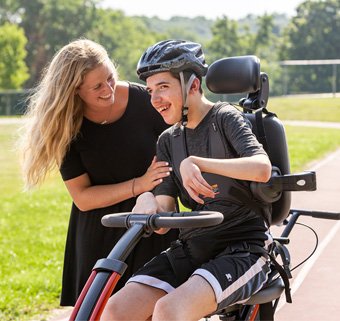
Are you thinking about getting an adaptive bike but wondering if your insurance will cover it? You’re not alone.
Adaptive bikes can make a huge difference in mobility and independence, but the cost can be a big concern. What if you could get help paying for it? Understanding whether your insurance covers adaptive bikes can save you money and stress.
Keep reading to find out how to navigate insurance options and get the support you need for your new ride.
Credit: www.rifton.com
Adaptive Bikes And Insurance Basics
Adaptive bikes help people with different abilities enjoy cycling. These bikes have special features to fit each rider’s needs.
Many wonder if insurance will cover the cost of adaptive bikes. Understanding insurance basics helps you know your options.
What Are Adaptive Bikes
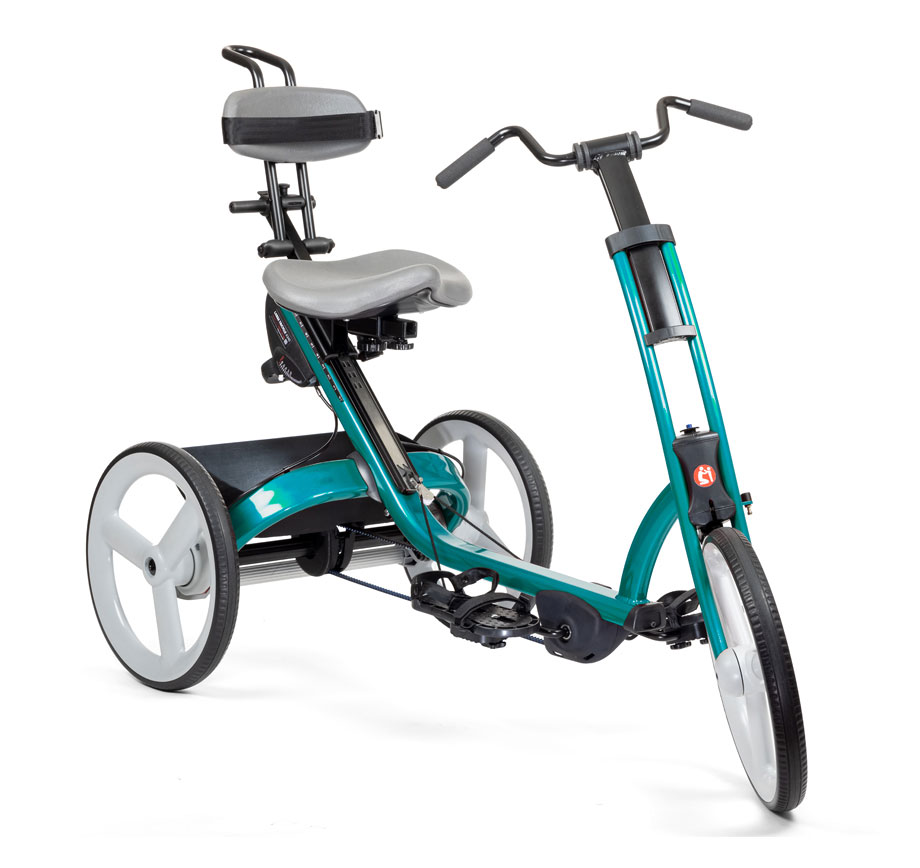
Adaptive bikes are bicycles designed for people with disabilities or special needs. They allow safe and comfortable riding for users.
These bikes often include hand pedals, extra seats, or balance supports. They help riders enjoy outdoor activities and stay active.
Types Of Insurance That May Cover Adaptive Bikes
Some insurance plans might cover adaptive bikes. This depends on the policy and the reason for needing the bike.
Common insurance types that may help include:
- Health insurance, if the bike is prescribed for therapy or mobility
- Disability insurance, covering equipment needed for daily living
- Medicare or Medicaid, which sometimes pay for adaptive equipment
- Private insurance riders or special equipment coverage
Eligibility For Insurance Coverage
Adaptive bikes help people with physical challenges enjoy cycling. Insurance may cover these bikes if certain rules are met.
Each insurance plan has its own rules. Understanding these rules can make it easier to get coverage for an adaptive bike.
Medical Necessity Criteria
Insurance usually covers adaptive bikes only if a doctor says the bike is needed. This is called medical necessity.
The bike must help with a health problem or improve mobility. Insurance looks for clear reasons why the bike is needed.
- The bike must treat or help a diagnosed condition
- The bike should improve the user’s daily life
- Other equipment must not work as well
- Doctor’s prescription or recommendation is required
Documentation Required
To get insurance coverage, you must provide documents that prove the need for an adaptive bike.
These documents help the insurance company decide if the bike is covered.
- Doctor’s prescription or letter explaining the need
- Medical records showing the condition
- Details about the bike model and cost
- Proof that other equipment was tried and did not work
Insurance Claim Process
Filing an insurance claim for adaptive bikes can help cover the cost. Knowing the process makes it easier to get support.
Each insurance company has rules to follow. Understanding these rules helps avoid delays or denials.
Steps To File A Claim
Follow these steps to file your insurance claim for an adaptive bike:
- Get a prescription or letter from your doctor stating the need for the adaptive bike.
- Check your insurance policy to confirm coverage details and required documents.
- Gather all needed paperwork, including receipts and medical notes.
- Contact your insurance provider to start the claim process.
- Submit the claim with all supporting documents through their online portal or by mail.
- Keep copies of everything you send for your records.
- Follow up with the insurance company if you do not hear back within the stated time.
Common Challenges
Many claimants face problems when filing for adaptive bike coverage. Knowing these issues can help you prepare better.
| Challenge | How to Handle It |
| Missing or incomplete documents | Double-check all paperwork before submission. |
| Insurance policy exclusions | Review your policy carefully to understand coverage limits. |
| Delays in claim processing | Contact customer service regularly for updates. |
| Claim denial due to lack of medical proof | Obtain detailed medical notes and prescriptions from your doctor. |
| Confusion about claim procedures | Ask your insurance provider for clear instructions or help. |
Coverage Limits And Costs
Adaptive bikes help people with special mobility needs. Insurance coverage for these bikes varies. It depends on the policy and provider.
Understanding coverage limits and costs can help you plan your purchase. This guide explains typical coverage amounts and out-of-pocket expenses.
Typical Coverage Amounts
Insurance plans often set a maximum amount they will pay for adaptive bikes. This limit can range based on the type of bike and medical necessity.
| Insurance Type | Coverage Limit | Notes |
|---|---|---|
| Medicare | $500 – $1,000 | Only covers specific medical needs |
| Medicaid | Varies by state | May cover more with approval |
| Private Insurance | $1,000 – $3,000 | Depends on plan details |
| Veteran Benefits | Up to $2,500 | For service-connected disabilities |
Out-of-pocket Expenses
Even with insurance, you may pay some costs yourself. These include deductibles, copayments, and costs above coverage limits.
- Deductibles: Fixed amount before insurance pays
- Copayments: A share of the cost per purchase
- Costs over limits: You pay if bike price exceeds coverage
- Repairs or custom modifications often not covered
Alternatives When Insurance Denies Coverage
Adaptive bikes help many people with mobility needs. Insurance may not always cover these bikes. It is important to know your options if your claim is denied.
There are ways to appeal the decision and other funding sources to explore. Knowing these can increase your chances of getting the bike you need.
Appealing Insurance Decisions
If your insurance denies coverage for an adaptive bike, you can file an appeal. This process allows you to ask the insurer to review their decision again.
- Request a detailed explanation of the denial.
- Gather additional medical documents supporting the need.
- Submit a formal appeal letter to your insurance company.
- Include letters from therapists or doctors explaining benefits.
- Keep copies of all communications and documents sent.
Other Funding Options
If insurance will not cover the cost, look into other funding sources. Many groups and programs offer financial help for adaptive bikes.
| Funding Source | Description | How to Apply |
|---|---|---|
| Nonprofit Organizations | Groups that provide grants for adaptive equipment. | Check their website for application details. |
| Community Fundraisers | Local events to raise money for special needs equipment. | Join or create a fundraiser in your community. |
| Government Assistance | Programs that support people with disabilities. | Contact local health or social services office. |
| Manufacturer Discounts | Some companies offer price reductions or payment plans. | Ask the bike maker about special offers. |

Credit: www.rifton.com
Tips For Choosing The Right Adaptive Bike
Adaptive bikes help people with special needs enjoy cycling. Picking the right bike is important. It should fit the rider’s abilities and goals.
There are many types of adaptive bikes. Each has features made for different needs. Knowing what to look for makes choosing easier.
Matching Needs To Features
Start by understanding the rider’s physical and mobility needs. Some bikes support balance, while others offer extra stability.
- Consider the rider’s height and weight for proper bike size.
- Look at the type of terrain where the bike will be used.
- Check if special seating or support systems are needed.
- Think about the rider’s strength and ability to pedal or steer.
- Decide if hand cycles, tricycles, or tandem bikes suit best.
Consulting Professionals
Experts can help find the best adaptive bike. They assess needs and suggest suitable features. Talking to therapists or bike specialists is useful.
| Professional | Role | How They Help |
| Physical Therapist | Health Expert | Assesses mobility and strength |
| Occupational Therapist | Daily Living Specialist | Recommends support for tasks |
| Adaptive Bike Dealer | Product Expert | Shows bike options and fits bike |
| Insurance Agent | Coverage Advisor | Explains insurance benefits and claims |

Credit: etrikeco.com
Frequently Asked Questions
Are Adaptive Bikes Covered By Standard Insurance Policies?
Adaptive bikes might not be covered by standard insurance. It depends on the insurance provider and policy terms. It’s important to check your policy details or speak with your insurance agent to confirm coverage specifics for adaptive bikes.
How Can I Insure My Adaptive Bike?
To insure your adaptive bike, contact your insurance provider to discuss options. You might need to add a rider to your existing policy or explore specialized insurance plans. Document your bike’s value and any modifications to ensure adequate coverage.
Does Health Insurance Cover Adaptive Bike Costs?
Health insurance may cover adaptive bike costs if deemed medically necessary. Coverage varies by policy and insurer. Consult your health insurance provider to understand your benefits, required documentation, and potential out-of-pocket expenses for obtaining an adaptive bike.
What Factors Affect Adaptive Bike Insurance Cost?
Factors affecting adaptive bike insurance cost include the bike’s value, type, and usage. Your location, insurance provider, and selected coverage also influence the cost. Discuss these details with your insurer to get an accurate quote.
Conclusion
Adaptive bikes may be covered by some insurance plans. Coverage depends on your policy and medical need. Always check with your insurance provider before buying. Documentation from a doctor often helps approval. Many people find support through Medicaid or other programs.
Remember, each case is unique and needs careful review. Don’t hesitate to ask questions or seek advice. Getting the right bike can improve mobility and life quality. Stay informed and take steps to find the best option. Your health and comfort matter most.



