

Have you ever wondered if adaptive bikes can keep you comfortable on long rides? If you’re thinking about trying one, comfort is probably at the top of your mind.
After all, the last thing you want is to end a ride feeling sore or exhausted. You’ll discover how adaptive bikes are designed to support your body, reduce strain, and make those extended rides not just possible—but truly enjoyable. Keep reading to find out what makes these bikes stand out and how they might change the way you experience cycling.
Adaptive Bikes Basics
Adaptive bikes help people with different abilities enjoy cycling. They come in many styles to fit each rider’s needs.
Comfort is important, especially on long rides. The right bike can make a big difference.
Types Of Adaptive Bikes
Adaptive bikes include handcycles, tricycles, and recumbent bikes. Each type supports different physical needs.
- Handcycles:Powered by hand cranks, good for arm strength users.
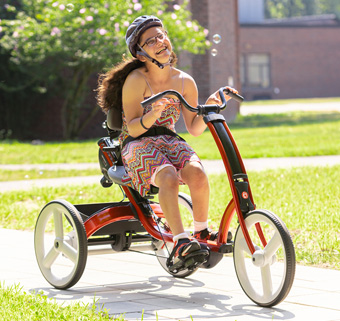
- Tricycles:Three wheels offer extra balance and stability.
- Recumbent Bikes:Reclined seating reduces pressure on the back.
- Electric Adaptive Bikes:Provide pedal assistance to reduce fatigue.
Key Features Affecting Comfort
Several bike features impact rider comfort. These include seating, suspension, and frame design.
| Feature | Comfort Benefit |
| Adjustable Seat | Allows custom fit to reduce strain and pain |
| Suspension System | Absorbs bumps and smooths the ride |
| Handlebar Position | Supports natural arm posture to prevent fatigue |
| Wide Tires | Improve balance and shock absorption |
Comfort Factors For Long Rides
Adaptive bikes offer unique features that affect comfort on long rides. Understanding these factors helps riders choose the right bike.
Comfort depends on several parts of the bike working well together. Each part plays a role in reducing fatigue and improving the ride experience.
Seat Design And Support
The seat is one of the most important comfort points on a bike. Adaptive bikes often have wider seats with extra padding to support long rides.
- Wide seats spread weight evenly
- Memory foam padding reduces pressure
- Adjustable seat height fits rider size
- Back support options improve posture
Handlebar Positioning
Handlebar placement affects arm and shoulder comfort. Adaptive bikes allow adjustments to fit different body types and riding styles.
Proper handlebar height and angle reduce strain on wrists and back. Riders feel less tired on long trips with correct positioning.
Suspension Systems
Suspension systems absorb shocks from rough roads. This reduces vibrations that cause discomfort during long rides.
| Type | Comfort Benefit |
| Front Suspension | Softens front wheel bumps |
| Full Suspension | Absorbs shocks on all wheels |
| No Suspension | Lighter but less comfortable on rough roads |
Frame Geometry
The shape and size of the frame influence riding posture. Adaptive bikes have designs that support upright or relaxed positions.
Frame features that improve comfort:
- Lower center of gravity for stability
- Longer wheelbase for smooth riding
- Step-through frames for easy mounting
Adjusting Your Adaptive Bike
Adaptive bikes can be comfortable for long rides with the right adjustments. Small changes help fit the bike to your body well.
Knowing how to adjust your bike makes riding easier and less tiring over time.
Custom Fit Techniques
Start by adjusting the seat height so your legs stretch comfortably. Make sure your knees are slightly bent at the bottom of each pedal stroke.
- Adjust the seat position forward or backward for knee alignment.
- Set handlebar height for a relaxed arm position.
- Use foot straps or pedals that match your foot size.
- Check the backrest angle for good support.
Accessory Options For Comfort
Adding accessories can improve comfort on long rides. Choose options that fit your needs and bike type.
| Accessory | Purpose | Benefit |
| Cushioned Seat | Reduce pressure | More comfort during rides |
| Handlebar Grips | Improve grip | Less hand fatigue |
| Adjustable Footrests | Support feet | Better leg positioning |
| Back Support Pads | Spine support | Reduce back pain |
Credit: www.topspeed.com
Comparing Adaptive Bikes To Traditional Bikes
Adaptive bikes are designed for riders with special needs or physical challenges. Traditional bikes suit most riders without extra requirements. Both types have unique features that affect comfort and performance.
This comparison looks at how adaptive bikes differ from traditional bikes. We focus on comfort during long rides and how each type performs over time.
Ergonomic Differences
Adaptive bikes often have different seating positions to support various body types. They use special seats, pedals, and handlebars to improve stability and comfort.
Traditional bikes usually have a standard upright or leaned-forward position. They are made for general use and may not fit all body needs perfectly.
- Adaptive bikes offer more seat support and cushioning.
- Handlebars on adaptive bikes may be easier to reach and control.
- Traditional bikes focus on speed and agility with less seat support.
- Adaptive bikes can have customized pedal systems for better foot placement.
Performance On Long Rides
Adaptive bikes provide good comfort for long rides due to their design. They reduce pressure on joints and muscles by supporting the rider’s posture well.
Traditional bikes may cause discomfort during long rides if the rider’s body does not fit well. Riders might feel pain in the back, wrists, or seat area.
- Adaptive bikes help reduce fatigue with better support.
- Traditional bikes can be faster but less comfortable for some riders.
- Adaptive bikes allow longer rides for people with mobility limits.
- Traditional bikes suit riders used to their posture and style.
User Experiences And Tips
Adaptive bikes offer a new way to enjoy cycling for many riders. Comfort during long rides can vary based on the bike and rider’s needs. Listening to real user stories helps understand what to expect.
Below are shared experiences and advice to help riders make their long rides more comfortable on adaptive bikes.
Rider Testimonials
Many riders say adaptive bikes feel stable and supportive. Some mention less strain on their back and joints. Others find adjusting the seat and handlebar key to comfort. Seat padding and shock absorbers also make a difference.
- “I can ride for hours without pain after adjusting my seat height.”
- “The three-wheel design gives me confidence on rough roads.”
- “Adding extra padding to the seat helped me avoid soreness.”
- “I take breaks often and stretch to keep comfortable.”
Maintenance For Comfort
Keeping an adaptive bike in good condition ensures a smooth and comfy ride. Regular checks prevent discomfort caused by worn parts or poor adjustments.
| Maintenance Task | Frequency | Comfort Benefit |
| Check tire pressure | Weekly | Smoother ride and less vibration |
| Lubricate chain | Every 2 weeks | Quieter pedaling and easier movement |
| Adjust seat and handlebars | Monthly | Proper posture and less strain |
| Inspect brakes | Monthly | Safe stopping and control |
| Clean bike frame | Weekly | Prevents rust and keeps parts working well |

Credit: www.rifton.com
Choosing The Right Adaptive Bike
Adaptive bikes help many people enjoy cycling. Comfort is key for long rides. Choosing the right bike makes all the difference.
Each rider has unique needs. Finding a bike that fits well can improve comfort and safety on long trips.
Assessing Personal Needs
Think about your body size and strength. Different bikes suit different abilities and heights. Comfort depends on how well the bike fits you.
Consider any special support you require. Some bikes offer extra backrests or wider seats. These features help reduce pain during long rides.
- Measure your height and leg length
- Check for adjustable seat and handlebar options
- Think about balance and stability needs
- Note any support for posture or mobility
Test Riding Strategies
Try riding different adaptive bikes before buying. Short tests show if the bike feels right. Longer rides reveal comfort over time.
Pay attention to how your body feels during and after rides. Notice any pressure points or discomfort. Adjust bike settings to improve fit.
- Start with short rides to check comfort
- Test on different surfaces if possible
- Adjust seat height and handlebar position
- Ask for advice from experts or therapists
Credit: www.rifton.com
Frequently Asked Questions
Are Adaptive Bikes Suitable For Extended Rides?
Yes, adaptive bikes are designed to offer comfort for long rides. They provide customized support and ergonomic seating that reduces fatigue and enhances stability over time.
How Do Adaptive Bikes Improve Riding Comfort?
Adaptive bikes improve comfort by offering adjustable features like seat positioning, handlebar height, and pedal placement. These adjustments help accommodate individual needs, reducing strain and promoting better posture.
Can Adaptive Bikes Reduce Pain During Long Rides?
Adaptive bikes can reduce pain by providing proper support and alignment. Customized designs help relieve pressure points, decreasing discomfort in the back, hips, and knees during extended cycling sessions.
What Features Make Adaptive Bikes Comfortable For Long Distances?
Comfort features include padded seats, suspension systems, and customizable controls. These elements work together to absorb shocks, improve balance, and minimize physical stress during long rides.
Conclusion
Adaptive bikes can make long rides enjoyable. They offer personalized comfort. Riders find them supportive for extended journeys. The design suits various needs and body types. Adjustments ensure a better fit. This means less strain during rides. Many users report increased satisfaction.
They feel more confident on the road. This choice can benefit those seeking comfort. Adaptive bikes can be a good option for long rides. They provide a smoother experience. Riders often appreciate the adaptability. For many, it’s a worthwhile investment.
Considering comfort and support is key. Enjoy your next long ride with confidence.



