

Are you wondering if adaptive bikes can grow with you or someone you care about? If you’ve ever struggled to find a bike that fits just right, you know how important comfort and proper sizing are.
Adaptive bikes are designed to help people of all abilities enjoy riding, but are they adjustable enough to meet changing needs? You’ll discover how these bikes can be tailored to fit you perfectly, making your ride safer and more enjoyable.
Keep reading to learn exactly what makes adaptive bikes flexible and how you can find the best fit for you or your loved one.
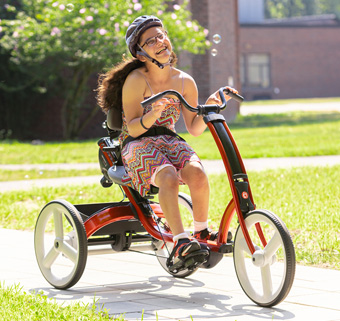
Credit: www.rifton.com
Adaptive Bikes Basics
Adaptive bikes help people with different needs enjoy riding. They come in many styles for various abilities.
These bikes often have parts you can change. This lets riders find the best fit and comfort.
Types Of Adaptive Bikes
Adaptive bikes include tricycles, handcycles, and tandem bikes. Each type supports different mobility needs.
- Tricycles:Three wheels for extra balance and support.
- Handcycles:Pedaled by hand for those with leg challenges.
- Tandem Bikes:Two riders, one helping steer or pedal.
- Recumbent Bikes:Reclined seat for better back support and comfort.
Key Features For Adjustability
| Feature | Purpose | Example |
| Adjustable Seat | Fits rider height and comfort | Sliding seat rails |
| Handlebar Position | Supports different arm lengths | Tilting or movable handlebars |
| Pedal Placement | Allows easy reach and control | Swivel pedals or hand pedals |
| Frame Size | Custom fit to rider size | Expandable or modular frame parts |

Credit: www.rifton.com
Adjustable Components
Adaptive bikes are designed to fit many users. They include parts that can change size or position.
Adjustable components help riders find comfort and control. These parts make the bike more usable for different needs.
Seat Height And Position
The seat can move up or down to fit the rider’s height. It can also move forward or backward for better reach.
Proper seat adjustment helps with balance and pedaling power. It reduces discomfort during rides.
- Raise or lower seat height
- Slide seat forward or backward
- Adjust seat tilt angle
Handlebar Adjustments
Handlebars can change height to fit arm length. They may also rotate or tilt for better grip.
Adjusting handlebars improves comfort and steering control. It helps reduce strain on wrists and shoulders.
- Raise or lower handlebars
- Rotate handlebars left or right
- Change handlebar tilt angle
Frame Size And Geometry
Some adaptive bikes have frames that change size. This helps fit different body shapes and sizes.
Adjustable frame geometry can change the bike’s balance. It supports stability and comfort during rides.
- Extend or shorten frame length
- Adjust frame angle for balance
- Change wheelbase for stability
Pedal And Crank Modifications
Pedals can be moved closer or farther from the seat. Cranks may change length to match leg reach.
These adjustments help riders pedal efficiently. They also improve comfort and reduce fatigue.
- Move pedals forward or backward
- Change crank arm length
- Add pedal straps for foot support
Custom Fit Benefits
Adaptive bikes can be adjusted to fit different body sizes and shapes. This helps riders feel more comfortable and confident.
Choosing a bike that fits well supports better riding and can prevent problems later on.
Enhanced Comfort
Adjustable bikes let you change the seat height, handlebar position, and pedal reach. This means the bike fits your body perfectly.
- Reduces pressure points on the seat
- Improves hand and wrist placement
- Allows for easier pedaling motion
- Supports longer rides without discomfort
Improved Performance
A bike that fits well helps you pedal more efficiently. You use less energy and can ride faster or farther.
| Adjustment | Performance Benefit |
| Seat Height | Better leg extension for power |
| Handlebar Position | More control and balance |
| Pedal Reach | Optimized force on pedals |
Injury Prevention
Proper bike fit lowers the chance of injuries. It helps keep your joints and muscles in safe positions.
Key ways adjustable bikes protect you:
- Prevent knee strain by correct seat height
- Reduce back pain with proper posture
- Avoid wrist pain from wrong handlebar angle
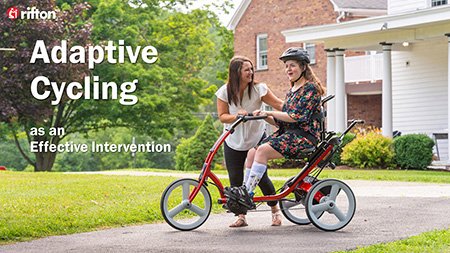
Credit: www.rifton.com
Fitting Process
Adaptive bikes offer adjustable features to suit different riders. Proper fitting is key to comfort and safety. This guide explains how to fit an adaptive bike correctly.
Each rider’s needs differ, so understanding measurements and adjustments helps. You can do some fitting yourself or seek professional help.
Measuring For The Right Fit
Start by measuring your body to find the best bike size. Key areas to measure include height, inseam, and arm length.
- Stand straight and measure your height without shoes.
- Measure your inseam from crotch to the floor.
- Check arm length from shoulder to wrist.
- Note shoulder width for handlebar fit.
Professional Bike Fitting Services
Experts use special tools to adjust your bike precisely. They check posture, pedal reach, and handlebar position to avoid strain.
| Service | What It Includes | Benefit |
| Posture Analysis | Body alignment check while seated | Reduces discomfort and injury risk |
| Pedal Adjustment | Setting correct pedal height and angle | Improves pedaling efficiency |
| Handlebar Fit | Adjusting width and height | Enhances control and comfort |
Diy Adjustment Tips
You can adjust your adaptive bike at home using simple steps. Keep tools handy and make small changes one at a time.
- Adjust seat height so feet touch the ground.
- Set handlebar height for comfortable arm reach.
- Check brakes and gears for smooth operation.
- Tighten all bolts securely after adjustments.
- Test ride after each change to feel the difference.
Specialized Adaptive Bike Options
Adaptive bikes help riders with different needs enjoy cycling. These bikes are designed to fit various body sizes and abilities.
Many adaptive bikes come with adjustable parts. This makes it easier to customize the bike for comfort and safety.
Kids And Youth Models
Adaptive bikes for kids often have adjustable seats and handlebars. This helps the bike grow with the child.
These models usually include extra support like wider tires or balance aids. They focus on safety and ease of use.
- Adjustable seat height
- Handlebar position changes
- Added balance features
- Strong but lightweight frames
Adult Adaptive Bikes
Adult adaptive bikes have many adjustable parts to fit different body types. Seat height, backrests, and pedals can be changed.
These bikes often offer more stability and comfort. They are built for longer rides and different terrains.
- Adjustable seats and backrests
- Custom pedal and crank settings
- Frame size options
- Extra support for balance
Sports And Recreation Variants
Sports adaptive bikes come with features for active use. They adjust to fit the rider’s size and skill level.
These bikes support activities like racing or trail riding. Adjustments help improve performance and safety.
- Adjustable seating for better posture
- Customizable handlebar placement
- Strong frames for rough terrain
- Special tires for sport use
Maintenance Of Adjustable Parts
Adaptive bikes have parts that change size or position to fit riders. These parts need care to work well. Regular maintenance keeps the bike safe and comfortable.
Adjustable parts include seats, handlebars, and pedals. Checking and fixing these parts helps avoid problems during rides.
Routine Checks
Look over adjustable parts before each ride. Check if seats and handlebars move or feel loose. Make sure all parts stay in the right place.
- Inspect seat height and angle
- Test handlebar position and grip
- Check pedal alignment and tightness
- Look for cracks or damage
Lubrication And Tightening
Keep moving parts smooth by applying lubricant. This prevents rust and makes adjustments easier. Tighten bolts and screws to stop wobbling.
- Use bike-safe grease or oil on joints
- Tighten clamps on seats and handlebars
- Check screws on pedals and brakes
- Wipe off excess lubricant to avoid dirt
When To Replace Components
Some parts wear out and need replacement. Replace if parts break, bend, or no longer hold adjustments. Worn parts can cause accidents or discomfort.
- Replace seats with torn covers or broken frames
- Change handlebars that bend or crack
- Swap pedals that spin loosely or crack
- Use original parts or recommended brands
Choosing The Right Adaptive Bike
Adaptive bikes help people with different needs enjoy cycling. Choosing the right one can improve comfort and safety. It is important to match the bike to the rider’s abilities and goals.
This guide covers key points to consider. Focus on needs, budget, and testing to find the best fit.
Assessing Needs And Abilities
Start by understanding the rider’s physical abilities and challenges. Consider balance, strength, and mobility. Also think about the rider’s experience with bikes.
- Check if the rider needs extra support or special seating
- Decide if hand pedals or foot pedals work better
- Consider the terrain where the bike will be used
- Think about the rider’s endurance and comfort levels
Budget Considerations
Adaptive bikes come in many price ranges. Set a budget before shopping. Keep in mind the cost of accessories and adjustments.
| Price Range | What to Expect |
| Under $500 | Basic models, limited adjustments |
| $500 – $1500 | More features, better comfort |
| Above $1500 | Custom options, advanced support |
Trial And Error Approach
Testing different bikes helps find the right one. Riders should try several models. Pay attention to fit and ease of use.
Tips for testing adaptive bikes:
- Ride on flat and uneven surfaces
- Check how easy it is to get on and off
- Notice comfort during longer rides
- Ask for help from experts or therapists
Frequently Asked Questions
Are Adaptive Bikes Adjustable For Different Ages?
Yes, many adaptive bikes have adjustable seats and handlebars. This allows users of various ages to ride comfortably and safely.
How Do You Adjust An Adaptive Bike?
Adjustments usually involve loosening knobs or bolts. Then, you slide the seat or handlebars to the desired position and tighten them securely.
Can Adaptive Bikes Fit Various Body Sizes?
Adaptive bikes often come with customizable features. These include adjustable frames and seating to accommodate different body sizes effectively.
Why Is Adjustability Important In Adaptive Bikes?
Adjustability ensures comfort, safety, and proper posture. It allows the bike to grow with the user, extending its usability.
Conclusion
Adaptive bikes offer great flexibility for riders. They easily adjust to fit various needs. This adaptability makes cycling accessible for many people. Riders can enjoy a comfortable experience. Adjustments ensure safety and enhance riding pleasure. Customizable features cater to different abilities.
Adaptive bikes bridge gaps for diverse users. They open up new possibilities for everyone. Whether for leisure or commuting, adaptive bikes meet diverse requirements. Enjoy the freedom and joy of cycling. Experience a bike that suits you perfectly. Adaptive bikes make cycling inclusive and enjoyable for all.



