
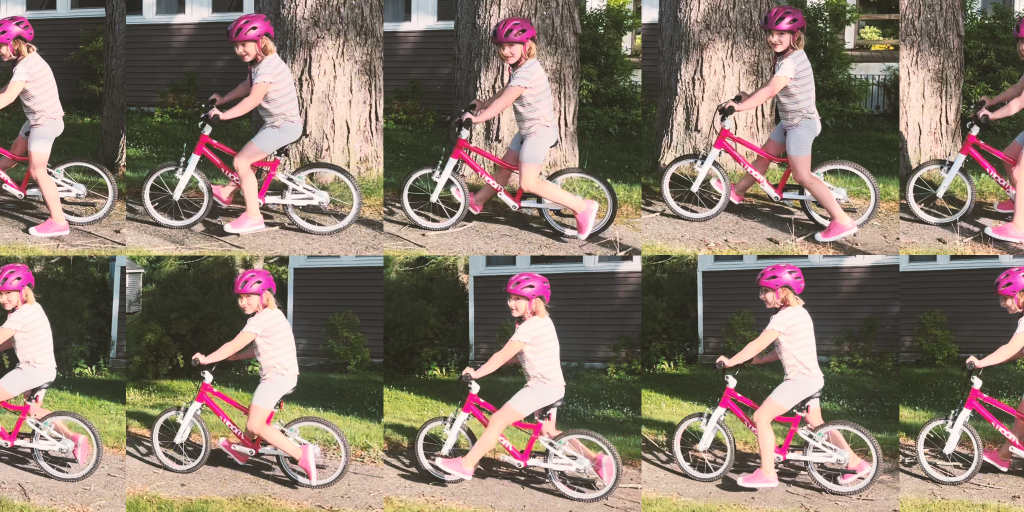
Teaching your child to ride a BMX bike can be one of the most exciting and rewarding experiences you share together. You might feel unsure about where to start or how to keep your little rider safe and confident.
But don’t worry—this guide will walk you through simple, clear steps to help your child master BMX riding quickly and enjoy every moment of the process. Keep reading, and you’ll discover easy tips that make learning fun and build skills that last a lifetime.
Choosing The Right Bmx Bike
Choosing the right BMX bike sets the foundation for a child’s success and fun. The bike must feel comfortable and safe. It should match the child’s size and skill level. A good fit helps build confidence while learning to ride. The right features make riding easier and more enjoyable for beginners.
Size And Fit Considerations
Size matters most in BMX bikes for kids. The bike should allow the child to touch the ground with their feet. This helps with balance and stopping safely. The frame size and wheel diameter must match the child’s height and age.
- Wheel size usually ranges from 12 to 20 inches.
- Younger kids often start with 12 or 16-inch wheels.
- Older kids may use 18 or 20-inch wheels.
- The seat height should be adjustable for growth.
Proper fit prevents discomfort and frustration. It also reduces the risk of injuries. Let the child try different bikes before buying. Check if they can easily reach the handlebars and pedals.
Essential Features For Beginners
Beginners need simple and safe features on their BMX bike. These features help kids learn faster and feel more secure.
- Strong frame:Look for a sturdy, lightweight frame for easy control.
- Coaster brakes:These brakes are easier for young riders to use.
- Grip pedals:Pedals with good grip prevent slipping.
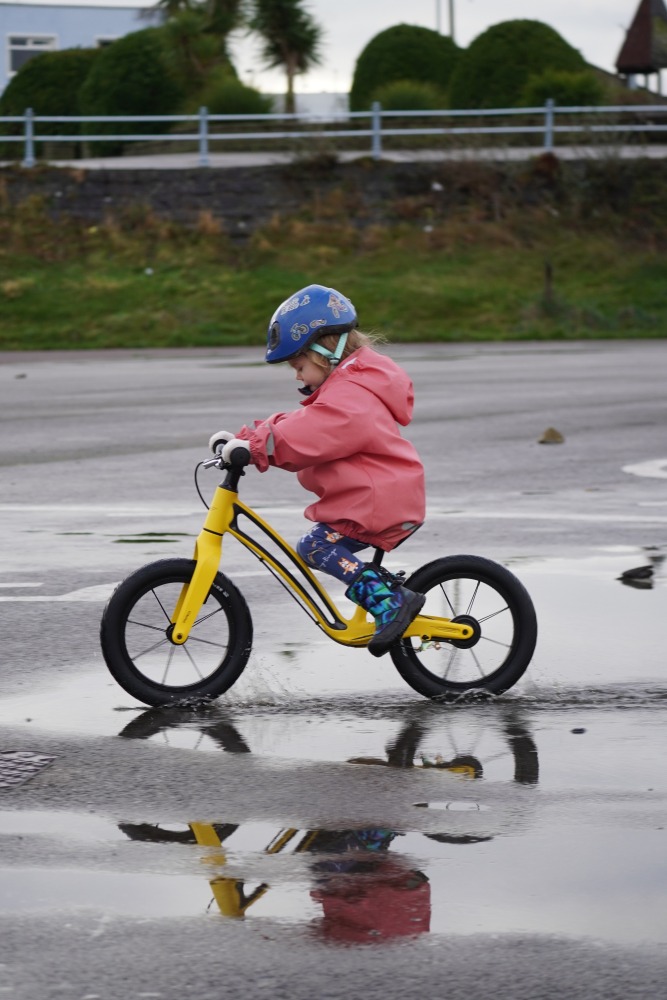
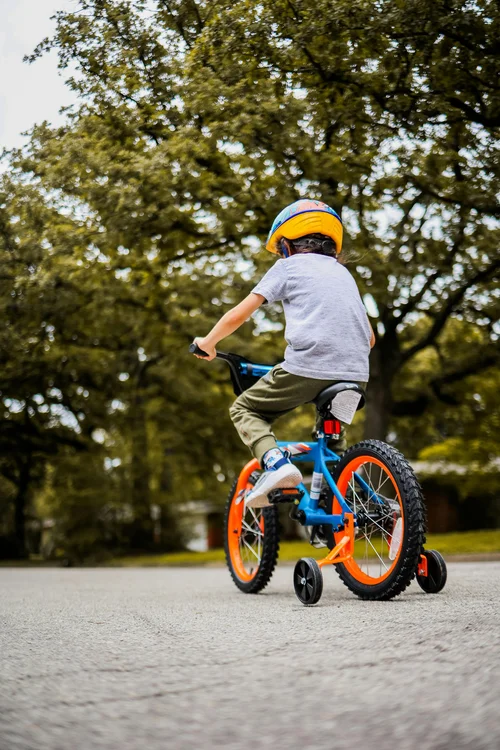
- Training wheels (optional):Help kids balance at first, then remove as skills improve.
- Handlebar padding:Adds extra protection in case of falls.
Choose a bike with smooth steering and reliable brakes. These features help kids focus on riding without worry. Safety and comfort should be the top priorities.
Credit: www.cyclesprog.co.uk
Safety Gear Essentials
Safety gear is a must before kids start riding a BMX bike. It protects them from falls and scrapes. Proper gear builds confidence and keeps injuries away. Parents should check each item for fit and quality. Safety gear makes learning BMX fun and safe.
Helmet Selection
Pick a helmet that fits snugly on the child’s head. It should cover the forehead and not move when shaken. Look for helmets with a hard outer shell and foam inside. Check for safety certifications like CPSC or ASTM. Bright colors or reflective stickers help others see the rider.
Protective Pads And Gloves
Knee and elbow pads protect joints from scrapes and bruises. Choose pads with soft padding and adjustable straps. Gloves improve grip and protect hands during falls. Look for breathable materials to keep hands cool. Proper pads and gloves help kids feel secure and ready to ride.
Setting Up A Safe Riding Environment
Creating a safe place for kids to ride a BMX bike is very important. A good environment helps them feel confident and enjoy learning. Safety reduces risks of falls and injuries. It also encourages kids to practice more often without fear.
Finding The Ideal Location
Choose a quiet area away from traffic and crowds. Parks with open spaces work well. Look for places with good lighting and clear visibility. Avoid busy streets or steep hills. A flat area helps kids focus on balance. Try to find a spot with natural shade for hot days.
Ensuring A Smooth And Obstacle-free Surface
Check the ground for cracks, stones, or loose gravel. Smooth pavement or concrete is best for BMX bikes. Remove sticks, glass, and other sharp objects. Keep the area free of toys or debris that cause falls. A clean surface helps kids ride safely and confidently. Regularly inspect the spot to maintain safety.

Credit: www.youtube.com
Introducing Basic Bmx Skills
Introducing your child to BMX biking starts with mastering the basics. These initial skills lay the groundwork for confidence and control, making every ride safer and more fun. Focus on simple, clear techniques that your child can practice regularly to build muscle memory and balance.
Balancing And Steering Techniques
Balance is the heart of BMX riding. Begin by having your child sit on the bike and place their feet on the ground to get a feel for the weight and movement.
Encourage them to push off gently with their feet and glide while keeping their eyes forward, not down. This helps develop natural balance and coordination.
Steering comes next—teach your child to turn the handlebars smoothly without jerky movements. Practice gentle turns around cones or markers to build control.
- Start with wide, slow turns before progressing to sharper, faster ones.
- Use verbal cues like “look where you want to go” to guide their focus.
Have you noticed how kids often look at their front wheel when learning to steer? Remind them to look ahead to where they want to go instead. This simple shift makes a big difference.
Starting And Stopping Safely
Teaching how to start and stop confidently is crucial. Show your child how to place one foot on the pedal at the 2 o’clock position to get a strong push-off.
Practice short bursts of pedaling to build momentum, then focus on slowing down using the brakes gradually. Avoid sudden stops to prevent falls.
- Explain the difference between front and rear brakes and when to use each.
- Encourage practicing stops on flat, open spaces before trying them on slopes.
Ask your child how it feels when they brake too hard. This can open a conversation about control and safety that deepens their understanding.
Teaching Bmx Tricks For Beginners
Teaching BMX tricks to beginners is an exciting part of helping kids develop confidence and skill on their bikes. It’s about breaking down complex moves into simple, manageable steps that build their abilities safely and enjoyably. Watching a child land their first trick is incredibly rewarding and motivates them to keep improving.
Mastering The Bunny Hop
The bunny hop is a fundamental BMX trick that every beginner should learn. It involves lifting both wheels off the ground simultaneously, which helps kids clear small obstacles and boosts bike control.
Start by encouraging your child to crouch slightly and then pull up on the handlebars while pushing down with their feet. This combined motion lifts the front wheel first, followed by the rear.
Practice makes perfect here. Use small ramps or even flat ground to repeat the motion until they get comfortable. Ask yourself: How can you adjust their body position to make the lift smoother?
Learning Simple Spins
Simple spins are another great way to introduce kids to BMX tricks. These spins usually involve turning the handlebars and twisting the body to rotate the bike 90 or 180 degrees.
Begin by teaching your child to lean slightly into the direction of the spin while guiding the handlebars gently. It’s important they keep their eyes focused on the landing spot to maintain balance.
Try practicing spins in a safe, open area with soft ground. You can set up cones or markers to help them aim their turns. What small adjustments can you suggest to help them stay centered during the spin?
Credit: www.ktltherapy.com
Building Confidence And Encouragement
Building confidence and encouragement is key to helping your child enjoy learning to ride a BMX bike. When kids feel supported, they’re more likely to try new skills and keep practicing despite challenges. Your positive attitude can turn small wins into big motivation.
Positive Reinforcement Techniques
Celebrate every effort your child makes, no matter how small. Use specific praise like, “Great job keeping your balance!”instead of general comments. This helps your child understand exactly what they did well and encourages them to repeat it.
Try using rewards that matter to your child—stickers, extra bike time, or a fun outing. These tangible incentives make progress feel exciting. Remember to stay genuine; kids can tell when praise isn’t sincere.
Setting Achievable Goals
Break down the learning process into bite-sized steps. Instead of aiming to do a full BMX trick right away, focus on mastering pedaling or steering first. Small goals prevent frustration and build steady progress.
Ask yourself, what can your child realistically achieve today? Maybe it’s riding five meters without support or learning to brake smoothly. Setting clear, doable targets makes each practice session feel successful and keeps your child eager to continue.
Practice Routines For Skill Improvement
Building skill on a BMX bike takes more than just enthusiasm—it demands a consistent routine that challenges and refines your child’s abilities. Practice routines give structure to each session, turning random rides into focused improvements. These routines keep your child motivated and help you spot areas needing extra attention.
Daily Drills And Exercises
Simple, targeted drills make a big difference in skill development. Start with balance exercises like walking the bike slowly while standing on the pedals. This helps your child feel the bike’s movement and builds confidence.
Next, add stopping and starting drills to improve control. Ask your child to pedal a few feet, then stop smoothly without losing balance. Repeat this several times to build muscle memory.
Jumping over small obstacles or practicing bunny hops can be thrilling and useful. Keep the obstacles low and safe to encourage practice without fear.
- Balance walking on pedals
- Controlled stops and starts
- Low obstacle jumps
- Manuals (lifting front wheel slightly)
- Turning drills in tight spaces
Try to keep each drill fun and brief. Kids learn better when they enjoy practice, so mix drills with free riding to avoid boredom. What drill do you think your child would enjoy most?
Tracking Progress Over Time
Tracking progress turns practice into a clear path forward. Use a simple chart or journal to note what your child practiced and any improvements or struggles. This helps you adjust routines to focus on weaker skills.
| Date | Drill Practiced | Success Level (1-5) | Notes |
|---|---|---|---|
| April 10 | Balance walking | 3 | Wobbled but improved by the end |
| April 11 | Stopping and starting | 4 | Stopped smoothly every time |
Review this progress regularly with your child. Celebrate small wins and discuss what to work on next. This keeps them engaged and aware that practice leads to real improvement.
Addressing Common Challenges
Teaching kids to ride a BMX bike comes with its share of hurdles. Fear and frustration often stand in the way of progress. Addressing these challenges early helps build confidence and keeps the learning process fun.
Overcoming Fear Of Falling
Fear of falling is one of the biggest barriers for kids learning BMX riding. You can help by creating a safe environment with plenty of protective gear like helmets and pads. Start on flat, soft surfaces such as grass to make falls less intimidating.
Encourage your child to see falling as a part of learning, not failure. Share stories of your own stumbles to make them feel less alone. Ask yourself, how can you make practice sessions feel more like play and less like a test?
Dealing With Frustration
Frustration can quickly drain your child’s motivation. Break down tricky BMX skills into small, manageable steps. Celebrate tiny wins to keep their spirits high and show progress is happening.
If your child feels stuck, take a short break or switch to a different activity. Sometimes, stepping away is the best way to come back stronger. Have you noticed how patience from you can make a huge difference in their attitude?
Frequently Asked Questions
How Do I Choose The Right Bmx Bike For Kids?
Select a BMX bike based on your child’s age, height, and skill level. Ensure the bike fits well and has adjustable seat and handlebars for comfort and safety.
What Safety Gear Is Essential For Kids Learning Bmx?
Kids must wear a helmet, knee pads, elbow pads, and gloves. Proper safety gear reduces injury risk and builds confidence while learning BMX riding.
How Can I Teach Kids Basic Bmx Riding Skills?
Start with balance and braking exercises on flat ground. Gradually introduce pedaling, steering, and simple tricks to build control and confidence step-by-step.
When Is The Best Age For Kids To Start Bmx Riding?
Most kids can start BMX riding between ages 4 and 6. Early training helps develop coordination and balance but always consider the child’s readiness.
Conclusion
Teaching kids to ride a BMX bike takes patience and care. Start slow, use safety gear, and encourage often. Celebrate small wins to keep them motivated. Practice regularly to build their confidence and skills. Make learning fun, not stressful, for better results.
Watching their progress brings joy for both parents and kids. Keep these tips in mind for a safe, happy BMX riding journey.



