
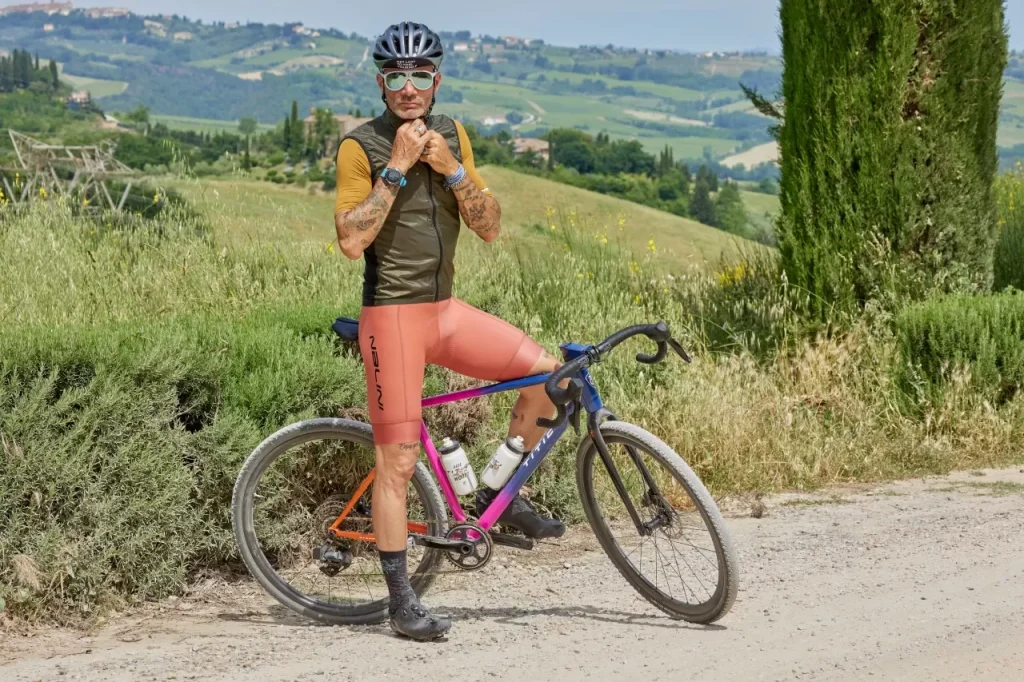
Choosing the right cycling shorts can make a huge difference in your gravel rides. You want comfort, durability, and protection where it matters most.
But with so many options out there, how do you find the perfect pair for your adventures? This guide will help you understand what to look for, so you can ride longer, feel better, and enjoy every mile on those rugged trails.
Keep reading to discover the key features that will take your gravel rides to the next level.

Credit: alpkit.com
Choosing The Right Fabric
Choosing the right fabric for your cycling shorts can make a huge difference on gravel rides. The fabric needs to handle sweat, resist wear from rough trails, and move with your body. Picking the best material helps keep you comfortable and focused on the ride, not your gear.
Breathability And Moisture Management
Your shorts should let air flow freely to keep your skin cool and dry. Fabrics like polyester blends or mesh panels work well because they pull sweat away quickly. Have you ever stopped just to adjust damp, sticky shorts? Proper moisture management prevents that distraction and helps avoid chafing during long rides.
Durability For Rough Terrain
Gravel rides often mean scraping against rocks, branches, or rough bike seats. Look for fabrics that resist tears and abrasions, such as nylon or reinforced blends. Durable shorts last longer and protect you better, saving you money and discomfort on the trail.
Stretch And Flexibility
The fabric should move with you as you pedal, climb, and shift positions. Materials with good stretch, like those containing elastane or spandex, provide freedom without losing shape. Have you noticed how stiff shorts can limit your movement? Flexible fabric keeps you agile and comfortable, no matter the terrain.
Finding The Perfect Fit
Choosing cycling shorts that fit well changes your ride experience. Shorts that fit right reduce chafing and improve comfort. For gravel rides, the fit matters even more. You move in many positions and face rough terrain. Shorts must support your body without squeezing too tight or feeling loose. The perfect fit keeps you focused on the trail, not your gear.
Sizing And Compression
Sizing depends on your waist, hips, and thigh measurements. Check the brand’s size chart before buying. Shorts should feel snug but never painful. Compression helps muscles stay firm and reduces fatigue. But too much pressure can cut circulation. Look for stretchy fabrics that move with you. Try shorts on to test comfort and support.
Waistband Styles
The waistband keeps shorts in place during rides. Wide waistbands offer more support and spread pressure evenly. Narrow waistbands feel lighter but may dig into skin. Some shorts have elastic waistbands, others use drawstrings. High-rise waistbands can protect your lower back. Choose a style that stays put without pinching.
Length Options
Short length affects comfort and protection on gravel trails. Longer shorts cover more skin and help with chafing. They also shield legs from dirt and small rocks. Shorter shorts offer better airflow and freedom of movement. Consider the weather and your riding style. Select the length that suits your needs best.
Padding And Chamois Features
Padded cycling shorts enhance comfort on rough gravel trails. The padding, or chamois, reduces pressure and friction during long rides. Choosing the right padding affects your overall ride experience. Understanding padding types, thickness, and seam construction helps find the best shorts for gravel cycling.
Types Of Padding
Different paddings suit different riding styles and distances. Gel padding offers extra cushioning and absorbs shocks well. Foam padding is lighter and breathable, good for warmer weather. Multi-density padding combines soft and firm zones for support and comfort. Some chamois have antimicrobial fabric to reduce odor and bacteria.
Thickness And Density
Thicker padding provides more protection on rough roads. Thin padding offers better freedom of movement and ventilation. High-density foam supports the sit bones and reduces numbness. Low-density foam feels softer but may wear out faster. Choose padding thickness based on ride length and terrain roughness.
Seam Construction
Seam design affects comfort and durability. Flatlock seams lie flat against the skin to prevent chafing. Minimal seams reduce irritation during long rides. Some shorts use bonded seams for a smooth finish. Check for reinforced stitching in high-stress areas to avoid wear and tear.
Design And Practicality
Design and practicality play a big role in choosing the right cycling shorts for gravel rides. The shorts must balance comfort, function, and style. They need to handle rough paths and long hours on the bike. These features help riders carry essentials, stay visible, and look good.
Pockets And Storage
Pockets add convenience during gravel rides. Small, secure pockets hold keys, snacks, and tools. Look for shorts with zippered or flap pockets. They prevent items from falling out on bumpy trails. Some designs include side or back pockets. These keep your essentials within easy reach. Storage options reduce the need for extra bags or packs.
Reflective Elements
Reflective elements increase safety on low-light rides. Bright strips or dots on shorts catch light from cars. This makes you more visible to others. Choose shorts with reflective patches on the legs or back. Reflectors do not add weight or bulk. They provide peace of mind during early morning or evening rides.
Style And Color Choices
Style matters beyond just looks. Dark colors hide dirt from gravel and mud. Bright colors boost visibility on the road. Many shorts come in simple or bold patterns. Pick colors that match your other gear. Comfortable, stylish shorts boost confidence and motivation. Design and color choices can reflect your personality too.
Maintenance And Longevity
Proper care extends the life of cycling shorts for gravel rides. Wash them gently and avoid harsh detergents to keep fabric strong. Drying in shade helps prevent damage and maintains elasticity longer.
Cycling shorts are vital for gravel rides. They ensure comfort during long rides. Proper care extends their life and performance. Understanding how to maintain them is crucial. This helps retain their shape, fit, and comfort.Washing Tips
Always check the label for washing instructions. Use cold water to prevent damage. Avoid fabric softeners; they can harm the material. Hand wash if possible for gentler cleaning. Use a mild detergent to preserve fabric quality.Storage Recommendations
Store in a cool, dry place to prevent mold. Avoid direct sunlight; it can fade colors. Hang them up to maintain their shape. Use a clothes hanger with clips to avoid creases. Ensure they are completely dry before storing.
Credit: www.youtube.com
Budgeting For Quality
Choosing the right cycling shorts for gravel rides requires smart budgeting. Quality shorts protect you from chafing and add comfort on rough trails. Spending wisely ensures you get durable gear that lasts many rides.
Budgeting helps balance cost and features. Avoid cheap shorts that wear out quickly. Yet, expensive does not always mean better. Understanding price ranges and value helps pick the best fit for your budget and needs.
Price Ranges
Cycling shorts come in various price ranges:
- Low-end: $20 to $50 – Basic materials, less padding, shorter lifespan.
- Mid-range: $50 to $100 – Better fabric, more padding, improved durability.
- High-end: $100 and above – Premium fabrics, advanced padding, excellent fit.
Most gravel riders find mid-range shorts offer the best balance. You get comfort and durability without overspending.
Value Vs. Cost
Value means more than the price tag. Good shorts last longer and feel better on the trail.
Consider these factors:
- Padding quality – Protects your sit bones during long rides.
- Fabric breathability – Keeps you cool and dry.
- Fit and stretch – Prevents chafing and allows freedom of movement.
- Durability – Withstands rough terrain and frequent washing.
Invest in shorts that combine these features for better value. Saving money on poor-quality shorts leads to discomfort and replacements.

Credit: www.bicycling.com
Frequently Asked Questions
What Features Make Cycling Shorts Ideal For Gravel Rides?
Cycling shorts for gravel rides should offer padding, durability, and breathability. They need to absorb shocks and prevent chafing during long rides on rough terrain. Look for moisture-wicking fabric and a snug fit to enhance comfort and performance on gravel paths.
How Important Is Padding In Gravel Cycling Shorts?
Padding is crucial for comfort during gravel rides. It cushions the sit bones and reduces pressure points on uneven surfaces. Quality padding helps prevent saddle sores and discomfort, allowing longer rides without pain. Choose shorts with multi-density chamois for optimal support and shock absorption.
Should Gravel Cycling Shorts Have A Different Fit?
Yes, gravel cycling shorts often have a slightly relaxed fit. This allows better freedom of movement and comfort over varied terrain. They should not be too tight to avoid restricting blood flow or too loose to cause friction. A balanced fit enhances riding efficiency and comfort.
What Fabric Works Best For Gravel Cycling Shorts?
Look for breathable, moisture-wicking fabrics like nylon or polyester blends. These materials dry quickly and keep you cool during intense rides. Durable fabrics resist abrasions from gravel and dirt. Stretchy materials improve fit and flexibility, essential for varied gravel terrain.
Conclusion
Choosing the right cycling shorts makes gravel rides more comfortable. Focus on fit, padding, and material for the best experience. Good shorts reduce chafing and keep you dry on long rides. Try different styles to see what suits you best.
Remember, comfort helps you enjoy every mile on rough paths. Keep these tips in mind before your next adventure. Your legs will thank you.



