
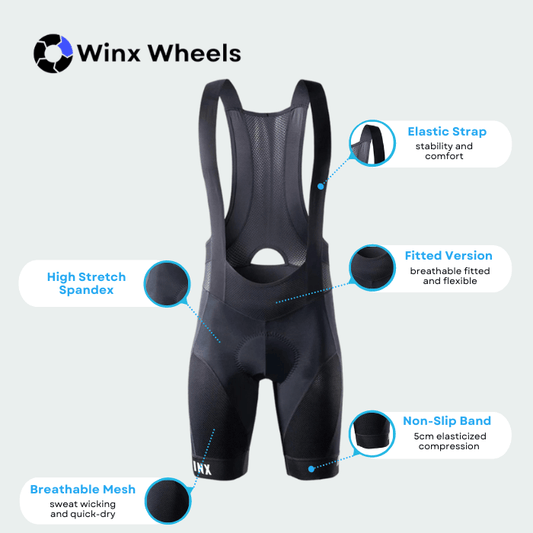
Are your cycling shorts feeling a bit too tight or uncomfortable around the legs? Those elastic bands are supposed to keep your shorts in place, but when they’re too stiff, they can dig into your skin and ruin your ride.
You don’t have to deal with that discomfort any longer. Learning how to stretch elastic bands in your cycling shorts can make a huge difference in comfort and performance. In this post, you’ll discover simple, effective techniques to loosen those bands without damaging your gear.
Keep reading, and you’ll get ready to enjoy every pedal stroke with shorts that fit just right.
Choose The Right Elastic Bands
Choosing the right elastic bands for cycling shorts improves comfort and fit. The right bands stretch well without losing shape. They hold the shorts firmly without pinching the skin. Selecting the best bands helps maintain durability through many rides. Focus on the type and material of elastic bands for the best results.
Types Of Elastic Bands
Elastic bands come in several types. Each type offers different stretch and support levels.
- Woven Elastic:Strong and durable, with less stretch. Ideal for firm hold.
- Knit Elastic:Soft and flexible, offers moderate stretch. Good for comfort.
- Braided Elastic:Lightweight with medium stretch. Often used in activewear.
- Clear Elastic:Thin and almost invisible. Used for discreet support.
Pick a type that matches your comfort and flexibility needs.
Material Considerations
Material affects elasticity, durability, and skin feel. Most bands mix natural and synthetic fibers.
- Rubber Core:Provides strong stretch but may wear out faster.
- Spandex or Lycra:Adds extra stretch and recovery for comfort.
- Cotton Blend:Soft on skin but less elastic. Often combined with synthetics.
- Polyester or Nylon:Durable and resists moisture. Good for long rides.
Choose materials that suit your activity level and skin sensitivity.

Credit: www.bicycling.com
Prepare Your Cycling Shorts
Preparing your cycling shorts properly is key before you attempt to stretch the elastic bands. This step ensures the fabric responds well to stretching and prevents any damage during the process. Taking a little extra time here can save you from ruining a favorite pair of shorts.
Clean And Dry Fabric
Make sure your cycling shorts are thoroughly clean before stretching the elastic bands. Dirt and sweat can make the fabric stiff and less flexible. Washing them gently with mild detergent and allowing them to dry completely will help the elastic regain its natural stretch.
Have you ever tried stretching damp fabric? It often feels tighter and doesn’t give as much, which can lead to overstretching and tearing. Always work with dry shorts to get the best results.
Inspect For Damage
Check your cycling shorts carefully for any signs of wear or damage, especially around the elastic bands. Look for small tears, thinning fabric, or loose threads. Stretching damaged areas can cause the shorts to rip further, turning a simple fix into a costly replacement.
If you spot any weak spots, consider repairing them first or avoid stretching those areas. Sometimes, a small stitch can make a big difference in how your shorts handle stretching.
Manual Stretching Techniques
Manual stretching techniques offer a straightforward way to gently expand the elastic bands in your cycling shorts. These methods let you control the stretch and avoid damaging the fabric. They are perfect if you want a quick fix without special tools or equipment.
Hand Stretching Method
Start by holding the elastic band firmly with both hands. Pull the band evenly in opposite directions, applying steady pressure. Avoid sudden or harsh tugs, as these can weaken the fibers.
Repeat this stretching motion 10 to 15 times, resting briefly between sets. You’ll notice the band loosening gradually, giving you a bit more comfort around your waist. This method works best when the shorts are dry and at room temperature.
Using Warm Water For Flexibility
Warm water softens elastic fibers, making them easier to stretch. Soak the elastic band area of your shorts in warm water for about 5 minutes. The water should be warm but not hot to avoid damaging the fabric.
After soaking, gently stretch the band by hand while it’s still damp. You can stretch it wider than usual because the warmth increases flexibility. Let the shorts air dry while you keep the band stretched to lock in the new size.
Have you ever noticed how a slight increase in comfort can improve your entire ride? Try these manual stretching techniques and see how a small change can make a big difference in your cycling experience.
Using Heat To Loosen Bands
Using heat can effectively stretch the elastic bands in cycling shorts. The heat softens the elastic, making it more flexible. This method is simple and does not require special tools. Below, learn safe heating methods and the heat and stretch process to adjust your cycling shorts for a better fit.
Safe Heating Methods
Use a hairdryer to warm the elastic bands gently. Keep the dryer on a low or medium setting. Hold it a few inches away from the shorts. This prevents damage from excessive heat. Move the dryer back and forth for even heating. Another option is to use warm water. Fill a basin with warm, not hot, water. Submerge the shorts for a few minutes. This softens the bands without risk of burning.
Heat And Stretch Process
After heating, start stretching the bands gently. Use your hands to pull the elastic outward. Hold each stretch for a few seconds. Repeat the process in small sections. This ensures even stretching throughout the band. If using water, dry the shorts after stretching. Air drying is best to avoid heat damage from a dryer. Repeat the heating and stretching process if necessary. This ensures the bands reach the desired elasticity.
Stretching With Tools
Stretching elastic bands in cycling shorts can improve comfort and fit. Using tools helps stretch bands evenly and safely. Tools provide control over the stretching process. They reduce the risk of damage to the fabric or elastic.
Tools come in various forms. Some are made for specific uses, while others can be made at home. Both types make stretching easier and more effective.
Using Band Stretchers
Band stretchers are designed to hold elastic bands firmly. They apply steady, even tension to stretch the band. These tools prevent overstretching or uneven pulling.
Most band stretchers have adjustable clamps or hooks. You can set the desired stretch length. This helps maintain the band’s elasticity without damage.
Using a band stretcher:
- Place the elastic band in the clamps.
- Adjust the tool to stretch the band gently.
- Leave it stretched for a short time.
- Release and check the fit.
Band stretchers are useful for multiple stretching sessions. They ensure consistent results every time.
Diy Stretching Devices
DIY devices work well for those without special tools. Simple household items can help stretch elastic bands evenly. These devices save money and are easy to make.
Common DIY tools include:
- Two sturdy hooks or nails
- A wooden board or frame
- Strong rubber bands or clamps
To create a DIY stretcher:
- Fix hooks or nails on a board or wall.
- Attach the elastic band between the hooks.
- Pull gently to stretch the band evenly.
- Secure the band in place for a while.
This method offers control over how much you stretch. It also prevents the band from snapping back quickly.
Maintaining Elasticity
Maintaining the elasticity of cycling shorts is key to comfort and fit. Elastic bands lose stretch over time if not cared for properly. Proper care helps keep the bands flexible and snug during rides. Simple habits can extend the life of your shorts significantly.
Proper Washing Tips
- Wash cycling shorts in cold water to protect elastic fibers.
- Use a gentle detergent free of bleach or fabric softeners.
- Turn shorts inside out before washing to reduce wear.
- Avoid using the dryer; air dry to maintain elasticity.
- Hand washing is best for delicate elastic bands.
Storage Recommendations
- Store cycling shorts flat to avoid stretching the bands.
- Keep them in a cool, dry place away from direct sunlight.
- Avoid hanging shorts by the elastic band to prevent deformation.
- Use breathable storage bags to protect from dust and moisture.
- Rotate shorts regularly to reduce constant stress on the same bands.
When To Replace Elastic Bands
Knowing when to replace the elastic bands in your cycling shorts can save you from discomfort and poor performance on your rides. Elastic bands lose their stretch over time, which affects how well your shorts fit and stay in place. Paying attention to subtle changes helps you decide the right moment to swap them out.
Signs Of Wear
Watch for these clear signs that your elastic bands need replacing:
- Loss of elasticity:If the band feels loose and doesn’t snap back to shape, it’s time to act.
- Visible cracks or fraying:Any damage on the band’s surface weakens its hold.
- Frequent slipping:When your shorts slide down or shift during rides, the elastic is failing.
- Discomfort:Bands that dig into your skin or cause irritation may have lost their flexibility.
Have you noticed your shorts slipping more than usual during a tough climb or sprint? That’s a signal your elastic needs attention.
Choosing Replacement Bands
Picking the right replacement bands is crucial for comfort and durability. Look for bands made of high-quality materials like silicone-lined elastic, which offers better grip and longer life.
Consider the width of the band too. Wider bands tend to distribute pressure evenly and prevent digging into your skin. If you enjoy long rides, investing in moisture-wicking elastic can reduce sweat buildup and irritation.
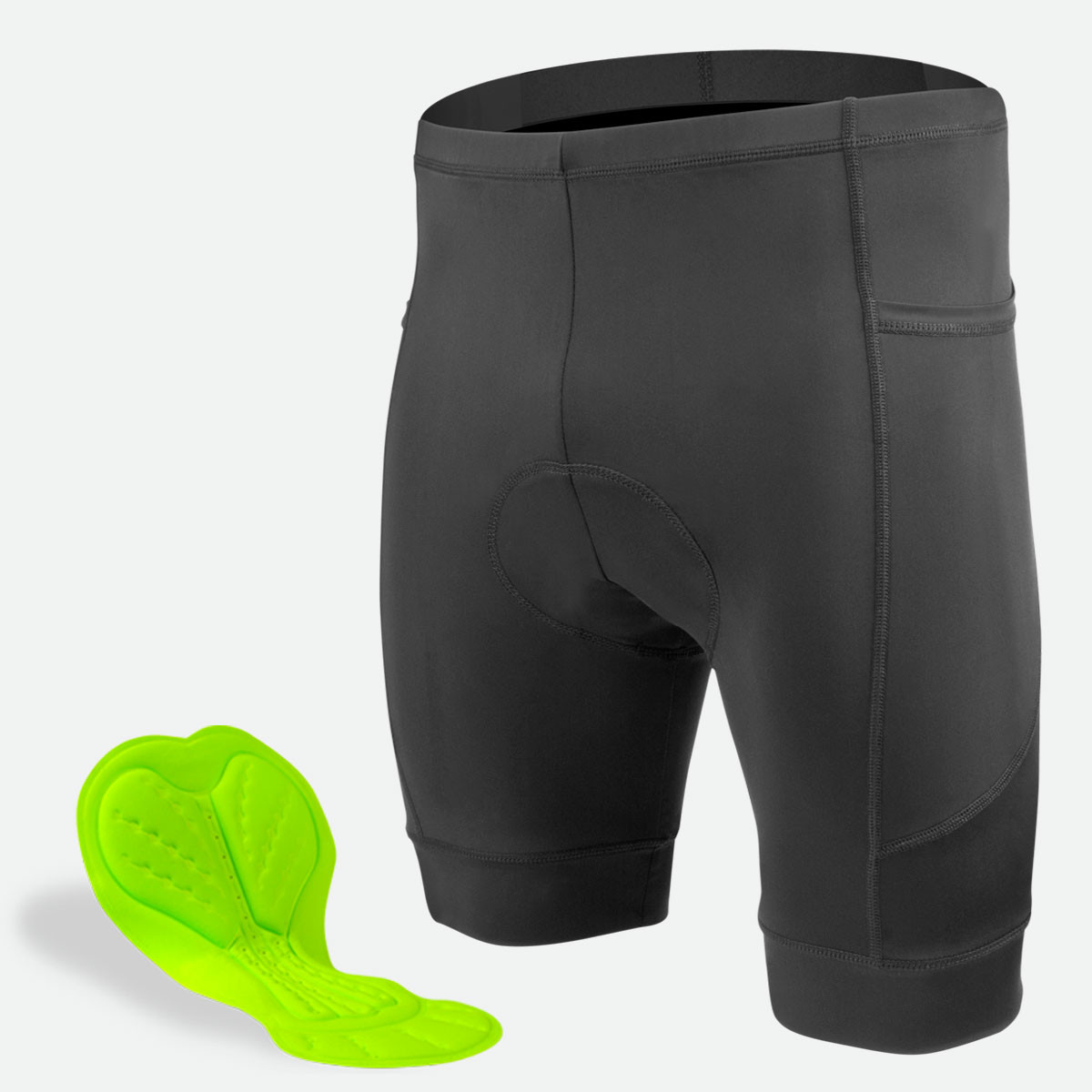
Before buying, compare customer reviews and product specifications to ensure the band matches your cycling shorts’ design and your personal comfort needs. Would you prefer a tighter fit for aggressive rides or a softer stretch for casual cycling?
Credit: aerotechdesigns.com

Credit: www.amazon.co.uk
Frequently Asked Questions
How Can I Safely Stretch Elastic Bands In Cycling Shorts?
Gently hand-stretch the elastic bands using steady pressure. Avoid overstretching to prevent damage. Warm the fabric slightly for better elasticity. Stretch in small increments and test fit frequently for comfort.
Will Stretching Elastic Bands Affect Cycling Shorts Durability?
Proper stretching done carefully will not harm durability. Excessive or aggressive stretching can weaken fibers and reduce lifespan. Always stretch gradually and avoid sharp pulls to maintain shorts’ quality and performance.
What Tools Help Stretch Elastic Bands In Cycling Shorts?
Use warm water, gentle heat (like a hairdryer), or elastic band stretchers. These tools relax fibers and allow safer stretching. Avoid sharp objects that can tear or damage the elastic material.
How Often Should I Stretch Elastic Bands In Cycling Shorts?
Stretch elastic bands only when they feel tight or lose flexibility. Overstretching can weaken the material. Check fit regularly and stretch as needed to maintain comfort without compromising elasticity.
Conclusion
Stretching elastic bands in cycling shorts can improve comfort and fit. Use gentle, steady pulls to avoid damage. Warm water helps make the fabric more flexible. Avoid overstretching to keep the shorts durable. Regular care extends the life of your gear.
Simple steps make cycling more enjoyable. Try these tips before your next ride. Comfortable shorts mean better focus on cycling. Keep your gear in good shape for longer use. Small efforts lead to big comfort gains.



