
Are you ready to transform your mountain biking experience with a simple adjustment? Setting the right brake lever angle on your MTB can make all the difference in comfort, control, and confidence on the trails.
Imagine gliding down a steep hill, feeling perfectly in tune with your bike, and knowing you can stop on a dime whenever needed. Sounds exhilarating, right? We’ll guide you through the steps to achieve that perfect brake lever angle. You’ll discover how such a small tweak can enhance your riding performance and reduce fatigue.
So, if you’re eager to take your biking skills to the next level, keep reading to unlock the secrets of optimizing your brake lever setup!

Credit: bikeco.com
Choosing The Right Brake Lever Angle
Choosing the Right Brake Lever Angle Ensure comfort and control by adjusting your MTB brake lever angle. Position the levers so your wrists remain straight while riding. Proper alignment reduces fatigue and enhances braking efficiency.
Importance Of Proper Angle
The brake lever angle is crucial for safe biking. A proper angle reduces wrist strain. It also improves control and comfort. Positioning the lever correctly can prevent accidents. It ensures your hand stays firm on the grip. Adjusting the angle can make long rides more enjoyable. Poor angle might cause wrist pain or numbness. This can be dangerous on rough trails. Finding the right angle enhances riding performance. It allows for quicker braking response.
Common Mistakes
- Setting the lever too high or too low.
- Ignoring wrist comfort and alignment.
- Not testing the angle on trails.
- Overlooking lever reach adjustments.
- Assuming one angle fits all riders.
- Failing to tighten lever clamps securely.

Credit: bikeco.com
Tools And Equipment Needed
Adjusting the MTB brake lever angle requires a few essential tools. A hex key set and a torque wrench are necessary for precise adjustments. Ensure a clean and organized workspace for better efficiency.
Essential Tools
A few tools are needed to set the brake lever angle. Use an Allen wrenchto loosen the brake lever. This tool helps adjust the lever position. A torque wrenchensures bolts are tight enough. It prevents over-tightening, which can damage parts. A ruleror measuring tape helps measure the angle. It ensures the lever is set correctly. These tools are easy to use and find.
Optional Accessories
Some accessories make the job easier. Grip tapeadds comfort to handlebars. It helps hands stay in place. Brake lever gripsgive more control. They help fingers hold the levers better. Handlebar end plugsfinish the look neatly. They also protect the handlebar ends. These accessories improve the overall setup.
Step-by-step Adjustment Process
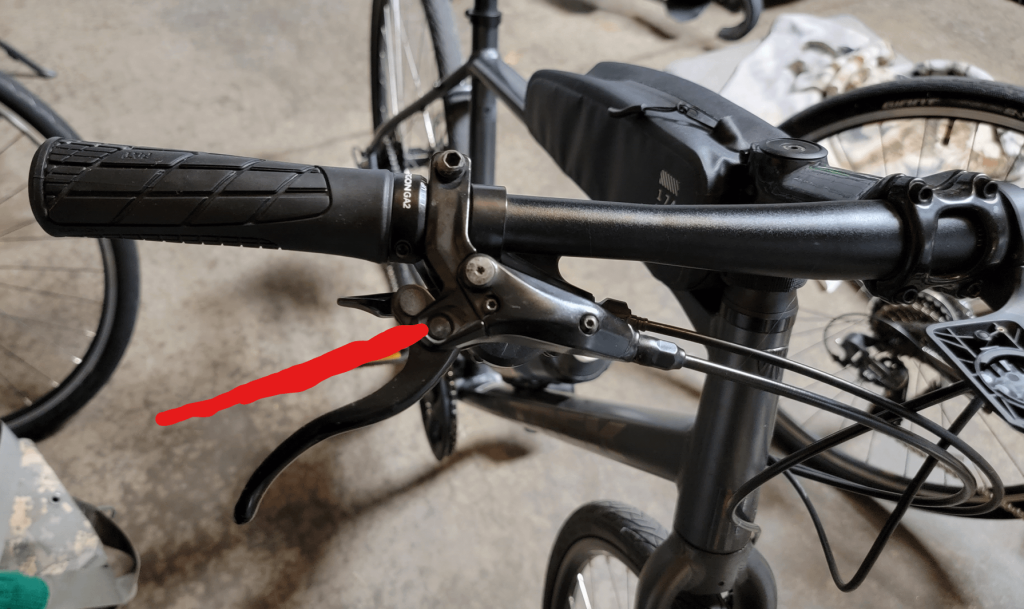
Find the clamp holding the brake lever. Use an Allen wrench to loosenit. Don’t remove the bolt completely. Just make sure it’s loose enough to move the lever.
Move the lever to a comfortable angle. Most people like a slight downward angle. This helps with better control and comfort. Test different angles to find your favorite.
Hold the handlebar and squeeze the brake lever. Check if the angle feels natural and easyto use. Adjust if needed. Make sure your wrist stays straight while braking. This helps avoid strain.

Credit: www.bikeradar.com
Factors Affecting Lever Angle
Adjusting the MTB brake lever angle involves considering hand size, riding style, and comfort. Proper alignment can enhance control and reduce fatigue. Personal preference plays a significant role in finding the optimal position.
Riding Style Considerations
Different riding styles need different lever angles. Mountain biking needs quick brake access. This means a steeper angle. Casual riding is more relaxed. Levers can be at a flatter angle. Downhill riders prefer a sharper angle for quick stops. Cross-country riders might like a gentler angle. This helps with long rides.
Handlebar Type Influence
Handlebars come in many shapes. Flat handlebars often need a different lever angle than risers. Risers may need a steeper angle for better grip. Drop bars might need a more comfortable, flatter angle. The handlebar shape changes how you set the levers.
Personal Comfort
Comfort is key when adjusting levers. Everyone’s hands are different. Some like a sharp angle for easy reach. Others prefer a flatter angle for less strain. Try different angles to see what feels best. Comfort helps prevent hand fatigue. Make sure you can reach the brakes easily.
Expert Tips For Optimal Performance
Setting the right anglefor your MTB brake lever is crucial. It enhances control and comfort during rides. Different terrains demand different lever angles. On flat trails, a horizontal angleworks well. For steep descents, a slight downward angle provides better grip.
Lever Angle For Different Terrains
Mountains require careful adjustments. A steeper angle helps on downhill rides. Flat paths need a more level lever. Adjust according to the terrain. Always check lever comfort and reach.
Fine-tuning Techniques
- Loosen the lever bolt slightly.
- Adjust to the desired angle.
- Tighten the bolt securely.
- Test brake response after adjustments.
Common Adjustments
Sometimes, adjustments are needed. Ensure the lever is easy to reach. Check the angle with gloves on. Make small changes for comfort. Always prioritize safety and ease of use.
Safety Precautions
Adjusting the angle of your mountain bike brake lever ensures comfort and control. Position levers to align with your wrist angle to prevent strain. Test for ease of reach and ensure quick braking without overextension.
Ensuring Stability
Always check the bike’s positionbefore adjusting the brake lever. The bike should be stable. Use a bike stand if available. Make sure the area is clear. This prevents accidents during adjustments. Keep your hands clean. Dirt can cause slipping. Wear gloves if necessary. They provide better grip and protection.
Avoiding Over-tightening
Over-tightening can damage the brake lever. Use a tool that fits well. Check the lever’s movement after tightening. It should move freely. If it’s too tight, loosen it slightly. Listen for any unusual sounds. Unusual sounds can mean something is wrong. Always tighten gently and check.
Maintaining Lever Angle Over Time
Adjusting your MTB brake lever angle ensures optimal control and comfort. Align levers parallel to your forearms for ease. Regular checks help maintain the right angle over time, enhancing riding experience.
Regular Checks
Check brake levers every month. Ensure they are not too high. They should not be too low either. Adjust them if needed. Use a wrench for adjustment. Make sure they feel comfortable. Test brakes after adjusting. Make sure they work well. Regular checks keep brakes safe. These checks keep rides smooth.
Signs Of Improper Angle
Hands hurt after long rides? This might be a sign. Levers might be set wrong. Struggling to reach brakes? Another sign of a bad angle. If brakes feel hard to use, check their position. Levers should be easy to reach. You should not feel pain or stress. Proper angle prevents discomfort. It ensures safety on the trail.
Frequently Asked Questions
What Angle Should Mtb Brake Levers Be?
MTB brake levers should be angled downward at about 20 to 30 degrees. This angle ensures comfortable wrist positioning and optimal control. Adjust according to personal comfort and riding style. Proper angle reduces wrist strain and improves braking efficiency.
How To Adjust Mountain Bike Brake Levers?
Loosen the brake lever clamp bolt slightly. Adjust the lever position for comfort and accessibility. Tighten the clamp bolt securely. Adjust the reach using the reach adjustment screw for optimal hand positioning. Ensure the brake lever does not touch the handlebar during braking.
Test the brakes for proper function.
How To Tilt Brake Levers?
Loosen the clamp bolts on the handlebars using an Allen wrench. Adjust the brake lever angle to your preference. Tighten the bolts securely. Ensure the levers are easily reachable and comfortable for your hands. Test the brake functionality before riding to ensure safety.
How To Position Brake Levers?
Position brake levers for easy reach and comfort. Align them with handlebar grips at a 45-degree angle. Ensure levers are accessible without stretching fingers. Adjust lever angle to match your riding style. Test during a ride for optimal positioning. Keep safety and personal preference in mind.
Conclusion
Setting your MTB brake lever angle is simple yet vital. A correct angle ensures better control and comfort. Adjusting the lever lets you ride longer without strain. Start by loosening the clamp and try different positions. Aim for an angle that aligns with your wrist.
Test it on a short ride to feel the difference. Remember, comfort means safety. Fine-tuning can enhance your biking experience. Practice these steps regularly for optimal results. Small adjustments can make big improvements. Your rides will be smoother and more enjoyable.
Keep experimenting until you find what feels right. Happy trails!



