
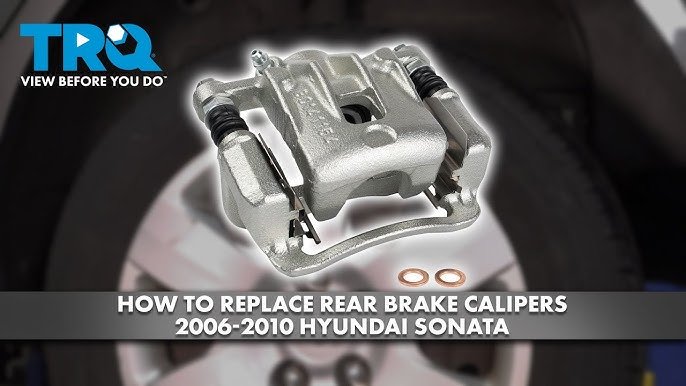
When it comes to car maintenance, knowing how to replace brake pistons can save you time and money. You might think it’s complicated, but with the right guidance, you can handle it yourself.
Imagine the satisfaction of fixing your own vehicle, ensuring safety and performance. This guide will walk you through the process step by step, so you feel confident and empowered. Whether you’re a seasoned DIY enthusiast or a first-timer looking to learn, this task is within your reach.
Ready to discover how simple it can be to keep your car running smoothly? Let’s dive in and tackle those brake pistons together!
Tools And Materials Needed
Replacing brake pistons requires special tools and materials. Having them ready makes the job easier.
- Socket setfor removing bolts.
- Brake fluidto refill the system.
- Brake piston toolfor pushing pistons back.
- Wrenchto loosen and tighten parts.
- Ragsto clean spills and dirt.
- Glovesfor safety and cleanliness.
- Safety glassesto protect your eyes.
- Jackto lift the car safely.
- Jack standsto hold the car in place.
Using the right tools helps avoid mistakes. It ensures the job is done correctly.

Credit: www.facebook.com
Safety Precautions
Wear safety gogglesto protect your eyes. Always use glovesto keep your hands safe. Make sure the car is on a flat surface. Use a jack standto support the car. Never rely on the jack alone. Keep a fire extinguishernearby for emergencies. Disconnect the car batterybefore starting. This prevents electrical accidents. Ensure you have good lightingin your workspace. It helps to see small parts clearly. Check your tools are in good condition. Broken tools can be dangerous.
Read the car manualbefore starting. Manuals provide specific instructions. Always follow manufacturer guidelines. They ensure safety during repairs. Double-check all steps before moving to the next. Make sure all parts are correctly installed. Incorrect installation can cause accidents.
Preparing The Vehicle
Preparing the Vehicle Ensure the car is parked on a flat surface and the engine is off. Use wheel chocks to prevent any movement. Secure the vehicle by lifting it with a jack and supporting it with jack stands.
Parking And Securing
Find a flat and safe spot to park your car. Ensure the car is in gear and the handbrake is engaged. Use wheel chocks to stop wheels from moving. Double-check that the car is stable before proceeding.
Lifting The Vehicle
Locate the car’s jack points. Place the jack under the vehicle’s frame. Slowly lift the car until the wheel is off the ground. Ensure the car is stable on the jack before moving on.
Removing The Wheel
Use a wrench to loosen the lug nuts. Remove the nuts completely and set them aside. Carefully take the wheel off. Place the wheel in a safe area until you’re ready to replace it.

Credit: www.youtube.com
Accessing The Brake System
First, make sure the car is secure. Use a jack to lift it. Remove the wheel to see the brake caliper. Find the bolts holding it. Use a wrench to loosen them. Carefully take the caliper off. Don’t let it hang by the brake line. Use a hook to hang it safely. This way, the brake line stays safe.
Look at the brake pads and discs. Check for any signs of damage. Worn pads may need replacing. Make sure the discs are not scratched. Look at the brake fluid level. If it’s low, it might be a problem. Ensure all parts are clean and free of dust. Clean parts work better and last longer.
Removing The Old Brake Piston
First, wear gloves to protect your hands. Open the brake fluid reservoir cap. This will release the hydraulic pressure. Be careful to avoid spills. Use a wrench to loosen the brake caliper bolts. This will help release more pressure. You may hear a small hiss. This is normal. Keep the area clean and tidy. This ensures no dirt enters the system.
Use a C-clamp to push the piston back. Do this slowly and gently. This helps in removing the piston easily. Next, remove the caliper from the rotor. Hold it securely to avoid dropping. Now, you can see the piston clearly. Use pliers to pull the piston out. Again, be gentle and steady. Check for any damage. Replace if necessary.

Credit: www.youtube.com
Installing The New Brake Piston
Replacing brake pistons requires careful attention. Begin by removing the wheel and caliper to access the pistons. Ensure the new pistons are clean before installing them into the caliper.
Lubricating The Piston
Apply a thin layer of brake grease on the piston. This helps prevent rust and ensures smooth movement. Use a clean cloth to spread the grease evenly. Avoid using too much grease. Excess grease can attract dirt and cause problems. Make sure the grease covers all parts of the piston.
Positioning The Piston
Place the piston into its slot carefully. Align it properly with the brake caliper. Push the piston gently into place. Use your hand or a soft tool. Ensure it fits snugly and does not wobble. Check that the piston is seated correctly. It should sit flush and even.
Reassembling The Brake System
Replacing brake pistons involves careful reassembly of the brake system. Begin by cleaning all components thoroughly to ensure proper fitting. Install new pistons, making sure they slide smoothly into the caliper housing without forcing.
Reattaching The Caliper
Place the caliper onto the rotor. Align it carefully. Secure it using the bolts. Tighten the bolts with a wrench. Ensure they are snug. Do not over-tighten. Check that the caliper moves smoothly. Double-check for any loose parts. This ensures safety when driving. Reattach any clips or pins removed earlier. Make sure everything fits securely. This step is crucial for safety.
Refilling Brake Fluid
Locate the brake fluid reservoir. It is usually near the engine. Open the cap carefully. Pour in new brake fluid. Use a funnel to avoid spills. Fill to the marked line. Do not overfill. Check for leaks around the reservoir. Ensure the cap is closed tightly. This prevents any fluid from leaking out. Proper fluid levels ensure safe braking. Always use the correct type of brake fluid.
Testing And Final Checks
Testing and Final Checks Ensure the brake system functions smoothly by pressing the brake pedal. Listen for unusual noises, indicating a need for adjustments. Verify the brake fluid level and inspect for leaks to ensure safety.
Ensuring Proper Installation
Check that all brake parts are secure. Look for any loose bolts. Make sure the pistons are fitted snugly. Use a flashlight to check for gaps. Gaps mean it’s not installed right. Tighten any loose parts. This step is very important. Safety comes first.
Conducting A Test Drive
Start the car and listen for any strange noises. Press the brake pedal gently. Feel if the brakes are smooth. Smooth brakes mean a good job. Drive slowly in an open area. Test the brakes at low speed. Make sure the car stops well. Stopping well shows everything is fine.
Frequently Asked Questions
Can You Replace A Brake Piston?
Yes, you can replace a brake piston. Ensure you have the right tools and replacement parts. Follow a step-by-step guide or consult a professional mechanic for safety. Proper installation is crucial for effective braking performance. Always test the brakes thoroughly after replacing the piston.
How Do I Know If My Brake Pistons Are Bad?
Bad brake pistons may cause uneven braking, squeaking noises, or a spongy brake pedal. Inspect for leaks, corrosion, or sticking. If brakes feel less responsive or you notice unusual wear on brake pads, have them checked by a professional. Regular maintenance helps ensure brake piston health.
How Much Does It Cost To Replace A Brake Caliper Piston?
Replacing a brake caliper piston costs between $150 and $500, depending on your vehicle’s make and model. Labor fees can vary, usually ranging from $100 to $200. Always consider additional costs for parts if other brake components need replacement.
How To Get A Brake Piston Back In Without Removing?
Use a C-clamp or brake piston tool to compress the piston slowly. Ensure the brake reservoir cap is open to prevent pressure buildup. Check for any debris and ensure smooth operation. If the piston resists, inspect for damage or corrosion.
Always prioritize safety during the process.
Conclusion
Replacing brake pistons requires patience and attention to detail. Begin with gathering the right tools. Follow each step carefully to ensure safety. Check your work thoroughly before finishing. This task may seem daunting at first. But with careful effort, it becomes manageable.
Remember to prioritize safety throughout the process. Proper maintenance extends the life of your brakes. It keeps your vehicle running smoothly. Practice makes perfect, so don’t be afraid to learn. A well-done repair saves time and money. Keep your brakes in top condition for safer journeys.



