
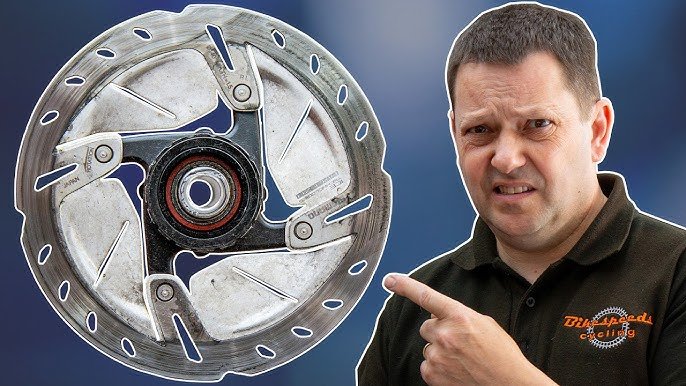
Have you ever heard that annoying rubbing sound when you ride your bike? It’s likely coming from your disc brakes, and it’s a sign that your calipers need some attention.
Centering disc brake calipers might sound technical, but it’s actually a straightforward task that can make your rides smoother and quieter. When your calipers are perfectly aligned, you’ll enjoy better braking performance, less wear on your components, and a more enjoyable cycling experience.
In this guide, you’ll discover simple steps to center your disc brake calipers like a pro, even if you’re new to bike maintenance. Say goodbye to that frustrating noise and hello to a smoother ride – read on to find out how!

Credit: www.cxmagazine.com
Tools And Materials
Ensure to have the right tools ready for centering disc brake calipers. A Torx wrench is essential for loosening and tightening bolts. Keep a hex key set handy for minor adjustments. A bike stand can help hold the bike steady. A clean cloth is useful to wipe any dirt or grease. Don’t forget a caliper alignment tool for precise alignment. Grease or lubricant can prevent parts from sticking. A flashlight helps in seeing small parts clearly. If you have these tools, you’ll be well-prepared.
Gather all materials before starting. This saves time and ensures everything is within reach. It makes the process smoother and more efficient. Always work in a well-lit area for safety. Keep tools organized and within reach. Remember, having the right tools makes the job easier and faster.

Credit: www.reddit.com
Preparing The Bike
Centering disc brake calipers ensures smooth and safe bike rides. Loosen the caliper bolts slightly. Spin the wheel and squeeze the brake lever to align the calipers. Tighten the bolts carefully while holding the brake lever. This simple adjustment prevents uneven wear and improves braking performance.
Securing The Bike
Place the bike on a stable surface. Make sure it won’t tip over. Use a bike stand if available. Keep the bike upright. This helps with alignment later. Check that the wheels are tight. Loose wheels make the job harder. Secure the bike to prevent movement.
Inspecting The Disc And Calipers
Look at the disc closely. It should be clean and smooth. Check for any dents or bends. A damaged disc affects braking. Ensure the calipers are in good shape. They must move freely. Check the pads for wear. Worn pads need replacing. Make sure the bolts are tight. Loose bolts can cause problems.
Loosening The Caliper Bolts
Loosening the caliper bolts allows the caliper to move freely, ensuring proper alignment with the disc rotor. This step is crucial for achieving smooth braking and preventing unwanted noise. Adjusting the caliper position improves overall performance and safety.
Identifying The Bolts
Look for the caliper boltsnear the brake disc. They hold the caliper. Check their size and shape. Use the right tool to fit the bolts. This helps to avoid damage. Remember, each bike may be different. Compare bolts with a picture if unsure.
Proper Technique
Use a wrench to loosen the bolts. Turn slowly to avoid slipping. Make sure the wrench fits well. Loose bolts let the caliper move. This helps in centering. Do not remove the bolts completely. Just make them loose enough to adjust.
Aligning The Calipers
Proper alignment of disc brake calipers ensures smooth cycling. Loosen caliper bolts, spin the wheel, and squeeze the brake lever. Tighten bolts evenly for centered brakes.
Using The Brake Lever
Pull the brake levergently. This brings the pads closer to the rotor. Keep the lever pulled. This helps align the caliper. Check if the pads touchthe rotor evenly. If not, adjust the caliper. Loosen the bolts slightly. Move the caliper until pads touch equally. Tighten the bolts once aligned. Release the brake lever.
Visual Alignment
Stand in front of the bike. Look closely at the caliper and rotor. Check the gapbetween the pads and rotor. Ensure it’s even on both sides. If one side touches, adjust the caliper. Loosen the mounting bolts. Move the caliper slightly. Aim for equal gaps on both sides. Tighten the bolts once gaps are even. Spin the wheel to test. Make sure the rotor spins freely.
Tightening The Bolts
Gradual tighteningis key for centering disc brake calipers. Begin by turning each bolt a little. Use a cross pattern to ensure balance. This helps the caliper stay straight. Check the alignment often. Make small adjustments if needed. Patience is important for this process.
Ensuring even pressureis crucial. Uneven pressure can cause problems. Tighten bolts evenly on both sides. This keeps the caliper steady. Test the brakes after tightening. Make sure they work smoothly. Listen for any unusual sounds. If needed, loosen and adjust again. Properly centered calipers improve safety.
Testing The Alignment
Testing the Alignment Ensure disc brake calipers are centered for optimal performance. Loosen the mounting bolts slightly. Spin the wheel and squeeze the brake lever. Tighten bolts while holding the lever to align the calipers perfectly.
Spin The Wheel
Spin the wheel gently. It should spin smoothly without stopping. If the wheel stops, the brake might be too tight. Watch the wheel closely. Look for any wobbles or stops. The wheel should spin freely. If not, adjust the brake caliper a bit. A free-spinning wheel means the alignment is good.
Checking For Noise
Listen for any strange noises. A grinding or rubbing sound means trouble. It might mean the brake is too tight. No noise is good. That means the brake is not touching the wheel. Tighten or loosen the brake if you hear noise. The brake should be quiet as the wheel spins. This shows the alignment is correct.
Troubleshooting Common Issues
Centering disc brake calipers ensures smooth braking. Loosen the bolts, align the caliper, and tighten evenly. Check alignment by spinning the wheel and adjusting as needed.
Persistent Dragging
Persistent draggingmeans the brake pads rub the rotor. This can slow the bike down. First, check if the wheel is fully seated in the dropouts. It might not be aligned correctly. Next, make sure the brake caliper is centered. Adjust it if needed. Sometimes, the rotor might be bent. Spin the wheel and watch the rotor. If it wobbles, it needs fixing. You can gently bend it back. Use a rotor truing tool for this. Finally, check the brake pads. They should be even and smooth. If not, they might need replacing.
Brake Rub
Brake rub is a common issue. It happens when the pads touch the rotor. First, listen for a rubbing noise. If you hear it, check the rotor. It might be misaligned. Loosen the caliper bolts slightly. Squeeze the brake lever to center the caliper. Tighten the bolts while holding the lever. This helps align the brakes. Also, make sure the rotor is not bent. Spin the wheel and watch closely. If it wobbles, gently adjust it. Use a rotor truing tool if needed. Lastly, ensure the pads are not worn out. Replace them if they are too thin.
Maintenance Tips
Centering disc brake calipers ensures smooth and safe rides. Loosen caliper bolts just enough to wiggle. Apply brakes to align pads, then tighten bolts evenly.
Regular Inspection
Regular checkups keep your disc brakes healthy. Ensure the calipers are alignedand not rubbing. Examine the brake pads for even wear. If you hear squeaking, it might need attention. Look for any leaks around the calipers. A small leak can cause big problems. Tighten any loose bolts you find. A loose bolt can make the brakes unsafe. Make it a habit to inspect every few months.
Cleaning The Calipers
Cleancalipers work better. Use a soft cloth to wipe away dirt. Avoid using water that can cause rust. Special brake cleaners work best for this task. Spray lightly and wipe gently. Ensure no residue is left behind. Dirt can make your brakes noisy. Clean every time you check your brakes. This keeps them in top shape.

Credit: www.youtube.com
Frequently Asked Questions
How To Center Disc Brake Caliper?
To center a disc brake caliper, loosen the mounting bolts slightly. Squeeze the brake lever to align the caliper. Tighten the bolts while holding the lever. Ensure even spacing between pads and rotor for optimal performance. Test brakes for proper function before riding.
How To Align Brake Callipers?
Align brake calipers by loosening mounting bolts and adjusting until they are centered over the rotor. Tighten bolts securely. Spin the wheel to check alignment and ensure no rubbing. Repeat adjustments if necessary for smooth operation. Test brakes after alignment to ensure optimal performance.
How To Center Rim Brake Calipers?
Loosen the brake caliper mounting bolts. Squeeze the brake lever to align the calipers. Retighten the bolts evenly. Check the brake pad alignment with the rim. Adjust the pads if necessary for proper contact. Ensure smooth wheel rotation and brake efficiency by testing the setup.
How To Fix A Misaligned Brake Caliper?
Ensure the vehicle is stable and safely lifted. Loosen the brake caliper mounting bolts slightly. Align the caliper properly over the rotor. Tighten the bolts securely. Test the brakes to confirm alignment.
Conclusion
Centering disc brake calipers keeps your bike’s braking smooth. Follow these steps for better performance. Adjust the calipers until they sit evenly on the rotor. Tighten the screws carefully. Check alignment regularly for safety. Remember, a well-adjusted brake can save you from accidents.
Practice makes perfect. Over time, you’ll center calipers with ease. Feel confident when riding. Enjoy the road and the ride. Happy cycling!



