
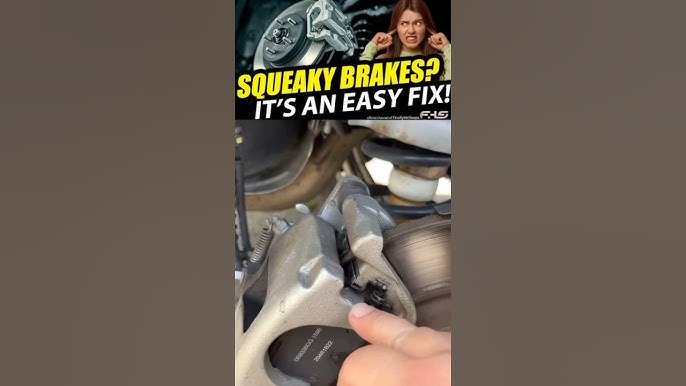
Imagine driving down a scenic route with the wind in your hair and the perfect playlist blasting from your speakers. Everything feels just right until you hit the brakes and your peaceful drive is interrupted by an irritating squeal.
You’ve been there, haven’t you? That high-pitched noise can easily ruin the driving experience, leaving you frustrated and anxious about what might be wrong with your car. But don’t worry; you’re not alone, and there’s a solution. By learning how to stop brake squeal, you can ensure that your rides remain smooth and stress-free.
This guide is here to help you identify the causes and provide easy-to-follow steps to silence those pesky brakes. Get ready to take control and enjoy your drives once again.

Credit: m.youtube.com
Causes Of Brake Squeal
Brake pads are made from different materials. Some use metal, others use ceramic. Metal pads can be noisy. Ceramic pads are quieter but cost more. The choice of material impacts noise. High metal contentoften leads to squeal. It’s important to choose the right brake pads. This can help reduce unwanted noise.
Weather can affect your brakes. Rain can make them squeal. Cold weather can cause noise too. Dust and dirt can get into brakes. This makes them noisy. Keeping brakes clean helps reduce squeal. Regular cleaningis important for quiet brakes.
Brakes need regular checks. Loose parts can cause squeal. Worn-out pads also make noise. Sometimes, brakes are not fitted well. This causes problems. Tightening loose partshelps stop squeal. Make sure all parts are in good shape. Regular checks prevent issues.
Credit: heartautocare.com
Diagnosing Brake Squeal
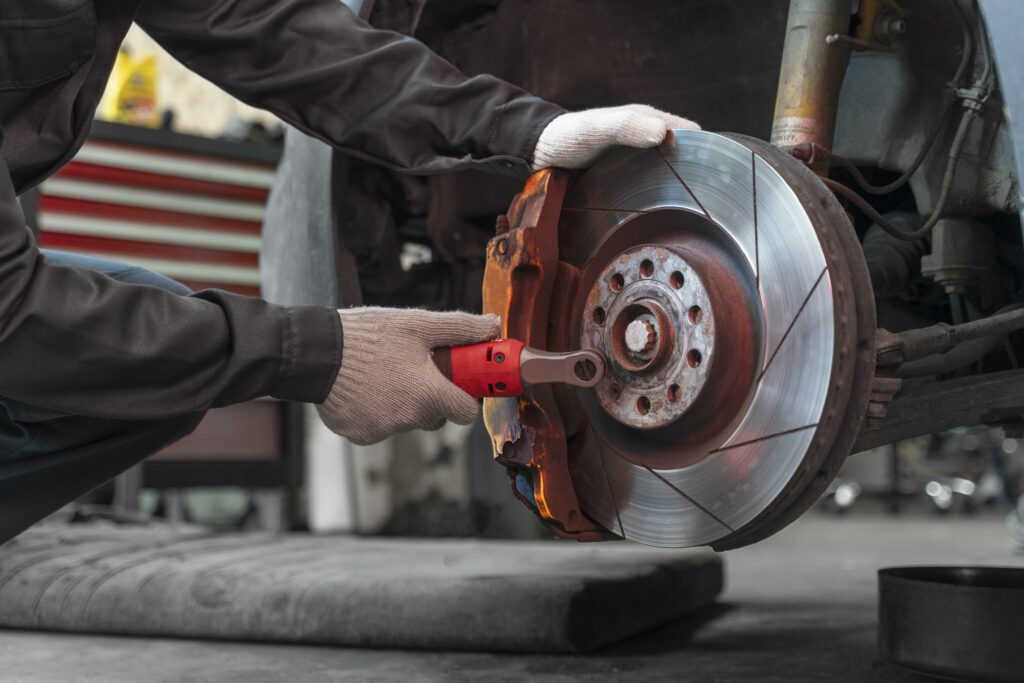
Diagnosing brake squeal involves identifying the source of the noise. Check brake pads for wear or debris. Inspect rotors for uneven surfaces or rust.
Visual Inspection
Check the brake pads for wear. Look for cracks or damage. Dust can cause noise. Clean it with a soft brush. Ensure the rotor is smooth. Rough surfaces make noise. Check for loose parts. Tighten bolts if needed.
Sound Analysis
Listen to the noise carefully. Squeal might be high-pitched. Note when it occurs. Does it happen during braking? Or when you start driving? Different sounds mean different issues. Try to match the sound to specific actions.
Professional Assessment
Visit a mechanic for expert advice. They use special tools. These tools find hidden problems. Mechanics have experience. They know common brake issues. Trust their judgment. They can fix the problem safely.
Preventive Measures
Use high-quality brake pads to reduce squeal. Ensure rotors are clean and smooth. Apply anti-squeal lubricants to brake components.
Quality Brake Pads
Choose high-quality brake padsfor your car. They are made to reduce noise. Cheap pads wear out fast and make squealing sounds. Check for pads with a good brand name. They are more reliable and last longer.
Proper Installation
Brakes need to be installed correctly. Wrong installation causes problems. Follow the instructions carefullyfor a smooth fit. If unsure, ask a mechanic to help. Proper fitting reduces squeal and ensures safety.
Regular Maintenance
Keep brakes clean and free from dust. Dirt makes them squeak. Inspect brakesoften for wear and tear. Replace old parts as needed. Regular checks keep brakes quiet and working well.
Effective Solutions
Use a special grease for brake parts. Apply it on the back of the brake pads. Do not put grease on the pad’s front. Grease helps in reducing noise. Check the caliper pins too. They need grease to move smoothly. Ensure all parts are clean before applying. Clean brakes work best.
Anti-squeal sprays or pastes can help. Apply these products to brake pads. Make sure to follow the instructions on the label. It helps in reducing vibrations. Less vibration means less noise. These products are easy to find in stores. They are safe for most car brakes.
Ensure the brakes are correctly adjusted. Misaligned brakes cause noise. Check the brake rotor and pads. Ensure they fit well together. Tighten loose parts with a wrench. Loose parts can make brakes squeal. Proper adjustments lead to a quiet ride.
When To Seek Professional Help
Persistent brake squeal, despite basic fixes, indicates it’s time to consult a professional mechanic. Delaying expert help can lead to safety risks and costly repairs.
Persistent Issues
Brake squeal that won’t stop needs attention. This noise means a bigger problem. Brakes are vital for car safety. Ignoring the noise can be dangerous. A mechanic can find the problem. They have the right tools and skills. Don’t wait too long to ask for help.
Complex Mechanical Problems
Some brake problems are hard to fix. These issues need a professional. Mechanics know how brakes work. They can fix tricky problems. Trying to fix these at home can make it worse. Let experts handle complex repairs.
Safety Concerns
Safety is the most important thing. Bad brakes can cause accidents. A mechanic can check your brakes. They make sure your car is safe. Trust them to keep you and others safe on the road. Always seek help for any safety worries.

Credit: www.instagram.com
Frequently Asked Questions
How Do I Get My Brakes To Stop Squeaking?
Clean the brake pads and rotors with a brake cleaner. Tighten loose parts and replace worn components. Use anti-squeal lubricant on the back of the brake pads. Regularly inspect and maintain your brakes for optimal performance and noise reduction.
Can I Spray Wd-40 On My Brakes To Stop Squeaking?
No, avoid using WD-40 on brakes. It can reduce friction and cause them to malfunction. Consider proper brake maintenance or consult a professional for squeaking issues. Using appropriate brake cleaners is safer and more effective for maintaining brake performance.
What Can I Spray On My Brakes To Stop Them From Squeaking?
Use a brake cleaner spray to stop squeaking. Ensure brakes are cool before applying. Avoid using oils or lubricants on brake components, as they can reduce effectiveness. Regular maintenance and inspection can help prevent squeaking in the future.
What Is The Most Common Cause Of Brake Squeal?
The most common cause of brake squeal is vibration between brake components. This often occurs when brake pads and rotors interact. Worn-out pads, dirty rotors, or improper installation can increase this vibration. Regular maintenance and using high-quality brake components can help reduce brake squeal.
Conclusion
Stopping brake squeal is simpler than you might think. Regular maintenance helps. Check your brakes often. Clean them when needed. Use high-quality brake pads. Ensure components fit well. Avoid overusing brakes. Listen for warning sounds. Quick action prevents damage. Professional help is available.
Your car deserves attention and care. Keep brakes silent and efficient. Enjoy smooth, quiet rides. Safety first. A little effort makes a big difference. Embrace these tips for peace of mind. Quiet brakes mean a safer journey. Save time, save stress.
Drive confidently every day.



