
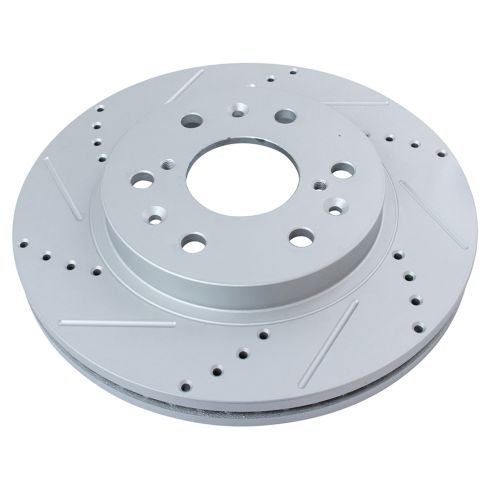
Imagine you’re driving down a steep hill, and suddenly, your brakes feel less responsive. This nerve-wracking experience, known as brake fading, can leave you feeling anxious and unsafe.
But don’t worry—you’re not alone, and there’s a solution. Understanding how to troubleshoot brake fading can not only enhance your safety but also give you peace of mind every time you hit the road. In this guide, you’ll discover simple steps to identify the causes of brake fading and learn actionable techniques to fix them.
By the end of this article, you’ll have the knowledge and confidence to ensure your vehicle’s braking system is reliable and efficient. So, if you’re ready to transform your driving experience from uncertain to secure, read on and empower yourself with these essential insights.
Brake Fading Basics
Brake fading happens when brakes lose their stopping power. This can be scary and dangerous. It usually occurs during long and steep descents. Heat is the main cause. Friction between the brake pads and rotors generates heat. Too much heat makes the brake fluid boil. Boiling fluid leads to air bubbles. Air bubbles reduce braking ability. Proper maintenance can help prevent brake fading. Always check brake fluid levels. Make sure brake pads are in good condition.
- Overheating due to long braking
- Poor brake pad material
- Low-quality brake fluid
- Heavy loads on the vehicle
- Inadequate brake cooling systems
Understanding these causes helps in preventing brake fading. Regular vehicle checks are crucial. Use high-quality parts for better safety.
Identifying Symptoms
Identifying Symptoms Brake fading can feel like reduced braking power during repeated or prolonged use. Notice if the brake pedal feels spongy or if stopping distances increase significantly. Listen for unusual noises, such as squealing or grinding, which may indicate brake issues.
Signs Of Brake Fading
Brake fading can make stopping the vehicle difficult. Pedal feels soft and less responsive. Longer stopping distances are noticeable. The brakes might make unusual noises or vibrations. Burning smell may come from the brakes. Vehicle may pull to one side. These signs indicate a loss of brake effectiveness.
Impact On Vehicle Performance
Brake fading affects the car’s safety. Stopping quickly becomes hard. The vehicle might take longer to halt. Driving becomes risky. The brake system works less efficiently. It’s crucial to address brake fading. Regular maintenance can help avoid these issues.
Initial Checks
Begin by inspecting brake fluid levels and ensuring no leaks are present. Check brake pads for wear and tear. Also, verify that rotors and calipers are functioning properly.
Inspecting Brake Components
Start with a visual check of the brake pads. They should not be too thin. Look at the rotors. Ensure they are smooth and not warped. Check for any leaks around the brake lines. This could indicate a problem. Make sure all parts are secure and not loose.
Evaluating Brake Fluid
Check the brake fluid level. It should be above the minimum line. Look at the color of the fluid. It should be clear and not dark. Dark fluid means it needs changing. Check for any air bubbles in the fluid. This can affect brake performance. Ensure the cap is tight to avoid leaks.

Credit: www.fourwindstrailers.com
Advanced Troubleshooting
Troubleshoot brake fading by inspecting brake pads and fluid levels regularly. Ensure proper ventilation to avoid overheating. Consider upgrading brake components for better performance under stress.
Assessing Brake Pads And Rotors
First, check the brake padsfor wear. Thin pads need replacing. Thick pads are good. Look at the rotors. They should be smooth. Rough or grooved rotors are a problem. Use a flashlight to see better. Feel the surface with your fingers. If rotors feel bumpy, they need fixing. Listen for screeching sounds. Strange sounds mean trouble. Clean the parts if dirty. Dirt can cause issues. Use a cloth to wipe them.
Testing Brake System Pressure
Press the brake pedal firmly. It should not feel soft. A soft pedal is a warning. Check the brake fluid level. Low fluid can cause problems. Add fluid if needed. Inspect for leaks around the brake lines. Leaks reduce pressure. Use your eyes and hands to find leaks. Leaky spots feel wet. A mechanic can help if unsure. Keep brakes in top shape for safety.
Preventive Measures
Regularly inspect brake components for wear or damage. Keep brake fluid levels in check to ensure optimal performance. Avoid excessive braking to prevent overheating and fading.
Enhancing Brake Cooling
Cars need good brake coolingto work right. Use special parts to let air flow better. This cools the brakes. Brake ductshelp bring air to the brakes. This makes them cool down faster. Remove dustfrom the brakes often. Dust stops air from cooling the brakes. Check for any blockages in the air path.
Choosing High-performance Brake Materials
High-performance brake materialscan stop brake fading. Look for ceramicor carbon-fiberbrake pads. These materials handle heat better. They last longer too. Some cars use vented rotors. These help keep the brakes cool. Make sure to pick the right material for your car type.

Credit: www.reddit.com
Professional Help
Troubleshooting brake fading involves checking the brake fluid level and inspecting the brake pads for wear. Ensure the brake lines are free from air bubbles. Adjust driving habits to prevent overheating brakes. Regular maintenance can help avoid brake fading issues.
When To Consult A Mechanic
Brake fading can be scary. If you feel your brakes are weak, consult a mechanic. Strange sounds like squealing are also warning signs. If your car pulls to one side, it’s time for expert advice. A mechanic ensures your brakes are safe. Never wait if you feel unsure. Safety comes first.
Selecting A Brake Specialist
Choose a skilled brake specialist. Ask for recommendations from friends. Look for certified mechanics. Check online reviews for honest feedback. A good specialist explains problems clearly. They offer solutions without confusing words. Trustworthy mechanics give fair prices. Always feel comfortable with your choice. Your car’s safety depends on it.
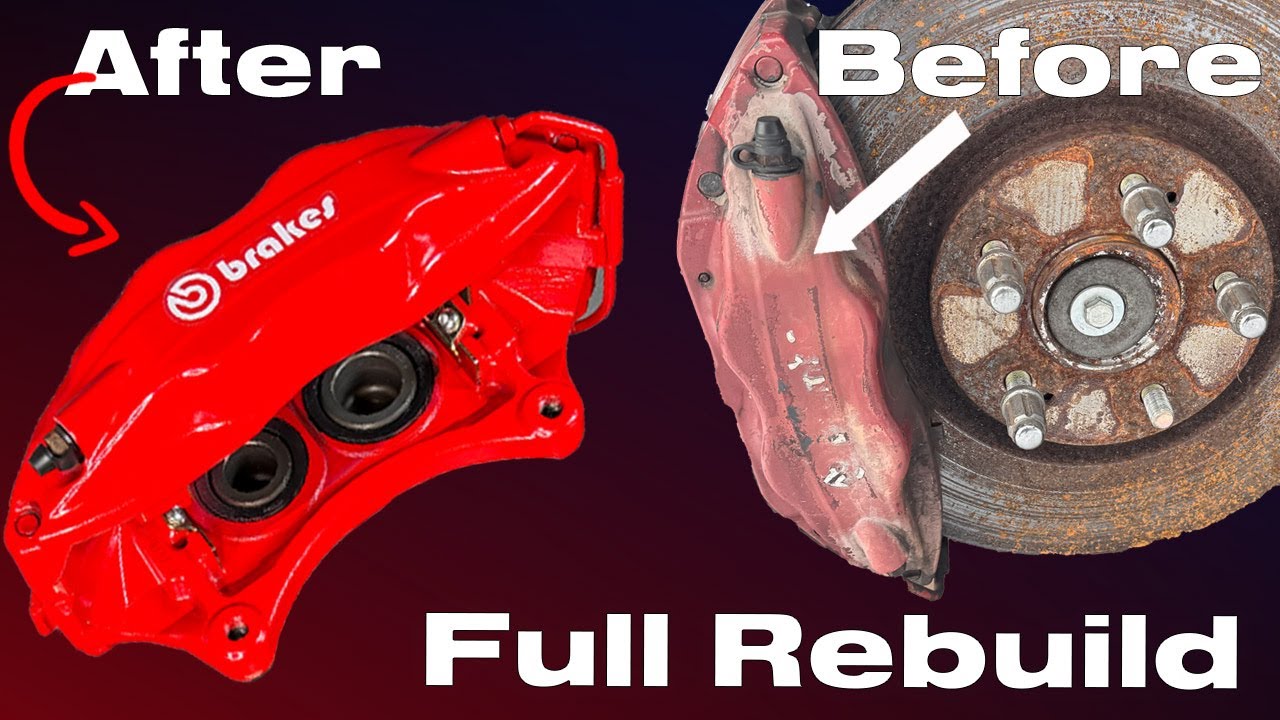
Credit: www.youtube.com
Frequently Asked Questions
How To Diagnose Brake Fade?
Diagnose brake fade by noticing reduced braking power during repeated use. Check for longer stopping distances and spongy pedal feel. Inspect brake components for overheating and wear. Listen for unusual noises. Ensure brake fluid levels are adequate and not contaminated.
Regular maintenance helps prevent brake fade issues.
What Is The Most Common Cause Of Brake Fade?
The most common cause of brake fade is excessive heat buildup in the braking system. This heat reduces friction between brake components, leading to decreased braking efficiency. Prolonged or intense braking, especially on steep descents, often results in this condition.
Regular maintenance and proper driving techniques help prevent brake fade.
How To Fix Brake Pedal Fade?
To fix brake pedal fade, first check brake fluid levels. Inspect for leaks, replace worn brake pads, and bleed the brake system to remove air. Ensure the master cylinder and brake lines function properly. Regular maintenance helps prevent brake fade issues.
How To Repair Brake Fade?
To repair brake fade, check brake fluid levels and replace if low. Inspect brake pads for wear and replace them. Ensure proper ventilation by cleaning brake components. Bleed brakes to remove air bubbles. Regular maintenance prevents future issues.
Conclusion
Solving brake fading issues boosts driving safety. Regular maintenance checks are vital. Clean brake components often for better performance. Keep brake fluid levels topped up. Replace worn parts immediately. Test brakes after repairs to ensure functionality. Brake fading can be dangerous.
Act quickly to fix problems. Seek professional help if unsure. Stay informed about your vehicle’s brake system. Remember, safe driving starts with well-maintained brakes. Prioritize your safety on the road every day. Following these tips helps prevent fading. Drive confidently knowing your brakes are reliable.



