
Have you ever noticed that annoying squeak or a slight drag when you’re riding your bike? If yes, then it’s possible your brake calipers need some attention.
Properly aligned brake calipers are crucial for your safety and the smooth functioning of your bike. Misalignment can lead to uneven wear on your brake pads, reduced braking efficiency, and even damage to your bike’s wheels. Imagine the freedom and peace of mind that come with knowing your bike is in perfect working order.
By learning how to align brake calipers correctly, you can ensure a smoother, safer ride every time. Whether you’re a seasoned cyclist or a casual rider, this skill can make a world of difference. Unlock the secrets to perfect alignment with our step-by-step guide. It’s easier than you think, and the benefits are immediate. Dive in to discover how you can elevate your riding experience and feel more connected with your bike.
Tools Required
Aligning brake calipers needs a few simple tools. These help make the job easier and safer.
- Allen wrench– Adjusts the brake caliper bolts.
- Torque wrench– Ensures correct tightening of bolts.
- Brake cleaner– Cleans brake parts for better performance.
- Rag or cloth– Wipes away dirt and grease.
- Ruler or caliper tool– Measures brake pad alignment.
These tools are easy to find. They help keep your bike safe. Make sure they are clean and ready. Proper tools make aligning calipers simple and quick.

Credit: www.tiktok.com
Preparation
Start by loosening the brake caliper bolts. Squeeze the brake lever to center the caliper, then tighten the bolts evenly. Check alignment by spinning the wheel, ensuring no brake rub occurs.
Safety Measures
Wear a helmet to protect your head. Use gloves for better grip. Make sure the bike is on a stable surface. Avoid slippery areas to prevent falls. Check the brake cables before starting. Ensure they are not frayed or broken. Keep tools nearby for quick access. A wrench and screwdriver are essential.
Positioning The Bike
Lift the bike using a stand. Ensure the bike is upright and steady. Rotate the wheels to check alignment. They should spin freely. Adjust the handlebars to face forward. This helps in better control. Ensure the brake pads touch the wheel rim evenly. This is crucial for effective braking. Tighten any loose bolts for safety.
Inspecting The Brake Calipers
Aligning brake calipers ensures optimal performance and safety. Begin by loosening the bolts slightly. Adjust the caliper position until the brake pads are equidistant from the rotor. Tighten the bolts carefully to secure the alignment.
Identifying Misalignment
Check if the calipers are even on both sides. Look for uneven gaps between the pads and rotor. This often shows misalignment. Listen for squealing sounds when braking. This can be a sign too. Misaligned calipers can cause poor braking performance. It’s important to check regularly to keep things safe.
Checking For Wear And Tear
Examine the brake pads for excessive wear. Worn pads can affect braking. Look for cracks or signs of damage on the calipers. These can lead to serious issues if not fixed. Feel the rotor’s surface with your hand. It should be smooth and even. Regular checks help keep brakes in top condition.

Credit: www.youtube.com
Loosening The Calipers
First, find the brake calipers on your bike. Use a correct-sized wrench for loosening. Turn the bolt slowly and gently. This helps in avoiding damage. Check if the caliper is free to move. Now, you can adjust it as needed. Make sure all parts are in place. This ensures safety while riding. Tighten the bolt again once adjusted.
Never force the bolt if it feels stuck. This can break parts. Always use the right tool for the job. Using wrong tools can damage the bolts. Do not ignore the caliper position. It can affect your bike’s braking. Always check your work twice. This avoids future problems. If unsure, ask someone for help.
Aligning The Calipers
Make sure the caliper is centered on the wheel. Spin the wheel to check if it rubs. If it does, the caliper needs adjustment. Loosen the mounting bolts a little. Squeeze the brake lever. This centers the caliper. While holding the lever, tighten the bolts again. Check if the wheel spins freely. If not, repeat the steps.
Ensure the brake pads are aligned with the rim. Pads should touch the rim evenly. Use a wrench to adjust the pad position. Make sure it doesn’t touch the tire. Pads should be parallel to the rim. Squeeze the brake lever to check the contact. Adjust if needed. Ensure both pads hit the rim at the same time.
Tightening The Calipers
Calipers need to be tight for safe riding. Loose calipers can be dangerous. Use a wrench to tighten the bolts. Check the bolts on each side. Make sure they are equally tight. This keeps the caliper from moving. It helps the brakes work better. Tightening calipers is not hard. Just be careful and patient. It’s important for your safety.
Even pressure helps the brake pads grip well. Uneven pressure wears out the pads faster. Adjust the calipers to balance the pressure. Use your fingers to feel the pressure. Make small changes as needed. This will help your brakes last longer. Even pressure is key to stopping smoothly.
Always recheck the alignment after tightening. Misaligned calipers can cause brake issues. Look at the calipers from the side. Make sure they are straight. Spin the wheel to test the brakes. Listen for any rubbing sounds. If you hear rubbing, adjust the calipers again. Proper alignment ensures safe and smooth braking.
Testing The Alignment
Properly aligning brake calipers ensures smooth and safe rides. First, loosen the caliper bolts slightly. Next, squeeze the brake lever to center the caliper, then tighten the bolts evenly. Test alignment by spinning the wheel and checking for any rubbing.
Conducting A Brake Test
Ensure the bike is on a level surface. Squeeze the brake lever gently. Check if the wheel stops evenly. Look for any wobbling or noise. Listen for any unusual sounds. If the wheel drags, there’s a problem. Repeat the process a few times. Observe how the brake pads touch the rim. They should hit the rim evenly. Uneven contact means misalignment. Ensure both brake pads move equally. This ensures balanced braking.
Fine-tuning Adjustments
Loosen the caliper bolts slightly. Adjust the caliper position by hand. Ensure the brake pads sit evenly. Tighten the bolts once aligned. Test the brakes again. Make small adjustments as needed. Check for any remaining wobbling. Ensure the brake lever feels firm. Repeat adjustments if necessary. Proper alignment ensures safe rides. Enjoy smoother and safer braking.
Maintenance Tips
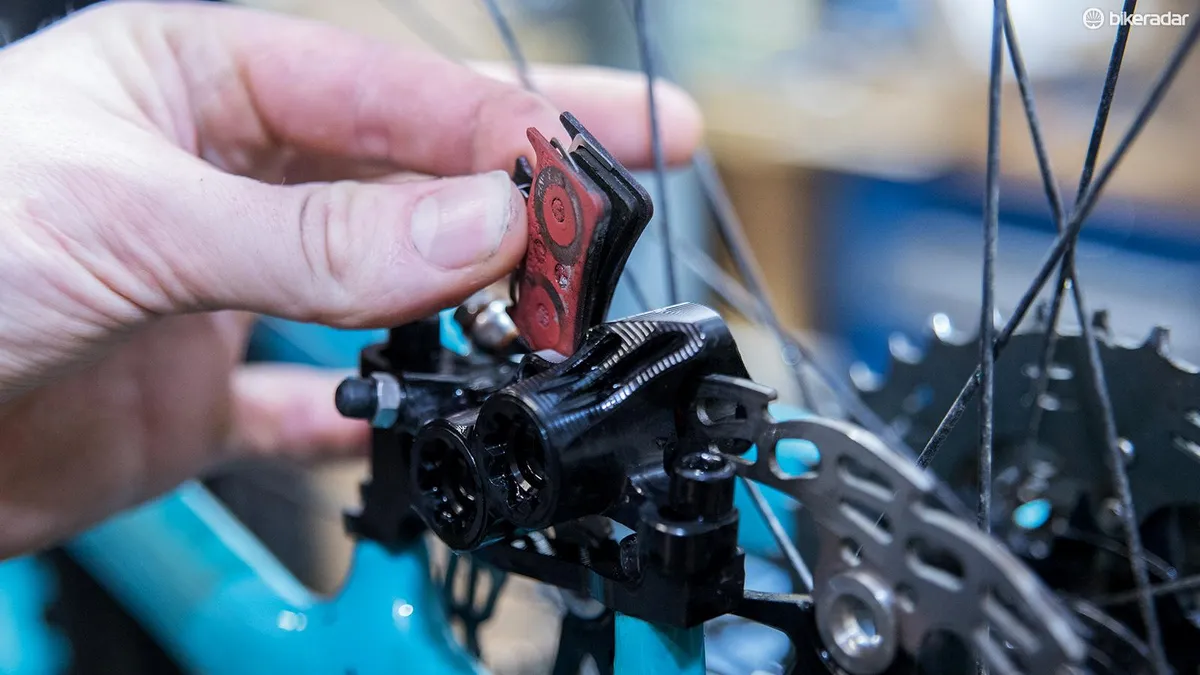
Always check your brake calipersfor wear and tear. Look for any loose boltsor parts. Make sure the calipers are alignedproperly. Adjust them if needed. This keeps your brakes working well. Clean your brakes often. Dirt can cause problems. Use a clean cloth and a little water. Avoid using harsh chemicals. Check the brake pads too. They should not be too thin. Replace them if needed.
Listen for squeaky brakes. This can mean misalignment. Check if the bike pulls to one side. Feel for a soft brake lever. This means the brakes need fixing. Watch for uneven brake pad wear. This shows the calipers are not aligned. Keep an eye on these signs to stay safe.
Credit: www.bikeradar.com
Frequently Asked Questions
How To Realign A Brake Caliper?
First, loosen the caliper bolts slightly. Squeeze the brake lever to center the caliper over the rotor. Tighten the bolts while holding the lever. Ensure the rotor spins freely without rubbing. Adjust as needed for proper alignment.
What Are The Symptoms Of A Misaligned Brake Caliper?
Symptoms of a misaligned brake caliper include uneven brake pad wear, squealing noises, and reduced braking performance. You might also experience vibrations or a pulling sensation when braking. It’s crucial to address these issues promptly to ensure safe driving and prevent further damage.
What Is A Common Mistake When Replacing A Caliper?
A common mistake when replacing a caliper is not properly bleeding the brake system. This can lead to air trapped inside, reducing braking efficiency. Always ensure the brake fluid is free of air bubbles for optimal performance.
How To Properly Align Disc Brakes?
First, loosen the caliper bolts slightly. Squeeze the brake lever to center the caliper. Tighten bolts evenly. Ensure the rotor spins freely without rubbing. Adjust the caliper position if necessary for smooth operation. Test brakes for full alignment and functionality.
Conclusion
Aligning brake calipers ensures safe and smooth rides. It’s essential for vehicle maintenance. Follow the steps carefully for best results. Use the right tools. Check adjustments regularly to maintain efficiency. Keep your brakes in top condition. This practice prolongs the life of your brakes.
Also, it enhances your driving experience. Remember, safety first. Regular maintenance saves money and prevents accidents. Don’t ignore brake issues. Address problems early to avoid bigger ones. Happy driving and stay safe on the road!



