
Are you tired of battling the wind during your cycling adventures? Do you feel like you’re pushing against an invisible wall, slowing you down and draining your energy?
If so, you’re not alone. Every cyclist faces the challenge of wind resistance, but what if you could turn the odds in your favor? Imagine gliding smoothly through the air, conserving energy, and improving your performance with just a few strategic tweaks to your cycling jersey.
You’ll discover essential tips that can help you minimize wind resistance and maximize your cycling potential. Get ready to transform your ride and feel the thrill of enhanced speed and efficiency. Dive in now, because mastering wind resistance could be the game-changer you’ve been looking for!

Credit: www.gq-magazine.co.uk
Choosing The Right Fabric
Fabric choiceis vital for wind resistance. Light fabrics are better. They let air flow. Heavy fabrics can slow you down. They trap wind. Polyesteris a great option. It is light and airy. It dries fast too.
Mesh panelshelp with airflow. They keep you cool. Avoid cotton. It absorbs sweat. It gets heavy. Synthetic fabricswork best. They resist wind and dry quickly.
Pick fabrics with tight weaves. They cut wind better. Loose weaves let air in. This slows you down. Choose wisely for better cycling.
Optimizing Fit For Aerodynamics
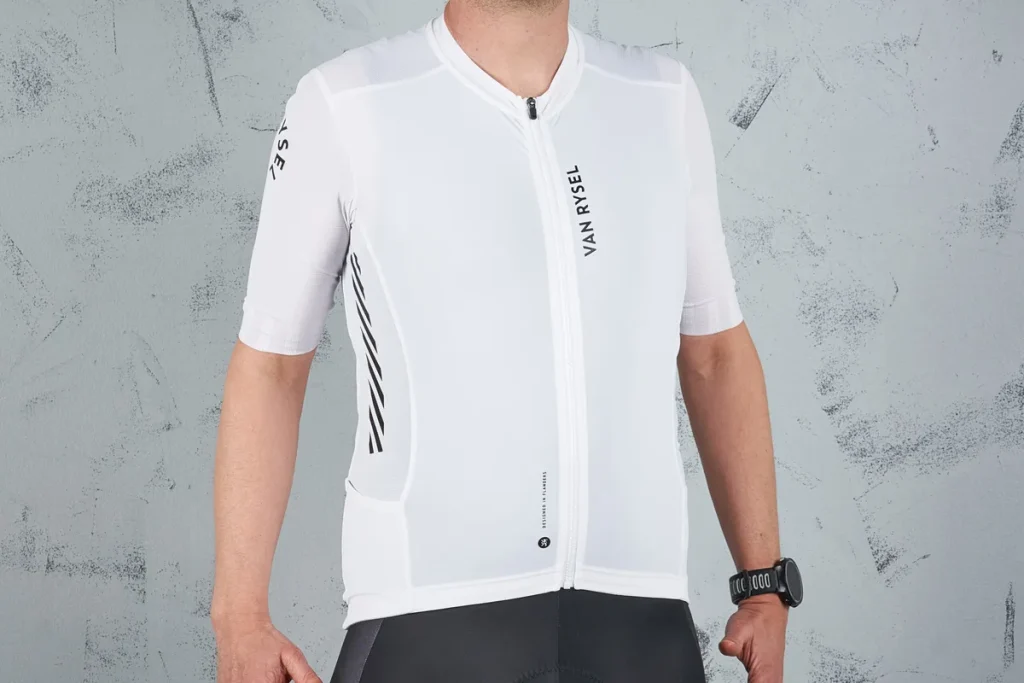
Streamlining your cycling jersey can cut wind resistance significantly. Choose a snug fit to reduce drag. Opt for smooth, seamless fabrics to enhance aerodynamics.
Importance Of A Snug Fit
A snug fit is key for cycling jerseys. It helps reduce wind drag. Loose jerseys catch more wind and slow you down. A well-fitted jersey sticks close to your body. This improves your speed. Look for jerseys with stretchy fabric. This ensures a better fit for different body shapes. A good fit enhances comfort on long rides too. Always choose the right size for the best results.
Avoiding Flapping Fabric
Flapping fabric acts like a parachute. It creates resistance against the wind. This slows your cycling speed. Choose jerseys with smooth seams. These reduce the chances of flapping. Some jerseys have special cuffs to hold the fabric tight. Pay attention to sleeve and hem fit. This ensures no loose ends catch the wind. Keep your jersey smooth for better aerodynamics.
Seam Placement And Design
Seam placement affects how air moves around the jersey. Smooth seams help air glide easily. Rough seams can slow you down. Designers work hard to place seams right. They make sure air flows smoothly. Smart seam designs can improve speed. Cyclists feel less air pushing against them. This helps them ride faster with less effort.
Drag is the air that slows you down. Tight-fitting jerseys help reduce drag. Loose clothing catches more air. This makes you slower. Aerodynamic fabrics also reduce drag. They are smooth and let air flow better. Good jersey design can make a big difference. Cyclists can save energy and ride faster. Every detail counts in reducing drag.
Credit: www.bikeradar.com
Zipper Positioning
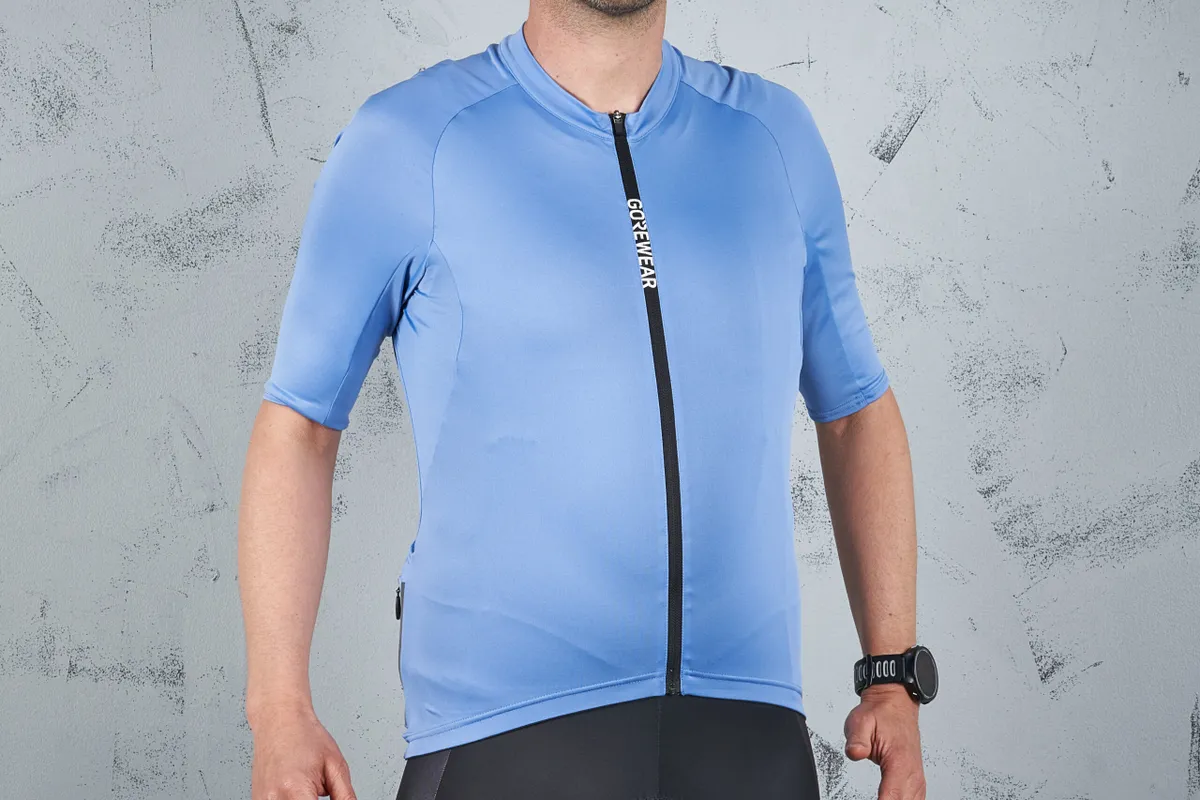
Zipper positioningis key for reducing wind resistance. Keep the zipper straight and central. This creates smooth airflow over the jersey. Avoid bunching or twisting the fabric. This causes turbulenceand slows you down. A well-positioned zipper keeps the jersey tight. This helps the wind flow easily. Always check for loose ends or folds.
Reducing Turbulence
Choose jerseys with low-profile zippers. These zippers reduce drag. They are usually smaller and flatter. Avoid large, bulky zippers. They create more turbulence. Look for designs with hidden zippers. This hides the zipper from the wind. It smooths out airflow. Hidden zippers offer better wind resistance. They keep the fabric flat and neat.
Choosing Low-profile Options
Low-profile options are best for fast rides. They help minimize wind resistance. These options usually have sleek designs. Flat seams and smooth surfaces are ideal. Some jerseys use special fabrics. These fabrics reduce drag. They are light and smooth. Choose jerseys with these features for better speed. They make a big difference.
Sleeve Length Considerations
Long sleeves can help keep your arms warm. They also offer more wind resistance. Short sleeves allow for better cooling. They are often lighter and less restrictive. Cyclists may prefer long sleeves on cooler days. Short sleeves work well in warm weather.
Sleeve length affects how wind moves around your body. Long sleeves can create a smoother surfacefor wind. This helps reduce drag. Short sleeves may cause more air resistance. Choosing the right sleeve depends on weather and speed. Fast riders often choose long sleeves for less drag.
Jersey Maintenance
Keep your cycling jersey clean and fresh. Wash it regularly using mild detergent. Avoid harsh chemicals that might damage the fabric. Use cold water for washing. This helps in keeping the fabric strong. Dry it in shade to maintain color and texture. Never use a dryer. It can weaken the fabric fibers.
Inspect your jersey for wear and tear. Check seams and zippers regularly. Repair any damages promptly. This ensures the jersey stays functional and reliable. Store the jersey properly when not in use. Hang it up or fold it neatly. This keeps it in good shape for your next ride.
Additional Accessories
Enhance wind resistance in cycling with additional accessories like streamlined helmets and aerodynamic gloves. These help reduce drag and improve speed. Choose lightweight, breathable fabrics for optimum performance.
Aerodynamic Helmets
An aerodynamic helmet cuts through the wind. It keeps your head cool and comfy. These helmets have smooth shapes that help you ride faster. The special design reduces air drag. This makes cycling easier and more fun. Choose a helmet that fits well for best results.
Streamlined Gloves
Wearing streamlined gloves can improve your cycling performance. These gloves fit snugly and reduce air resistance. They are made from lightweight materials. This helps keep your hands cool and dry. With improved grip, you can hold the handlebars better. This leads to a more enjoyable ride.

Credit: attaquercycling.com
Pro Tips From Cyclists
Cycling jerseys should fit snugly to minimize air resistance. Choose lightweight, breathable fabrics for optimal comfort and performance. Look for features like longer sleeves and aerodynamic seams to reduce drag while riding.
Insights From Professionals
Real cyclists have great tips for wind resistance. They say to wear tight-fitting jerseys. Loose clothes catch more wind and slow you down. Choose a smooth and sleek fabric. This reduces drag and helps you go faster. A jersey with long sleeves can also help. It covers more skin and cuts wind better. Cyclists often say to tuck your elbows in. This makes your body smaller and more aerodynamic.
Common Mistakes To Avoid
Many cyclists make mistakes with wind resistance. Wearing loose jerseys is a big mistake. They act like sails and slow you down. Avoid flapping clothes that create drag. Some cyclists forget about their helmet. A good helmet can make you more aerodynamic. Ignoring the position of your body is another mistake. Sitting upright catches more wind and slows you down.
Frequently Asked Questions
Should You Wear Anything Under A Cycling Jersey?
Wearing a base layer under a cycling jersey can enhance comfort by wicking moisture. Opt for lightweight materials.
What Do Cyclists Wear To Reduce Air Resistance?
Cyclists wear streamlined helmets and tight-fitting clothing to reduce air resistance. They often choose aerodynamic bikes and gear.
How To Deal With Wind While Cycling?
Lean forward to reduce wind resistance. Use lower gears for better control. Draft behind others for less drag. Keep a steady pace to conserve energy. Dress in aerodynamic clothing for efficiency.
How Many Watts Does A Cycling Jersey Save?
A cycling jersey can save 10 to 20 watts due to its aerodynamic design. This improves speed and efficiency. Wearing a tight-fitting jersey reduces air resistance, enhancing performance in competitive cycling. Invest in quality jerseys for maximum energy savings during rides.
Conclusion
Choosing the right cycling jersey boosts your performance on windy rides. Focus on fit. A snug jersey reduces drag, helping you ride faster. Material matters too. Lightweight fabrics cut through wind easily. Remember, small details help. Zippered pockets reduce flapping, keeping you streamlined.
Always consider your riding conditions. Different weather needs different gear. Experiment with these tips. Find what works best for you. Enjoy smoother rides and stay ahead of the wind. Happy cycling!



