
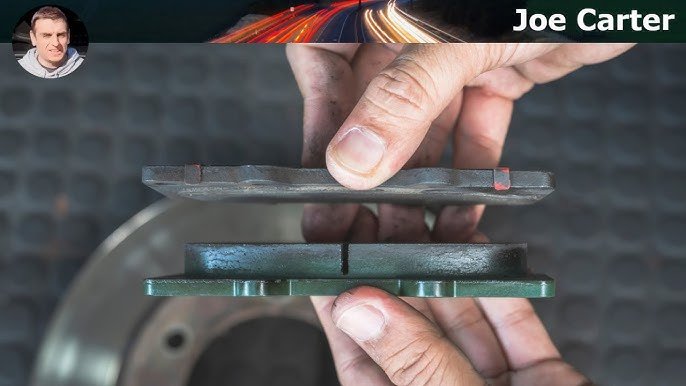
Have you ever found yourself wondering about the state of your car’s brake pads? If so, you’re not alone.
Brake pad wear is something every car owner should be aware of. After all, your safety depends on it. You might think checking brake pad wear is a task best left to the professionals, but the truth is, you can do it yourself with a bit of guidance.
Imagine the peace of mind knowing your brakes are in top condition every time you hit the road. This article will take you through simple steps to check brake pad wear, empowering you to take control of your vehicle’s safety. Keep reading and discover how you can ensure your car stops as it should, every time.
Signs Of Worn Brake Pads
Unusual noises like squealing or grinding indicate brake pads are worn. Decreased braking performance is another sign. Check for thin pads or visible damage by inspecting through the wheel spokes.
Squeaking Or Squealing Noise
Brakes make noise when pads wear out. Listen for a squeakingor squealingsound. This sound means the pads are thin.
Reduced Braking Performance
Car takes longer to stop. Braking distanceincreases. This can be dangerous. Check pads if stopping feels slow.
Vibration During Braking
Feel a vibrationin the brake pedal. This can mean uneven pads. Worn pads cause a shaky feeling.
Visible Wear Indicators
Look through the wheel spokes. See the brake pad? If it’s less than a quarter inch, it’s time to change it. Some pads have metal wear indicators. These show when pads need replacing.

Credit: www.facebook.com
Tools Needed For Inspection
Checking brake pad wear requires essential tools. A flashlight helps in seeing pad thickness clearly. A caliper gauge measures the exact thickness of the brake pad.
Basic Hand Tools
Basic hand tools are essential for checking brake pads. Wrenches and screwdrivers help you remove the wheels. Pliers might be needed for stubborn parts. Always have a toolbox ready.
Brake Pad Thickness Gauge
A brake pad thickness gauge is crucial for measuring pad wear. It gives accurate readings. Digital gauges are easy to read. Manual gauges are simple and effective. Both types are useful.
Flashlight Or Work Light
A flashlight helps you see clearly. Bright lights reveal worn-out brake pads. Use a work light for better visibility. It’s handy in dim areas. Always check with enough light.
Step-by-step Inspection Process
Regularly inspect brake pads to ensure safety. Start by looking through the wheel spokes for visible wear. Measure the thickness; if it’s less than a quarter-inch, replacement is needed. Listen for squealing sounds, indicating worn pads. Early detection prevents costly repairs and enhances road safety.
Park And Secure The Vehicle
Park the vehicle on a flat surface. Use the parking brake. Ensure the car doesn’t roll. Place wheel chocks behind the tires. This keeps the car safe. Safety is very important.
Remove The Wheel
Loosen the lug nuts first. Use a wrench for this. Jack up the car carefully. Remove the wheel completely. Keep it aside. Now, you can see the brake pads.
Examine The Brake Pads
Look closely at the brake pads. See if they are worn down. Check for cracks or damage. Worn pads need changing soon. Good pads have no damage.
Measure Pad Thickness
Use a ruler or caliper. Measure the thickness of the pad. It should be more than 3 millimeters. Thin pads are unsafe. Replace them to ensure safety.
When To Replace Brake Pads
Inspect brake pads regularly by looking for wear indicators. Thin pads or screeching noises mean they need replacing.
Recommended Thickness For Replacement
Brake pads should be replaced when they are below 3 millimetersthick. Thin pads can’t stop the car well. This makes driving unsafe. Check your brake pads often to stay safe on the road.
Manufacturer Guidelines
Each car maker has specific guidelinesfor brake pads. Always follow these guidelines for the best safety. You can find these in your car’s manual. It tells you when to change brake pads.
Safety Considerations
Worn brake pads can lead to accidents. They make stopping the car hard. Always replace pads before they wear out. This keeps you and others safe. Safety should always come first on the road.
Diy Vs Professional Inspection
DIY brake pad checks are cost-effective. You save money by inspecting yourself. There is no need for special tools. Learning how to check is fun and educational. It’s satisfying to do things yourself. But, there’s a downside. Mistakes can happen if you’re not careful. Safety could be at risk. You might miss important details. It takes time to learn. You need patience and focus.
Professionals know exactly what to do. They have special tools. They can spot problems you might miss. With experts, safety is a priority. They work faster than you might. Their experience is valuable. You feel confident in their results. Less worry about mistakes.
DIY costs less money. You only pay for parts. No labor fees. Professional services can be expensive. You pay for their expertise. Consider your budget. Balance safety and costs. Think about long-term savings.

Credit: www.brakeandfrontend.com
Maintaining Brake Pads For Longevity
Gentle braking keeps brake pads healthy. Sudden stops wear them fast. Keep safe distance from other cars. This helps avoid hard braking. Soft stops make brake pads last longer.
Check brake pads every six months. Look for wear and tear. Listen for squeaking sounds. Squeaks mean pads may need changing. Regular checks keep you safe on the road.
Choose good quality brake pads. They last longer and stop better. Cheap pads wear out fast. Always ask for the best pads you can afford. Good pads save money over time.

Credit: nrsbrakes.com
Frequently Asked Questions
How Can I Tell If My Brake Pads Are Worn Down?
Listen for squeaking or grinding noises when braking. Check if the brake pedal feels less responsive. Inspect for thin brake pads through the wheel spokes. Watch for warning lights on your dashboard. Regular visual inspections by a mechanic can also confirm wear.
How To Check Brake Pad Wear Without Removing Wheel?
Use a flashlight to inspect brake pad thickness through the wheel spokes. Ensure pads aren’t thinner than 3mm.
What Is The 30 30 30 Rule For Brakes?
The 30 30 30 rule for brakes involves checking brakes every 30,000 miles, ensuring brake fluid is changed every 30 months, and inspecting the brake system every 30 weeks. This maintains optimal performance and safety. Regular maintenance extends the lifespan of your braking system and prevents costly repairs.
Is 3mm On Brake Pads Ok?
3mm on brake pads is not ideal. It’s near the minimum thickness, indicating they need replacement soon. Driving with thin brake pads can compromise safety and affect braking performance. Regularly check and replace them to ensure optimal vehicle safety.
Conclusion
Checking brake pad wear is crucial for safe driving. Regular inspections ensure your brakes work properly. Worn-out pads can lead to accidents. Always stay alert to unusual sounds or vibrations. These might signal brake problems. Early detection saves money and lives.
Keep your brake system in top shape. Consult a mechanic if unsure. Remember, safety comes first. Proper maintenance extends your vehicle’s life. So, don’t ignore brake pad wear. Prioritize safety and peace of mind. Regular checks keep you safe on the road.
Stay proactive and drive safely.



