
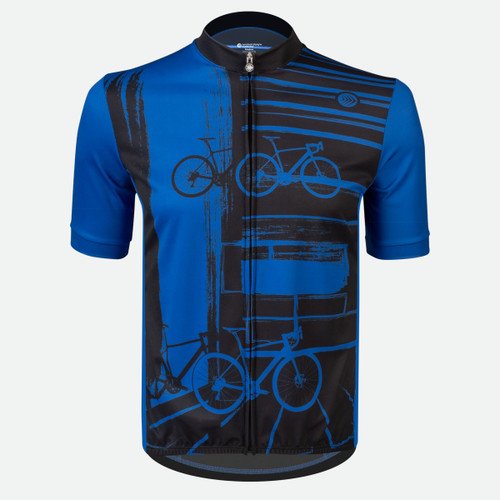
Picture this: you’re out on your bike, feeling the wind whip through your hair, your muscles working seamlessly as you glide down the road. But there’s a secret to feeling this free and comfortable during your ride—a well-designed cycling jersey.
You might not realize it, but the stitching style of your jersey plays a crucial role in your overall cycling experience. When it comes to choosing the right jersey, understanding the stitching can make all the difference in performance and comfort.
Ever wondered why some jerseys feel like a second skin while others seem to irritate your body? This article reveals the hidden details of cycling jersey stitching styles that could be the key to enhancing your rides. You’ll uncover how these tiny threads can impact your comfort, and maybe even your cycling performance. Dive in, and discover what your jersey should really be doing for you.
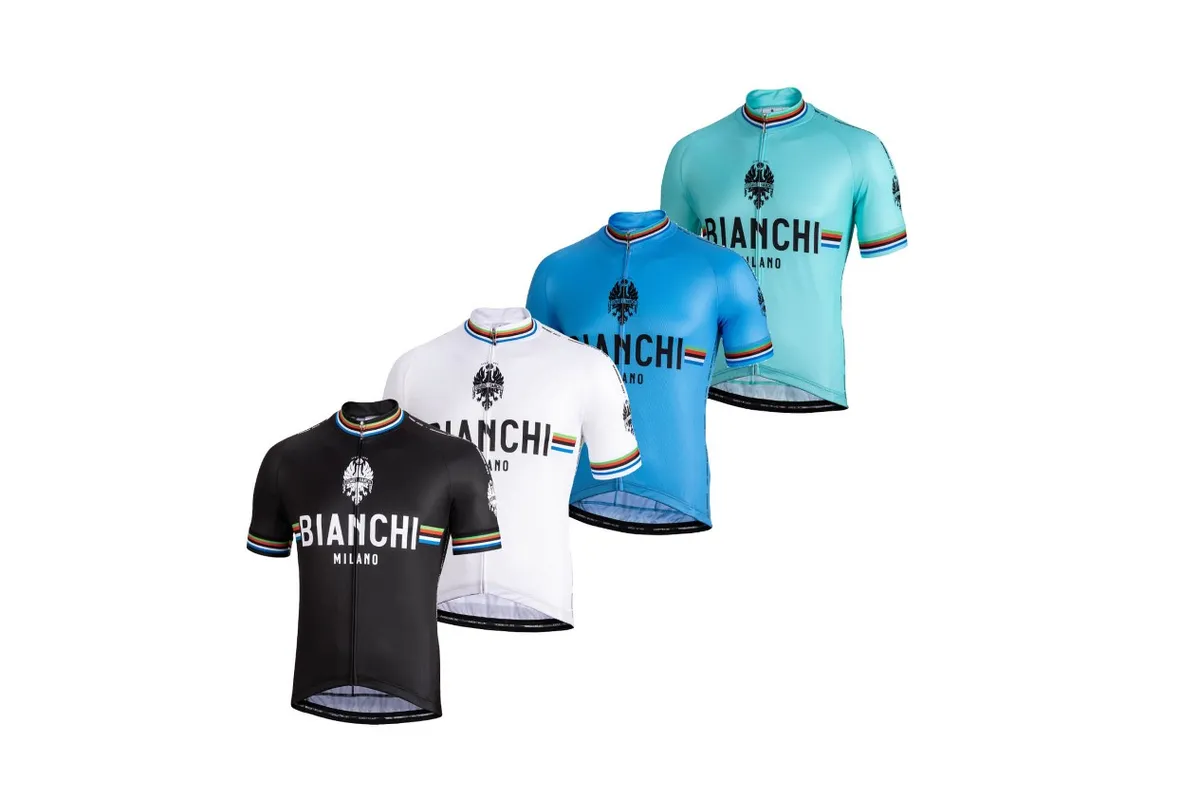
Credit: www.bikeradar.com
Benefits Of Quality Stitching
Quality stitching makes jerseys last longer. Strong seams hold fabric tight. They prevent tearing and wear. This ensures the jersey stays intact. Riders save money on replacements. Durable jerseys withstand long rides and tough conditions.
Good stitching offers a snug fit. It ensures the jersey hugs the body right. No loose threads poke the skin. Riders feel comfortable during races. Neat seams reduce chafing and discomfort. It allows freedom of movement.
Quality stitching reduces air resistance. Smooth seams help cut through wind. Jerseys stay close to the skin. This makes cycling faster and easier. Cyclists gain speed with less effort. It enhances performance on the track.
Popular Stitching Techniques
Flatlock stitching is known for its smooth finish. It joins fabric edges without overlapping. This technique reduces bulk and enhances comfort. Flatlock seams are often seen in sportswear. They prevent chafing during long rides. Flatlock stitching is ideal for stretchy fabrics. It provides flexibility and durability.
Overlock stitching is used for neat edges. It secures the fabric and prevents fraying. This technique is fast and efficient. Overlock seams are popular in cycling jerseys. They offer a professional look and strong hold. Overlock stitching adds elasticity to seams. It is perfect for activewear.
Blind stitching hides the seam from view. It is common in hems and cuffs. This technique creates a seamless appearance. Blind stitching is used for stylish finishes. It maintains the garment’s neat look. Blind stitching is suitable for lightweight fabrics. It gives a clean edge without visible stitches.
Material Choices And Their Impact
Material choices in cycling jersey stitching greatly influence comfort and durability. Different stitching styles offer varied flexibility and breathability, enhancing performance.
Breathable Fabrics
Breathable fabrics help keep cyclists cool. These materials let air flow through. This reduces sweat and heat during rides. Cool air enters, hot air escapes. This feature is great for hot days.
Moisture-wicking Properties
Moisture-wicking fabrics pull sweat away from the skin. This keeps the rider dry and comfortable. Sweat moves to the outer fabric layer. It dries faster, preventing chills. This helps during long rides.
Stretch And Flexibility
Stretchy fabrics allow easy movement. They fit snugly without being tight. This helps in pedaling and steering. Flexible materials adapt to body shapes. Cyclists can move freely in these jerseys.
Credit: www.vistaprint.com
Design Considerations
Panel construction is key in cycling jerseys. Panels offer flexibility and fit. They shape the jersey to the body. Multiple panels mean better movement. Fewer panels can reduce seams, enhancing comfort. The choice affects the jersey’s performance.
Seam placement impacts comfort and durability. Flatlock seams are popular. They prevent chafing and irritation. Strategically placed seams support body movement. Seams should not be on high-pressure areas. This helps in reducing discomfort during cycling.
Color and pattern integration adds style. Bright colors increase visibility on roads. Patterns should align with seams for a clean look. Designers choose colors for aesthetic appeal. Proper integration enhances the overall jersey design.
Customizing Your Cycling Jersey
Choosing the right fit is important for comfort. Some jerseys have adjustable sleeves or waistbands. These features help in achieving a snug fit. A snug fit reduces air drag and enhances speed. Always check the material’s stretchability. Stretchy fabrics allow better movement and flexibility.
Adding logos gives a personal touch. Many cycling teams use custom logos. Logos can be placed on the chest or back. Choose bright colors for easy visibility. Branding helps in showing team spirit. It also makes jerseys look professional.
Colors make your jersey stand out. Bold colors like red or blue catch attention. Some prefer pastel shades for a subtle look. Mixing different colors creates unique patterns. Each color tells a different story. Choose colors that reflect your style.
Care And Maintenance Tips
Explore different stitching styles for cycling jerseys to enhance durability and comfort. Regularly check seams for wear and clean gently to maintain quality.
Proper Washing Techniques
Use cold water to wash your cycling jersey. This helps keep colors bright. Always turn the jersey inside out before washing. It protects the delicate stitching. Avoid using bleach or strong detergents. They can harm the fabric. Choose a gentle cycle on your washing machine. Air drying is best. It keeps the jersey in good shape.
Storage Solutions
Fold your jersey neatly after washing. Store it in a dry place. Hang it if you have space. This helps keep its shape. Avoid direct sunlight when storing. Sunlight can fade colors. Use a garment bag for long-term storage. This keeps dust away.
Repair And Alteration Advice
Check your jersey for any loose threads. Trim them carefully with scissors. Small holes can be fixed with a patch. Use fabric glue for quick fixes. For major repairs, consult a professional. They can sew it properly. This extends the life of your jersey.
Choosing The Right Jersey For Your Needs
Performance jerseyshelp you ride faster. They fit snugly to cut wind. These jerseys use special fabric. It keeps you cool and dry. Some have pockets for snacks. Pockets help on long rides. Choose bright colors for safety. It helps cars see you better.
Casual ride jerseysare loose and comfy. They feel soft against the skin. Perfect for short, easy rides. They come in many fun designs. Some look like your favorite t-shirt. These jerseys are great for family rides. They often have fewer pockets. But, they still hold your keys or phone.
Weather-specific jerseyssuit different climates. Warm jerseys keep you cozy in the cold. They have long sleeves and thicker fabric. Cool jerseys are light and breezy. They help in summer heat. Some are water-resistant. These are good for rainy days. Always check the weather before you ride.

Credit: vintagecycling.shop
Frequently Asked Questions
What Are The Different Types Of Cycling Jerseys?
Cycling jerseys come in various types including race-fit, club-fit, aero, thermal, and sleeveless. Race-fit jerseys are tight for aerodynamics. Club-fit offers comfort for casual rides. Aero jerseys enhance speed and efficiency. Thermal jerseys provide warmth in cold weather. Sleeveless jerseys are ideal for hot conditions.
Choose based on your cycling needs.
What Is Pas Cycling?
PAS cycling is a system where electric bikes assist pedaling. It uses sensors to detect pedal movement. The motor provides power based on pedal speed and force. This enhances biking efficiency and reduces rider fatigue, making cycling easier and more enjoyable for various terrains.
Should You Tuck In A Cycling Jersey?
Cyclists generally don’t tuck in jerseys. Jerseys are designed for aerodynamics and comfort when left untucked. Tucking might restrict movement and airflow. Keep your jersey untucked for optimal performance and comfort during rides.
How Are Cycling Jerseys Made?
Cycling jerseys are made by selecting moisture-wicking fabrics, cutting them into panels, and sewing them together. Designers add zippers, pockets, and elastic bands. They print graphics using sublimation techniques for vibrant colors. Quality control ensures durability and comfort. The final product offers cyclists performance and style.
Conclusion
Choosing the right cycling jersey stitch matters. It affects comfort and performance. Each style offers unique benefits. Flatlock stitching reduces chafing. Raglan sleeves provide better arm movement. Set-in sleeves offer a traditional fit. Consider your cycling needs and preferences. Think about the climate and your riding style.
Quality stitching ensures durability and comfort. It can enhance your cycling experience. Explore different options before buying. Find what suits you best. Enjoy a more comfortable ride. Feel the difference a good jersey makes. Your cycling journey deserves the best gear.
Happy cycling!



