
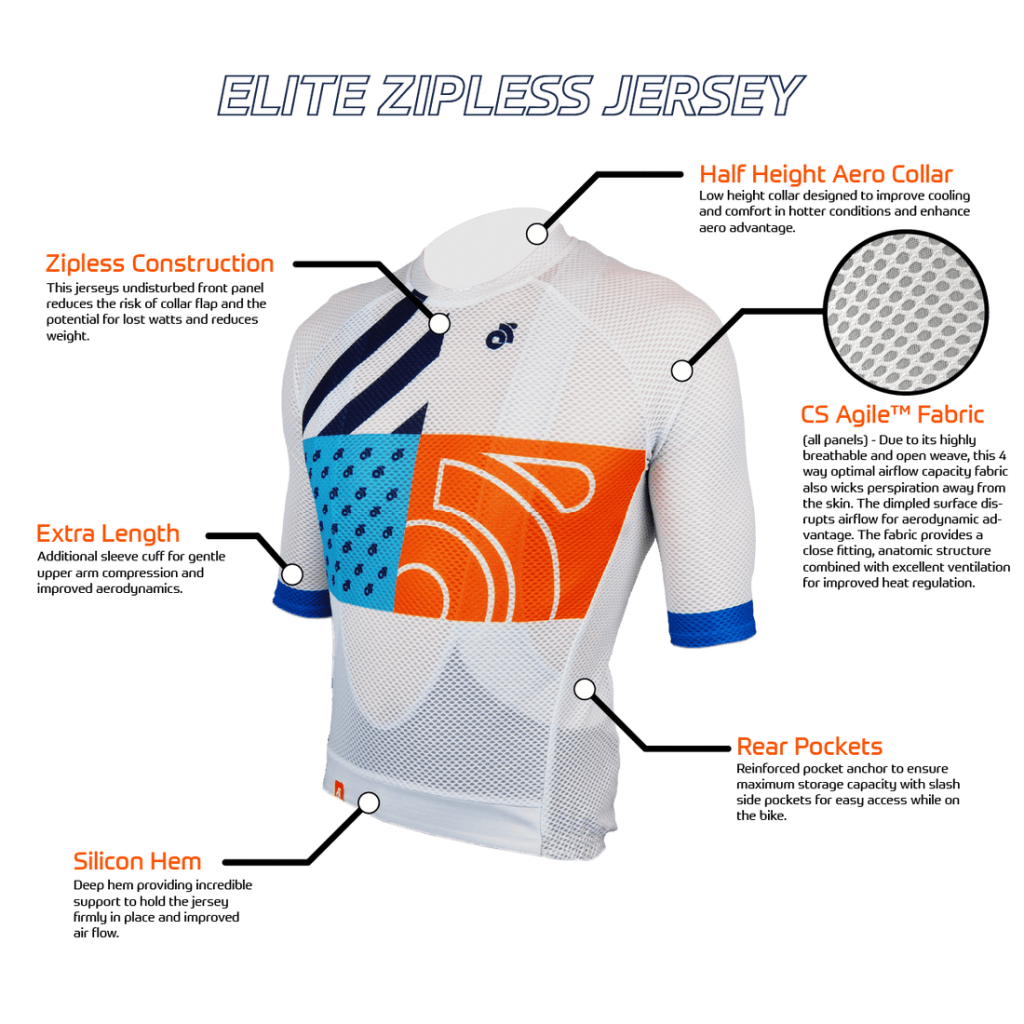
Imagine gliding effortlessly on your bike, feeling the wind against your skin, and the sun warming your back. But wait, is your cycling jersey supporting you the way it should?
The material of your jersey can make or break your biking experience. You deserve gear that not only looks great but enhances your performance. Choosing the right cycling jersey material is crucial for comfort, durability, and breathability. Whether you’re a seasoned cyclist or just starting out, understanding the differences in materials can elevate your ride.
Dive into this comparison to ensure you’re geared up with the best jersey for your needs, and feel the difference in every pedal.
Types Of Cycling Jersey Materials
Cotton and wool are popular natural fabrics for jerseys. Cotton is soft and comfortable. It absorbs sweat but takes time to dry. Wool is warm and breathable. It keeps you dry by wicking away moisture. These fabrics are best for mild weather cycling. They feel good on the skin but might get heavy when wet.
Polyester and nylon are common synthetic materials. They dry quickly and wick sweat away. These materials are lightweight and stretchy. They fit snugly and help reduce wind resistance. Synthetic fabrics are great for all-weather conditions. They keep you cool in the heat and warm in the cold.
Hybrid jerseys mix natural and synthetic fibers. They offer the best of both worlds. These jerseys balance comfort and performance. They are soft like cotton but dry fast like polyester. Hybrid options are versatile and suit different weather conditions.
Breathability And Moisture Management
Breathable jerseyskeep you cool. They allow air to flow. Sweat is wicked away easily. This keeps the skin dry. Moisture managementprevents overheating. It helps in long rides. Performanceimproves with comfort. You ride faster and longer.
| Fabric Type | Breathability | Moisture Management |
|---|---|---|
| Polyester | High | Good |
| Nylon | Medium | Moderate |
| Cotton | Low | Poor |
Durability And Wear Resistance
Cycling jerseys vary in durability and wear resistance. Polyester blends offer robust wear resistance for frequent cyclists. Nylon materials enhance durability, making them ideal for rugged terrains.
Fabric Strength
Different cycling jerseys use various materials. Some materials are stronger than others. Polyester is commonly used. It is strong and lasts long. Nylon is another strong option. It is stretchy and durable. Wool is soft but can be less strong. Choose a jersey that suits your needs.
Abrasion Resistance
Abrasion resistance means how well fabric handles rubbing. Nylon is great at resisting abrasion. It keeps looking new longer. Polyester also resists abrasion well. Cotton jerseys can wear out faster. They may show signs of wear sooner. Pick a fabric that can handle your cycling style.

Credit: www.gq-magazine.co.uk
Comfort And Fit
Choosing the right cycling jersey material impacts comfort and fit. Breathable fabrics keep you cool during intense rides. Stretchable materials ensure a snug fit, enhancing movement and performance.
Stretch And Flexibility
The material should allow easy movement. Stretch fabrics are ideal. They fit snugly and move with your body. Elastic fibers like spandex provide flexibility. Cyclists can pedal without restraint. Proper stretch supports muscle movement. It reduces fatigue during rides. Comfortable jerseys enhance performance.
Seam Construction
Seams must not irritate the skin. Flatlock seams are smooth and prevent chafing. They offer a clean finish. Hidden seams enhance comfort. Cyclists enjoy a seamless feel. Strong seams hold the jersey together. They ensure durability and long-lasting wear. Proper construction is key for comfort.
Weather Adaptability
Choosing the right cycling jersey material is crucial for weather adaptability. Wool offers warmth and breathability, while synthetic fibers excel in moisture wicking. Each material provides unique benefits for varying weather conditions.
Heat Retention
Cycling jerseys must keep you warm in chilly weather. Wool jerseys are great for heat retention. Wool traps heat and keeps you cozy. Fleece-lined jerseys are another option. They offer warmth and soft comfort. Polyester jerseys are less effective in holding heat. Layering can help when wearing polyester. Add a thermal base layer for extra warmth.
Wind And Water Resistance
Wind-resistant jerseys protect you from strong winds. They help maintain body warmth. Look for jerseys with a windproof layer. Water resistance is key for rainy days. Water-resistant jerseys keep you dry during light rain. They have a special coating to repel water. In heavy rain, a waterproof jacket is better. Always check the weather before cycling.
Sustainability And Environmental Impact
Bamboo fabric is kind to nature. It grows quickly and needs less water. Organic cotton is another green choice. It skips harmful chemicals. Recycled polyester gives old plastic a new life. It helps cut waste and pollution. These materials are kind to our planet.
Some factories use less water and energy. This helps our earth stay healthy. Closed-loop systems recycle water in the factory. This means less waste. Factories also try to lower carbon footprints. They use solar and wind power. These practices help keep our air clean.
Popular Brands And Innovations
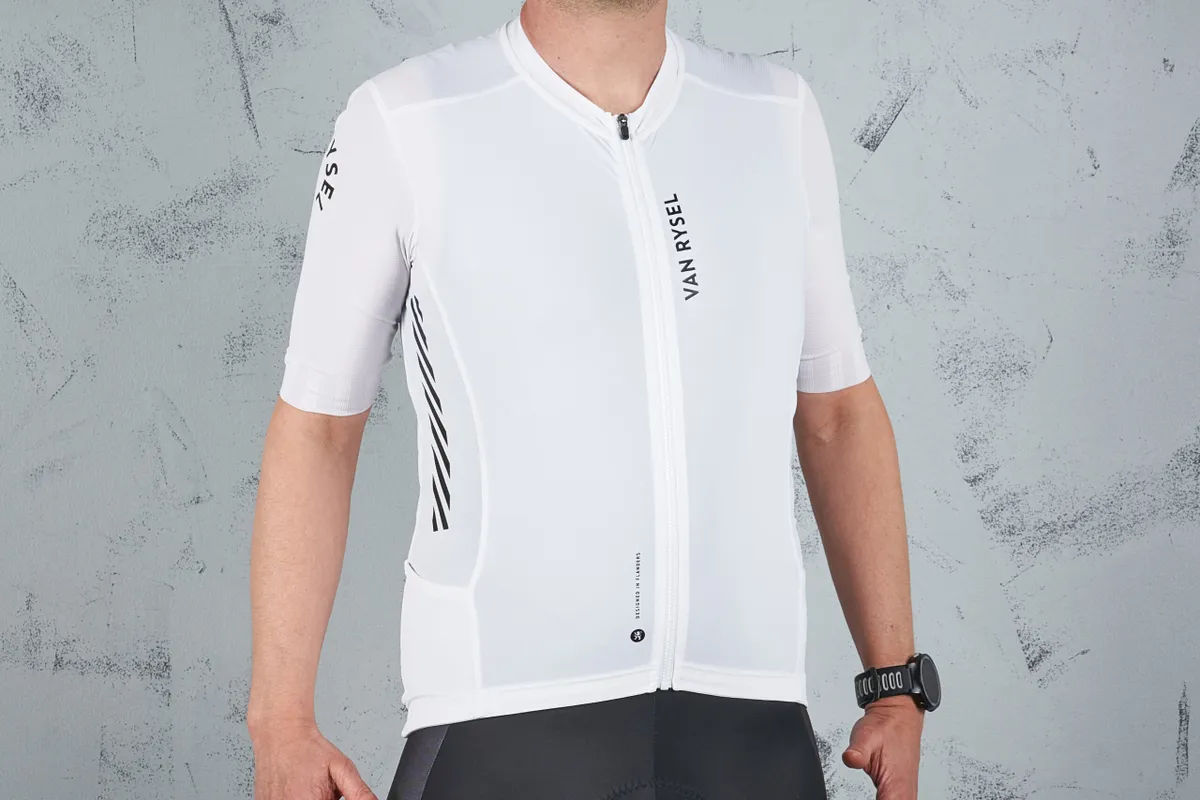
Several brands make jerseys. Nike and Adidas are well-known. Castelli offers unique designs. Rapha focuses on comfort. Pearl Izumi uses advanced fabrics. Each brand has its style. Quality varies among them. Choose based on personal preference. Price and style matter too. Look for durability and fit.
Moisture-wicking is a key feature. It keeps you dry. Breathable fabrics help air flow. Seamless designs reduce irritation. Reflective materials increase safety. UV protection shields from the sun. Antimicrobial treatments stop bad smells. These technologies improve comfort and performance. Always check the label for these features. They make cycling more enjoyable.
Credit: www.bikeradar.com
Choosing The Right Jersey Material
Some like soft and stretchy jerseys. Others prefer breathable and lightweight. Comfort is important for long rides. Colors and designs also matter. Some people pick bright colors. Others choose simple designs. Fit is key too. Some want tight jerseys. Others prefer loose ones. Material affects how it feels. Some fabrics are cooler. Others keep warmth in. Everyone has different likes.
Weather plays a big role. Hot days need cooling fabrics. Rainy days need water-resistant jerseys. Windy days benefit from windproof materials. Terrain matters too. Mountain rides need durable jerseys. Flat roads might need lighter options. Humidity can affect comfort. Some jerseys wick sweat away. Others keep you dry longer. Season changes needs. Winter rides need warm jerseys. Summer rides need breathable ones. Choose based on conditions.

Credit: www.roadbikerider.com
Frequently Asked Questions
What Is The Best Fabric For Cycling Jersey?
The best fabric for cycling jerseys is polyester, as it offers excellent moisture-wicking, breathability, and durability. It keeps cyclists dry and comfortable during rides, enhancing performance. Polyester blends with elastane provide added stretch and flexibility, ensuring a snug fit. This combination is popular among cyclists seeking optimal comfort and functionality.
What Is The Hierarchy Of Cycling Jerseys?
Cycling jersey hierarchy starts with entry-level jerseys for beginners. Mid-range jerseys offer better fabric and fit. High-end jerseys provide advanced features like aerodynamics and superior materials. Professional jerseys are top-tier, designed for elite cyclists.
Is Nylon Or Polyester Better For Cycling Jersey?
Nylon offers better stretch and durability for cycling jerseys, enhancing comfort and fit. Polyester excels in moisture-wicking, keeping cyclists dry and cool. Choose nylon for flexible performance, polyester for efficient moisture management.
What Are The Different Jerseys In Cycling?
Cycling jerseys represent different achievements or roles. The yellow jersey signifies the race leader. The green jersey is for best sprinter. The polka dot jersey is awarded to the best climber, and the white jersey to the best young rider.
Team jerseys are unique to each cycling team.
Conclusion
Choosing the right cycling jersey material boosts your comfort. Each fabric offers unique benefits. Breathability keeps you cool on hot rides. Stretchability enhances movement and fit. Quick-dry materials help during sweaty sessions. Consider weather conditions for selecting suitable options. Polyester blends provide durability and ease of care.
Merino wool excels in temperature regulation. Nylon offers excellent elasticity. Weigh your priorities: comfort, performance, and budget. Test different materials for personal preference. A well-chosen jersey enhances your cycling experience. Ultimately, the best jersey suits your needs and enhances your rides.
Happy cycling with your ideal gear!



