
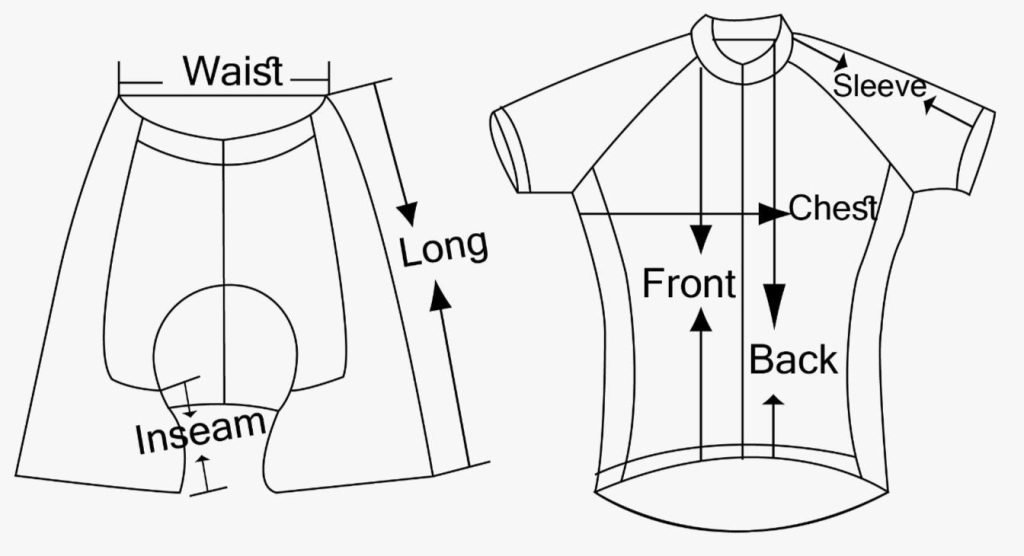
Are you tired of wearing cycling jerseys that feel too tight or too loose? Imagine the freedom and comfort of wearing a jersey that fits just right, enhancing your ride rather than hindering it.
Finding the perfect cycling jersey size can transform your cycling experience, making each ride more enjoyable and efficient. In this guide, you’ll discover simple tips and insights to help you choose the right size. Don’t let an ill-fitting jersey hold you back from achieving your best performance.
Dive into the world of cycling jerseys and unlock the secret to ultimate comfort and style on your bike.
Importance Of Correct Jersey Fit
A well-fitting jersey helps you ride better. It boosts your comfort and performance. A snug jersey reduces air drag. This makes cycling easier and faster. Loose jerseys can flap in the wind. This makes you slower and uncomfortable.
Choose the right size to avoid chafing. Chafing can cause skin irritation. Proper fit ensures your movements are not restricted. A good fit helps in maintaining proper posture. This can prevent back or shoulder pain.
Check the jersey length. It should cover your back when you bend. Always consider the fabric. Some materials stretch more than others. This affects how the jersey fits.
Factors Influencing Jersey Size
Body measurementsare crucial for choosing the right jersey. Measure chest, waist, and hips accurately. Use a tape measure for best results. Ensure the tape is snug but not tight. This helps find a jersey that fits well. A good fit means comfort and performance.
Your cycling styleaffects jersey size. Racers prefer tight, aerodynamic jerseys. Casual riders choose looser fits for comfort. Mountain bikers need durable jerseys. Each style demands different features. Consider your riding habits. Choose a jersey that suits your style.
Fabric stretchabilityimpacts jersey size too. Stretchy fabrics allow more movement. They provide a snug fit without being restrictive. Non-stretch fabrics require precise sizing. Check the fabric type before buying. A stretchy jersey adapts to your body. It offers better flexibility and comfort.
Standard Sizing Charts
Men’s cycling jerseys come in various sizes. Common sizes include Small, Medium, and Large. A Small size typically fits chest measurements of 36-38 inches. Medium sizes are good for chest measurements of 38-40 inches. Large sizes suit chest measurements of 40-42 inches. Always check specific brand charts for exact fits. Measurements can vary by brand.
Women’s jerseys are designed to fit different body shapes. Sizes often range from Extra Small to Large. Extra Small usually fits bust measurements of 31-33 inches. Small fits busts of 33-35 inches. Medium is for busts of 35-37 inches. Large accommodates busts of 37-39 inches. Brand charts can offer precise details. Fit can vary based on design.
Youth jerseys cater to growing children. Sizes often include Small, Medium, and Large. Small sizes fit chest measurements of 26-28 inches. Medium suits 28-30 inches. Large fits 30-32 inches. Consider checking brand-specific charts. Sizes can differ by manufacturer.
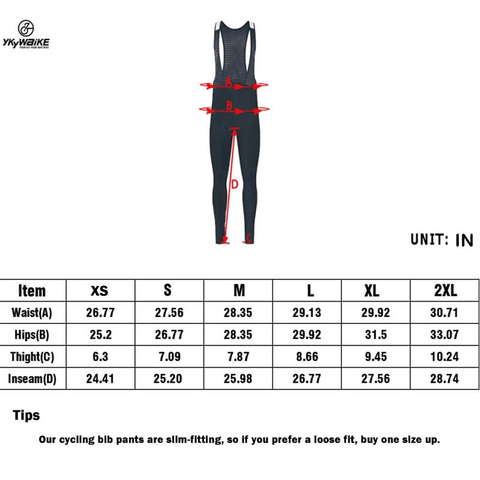
Credit: www.ykywbike.cc
Measuring Your Body
Finding the perfect cycling jersey size ensures comfort and performance. Measure the chest, waist, and hips for accuracy. Compare measurements to the size chart for best fit.
Chest Measurement
Stand straight for an accurate chest measurement. Use a measuring tape around your chest. Ensure the tape is snug but not tight. Measure at the fullest part of your chest. Note the number in inches or centimeters. This helps find the right jersey size.
Waist Measurement
Wrap the tape around your waist. Measure above your belly button. Keep the tape parallel to the floor. Do not hold your breath while measuring. Write down the measurement. This ensures comfort while cycling.
Hip Measurement
Stand with your feet together. Measure the fullest part of your hips. Use a tape that is snug but not tight. Keep the tape level around your body. Record the measurement carefully. This helps in getting the right fit.
Fit Types Explained
Selecting the right fit for a cycling jersey can enhance comfort and performance. Understand the different fit types, such as race, club, and relaxed, to ensure optimal mobility and aerodynamics. Choose a size that complements your body shape and cycling style for a better experience.
Race Fit
Race fit jerseys are snug and tight. They help with aerodynamics. Cyclists wear these to go faster. The fabric is stretchy. It hugs the body closely. This fit is not for everyone. It can feel tight and restrictive. But it’s great for speed lovers.
Club Fit
Club fit jerseys are a bit looser. They offer a comfortable fit. Many cyclists choose this for longer rides. It allows better movement. The fabric is not as tight. But it still looks sleek. Perfect for casual and regular rides.
Relaxed Fit
Relaxed fit jerseys are the most casual. They are very loose and airy. This fit is best for beginners. It’s like wearing a regular T-shirt. There is no tightness at all. Easy to wear and comfy for all day.

Credit: www.facebook.com
Common Fit Issues
A cycling jersey that’s too tight can make you feel uncomfortable. It may restrict movement and cause breathing difficulties. Sweat can also build up, making you feel sticky. Make sure there’s enough room for your arms and chest. This helps you pedal smoothly without feeling squeezed.
A loose jersey can flap in the wind, slowing you down. It might also slide up, exposing your back to the sun. This can lead to sunburn. Ensure the jersey fits snugly around your waist and shoulders. This helps keep your jersey in place while you ride.
Seams can rub against your skin, causing irritation. This is common during long rides. Look for jerseys with flat seams. These are smoother and reduce chafing. Check the seam placement before buying. This ensures a more comfortable cycling experience.
Adjusting For Layering
Adjusting for layering is essential when choosing a cycling jersey size. Consider extra room for base layers or jackets. This ensures comfort and flexibility during rides.
Base Layers
Choosing the right base layeris important. It should be snug but not tight. This helps to wick away sweat. Base layers keep you warm or cool. They fit under your cycling jersey. Pick light materials for summer rides. Choose thicker ones in winter.
Outerwear Considerations
Outerwear should fit over your jersey and base layer. It must allow easy movement. Outer layers protect from wind and rain. They should be lightweight and breathable. Check for pockets and zippers. These features add convenience. Choose bright colors for visibility.

Credit: vintagecycling.shop
Trying Before Buying
Finding the right cycling jersey size ensures a comfortable ride. Try before buying to check fit and comfort. This guide helps you select the perfect size, enhancing your cycling experience.
In-store Fitting
Finding the right cycling jersey size is crucial. Visit a store to try on different sizes. Feel the fabric against your skin. Bend and stretch to check comfort. Ask for help from store staff. They can guide you on the best fit. Remember, not all brands have the same sizes. Always check the label for size details. Trying on jerseys helps in finding the perfect fit.
Online Shopping Tips
Buying jerseys online can be tricky. Check the size chart on the website. Measure your chest and waist carefully. Compare these with the chart. Read customer reviews for insights on fit. Some brands might run small or large. Always consider return policies. This helps if the size is wrong. Look for websites offering free returns. This makes online shopping safer.
Care And Maintenance
Proper care extends the life of your cycling jersey. Regular washing in cold water preserves fabric and fit. Air drying prevents shrinkage and maintains size integrity.
Washing Instructions
Always check the label for specific washing advice. Use a mild detergent to keep the jersey safe. Wash in cold water to protect colors and fabric. Avoid fabric softeners as they can harm the material. Air dry the jersey to maintain its shape. Never use a hot dryer. Heat can shrink the jersey and damage it. Turn the jersey inside out before washing. This protects the design and colors.
Storage Tips
Store your jersey in a cool, dry place. Avoid direct sunlight as it can fade colors. Keep it away from moisture to prevent mold. Hang the jersey on a wide hanger to keep its shape. Avoid folding it to prevent creases. Make sure it is completely dry before storing. Moisture can cause bad smells and damage.
Frequently Asked Questions
How Do I Know My Cycling Jersey Size?
Measure your chest and waist. Compare measurements with the brand’s size chart. Ensure a snug but comfortable fit. Consider trying on different sizes for the best fit. Check reviews for sizing insights.
Should I Size Up Or Down Cycling Jersey?
Choose your cycling jersey size based on fit preference and fabric stretch. Try it on before buying. Brands differ in sizing, so consult their size charts. Opt for a snug fit to reduce drag, but ensure comfort and flexibility for movement.
How Do I Know My Jersey Size?
Measure your chest, waist, and hips using a tape measure. Check the sizing chart provided by the jersey brand. Choose a size that aligns with your measurements. Consider fit preference for a looser or tighter jersey. Always try on the jersey for the best fit confirmation.
What Size Cycling Jersey Do I Need On Reddit?
Check size charts from your jersey brand and measure chest, waist, and hips. Use these measurements to find your fit. Consider fabric stretch and personal preference for snug or loose fit. Read Reddit reviews for brand-specific sizing insights.
Conclusion
Finding the right cycling jersey size is important for comfort. A good fit enhances your ride, helping you move freely. Always measure accurately before buying a jersey. Check different brands’ sizing charts. They can vary. Consider fabric stretch and personal preference.
Try on several sizes if possible. This ensures the best fit. A well-fitted jersey makes your cycling experience more enjoyable. Remember, comfort boosts performance. Happy cycling!



