
Have you ever found yourself frustrated with your bike’s braking performance? You’re not alone.
Rim brakes, when not properly centered, can lead to uneven wear, reduced braking efficiency, and that irritating squeal we all dread. The good news is that centering rim brakes is easier than you might think, and mastering this skill can transform your cycling experience.
Imagine cruising down a hill with confidence, knowing your brakes will respond precisely when you need them. In this guide, we’ll show you simple, step-by-step techniques to ensure your rim brakes are perfectly aligned, enhancing both safety and enjoyment on your rides. Get ready to unlock the secrets to seamless braking and a smoother, more controlled ride.
Tools Needed For Centering Rim Brakes
Having the right tools is important for centering rim brakes. You will need a Allen wrench. This helps in adjusting the brake calipers. A spoke wrenchis also useful. It tightens and loosens the spokes. A torque wrenchensures screws are tight enough. A rulerhelps measure distances. It checks if the brake is centered. Lubricantis needed too. It keeps parts moving smoothly. Cleaning clothwipes dirt off the brakes. This helps them work better. Brake pad alignment toolis used. It helps position the pads correctly.
These tools make the task easier. They ensure brakes work safely. Remember to use each tool properly. This keeps your bike safe. Always check brakes after adjusting. This ensures they are centered and ready.

Credit: www.bikeradar.com
Initial Brake Assessment
Ensuring your rim brakes are centered enhances bike safety and performance. Loosen the brake mounting bolt slightly. Adjust the brake arms evenly around the wheel rim. Tighten the bolt once the brakes are centered to ensure optimal stopping power. Regular checks can maintain consistent brake function.
Check Brake Pad Alignment
Brake pads must be aligned with the rim. Misalignment can cause uneven wear. Look for gaps between pad and rim. Adjust pads if gaps exist. Loosen the pad bolts slightly. Align pads parallel to the rim. Tighten bolts securely after alignment.
Inspect Cable Tension
Cables control brake pressure. Loose cables can cause weak braking. Pull brake lever to test tension. Lever should feel firm, not loose. If loose, adjust cable tension. Loosen the cable clamp. Pull the cable tight. Tighten the clamp securely. Test the brake lever again. Ensure the lever feels firm.
Adjusting Brake Calipers
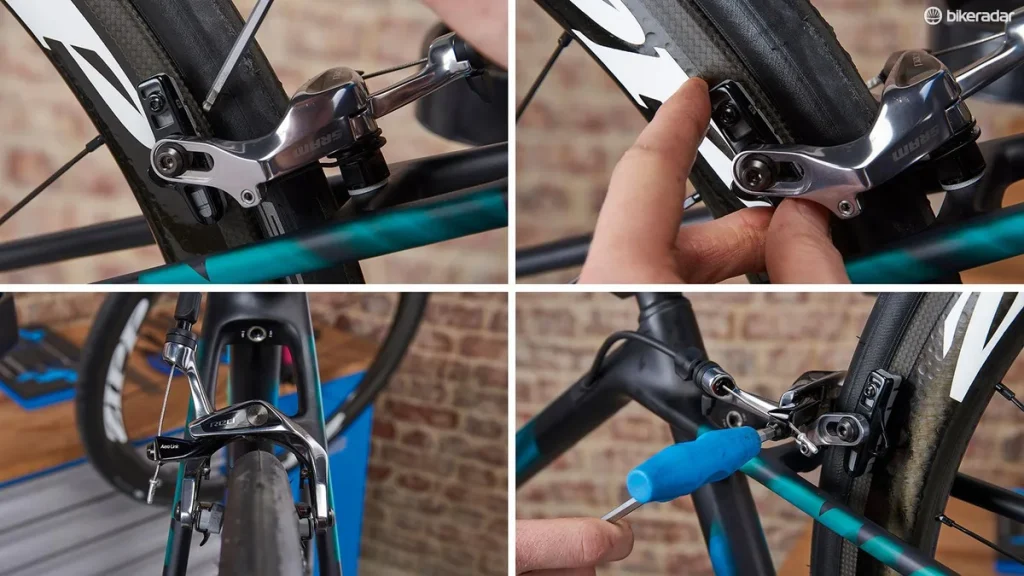
Centering rim brakes involves adjusting brake calipers to ensure even pad contact on both sides of the wheel. Loosen the mounting bolt slightly, then align the caliper by squeezing the brake lever. Tighten the bolt while holding the lever to maintain alignment.
Loosen Caliper Bolts
Start by locating the caliper bolts on your bike. Use a wrench to loosenthese bolts gently. Do not remove them completely. This will allow the brake arms to move freely. Make sure both sides of the caliper are loose enough to adjust. Ensure you have a firm grip while doing this task.
Center The Brake Arms
Once the caliper bolts are loosened, adjust the brake arms. Position them so they are equal distancefrom the rim. This ensures the wheel spins without rubbing. Check the space between the brake pads and rim. Make sure it is even on both sides. Tighten the caliper bolts once centered. Ensure the brake arms remain steady and balanced.

Credit: www.bikeradar.com
Aligning Brake Pads
Adjusting brake pads properly ensures safe and efficient braking. Loosen the brake caliper bolt slightly and align the pads evenly on both sides of the wheel rim. Tighten the bolt securely, checking that the pads don’t touch the rim when not engaged.
This simple process improves braking performance significantly.
Positioning The Brake Pads
Make sure the brake pads are level with the rim. They should be close but not touching the tire. Leave a tiny gap between the pad and rim. Adjust so the pad hits the rim’s center. Use a spanner to move the pad up or down. Check both sides to ensure they are even.
Securing Brake Pads
Keep the pads in place with a firm grip. Tighten the bolts using a wrench. Ensure they are secure but not too tight. Check the pads are aligned with the rim. Press the brake lever to test. The pads should touch the rim smoothly. Adjust if they rub or squeak.
Fine-tuning Brake Tension
First, check the brake cable. Make sure it’s not too tight or loose. Use a wrench to adjust the cable bolt. Turn it slowly to change tension. Test the brake lever by squeezing it. The brake pads should move evenly. If one pad moves more, adjust again. Ensure both pads touch the rim. This helps in stopping safely. Check the cable for wear. Replace if it looks frayed or damaged. A good cable ensures smooth braking.
Press the brake lever gently. The bike should stop smoothly. Listen for any strange sounds. Squeaking means the pads might need cleaning. Check if the bike stops in a straight line. If it doesn’t, adjust the brakes. Make sure the wheel spins freely after releasing the lever. This shows the brakes are not rubbing. Proper testing ensures safety on the road.
Troubleshooting Common Issues
Centering rim brakes can enhance your biking experience. Adjust the brake pads so they sit evenly on the rim. Ensure the cable tension is balanced for optimal performance.
Dealing With Squeaky Brakes
Squeaky brakes can be annoying. Dirt and dust cause the noise. Clean the brake pads with a damp cloth. Make sure they are dry before using. Check if the pads are worn out. Replace them if needed. Sometimes, the brakes need a little oil. Use a special brake oil. But only a small drop. Never use regular oil. It makes the brakes slippery. If the noise continues, check the brake alignment. Adjust the brake arms. Ensure they are straight and centered.
Fixing Uneven Brake Wear
Uneven brake wear can be a problem. Check the brake pads first. Make sure they touch the rim evenly. If not, adjust the brake arms. Loosen the brake bolt slightly. Move the pad until it is even. Tighten the bolt again. Spin the wheel to check alignment. If one side wears more, change the pads. Sometimes, the rim can be bent. True the wheel if needed. This helps the brake pads wear evenly.
Maintenance Tips For Rim Brakes
Center rim brakes by loosening the mounting bolt and adjusting the brake arms equally. Ensure pads are parallel to the rim and tighten the bolt securely. Check brake lever response and adjust cable tension if necessary for optimal performance.
Regular Cleaning And Inspection
Keep your rim brakes clean for better performance. Dirt can make brakes less effective. Use a soft cloth to wipe the rims. Inspect the brake pads regularly. Look for cracks or damage. Make sure the pads align with the rims. Check the brake cables for wear or fraying. Replace cables if damaged. Good brakes keep you safe.
Replacing Worn Brake Pads
Brake pads wear out over time. New pads ensure better stopping power. Look for thin or uneven pads. Replace them to keep brakes working well. Remove old pads carefully. Fit new pads in their place. Make sure they align correctly. Test brakes after replacing pads. Proper brakes give you control.

Credit: www.reddit.com
Frequently Asked Questions
How To Center Brake Calipers?
To center brake calipers, first loosen the caliper mounting bolts. Squeeze the brake lever firmly, then tighten the bolts evenly. Ensure the rotor is centered between the brake pads. Spin the wheel to check for any rubbing. Adjust as necessary for optimal alignment.
How To Center Side Pull Brakes?
Center side pull brakes by loosening the mounting bolt. Adjust the brake arm evenly on both sides. Tighten the bolt securely. Test the brakes for alignment and adjust as needed. Ensure equal pad contact with the rim for effective braking.
Regularly check for wear and proper alignment for safe cycling.
How To Center Direct Mount Brakes?
To center direct mount brakes, first loosen the mounting bolt slightly. Adjust the brake caliper until it’s centered over the wheel rim. Tighten the mounting bolt securely while ensuring the brake pads are equally distanced from the rim. Check alignment and adjust as necessary for optimal performance.
How To Recenter Disk Brakes?
Loosen the caliper bolts slightly. Squeeze the brake lever to align the caliper. Tighten the bolts evenly. Spin the wheel to check alignment. Adjust if needed. Ensure the rotor spins freely without rubbing.
Conclusion
Centering rim brakes is crucial for smooth and safe biking. Follow these simple steps for effective alignment. Keep your tools handy and check brake pads regularly. Ensure the wheel spins without rubbing. This prevents wear and enhances performance. Practice makes perfect, so don’t worry if it takes time.
Enjoy a balanced ride with well-aligned brakes. Remember to maintain them routinely for lasting efficiency. Your bike will thank you with better performance. Happy biking and stay safe on the road!



