
Ever find yourself wondering why your bike tires slip during a ride? You’re not alone.
Tire grip is crucial for ensuring a smooth, safe, and enjoyable cycling experience. Whether you’re navigating wet roads or rugged trails, enhancing your bike tire grip can make all the difference. Imagine the confidence you’ll feel speeding down a hill or taking on sharp turns with ease.
You’ll discover simple yet effective ways to boost your tire grip, ensuring every ride is a secure adventure. Dive in, because better grip means a better ride, and who wouldn’t want that?
Credit: www.cyclingweekly.com
Choosing The Right Tire
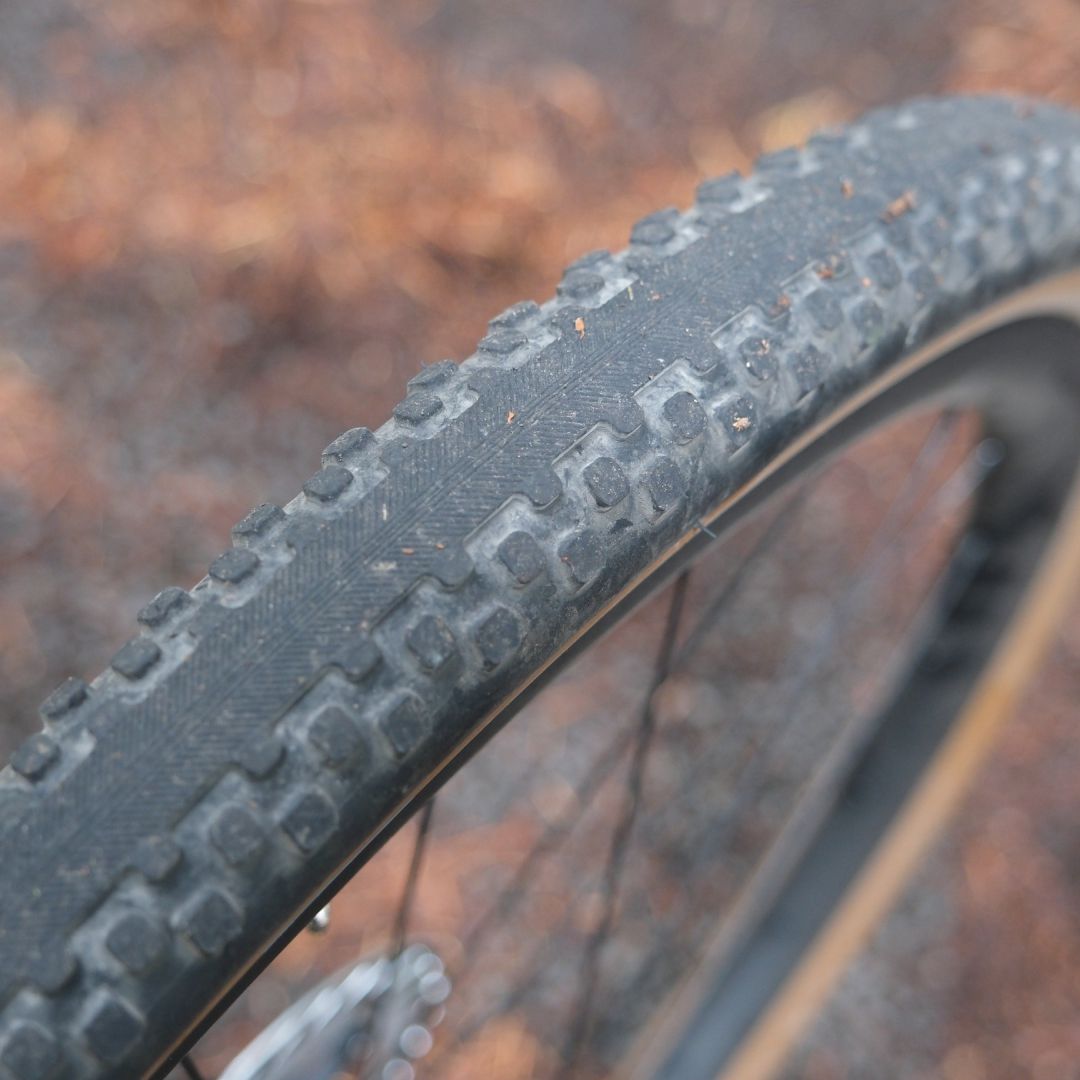
Selecting the right tire can boost bike tire grip effectively. Choose tires with a suitable tread pattern for the terrain. Ensure proper inflation levels to maintain optimal contact with the ground.
Tread Patterns
Tread patternsare very important for tire grip. They help your bike stick to the ground. Different patterns work best for different surfaces. A smooth tread is best for city roads. A rough tread is better for rocky paths. Choose the right tread for your ride.
Rubber Compounds
Rubber compoundsaffect how your tire grips the road. Softer rubber grips better but wears out fast. Harder rubber lasts longer but grips less. Balance is key. Find a tire with the right mix. This helps you ride safer and longer.
Tire Width Considerations
Tire widthchanges how your bike handles. Wider tires grip well. They are good for rough paths. Narrow tires are faster on smooth roads. Choose the width that suits your ride. Make sure your bike frame fits the tire width.
Credit: www.michelin.ca
Adjusting Tire Pressure
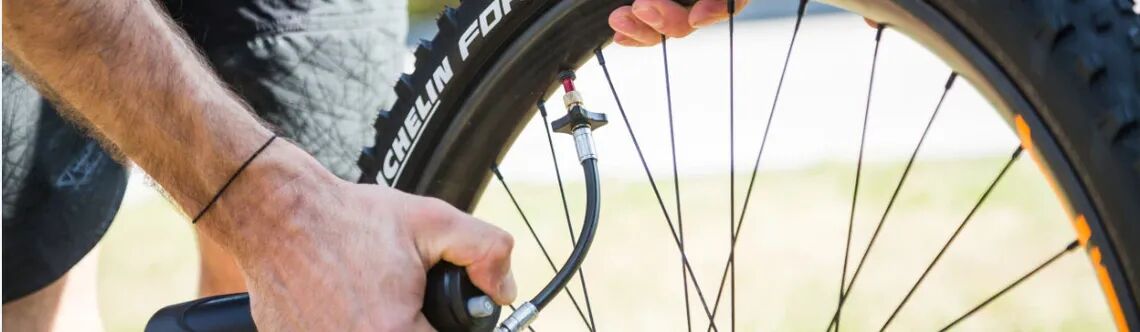
Adjusting tire pressure can significantly boost bike tire grip on various surfaces. Lower pressure increases surface contact, enhancing traction and stability. Properly inflated tires adapt better to road conditions, ensuring a safer ride.
Optimal Pressure Levels
Finding the right tire pressure is key for good grip. Too much pressure makes tires hard. Hard tires slip easily. Too little pressure makes tires soft. Soft tires wobble and slow you down. Use a pressure gauge to check levels. Aim for the recommended pressure on your tire’s side.
Impact Of Weather Conditions
Weather changes how your bike grips. Wet roads are slippery. Lower tire pressure helps grip in rain. Hot weather can increase tire pressure. Check and adjust pressure on sunny days. Keep your bike safe and steady.
Balancing Comfort And Grip
Comfort and grip are important for a good ride. Too much grip makes tires hard. Hard tires feel every bump. Too little grip makes tires soft. Soft tires are slow. Find a balance for a smooth and safe ride. Adjust pressure to match your needs.
Regular Tire Maintenance
Check your bike tires for any signs of wear. Look for cracks, cuts, or bald spots. These can reduce grip and cause accidents. Always ensure the tire tread is visible. A good tread helps in better traction. If the tread is worn out, it’s time for a change.
Keep your tires clean from dirt and debris. Use a soft brush to scrub the tires gently. Remove any stuck stones or sharp objects. Clean tires grip the road better. Dirty tires can slip easily, especially in wet conditions.
Replace tires regularly for safety. Old tires become hard and lose grip. A fresh tire ensures a smoother ride. Always choose the right size for your bike. Check the tire pressure often. Proper pressure keeps tires in good shape.
Riding Techniques For Better Grip
Enhancing tire grip involves choosing the right tires for your bike. Consider tire pressure adjustments for optimal performance. Regularly check tire tread and maintain proper inflation to ensure safety. Riding techniques like smooth cornering and controlled braking can also boost grip.
Cornering Skills
Focus on smooth movements. Lean into the turn gently. Keep your eyes on the path ahead. Adjust your speed before entering the corner. Maintain a steady pace through the turn. Avoid sudden movements. Practice makes perfect.
Braking Methods
Use both brakes for balance. Apply the rear brake first. Then gently squeeze the front brake. Avoid slamming the brakes. Keep your weight centered. Feel the bike’s response. Adjust pressure as needed. Understand your bike’s limits.
Weight Distribution
Shift your weight forward when climbing hills. Lean back slightly when descending. Keep your body relaxed. Balance your weight evenly on both wheels. Avoid sudden shifts in body position. A balanced rider is a safe rider.
Advanced Grip Accessories
Enhance bike tire grip with advanced grip accessories. These tools improve traction, ensuring safer rides on slippery surfaces. Choose from a range of options to fit your bike’s needs.
Grip-enhancing Add-ons
Adding special parts to your bike can help. These parts give better grip. Handlebar grips are very useful. They stop your hands from slipping. Pedal grips are also important. They keep your feet in place. Tire treads are another great add-on. They help the bike stick to the ground. These add-ons are easy to find and use. They make your ride safer and more fun.
Technology Innovations
Technology makes bike tires better. New materials are used for stronger tires. These materials don’t wear out quickly. Some tires have special patterns. These patterns help in wet conditions. Sensors are sometimes used in tires. They tell if the tire is losing grip. Smart designs improve bike safety. These innovations are available in many stores.
Safety And Performance
Safety is very important for biking. Good tire grip helps in keeping safe. It also makes biking more enjoyable. Better grip means less chance of falling. A strong grip helps in turning corners. It also helps in stopping quickly. Performance improves when safety is ensured. This is why grip is so important.
Environmental Considerations
Enhancing bike tire grip involves checking tire pressure and choosing the right tread pattern. Consider road conditions and weather for better traction. Regular maintenance ensures safety and performance on all surfaces.
Terrain Types
Tire gripchanges with different terrain types. Rocky paths demand strong tires. Sandy areas need tires that don’t sink. Muddy ground requires deep tread patterns. Smooth roads need less aggressive grip. Choose tires based on your riding surface. This helps maintain control and safety.
Seasonal Adjustments
Winter brings icy roads. Use tires with better traction. Summer means dry, hot surfaces. Use softer tires for comfort. Spring and fall have mixed conditions. Check tire pressure regularly. Adjust tires for seasons. Ensure safe rides all year.
Adapting To Wet Conditions
Wet roads are slippery. Choose tires with deep grooves. These help water escape. Reduce speed in rain. Avoid sudden turns or stops. Keep tires clean from mud. Check tire pressure often. Safety improves with proper tire care.
Credit: www.michelin.ca
Frequently Asked Questions
How To Make Tires More Grippy?
Improve tire grip by regularly checking and maintaining proper air pressure. Choose tires with softer rubber compounds for better traction. Ensure tires have adequate tread depth and rotate them frequently. Consider seasonal tires for specific weather conditions. Keep tires clean to enhance their contact with the road surface.
How To Increase Traction On A Bike?
Increase traction by using wider tires, lowering tire pressure, and ensuring proper tire tread. Keep the bike well-maintained, clean, and lubricated. Adjust suspension settings for better grip. Ride on suitable surfaces and improve riding techniques for enhanced control.
How To Make Tires Not Slippery?
Clean tires regularly and ensure they are properly inflated. Use tire traction sprays for better grip. Replace worn-out tires promptly to maintain safety. Consider using winter tires for enhanced traction on icy roads. Regularly check tire tread depth to avoid slipperiness.
Why Are My Tires Not Gripping?
Tires may not grip due to worn tread, incorrect pressure, or poor road conditions. Check for tire damage and ensure proper inflation. Consider weather factors like rain or ice, which can reduce traction. Regular maintenance and quality tires can improve grip and ensure safer driving.
Conclusion
Improving bike tire grip enhances your ride safety and enjoyment. Focus on regular maintenance for optimal performance. Check tire pressure weekly. Inspect tread for wear and replace when necessary. Choose tires designed for your riding conditions. Adjust riding technique in wet or uneven terrain.
Practice smooth braking and cornering. Consider upgrading to wider tires for better grip. These steps ensure safer, more reliable rides. Enjoy cycling with confidence. Simple actions lead to big improvements in your biking experience. Stay safe and ride on!



