
You’ve been looking forward to that invigorating bike ride all week, but just as you’re about to set off, you notice something’s off—a flat tire. This setback doesn’t have to derail your plans.
Knowing how to repair a punctured bike tire can save your day and keep the adventure rolling. Imagine the freedom of fixing a flat tire on your own, anytime and anywhere. Empower yourself with the knowledge and skills to tackle this common issue.
Stay with us, and you’ll learn simple, step-by-step techniques that ensure you get back on the road quickly. Dive in, and discover how you can transform a frustrating experience into a valuable skill.

Credit: www.amazon.com
Tools And Materials Needed
Repairing a bike tire needs some important tools. A tire leverhelps remove the tire. You will need a patch kitto fix the hole. A pumpis required to refill air. Make sure the pump fits your tire valve. Some bikes need a wrenchto remove the wheel. Check if your bike needs one.
A markeris useful to find the hole. You may need a bucket of waterto locate the leak. Water helps find bubbles from the hole. Having a clothis handy for cleaning. Keep all tools close to avoid delay.
Prepare a workspaceto keep everything organized. A flat surface is best for repairs. Be sure to have enough light in your workspace. Good lighting helps you see clearly.
Preparing The Bike
Fixing a punctured bike tire involves several steps. First, remove the wheel and deflate the tire. Next, locate the puncture and use a patch kit to seal it. Finally, re-inflate the tire and reattach the wheel. This simple process ensures a smooth ride.
Positioning The Bike
Begin by finding a safe spot. Ensure the ground is flat and stable. This prevents the bike from falling. Use a bike stand if available. It helps keep the bike upright. Make sure there’s enough light to see clearly. Always keep tools nearby for easy access.
Removing The Wheel
- Loosen the nuts holding the wheel.
- Use a wrench for a tight nut.
- Lift the bike slightly to free the wheel.
- Slide the wheel out gently.
- Keep the nuts in a safe place.
- Check the tire for damage.
Finding The Puncture
Spot the puncture by inflating the tire and listening for hissing. Submerge in water to find bubbles escaping.
Inspecting The Tire
First, carefully remove the wheel from the bike. Check the tire for any sharp objects. Glass shards or nails might be stuck in the rubber. Look for visible signs of damage. Cuts or scrapes are clues to the puncture spot. Spin the tire slowly to inspect every inch. Feel the surface with your fingers for any bumps or holes.
Locating The Leak
Inflate the tire to find the leak. Listen for a hissing sound. It points to the puncture location. If you can’t hear anything, mix water with soap. Spread it on the tire’s surface. Bubbles will form at the leaking spot. This simple trick helps in spotting hidden punctures. Mark the location with a pen or chalk. This ensures you can easily find it later.
Patching The Tire
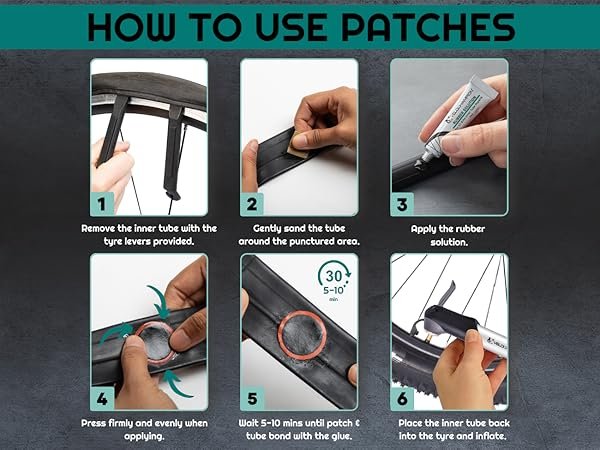
Repairing a punctured bike tire involves locating the hole, cleaning the area, and applying a patch securely. Ensure the patch adheres well to prevent air leaks. Reinflate the tire to check for any remaining issues.
Cleaning The Area
Find the hole on the tire. Use a wet clothto clean the area. Make sure to remove dirt and grease. This helps the patch stick better.
Applying The Patch
Take the patch kit. Apply glue around the hole. Wait until the glue is sticky. Place the patch over the hole. Press firmly for a few minutes. Check that the patch is secure.
Reinstalling The Wheel
Fixing a punctured bike tire involves removing the wheel, finding the hole, and patching it. Carefully check the tire for sharp objects, then use a patch kit to seal the puncture. Finally, reassemble the wheel, ensuring the tire is properly inflated for a smooth ride.
Securing The Tire
Make sure the tire is fully inflated. This helps it fit well. Check that the inner tube is not pinched. A pinched tube can cause a flat again. Align the tire with the wheel rim. Use your hands to press the tire onto the rim. Ensure it sits evenly on both sides. Do not use sharp tools. They might damage the tube. Double-check that the valve is straight. This prevents air leaks.
Reattaching The Wheel
Place the wheel back into the bike frame. Ensure the chain is aligned with the gears. Hold the wheel steady. Tighten the nuts or quick-release lever. Make sure the wheel spins freely. Test the brakes to ensure they work. Check that the wheel is secure. Give it a gentle spin. It should not wobble. This ensures a safe ride.

Credit: www.youtube.com
Testing The Repair
Testing the Repair Ensure your bike tire is properly fixed by inflating it and checking for air leaks. Spin the wheel and listen for hissing sounds. A successful repair should hold air without losing pressure.
Inflating The Tire
Use a pump to add air to the tire. Make sure it is firm but not too hard. Check the pressure with a gauge if you have one. Proper air pressure is key for a good ride.
Checking For Leaks
Fill a bucket with soapy water. Gently roll the tire through the water. Look for bubbles. Bubbles mean there is a leak. If you see bubbles, the repair did not work. Try to fix it again.
Tips For Preventing Future Punctures
Regularly check your bike tires for embedded debris to prevent future punctures. Ensure proper tire inflation to minimize risks. Consider using tire liners for added protection.
Regular Maintenance
Regular checks keep your bike safe and sound. Always inspect the tires for any sharp objects. Remove small stones or glass pieces. Check tire pressure often. Low pressure can cause more punctures. Keep your bike clean and free of dirt. Dirt can hide sharp objects. Lubricate the chain to keep it smooth. A well-maintained bike rides better and lasts longer.
Choosing Durable Tires
Select tires that are strong and tough. Look for puncture-resistant materials. Some tires have extra layers to stop sharp objects. Check the tire tread before buying. Deep treads offer better grip and protection. Consider thicker tires for more durability. Thicker tires can handle rough roads easily. Always choose the right tire size for your bike.

Credit: www.youtube.com
Frequently Asked Questions
Can A Punctured Bike Tire Be Repaired?
Yes, a punctured bike tire can be repaired. Use a patch kit to seal the hole. Ensure the tire is clean before applying the patch. Properly inflate the tire after repair. Regularly check for any leaks to maintain safety. Repairing is cost-effective and extends tire lifespan.
Can You Fix A Bike Puncture Without Removing The Wheel?
Yes, you can fix a bike puncture without removing the wheel. Use a puncture repair kit. Locate the puncture, deflate the tire, and apply the patch. Ensure it’s secure, inflate the tire, and check for leaks. This method is quick and convenient, saving time and effort.
What Can You Use To Fix A Hole In A Bike Tire?
Use a bike tire patch kit to fix a hole. Clean the area, apply adhesive, and press the patch. Ensure a proper seal for effective repair. Alternatively, a tire sealant can temporarily fix small punctures. Replace the inner tube if the damage is extensive for a long-term solution.
How To Mend A Bicycle Puncture At Home?
To mend a bicycle puncture, locate the hole and deflate the tire. Remove the tire and tube, then patch the hole using a repair kit. Reinflate the tire and ensure the patch is secure. Reassemble everything back on the bike.
Conclusion
Repairing a punctured bike tire is simple and doable. Follow the steps carefully. Gather necessary tools and materials first. Identify the puncture by inspecting the tire. Use a patch or replace the tube. Inflate the tire and check for leaks.
A well-repaired tire ensures safe and smooth rides. Keep your bike in good shape regularly. Practice makes it easier each time. Remember, maintaining tires extends their lifespan. Enjoy cycling without unexpected stops. Happy riding with your fixed tire!



