
Imagine you’re setting off on a thrilling bike tour, ready to explore new landscapes and immerse yourself in the beauty of the world around you. But wait—before you pedal away, there’s one crucial decision that could make or break your adventure: choosing the right tires.
The tires you select will be your trusty companions, carrying you smoothly over asphalt, gravel, and everything in between. Are you confident in your choice? Picking the perfect tires involves more than just grabbing the first set you see. It’s about understanding your needs, the terrain, and how to ensure your ride is as comfortable and safe as possible.
In this guide, you’ll discover the secrets to selecting tires that will enhance your journey, offer reliability, and keep you rolling effortlessly. So, are you ready to make informed choices that will transform your biking experience? Dive in, and let’s get you equipped for the ride of a lifetime!
Choosing The Right Tire Size
Tires have numbers on the side. These numbers tell size. Width and diameter are the key parts. Width is how wide the tire is. Diameter is how tall the tire is. Measure the width in millimeters. Measure the diameter in inches. Check your bike to know the right size. Tires that are too big or small won’t fit.
Wide tires give more grip. They are good for rough roads. Narrow tires are faster on smooth roads. Diameter affects how the bike rolls. Big diameter tires roll easier. Small diameter tires are lighter. Choose based on your biking path. Think about comfort and speed. Pick tires that balance these needs.
Tire Tread Patterns
Choosing the right tire tread pattern is crucial for bike touring. Opt for wider tread for stability on rough terrains. Smooth tread suits paved paths for efficient speed.
Evaluating Different Tread Designs
Bike tires come with different tread designs. Some have smooth treads, while others have deep treads. Smooth treads are good for city roads. They roll fast and make less noise. Deep treads are better for dirt paths. They grip the ground well.
Selecting Treads For Various Terrains
Choose treads based on the terrain you ride. For paved roads, smooth treads are best. They help with speed and comfort. For rocky or muddy paths, deep treads are better. They offer more control and safety. Mixed terrains need hybrid treads. These are good for both paved and rough paths.
Durability And Puncture Resistance
Durability and puncture resistance are crucial for bike touring tires. Strong materials help tires withstand rough terrains. Choose tires with reinforced layers to reduce the risk of punctures and ensure a smooth journey.
Materials That Enhance Durability
Strong tires use materials like kevlarand aramid. These materials make tires last longer. Rubber compounds add more protection. They stop tires from wearing out fast. A good tire can handle rough roads and sharp rocks. This keeps you safe on long rides.
Features To Prevent Flats
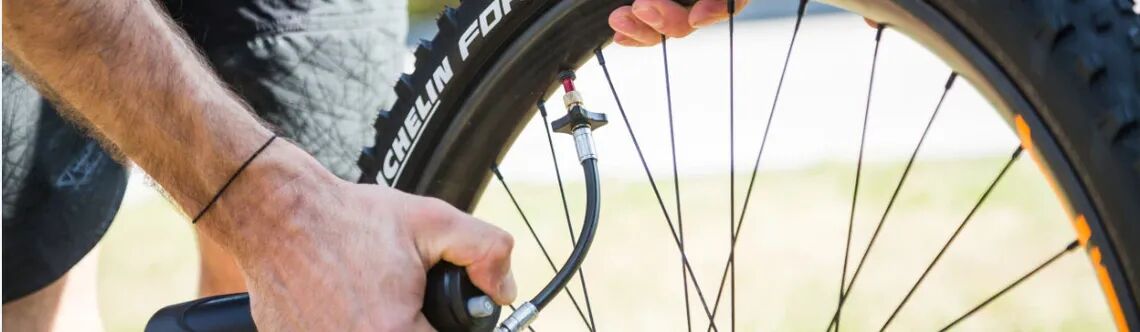
Tires with thick layers resist punctures. They have extra protection inside. Some tires use special fluids. These seal small holes quickly. Tread patterns also help. Deep treads grip the road better. This keeps tires from slipping. Check tire reviews before buying. Choose those with strong safety features.
Credit: www.michelin.ca
Weight Considerations
Choosing the right tires for bike touring involves considering weight factors carefully. Lighter tires enhance speed and efficiency on long rides. Balancing weight and durability ensures a smoother journey across varied terrains.
Impact Of Tire Weight On Performance
Tire weightaffects how a bike moves. Heavier tires can slow you down. They need more energy to pedal. Lighter tires roll faster on the road. They help the bike feel quick and nimble. But sometimes, light tires wear out faster. They might not last long on rough paths.
Finding A Balance Between Weight And Durability
Choosing the right tire is important. You want it to last and be easy to ride. Strong tires are often heavier. They handle rough roads better. Lighter tires might not be as strong. They can get holes more easily. Think about where you will ride. Pick a tire that suits your needs. Balance is key for a good ride.
Rolling Resistance And Speed
Selecting the right bike tires can enhance your touring experience. Consider tires with low rolling resistance for smoother rides and better speed. They make long distances easier and more enjoyable.
How Rolling Resistance Affects Touring
Rolling resistance is how hard it is for tires to roll. Less resistance means your bike is easier to pedal. This is important for long trips. Thicker tires can have more resistance. They slow you down. Thin tires roll easier but might not be as comfy. Choose wisely for a balance.
Optimizing Tires For Speed
To go fast, pick tires with smooth treads. This helps them roll quicker. Check for high-pressure tires. They are good for speed. But they can be bumpy. Wide tires can be slower but more stable. Always consider your trip needs. Speed or comfort?
Climate And Weather Adaptability
Choosing the right tires for bike touring is crucial for adapting to various climates and weather conditions. Consider durability, tread patterns, and material suited for both wet and dry terrains. This ensures a safe and comfortable journey, regardless of the weather.
Choosing Tires For Wet Conditions
Wet roads can be slippery and dangerous for bikers. Tires with better grip are crucial in rainy weather. Look for tires with deep treads. They help push water away. This helps the tire stick to the road. Rubber compounds in tires matter too. Soft rubber grips better on wet roads. Make sure the tire fits your bike well. Check the width and size. Safety is important!
Performance In Extreme Temperatures
Extreme hot or cold affects tire performance. Hot weather can make tires soft. Soft tires wear out fast. Choose heat-resistant tires for hot climates. In cold areas, tires can get hard. Hard tires may slip. Winter tires stay soft in cold weather. They grip the road better. Always check tire pressure. It changes with temperature. Safe tires make a big difference.
Budget-friendly Options
Finding the right tire brand for your bike matters. Some brands offer great tires without breaking the bank. Schwalbe, Continental, and Kenda are popular choices. These brands focus on durability and performance.
Cheaper tires can still be good. The key is to balance cost and quality. Look for tires with strong grip and puncture resistance. A little research goes a long way. Reading reviews helps make a smart choice. Ensure the tire fits your bike’s needs. Quality doesn’t always mean expensive. Affordable options exist that last long. Choose wisely, and enjoy your ride!
Credit: crazylennysebikes.com
Maintenance And Longevity
Choose durable tires to ensure a smooth bike touring experience. Regular maintenance extends tire life and prevents unexpected breakdowns. Consider weather-resistant options for varied terrains and climates.
Tips For Extending Tire Life
Regular checkshelp tires last longer. Inspect for cuts and wear. Check the tire pressure weekly. Proper pressure ensures a smooth ride. Under-inflated tires can wear out fast. Keep tires clean from dirt and debris. Clean tires roll better and last longer.
Rotate tires if you can. This ensures even wear. Replace tires when they are too old or worn out. Old tires might not be safe for long rides. Carry a patch kit for emergencies. It helps fix small punctures quickly.
Routine Checks And Maintenance Practices
- Inspecttires for cracks and damage.
- Check air pressure often.
- Keep tires clean from mud and rocks.
- Use a tire gauge to monitor pressure.
- Rotate tires to balance wear.
- Replace tires that look worn out.

Credit: www.reddit.com
Frequently Asked Questions
What Is The Best Tire For A Touring Bike?
Schwalbe Marathon Plus tires are highly recommended for touring bikes. They offer excellent puncture resistance and durability. These tires provide a comfortable ride on various surfaces, ensuring reliable performance during long tours. Consider tire size and tread pattern based on your specific touring needs.
What Size Tires Are Best For Bikepacking?
Choose tires between 2. 2 to 2. 6 inches wide for bikepacking. They offer stability and grip on varied terrains. Opt for tubeless tires to reduce punctures. Consider tread patterns based on terrain—knobby for rough trails, smoother for paved roads.
Tire size also depends on personal comfort and bike compatibility.
Do Pro Riders Use 28mm Tires?
Yes, many pro riders use 28mm tires for improved grip and comfort. These tires offer better handling on rough surfaces and enhance aerodynamics. Riders often choose tire size based on race conditions, personal preference, and bike compatibility. 28mm tires are popular for both training and racing, balancing speed and stability.
What Kind Of Tires Do Tour De France Riders Use?
Tour de France riders use high-performance tires designed for speed and durability. These tires are typically lightweight and have low rolling resistance. Tubular or tubeless tires are popular choices for their puncture resistance and enhanced grip. Brands like Continental, Michelin, and Vittoria are commonly used by professional cyclists.
Conclusion
Choosing the right tires for bike touring ensures a smooth ride. Consider terrain, weather, and load. Match tire width to your comfort. Check tire durability for long trips. Grip is essential for safety. Don’t forget to check tire pressure regularly.
Quality tires can prevent flats and save hassle. Investing time in research pays off. Your journey can be more enjoyable with the right tires. Happy touring and explore the world on two wheels. Enjoy the adventure, and make every mile count!



