
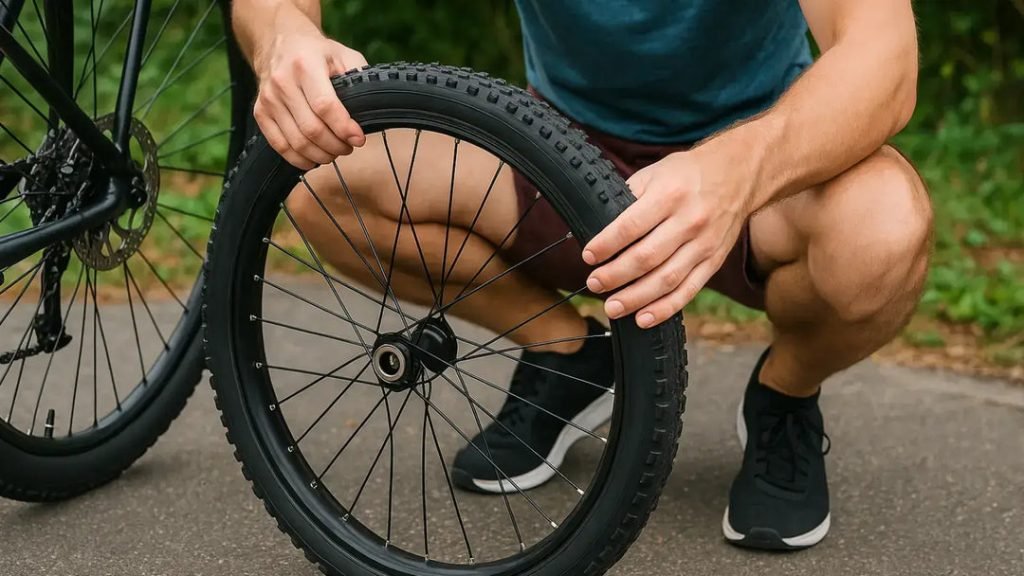
Imagine this: you’re riding your bike, enjoying the wind in your hair and the freedom of the open road. Suddenly, your joy is interrupted by the dreaded hiss of a flat tire.
Pinch flats, those pesky punctures caused by the tire tube getting pinched between the tire and the rim, are a cyclist’s nightmare. But what if you could ride without fear? What if there was a way to prevent these unexpected disruptions?
You’re not alone in this struggle. Many cyclists face the frustration of pinch flats, and it’s more common than you might think. The good news is, there are simple steps you can take to reduce the risk and keep your rides smooth and enjoyable. You’ll discover practical tips to safeguard your bike tires, ensuring you spend more time cruising and less time fixing flats. By the end, you’ll feel confident and empowered to tackle any road, knowing that pinch flats won’t slow you down. Keep reading to learn how to transform your cycling experience and say goodbye to pinch flats forever.
Understanding Pinch Flats
Proper tire pressure is crucial to avoid pinch flats in bike tires. Regularly check and inflate your tires to the recommended level. Choose quality tires with thicker sidewalls for added protection against road hazards.
Causes Of Pinch Flats
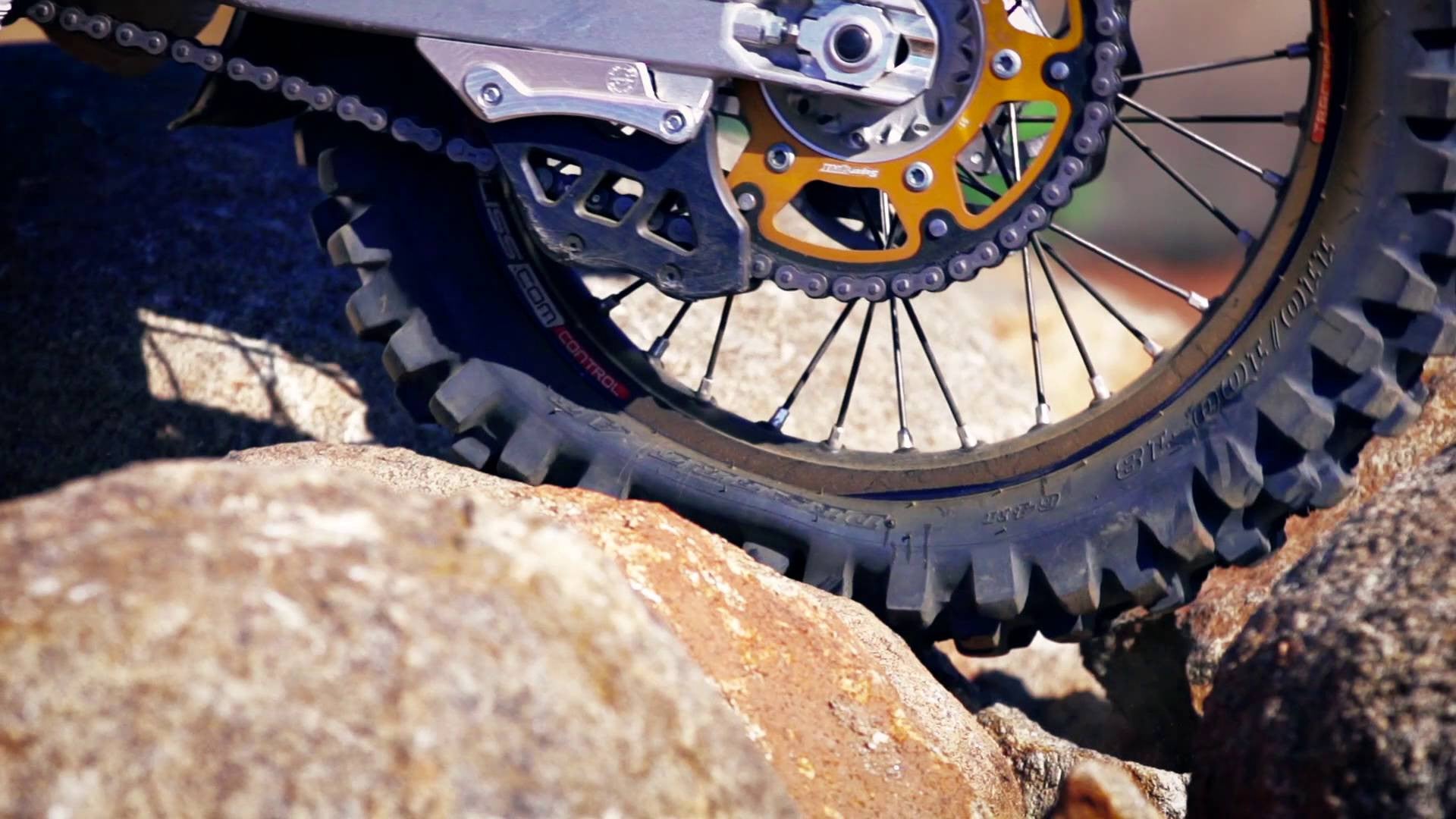
Pinch flats happen when the tire hits a sharp edge. This can be a rock or a curb. The tire squeezes between the wheel and the object. It creates two holes, like a snake bite. Riding with low tire pressure increases the chance. Fast impacts also cause pinch flats. Heavy loads on the bike add to the problem.
Common Signs Of Pinch Flats
Pinch flats leave small holes in the tube. Check for two tiny holes close together. These resemble bite marks. The bike may suddenly lose air pressure. You might hear a hissing sound. The ride becomes bumpy and hard to control. Inspect the tire for signs of damage.
Credit: mojomotosport.com
Proper Tire Pressure
Keeping your bike tires at the right pressure helps avoid pinch flats. Check the side of your tire for the recommended pressure levels. Most bike tires have this information printed on them. Always fill your tires to these levels. This keeps your ride smooth and safe.
Several tools help check tire pressure. Use a pressure gaugefor accurate readings. You can find digital and manual gauges. Pumps with built-in gauges are also helpful. Make sure your gauge fits your valve type. This ensures you get an accurate reading every time. Regular checks keep your tires in top shape.
Choosing The Right Tires
Thicker tiresare less likely to get pinch flats. They are strong and tough. Look for tires with a thicker wall. This protects against sharp objects. Durabilityis key for rough terrains. Choose tires made from strong materials. These tires last longer and are safer. Always check the tire’s description. It will tell you about its strength. A durable tire is a smart choice.
Tubeless tiresdo not have an inner tube. This means fewer chances of pinch flats. They seal better against the rim. This helps in keeping air inside. Tubed tireshave an inner tube. They can get pinch flats if not careful. Tubeless tires might cost more, but they are worth it. They provide a smoother ride. Consider your riding style before choosing.

Credit: www.reddit.com
Riding Techniques
Properly inflate bike tires to prevent pinch flats. Choose smooth paths, avoiding sharp objects and rough surfaces. Maintain tire pressure regularly for a smoother ride.
Avoiding Obstacles
Keep your eyes on the path. Spotting obstacles early helps. Steer smoothly around rocks and glass. Sudden turns can cause pinch flats. Always keep a safe distance from curbs. Jumping curbs might damage your tires. Ride on clean paths as much as possible. Puddles may hide sharp objects. Check your path for debris often. Stay alert and keep your bike steady. Practice makes avoiding obstacles easier.
Proper Weight Distribution
Balance your weight evenly. Sit comfortably on the seat. Distribute your weight on both wheels. Leaning too much can harm tires. Use your arms to keep balance. Keep your hands firm on handlebars. Shift your weight when turning corners. This helps maintain control. Avoid putting too much weight on one side. This prevents tire stress. Proper balance keeps tires safe.
Regular Maintenance
Check your bike tires often. Look for small cuts and sharp objects. Remove anything stuck in the tires. Feel the tire with your hands. Make sure it’s smooth and even. Use a flashlight to see better. Inspect the tire sidewalls too. They should not have cracks. Squeeze the tire to check for air. This helps you find soft spots. Regular checks keep your tires safe.
Old tires can cause pinch flats. Change them when they look worn. Look for bald spots on the tire. They are dangerous. If the tire tread is low, replace it. New tires grip the road better. They also protect from sharp objects. Use the right size for your bike. Check the tire label for the size. Always have a spare tire ready. This helps if a tire fails.
Emergency Repairs
Pinch flats can be a hassle during rides. Keep a small patch kithandy. These kits fix small holes quickly. Make sure the patch seals properly. Always check your tire after patching. Sometimes, you need to replace the tubecompletely. Carry a spare tube with you. It’s a good backup solution.
Having the right tools makes a difference. A tire leverhelps remove tires easily. A small hand pump can inflate the tire fast. Keep a multi-toolfor other adjustments. It includes screwdrivers and wrenches. A compact tool bag fits on your bike. Ensure it’s stocked with essentials. Being prepared saves time and stress.
Expert Advice
Regularly check tire pressure to keep it at the recommended level. Avoid rough terrain to reduce the risk of pinch flats. Selecting wider tires can provide better cushioning, minimizing potential damage.
Consulting With Professionals
Bike experts know a lot about tires. They can help you choose the right tire for your bike. Visit a bike shop and ask for advice. Professionals check if your tires are in good shape. They can find problems you might miss. Listen to their tips on how to avoid pinch flats. They suggest the best tire pressure for your bike. This keeps your tires safe from damage.
Staying Updated On Tire Technology
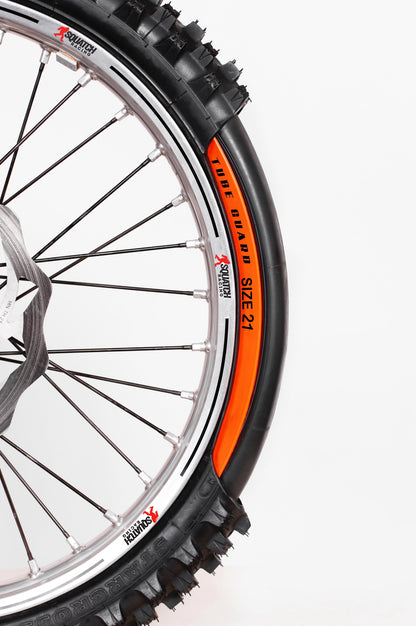
Tire technology changes fast. New tires are stronger and last longer. Read about new tires online or in magazines. Learn about new features that prevent pinch flats. Some tires have special layers. These layers protect from sharp objects. Ask bike shops about new tire brands. They can tell you which ones are best. Buy tires with good reviews from other riders. This helps you choose the right tires.
Credit: sealmate.net
Frequently Asked Questions
How To Stop Bike Tires From Going Flat?
Check tire pressure regularly and inflate as needed. Use puncture-resistant tires and liners. Avoid riding over sharp objects. Inspect for embedded debris and remove promptly. Consider using tire sealant for added protection.
How To Prevent Pinch Punctures?
Maintain proper tire pressure to prevent pinch punctures. Use high-quality tires and avoid hitting sharp obstacles. Check tires regularly for wear and replace them when needed. Adjust riding style to minimize impact during rough terrain. Consider using wider tires for better cushioning.
How To Avoid Pinching The Inner Tube Of A Bicycle?
To avoid pinching the inner tube, ensure proper tire inflation and alignment. Use tire levers carefully during installation. Check for debris inside the tire before fitting the tube. Avoid over-inflating and ensure the tube isn’t twisted. Regularly inspect the tire and rim for damage.
What Psi To Avoid Pinch Flats?
Maintain tire pressure between 80-130 psi for road bikes and 30-50 psi for mountain bikes. Proper psi prevents pinch flats. Regularly check pressure to ensure optimal performance and durability. Adjust based on terrain, rider weight, and bike type. Consult your bike’s manual for specific recommendations.
Conclusion
Avoiding pinch flats keeps your bike rides smooth and stress-free. Check your tire pressure regularly. It’s essential. Inspect tires for wear and damage often. Replace old or worn tires promptly. Choose the right tire size for your bike. It matters.
Avoid sharp objects on the road. Stay alert while cycling. Consider using wider tires for better protection. These simple steps help prevent pinch flats. Enjoy more rides without interruptions. Your bike and your wallet will thank you. Keep pedaling, and ride with peace of mind.



