
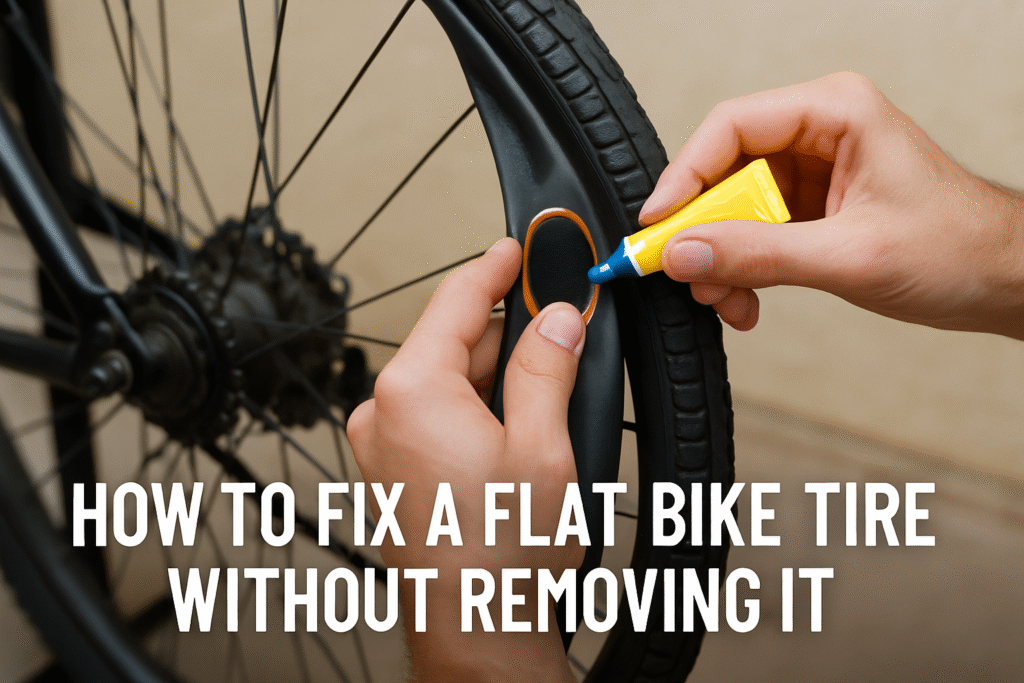
Imagine you’re out on a beautiful ride, enjoying the fresh air and scenery, when suddenly, your bike tire goes flat. Frustrating, right?
But don’t worry! Learning how to change a flat bike tire quickly can save your day and get you back on the road in no time. This skill isn’t just for the seasoned cyclist; it’s for anyone who loves the freedom of biking without interruptions.
You’ll discover straightforward steps to fix a flat tire without the hassle. Picture yourself confidently handling the situation and even impressing your fellow riders with your efficiency. No more waiting on the roadside or calling for help. You’ll master the art of tire changing, turning what could be a setback into a minor detour. Keep reading to find out how you can conquer flat tires and enhance your biking experience.
Essential Tools For Tire Change
Changing a flat bike tire is easy with the right tools. First, you need a tire lever. This helps remove the tire from the rim. It’s small and easy to carry. Next, have a spare inner tube. This replaces the damaged one. Always carry a bike pumptoo. You need it to inflate the new tube.
Also, a patch kitcan be useful. It helps fix small holes in the tube. Some people also use a multi-tool. This has many tools in one. It can adjust bolts and screws. Keep these items in a small bag attached to your bike. With these, you can fix a flat tire quickly and continue your ride.
Credit: www.youtube.com
Preparing The Bike For Repair
First, find a safe place to work. Make sure the bike is stable. Use a bike stand if possible. Flip the bike upside down for easier access. Remove any bags or accessories from the bike. This will make the process simpler. Check the tire for any sharp objects. Wear gloves to protect your hands. Gather all the necessary tools. A pump, tire levers, and a patch kit are essential. Have a rag ready to clean the area. Ensure good lighting to see clearly. Inspect the wheel for damage. This helps in identifying the problem. Now, you’re ready to start the repair.
Removing The Wheel
Start by flipping the bike upside down. Make sure it rests steadily. You can ask a friend to help hold it. Locate the quick-release lever on the wheel. If your bike has nuts, use a wrench. Turn the lever or loosen the nuts. This releases the wheel from the frame. Be gentle to avoid damaging the bike.
Lift the wheel carefully. Set it aside on a clean surface. Keep all removed parts safe. Remember the order for reassembly later. Check for any stuck parts or dirt. Clean if needed. Now the wheel is ready for tire change.
Detaching The Tire
First, flip the bike upside down. This makes it easier to work. Use a wrench to loosen the nuts on the wheel. Make sure they are not tight. Pull the wheel gently from the bike frame. Check if the tire is flat by pressing it. If it’s flat, remove it from the wheel. Use a tire lever to pry it off. Be careful not to damage the rim. Keep the lever under the tire edge. Work around the tire to remove it completely.
Inspecting For Damage
Check the tire carefully before removing it. Look for any sharp objects stuck in the tire. Nails, glass, and thorns can cause a flat. Run your fingers around the tire. Feel for cuts or holes. These can be hidden from view.
If the tire has a big cut, it may need replacing. Small holes can often be patched. Check the rim as well. It should not be bent or cracked. A damaged rim can ruin a new tube quickly.
Don’t forget to inspect the valve stem. Make sure it’s not loose. A loose valve can cause air leaks. Always take your time during inspection. It helps avoid future troubles.

Credit: m.youtube.com
Installing The New Tube
Place the new tube inside the tire. Make sure it’s not twisted. Push the valve stem through the hole in the rim. Use fingers to guide it in. Inflate the tube a little to give it shape. This helps in fitting it nicely. Check if the tube is evenly inside the tire. Ensure it’s not pinched between tire and rim.
Use tire levers to fit tire back onto rim. Start opposite the valve. Push the tire onto the rim with your thumbs. Work around the wheel until tire is on completely. Check the tire is seated properly. Ensure no part of tube is sticking out. Inflate the tire fully. Check air pressure using a pump gauge. Make sure the tire is firm but not too hard.
Reattaching The Tire
First, place the tire back onto the wheel rim. Ensure the valve stem is in the hole. Use your hands to push the tire edges into the rim. Check that both sides are secure. If the tire is tight, use tire levers. Be careful not to pinch the tube.
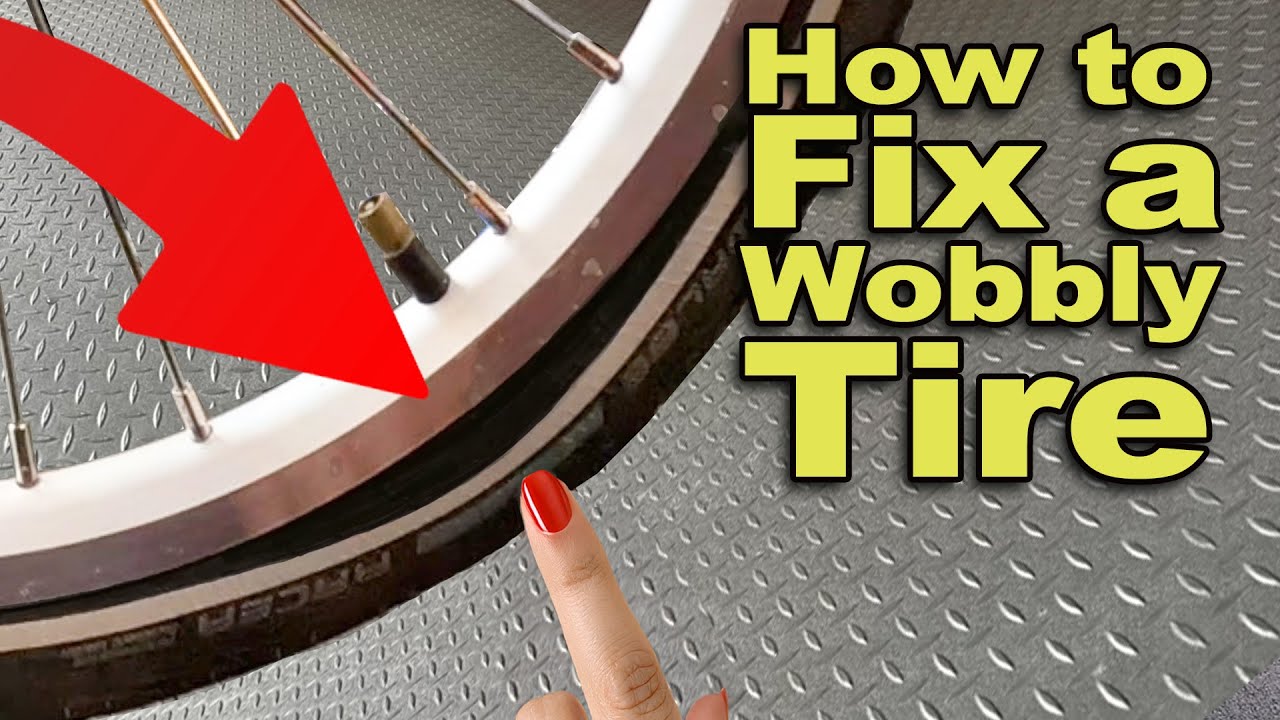
Once the tire is on, inflate it slightly. Check if the tire sits evenly on the rim. Adjust if needed. Inflate the tire to the recommended pressure. Ensure the tire is fully seated. Spin the wheel to check if it’s straight. If it wobbles, adjust the tire position.
Finally, reattach the wheel to the bike. Tighten the nuts or quick-release lever. Make sure the wheel is secure. Check the brakes and adjust if needed. Your bike is ready to ride!

Credit: www.instagram.com
Inflating And Testing
First, attach the pump nozzleto the tire valve. Make sure it fits snugly. If you hear air escaping, adjust it until it stops. Begin pumping air into the tire. Watch the tire as it inflates. Check it regularly by pressing with your thumb. The tire should be firm, but not too hard.
Check the tire pressureusing a gauge. Most tires have a recommended PSI range printed on the side. Make sure your tire is within this range. Once inflated, gently spin the wheel. Look for any wobbles or bulges. If everything looks good, your tire is ready to roll!
Tips For Quick Repairs
Use a good tire leverfor easy removal. Tire levers help avoid damage. Always deflate the tirefully before starting. This makes the job easier. Check for sharp objects in the tire. Remove them carefully to prevent future flats.
Inspect the inner tubefor holes or tears. Patch small holes with a patch kit. If the damage is big, replace the tube. Make sure the replacement tube is the right size. Inflate the new tubeslightly before putting it back.
Carefully position the tireon the rim. Avoid pinching the tube. Use your hands to fit the tire back on. Start at one side and work around. Inflate the tireslowly and check the fit. Make sure it spins smoothly.
Frequently Asked Questions
How To Change A Flat Tire Quickly?
Quickly change a flat tire by parking safely and gathering tools. Loosen lug nuts, jack up the car, remove the flat tire, and replace it with a spare. Tighten the lug nuts and lower the car. Make sure all tools are stored securely before driving.
How Long Does It Take To Change A Flat Bike Tire?
Changing a flat bike tire typically takes 15 to 30 minutes. Experienced cyclists may do it faster. Prepare tools like tire levers and a pump. Practice helps reduce time. Ensure you have a spare tube or patch kit. Regular maintenance can prevent frequent flats.
How To Change A Tire In 2 Minutes?
To change a tire quickly, first, ensure the car is on a flat surface. Loosen lug nuts using a wrench. Place the jack under the vehicle and lift it. Remove the loosened lug nuts and the tire. Fit the spare tire, tighten lug nuts, and lower the car.
How To Inflate A Bike Tire That Is Completely Flat?
Check the valve type and unscrew the cap. Use a compatible pump to inflate the tire. Ensure correct pressure using a gauge. Tighten the valve cap securely.
Conclusion
Changing a flat bike tire doesn’t have to be tough. Follow these steps, and you’ll be back on the road fast. Always carry a spare tube and tools. Practice these steps at home. This will make the real thing easier.
Remember to check tire pressure before rides. This prevents flats and keeps you safe. Riding with friends? Share these tips with them too. Everyone benefits from knowing how to fix a flat. Stay prepared and enjoy smoother, worry-free rides. Happy cycling, and safe travels!



